

Key Takeaways
A little preparation makes it easier to find a suitable BMW part or arrange a clear, straightforward sale. Use the car’s details and the seller’s terms to guide your next steps.
- Match parts to your BMW’s model, year, variant, and part number.
- Ask how a part was checked and what warranty or return terms apply.
- Compare sale offers by condition and included services, not price alone.
- Confirm pickup, payment, and paperwork before handing over your vehicle.
- Ask how reusable parts, fluids, batteries, and other materials are handled.
What BMW wreckers in Newcastle can help you with
BMW wreckers can be a useful starting point when you need a replacement component or want to sell a vehicle that is no longer practical to keep. What is available depends on the cars a yard has received and the condition of their parts. You can ask about parts, vehicle collection, and dismantling arrangements in one conversation. For BMW owners in the Hunter, a little preparation helps you make that conversation more specific.
Finding used, recycled, and reconditioned parts
A wrecker may have used components removed from a BMW, while some suppliers also offer recycled or reconditioned options. Availability changes, so provide your model details and describe the part as clearly as you can. Just BMW supplies genuine, used, and aftermarket BMW spare parts, giving you several types of options to compare for your repair.
If you are comparing local buying advice with another city’s guide, these notes on BMW wreckers in Melbourne cover fitment, condition, warranties, prices, and offers. The same habits—asking clear questions and checking the terms—are useful wherever you shop.
Selling a damaged, unwanted, or end-of-life BMW
A damaged or non-running BMW may still have value as a whole vehicle or for parts, but an offer depends on its circumstances. Explain what works, what does not, and whether the car has been in a collision or sustained other damage. Ask whether the quote includes collection and whether any fees or conditions could change the amount you receive.
Arranging vehicle dismantling and parts removal
Before dismantling, agree on which parts will be removed, what will happen to the vehicle shell, and who is responsible for collection. If you need a particular component removed, say so early and ask whether removal affects the price or timing. A clear written record of the arrangement can prevent misunderstandings later.
How to find the right part for your BMW
A part can look right and still be unsuitable for your particular BMW. Model name alone may not tell the whole story: year, variant, engine, and equipment can affect fitment. Gather the details before you contact a supplier, then confirm compatibility rather than relying on appearance. That small check can save you the delay and cost of arranging a return.
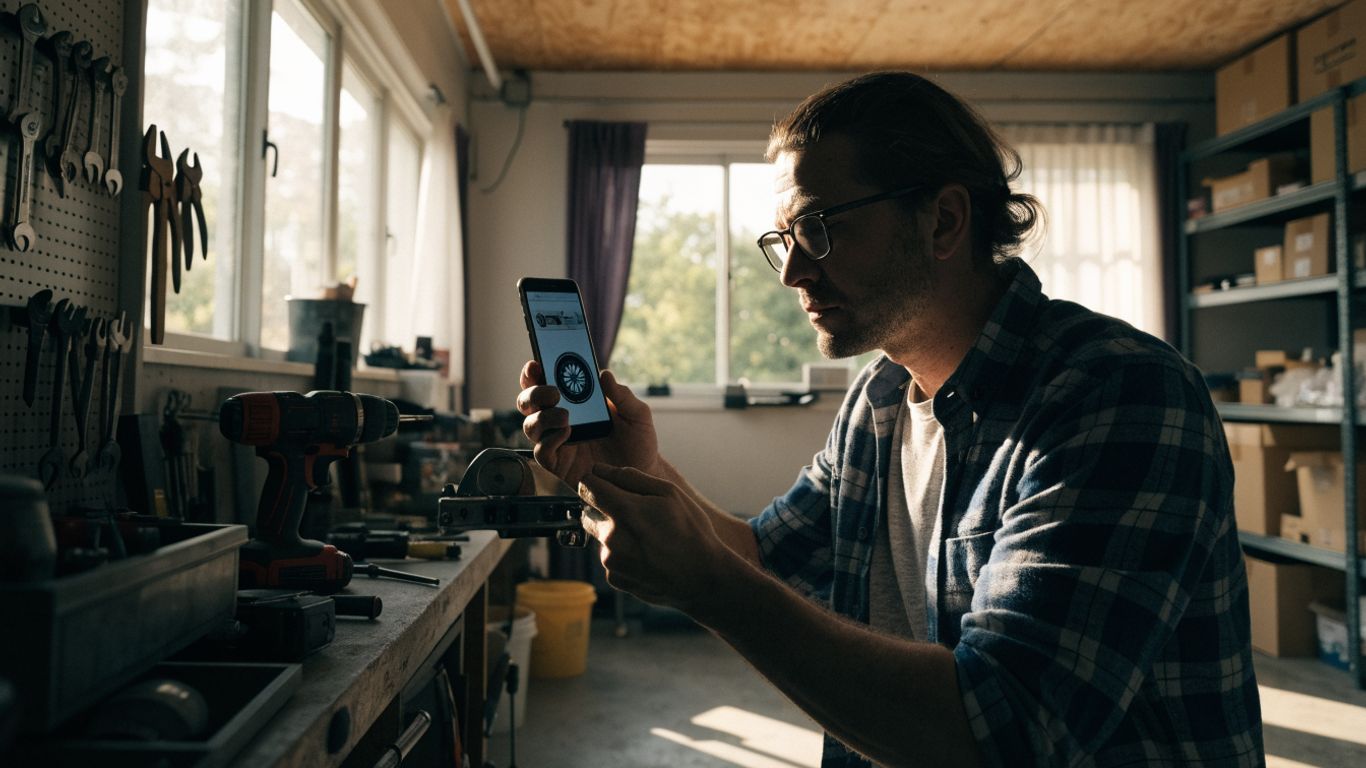
Match the part to your model, year, and variant
Start with your BMW’s model, year, and variant, then add engine information where relevant. Your registration or VIN can help a parts specialist narrow down the correct application, but confirm what details they need and how they use them. Just BMW’s team provides advice on BMW parts, so you can ask for help comparing options against the details of your vehicle.
Check part numbers and compatibility before buying
If you can read a part number from the component, share it with the supplier and ask them to confirm that it matches your car. A number is a useful reference, not a substitute for checking the application: revisions, equipment differences, or other variations may matter. Before paying, get confirmation of fitment in writing if there is any uncertainty.
A useful comparison keeps the different options and questions visible rather than treating every listing as interchangeable. The table below gives you a simple way to frame that discussion; availability and terms will depend on the supplier and part.
| Option | What to ask | What to compare |
|---|---|---|
| Used or recycled | What is known about its condition? | Price, condition, and return terms |
| Reconditioned | What work was carried out? | Scope of work and warranty terms |
| New genuine | Is it correct for this vehicle? | Price, availability, and delivery |
| Aftermarket | Who makes the part and what does it fit? | Fitment, specification, and support |
The right choice depends on your repair, budget, and confidence in the information supplied. Just BMW says parts are inspected and tested before sale, and that parts that do not meet its standards are not sold; ask the supplier what checks apply to the specific item you are considering.
Compare used parts with new and reconditioned options
A lower purchase price is only one part of the decision. Compare the part’s stated condition, fitment, warranty, delivery, and return terms, then consider how those factors fit your repair plans. For broader guidance on BMW parts and checking total costs, see this parts-buying guide.
How to assess a wrecker before you buy
A reliable buying decision rests on clear answers, not simply a listing or a quick quote. Ask how the part was assessed, what is included in the sale, and what happens if it does not fit. You should also be able to verify who you are buying from and get the terms in a form you can refer back to. If an answer is vague, pause and ask again before committing.
Ask about testing, condition, and warranty coverage
Ask whether the component was inspected or tested and what those checks involved. Find out whether the seller knows its history, and ask them to describe any visible wear or damage. Warranty coverage varies, so clarify its length, what it covers, and any conditions that could limit a claim before you pay.
Confirm the return policy and fitment support
Returns may depend on the reason for return, the time allowed, and whether the part has been installed, so ask for the actual terms. Confirm whether the seller can help check fitment before purchase and what information they need from you. For complex components such as a gearbox, this used gearbox guide offers questions to consider about fitment, condition, delivery, and terms.
Check reviews, business details, and communication
Look for a consistent business name and contact details, and notice whether answers are specific to your questions. Reviews can provide context, but read the detail rather than relying only on a star rating. If you manage a business listing, this guide to Google Maps reviews explains ways to find and respond to customer feedback.
For a workshop evaluating its own digital processes, Microsoft Dynamics 365 appears among the platforms discussed in customer stories from de facto infotech; that is a separate business-software resource, not evidence about a parts seller. Keep your decision about a wrecker grounded in its own records, terms, and communication.
What to expect when selling your BMW
Selling a BMW to a wrecker is easier when you can describe the vehicle accurately and understand what the offer includes. The amount may depend on the car’s condition, age, damage, and potential parts, while collection and paperwork also affect how convenient an offer is. Compare the whole arrangement, not just the headline figure. Before pickup, confirm the details with the buyer and keep a record of what you agreed.
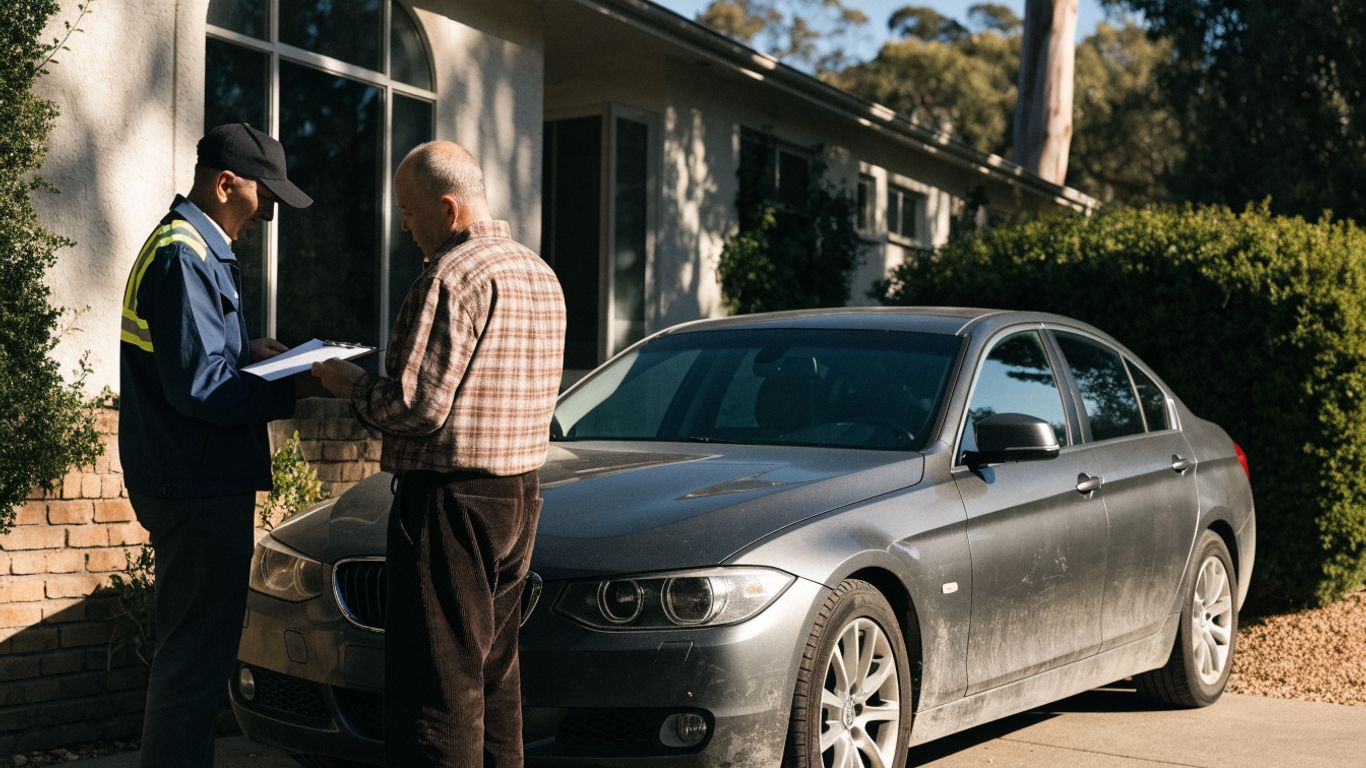
Gather ownership and vehicle details
Have the registration, model, year, odometer reading, and VIN available, along with a clear description of the car’s condition. Mention whether it starts and moves, and disclose known damage or missing components. Keep any ownership and transfer documents to hand, and ask the buyer what they need to complete the sale.
If you are also selling a phone or computer, this device handoff guide covers backing up data and removing account links before transfer. For a vehicle sale, focus on the required ownership and transfer paperwork instead. When sharing personal information online, you can also review a privacy policy example to see the kinds of data-use details a notice may explain; it is unrelated to vehicle-sale requirements.
A compact set of details can help you request comparable offers:
- BMW model, year, and variant
- Odometer reading and whether it runs
- Known damage, missing parts, or warning signs
- Your location and preferred collection timing
Once you have those details, describe the car consistently to each buyer. If you are selling on behalf of a workshop or organisation, a business operations case-study collection is a separate reference; it does not establish a vehicle’s value or sale terms.
Compare offers based on condition and included services
Compare each offer against the same description of your BMW, and check what services are included. A higher figure may not be better if collection costs, timing, or other conditions reduce its practical value. Ask whether the offer is subject to inspection and what could cause it to change when the vehicle is collected.
If you have other plans around the handover date, keep them separate from the sale details. For example, these wine-tasting dinner tips are an unrelated guide to preparing for a dinner; your vehicle arrangements still need their own confirmed timing and paperwork.
Confirm pickup, payment, and paperwork arrangements
Agree on the collection location and time, and make sure the vehicle can be accessed as planned. Confirm how and when payment will be made, what documents you need to provide, and who handles the transfer steps. Save the written offer and any messages that clarify the agreement, especially if collection is scheduled after the initial quote.
What affects BMW parts and vehicle prices
Prices vary because no two parts or vehicles are quite the same. A component’s usefulness to other owners, its condition, and its compatibility can all influence its value. Vehicle offers also reflect the likely work involved and any services included. Ask for the reasoning behind a quote so you can compare like with like.
Consider demand, rarity, and compatibility
Demand depends on how many owners need a particular component and whether it suits a range of vehicles or only a narrower application. A less common part may be harder to source, but rarity alone does not establish its value. Confirm the correct fitment and ask how the seller arrived at the price.
Factor in condition, mileage, and damage
For a used part, condition and any known history matter more than a label such as “good.” Ask about wear, damage, and testing, and request clear photographs if you cannot inspect it in person. For a whole vehicle, be candid about mileage and damage so the quote reflects the car you are actually selling.
Account for removal, delivery, and warranty costs
A part’s listed price may not include removal, delivery, or other charges. Ask what the total will be and whether warranty or return terms affect the price. If you are selling a car, find out whether collection is included and whether the quoted amount assumes the vehicle is accessible and complete.
How responsible BMW dismantling works
Dismantling involves more than removing parts that can be sold. A careful process separates reusable components from materials that need different handling, and the details can vary by vehicle and facility. You can ask what happens after collection and how the yard deals with items that cannot be reused. Clear answers help you understand the process without assuming every operator follows the same approach.
Recover reusable parts and materials
Usable components may be removed and assessed for possible resale, while other materials can be sorted for appropriate recovery. Ask how parts are identified and stored, especially if you are looking for a particular item. A supplier should be able to explain the condition and fitment information available for the part it offers.
Handle fluids, batteries, and other hazardous components
Vehicles contain fluids, batteries, and other materials that need appropriate handling. Ask how these are separated and managed during dismantling, and whether the facility can explain its procedures. If you are arranging collection of an end-of-life BMW, confirm that you are dealing with a yard equipped to handle the vehicle rather than leaving dismantling to chance.
Ask how the wrecker manages recycling and disposal
Ask what happens to the remaining vehicle after reusable parts have been removed, and how materials that cannot be reused are handled. A responsible operator should be willing to explain its recycling and disposal approach in plain terms. If the answer is unclear, ask for more detail before you agree to the collection.
Conclusion
Whether you are buying a part or selling a BMW, clear vehicle details and written terms make the process easier to navigate. Compare condition, fitment, total costs, and included services, and ask direct questions about testing, returns, collection, and dismantling. With those basics in hand, you can make a more confident choice among BMW wreckers Newcastle offers.
Frequently Asked Questions
What information should I provide when looking for a BMW part?
Share the model, year, variant, and relevant engine details, along with the VIN or part number if available. Ask the supplier to confirm fitment before you buy.
Are used BMW parts always cheaper than new parts?
Not necessarily. Prices vary by part, condition, availability, and terms, so compare the total cost—including delivery and warranty or return coverage—before deciding.
How can I check whether a used part is in good condition?
Ask what was inspected or tested, what is known about the part’s history, and whether there is visible wear or damage. Request photographs or an in-person inspection if possible.
What should I ask about a parts warranty?
Confirm how long coverage lasts, what it applies to, and any exclusions or installation requirements. Ask for the terms in writing before you pay.
Can I sell a BMW that does not run?
You can contact wreckers about a non-running car, but its condition, damage, completeness, and location may affect the offer. Describe it accurately and confirm collection arrangements.
What documents should I prepare when selling my BMW?
Have ownership and vehicle details ready, and ask the buyer which documents are required for the sale and transfer. Keep a copy of the agreed offer and any relevant paperwork.
What happens to a BMW after it is dismantled?
Reusable components may be assessed for resale, while other materials need appropriate recycling or disposal. Ask the wrecker how it handles parts, fluids, batteries, and the remaining vehicle.