

Key Takeaways
Finding the right BMW part starts with accurate vehicle details and a clear understanding of your options. Confirm fitment, condition, total cost, and return terms before you order.
- Use your VIN, model, year, and engine code to narrow down the correct part.
- Compare genuine, OEM, aftermarket, and used parts by fit, condition, warranty, and price.
- Ask suppliers how they verify compatibility and what their return terms cover.
- Include shipping, installation, and related components when comparing quotes.
- Inspect deliveries promptly and confirm coding or calibration needs before installation.
Identify the part your BMW needs
Before looking for BMW parts Sydney suppliers, pin down exactly what your vehicle needs. BMW model names alone may not tell the whole story: year, engine, body style, and production details can all affect fitment. Gather those details first, then check the symptoms and any diagnostic information you have. A few minutes of preparation can save you from ordering a part that looks right but does not match your car.
Use your VIN to confirm vehicle details
Your vehicle identification number (VIN) can help a supplier identify the specific vehicle configuration. Share the full VIN through a secure channel and ask the supplier to confirm the relevant vehicle details before recommending a part. VIN lookup is a useful starting point, but it does not replace checking the part number or the details of the repair. If you are comparing options, a BMW fitment guide for Perth also offers practical reminders about checking compatibility before ordering.
Check the model, year, and engine code
Confirm the model, model year, and engine code rather than relying on a registration year or a broad model description. Some versions of the same model can use different components, and production changes may matter too. If you are unsure where to find the engine code, check your vehicle records or ask a qualified repairer to help identify it. For a more focused example of this process, see this guide to BMW engine parts in Geelong.
Match part numbers when replacing components
When you can access the number printed or stamped on the existing component, record it and ask the supplier to cross-check it against your VIN. Numbers may vary across revisions, so do not assume that a close match is automatically interchangeable. Share photos of labels, connectors, and mounting points when useful, and request written confirmation of the replacement part number. A confirmed part number gives both you and the supplier a clear reference if questions arise later.
Note symptoms and diagnostic codes before ordering
Describe what the car is doing, when the issue occurs, and whether a warning light or diagnostic code has appeared. A code can help guide diagnosis, but it does not always identify a single failed component; related wiring, connections, or other parts may also need checking. Keep your notes organized so a technician or supplier can distinguish what you observed from what has already been diagnosed. For a straightforward repair, a short record of the fault and the confirmed part number may be enough to keep the order on track.
Compare genuine, OEM, aftermarket, and used parts
Once you know which component you need, compare the available categories rather than treating every listing as equivalent. A part’s label alone does not tell you its condition, fitment, or warranty, so ask for specifics. Your choice may depend on the repair, your budget, and how long you plan to keep the car. For perspective on supplier selection, the BMW parts and wreckers in Sydney page describes a dedicated BMW parts source; confirm the details of any particular item directly before ordering.
Understand what each parts category means
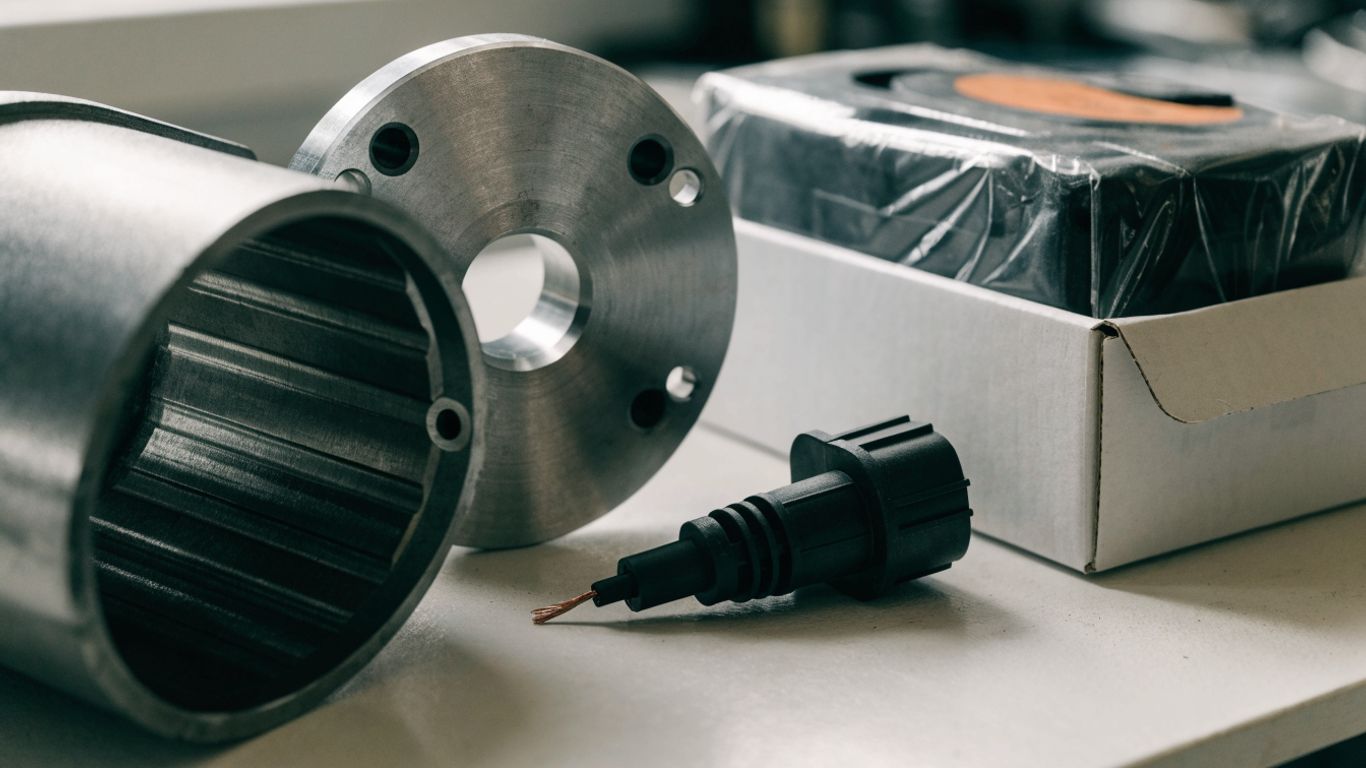
Genuine parts are sold as BMW parts, while OEM generally refers to parts made by a supplier that produces original equipment; confirm the exact brand and specification rather than assuming the terms mean the same thing. Aftermarket parts are made outside the vehicle manufacturer’s branded parts range, and quality and fit can vary by maker and item. Used or recycled parts have been removed from another vehicle, so condition and history matter. This simple comparison can help you ask more precise questions:
| Category | What to confirm | Useful question |
|---|---|---|
| Genuine | Part number and application | Is this the correct part for my VIN? |
| OEM | Manufacturer and specification | Who made it, and what does the listing include? |
| Aftermarket | Brand, fitment, and warranty | What is covered if it does not fit or fails? |
| Used or recycled | Condition and available history | Has it been inspected, and what is its return term? |
The category is only a starting point; verify the specific item and its terms. If the order is for a business or fleet, separate the part purchase from wider decisions about business sale proceeds, which involve a different set of financial considerations.
Weigh fit, quality, warranty, and price
Compare like with like: the same part number or confirmed specification, a similar condition, and the same warranty period. A lower listed price may not include delivery or may come with different return conditions, so check the total before deciding. Ask what evidence supports the supplier’s fitment recommendation and whether the warranty covers the part alone or other costs as well. When researching suppliers, avoid treating a general claim as a substitute for details about the exact component you intend to buy.
Consider when a recycled part may be suitable
A recycled part can be worth considering when its condition, application, and price suit the repair. Ask whether the item has been inspected, what is known about its source, and whether photos show the actual part being sold. Confirm that electronic components, where relevant, match the vehicle and can be used in your particular repair. The same habit of checking model and application details is useful when ordering other replacement items, such as water filter parts, though automotive fitment has its own requirements.
Check safety-critical components more carefully
For brakes, steering, suspension, and other safety-related systems, confirm fitment and condition with extra care. Ask a qualified technician whether a used or aftermarket component is appropriate for the repair, and follow any applicable inspection or installation requirements. Do not rely on appearance alone, especially where wear or internal damage may not be visible. The right decision is the one that suits the vehicle and repair, not simply the lowest price.
Find a reliable BMW parts supplier in Sydney
A reliable supplier should be able to discuss the part you need clearly and explain how it will be matched to your vehicle. Before you commit, check what is in stock, how the item is described, and what happens if it is not the right fit. A specialist focus can be useful when you need help distinguishing between similar BMW configurations. Take the time to compare service details, not just the headline price.
Look for experience with your model and generation
Ask whether the supplier regularly handles your model and generation, especially if the car is an older or less common variant. Useful answers should address the actual component and its application, rather than relying only on a broad make-and-model match. You can also ask what information or photos would help them identify the correct item. If you are weighing different service providers, even a comparison of restaurant interior designers illustrates how much a specialist’s experience can matter—though the expertise you need here is BMW-specific.
Ask how the supplier verifies compatibility
Find out whether compatibility is checked by VIN, part number, vehicle details, or a combination of these. Be ready to share the engine code and any relevant photos, and ask the supplier to explain any assumptions they are making. A clear confirmation in writing gives you something to refer back to if the part arrives and does not match. In business purchasing, supplier relationships may involve separate matters such as EkoGroup LinkedIn outreach, but that has no bearing on vehicle fitment; keep the BMW compatibility check focused on the actual part.
Review warranty and return terms before buying
Read the warranty and return terms before placing the order, including any time limits, exclusions, or requirements for reporting a problem. Check whether the policy differs for new, refurbished, or recycled parts and whether the item must remain uninstalled for a return. If anything is unclear, ask for the answer in writing before paying. A referral terms checklist can help organize questions about a separate referral arrangement, but it does not replace the supplier’s own parts warranty or return policy.
Check local pickup, delivery, and availability
Confirm whether the item is physically available, when it can be dispatched, and what delivery options apply to your address. If you need local pickup in Sydney, ask about collection timing and what identification or order details to bring. For a shipment, verify the delivery charge and expected timeframe before you place the order. A short list of details to confirm keeps the conversation practical:
- Whether the exact part is in stock or needs to be sourced.
- The dispatch or pickup timeframe for your location.
- Delivery cost and any bulky-item restrictions.
- How the supplier will contact you if availability changes.
These points help you plan the repair without assuming that a listing guarantees immediate availability. Just BMW supplies genuine, used, and aftermarket BMW parts and offers Australia-wide shipping; confirm the availability and delivery details for the specific item you need.
Estimate the total cost before you buy
The listed part price is only one part of the repair budget. Shipping, installation, diagnostic work, and related components can change the final amount, so ask for a complete estimate before ordering. Compare quotes only after confirming that they cover the same specification and condition. That makes it easier to judge value without overlooking costs that appear later.
Compare quotes for the same part specification
When requesting quotes, provide the VIN, part number if available, and a concise description of the fault or repair. Ask each supplier to confirm the part’s category, condition, and warranty so you are not comparing a new item with a used one as though they were identical. Check whether the quote is current and whether it includes delivery. If the details differ, ask for a revised quote based on the same specification before making a decision.
Include shipping, installation, and related components
Ask your repairer whether the job may require related fasteners, seals, fluids, or other replacement items. Some repairs also involve diagnostic time or a follow-up check, so include those in the budget where applicable. Delivery charges can vary with the size and weight of the component, particularly for larger parts. Thinking through the full repair cost helps you avoid choosing an option that appears cheaper only because important items were left out.
Ask whether the part is new, refurbished, or recycled
Confirm the item’s condition and how the supplier classifies it; terms can vary, so ask what work, if any, has been done to a refurbished part. For a used component, ask whether you can see photos of the actual item and what is known about its condition. Record the answer alongside the quoted price and warranty. Clear descriptions make it easier to compare options fairly and decide what fits the repair.
Check for a core charge or other return requirements
Some parts may involve a core charge or a requirement to return an old component, so ask whether either applies before you order. Confirm the return deadline, acceptable condition, and who pays for return shipping. If the old part must be kept, make sure your workshop knows not to discard it before the supplier’s requirements are met. A written answer prevents an avoidable surprise after the repair is underway.
Order and inspect parts with confidence
Once you have selected a part, make the order details specific enough to check when it arrives. Save the supplier’s confirmation, the part number, the agreed condition, and any delivery or warranty terms. When the shipment arrives, compare it with the paperwork before installation. Acting promptly gives you more time to resolve a mismatch while the order details are easy to retrieve.
Confirm the part number and condition in writing
Ask the supplier to confirm the part number, vehicle application, and condition in writing before payment or dispatch. If the item is used, note any disclosed marks or limitations so you can compare those details with the actual part. Keep a copy of the listing or quote if it contains information not repeated on the invoice. Just BMW says its parts are inspected and tested before sale, and that items failing its standards are not sold; for your order, keep the written description and confirmation as your reference.
Check packaging and parts promptly after delivery
Inspect the package for visible damage and compare the item with your order confirmation as soon as it arrives. Check labels, connectors, mounting points, and any included hardware against the part you expected. If the component is delicate or electrical, avoid installation until you have checked for damage and confirmed fitment. Photograph any problem before discarding packaging, since those records can help explain what went wrong.
Keep receipts and warranty documentation
Save the invoice, payment record, order messages, delivery tracking, and warranty terms together. Note the installation date and the repairer’s details, especially if the warranty requires proof of professional installation or a particular procedure. Keeping one complete record makes it easier to follow up if a fault appears later. It also gives you a clearer history of what was replaced and when.
Resolve incorrect or damaged orders quickly
If the part is incorrect or damaged, contact the supplier promptly and describe the issue with clear photos and your order number. Avoid installing a part that appears damaged or does not match the confirmed specification. Ask what the next step is and how the return or replacement will be handled under the terms you received. Just BMW provides BMW parts and customer support; contact the supplier directly to resolve any issue with your specific order.
Plan installation and ongoing maintenance
A correct part still needs to be installed appropriately and checked as part of the repair. Consider the complexity of the job, the tools required, and whether the vehicle may need electronic setup afterward. Before work begins, agree with your repairer on the parts being fitted and any follow-up checks. Planning these details can help prevent delays and repeat visits.
Decide whether the repair needs a BMW specialist
For straightforward jobs, you may be comfortable using a trusted repairer or doing the work yourself if you have the right skills and tools. More complex repairs, unfamiliar systems, or safety-related work may call for a technician with relevant BMW experience. Ask the repairer what the job involves and what information they need about the replacement part. The decision should reflect the specific repair rather than a one-size-fits-all rule.
Confirm coding or calibration requirements
Before ordering an electronic or control-related component, ask the repairer whether coding, programming, calibration, or another setup step may be required. Requirements can depend on the component and vehicle configuration, so confirm them for your particular repair rather than assuming the part will work immediately after installation. Include any extra labor in your estimate. That way, the cost and timing are clearer before the car is off the road.
Replace related wear items when appropriate
Ask your technician whether the repair exposes nearby wear items that should be inspected or replaced at the same time. This does not mean replacing every adjacent part; it means checking whether another item’s condition could affect the repair or lead to repeated labor. Base the decision on inspection and the manufacturer’s service information where appropriate. A clear explanation helps you distinguish necessary work from optional recommendations.
Follow service intervals to help prevent repeat repairs
Keep up with the maintenance schedule for your vehicle and record completed work, including the parts fitted. If you notice a new noise, warning light, or change in handling, arrange an appropriate inspection rather than waiting for symptoms to worsen. Maintenance cannot prevent every component failure, but accurate records and timely attention can make future diagnosis easier. Review the work with your repairer after installation so you understand any checks or follow-up that are due.
Conclusion
The best way to find the right BMW part is to combine accurate vehicle details with careful checks on specification, condition, warranty, and total cost. Confirm the order in writing, inspect it when it arrives, and plan installation around the needs of the repair. If you need a quote, Just BMW offers a quotation form and live call consultation; share your model and part details so the request can be specific.
Frequently Asked Questions
How do I find the right part for my BMW?
Start with your VIN, model, year, and engine code, then match the part number where possible. Ask the supplier to confirm compatibility for the specific vehicle and repair.
Can I order a BMW part using only the model name?
A model name alone may not identify the correct component. Production year, engine, body style, and other vehicle details can affect fitment, so provide the VIN when possible.
Are genuine and OEM parts the same?
Not necessarily. Genuine parts are sold as vehicle-manufacturer parts, while OEM generally describes a part made by an original-equipment supplier; confirm the exact brand and specification for the item you are considering.
Are used BMW parts a good option?
They can suit some repairs, depending on the component’s condition, fitment, price, and warranty. Ask for details about the actual item and consult a qualified technician for safety-related or complex repairs.
What should I check before buying a part online?
Confirm the part number and vehicle application, condition, total price, delivery timing, warranty, and return terms. Keep the supplier’s confirmation in writing.
Should I replace related parts at the same time?
Ask your technician to inspect related items and explain whether their condition could affect the repair. Replace them when the inspection and repair requirements support doing so, rather than by assumption.
Do BMW parts require coding after installation?
Some electronic components may need coding, programming, or calibration, while others may not. Ask your repairer about the specific part and vehicle before ordering.