

Key Takeaways
A little preparation can prevent a mismatched part and a delayed repair. Start with accurate vehicle details, then compare condition, fitment, and the full cost of the job.
- Record the part number, engine code, model year, and trim before requesting a quote.
- Compare OEM, aftermarket, used, and reconditioned options based on fit, condition, and warranty.
- Confirm fitment against the VIN and check revisions, connectors, and return terms.
- Ask Geelong suppliers about stock, sourcing time, delivery, and support for your BMW model.
- Include installation, related parts, and follow-up checks in your repair plan.
Identify the engine part you need
Finding BMW engine parts Geelong buyers can actually use starts with identifying the failed component, not just describing a general symptom. A precise description helps a supplier narrow down the right part and flag details that may affect fitment. Gather the vehicle information and any diagnostic notes before you contact a seller.
Locate the part number and engine code
Look for a part number on the component, its packaging, or service paperwork, and note the engine code if it is available. A number from the old part can be useful, but it should be checked against the vehicle details rather than treated as proof of fit on its own. If the label is damaged or inaccessible, a clear photo and the VIN can give the supplier a better starting point.
Check your BMW’s model year and trim
Write down the model year, model designation, and trim as shown in your registration or vehicle documents. Cars that appear similar can have different equipment or engine variants, so the badge alone may not provide enough detail. If the car has had an engine replacement or other major modification, mention that when asking for a quote.
Describe the fault before ordering a replacement
Explain what the vehicle is doing, when the problem occurs, and what checks have already been completed. A noise, warning light, or fluid leak may have more than one possible cause, so replacing the first suspected component can lead to unnecessary expense. A confirmed diagnosis is a better basis for ordering than a symptom alone.
Choose between OEM, aftermarket, and used parts
The right choice depends on the part, your repair budget, and how long you expect to keep the vehicle. OEM, aftermarket, used, and reconditioned components each come with different questions to resolve. Compare the specific item and its terms rather than assuming one category is always the best value.
Compare original equipment and aftermarket options
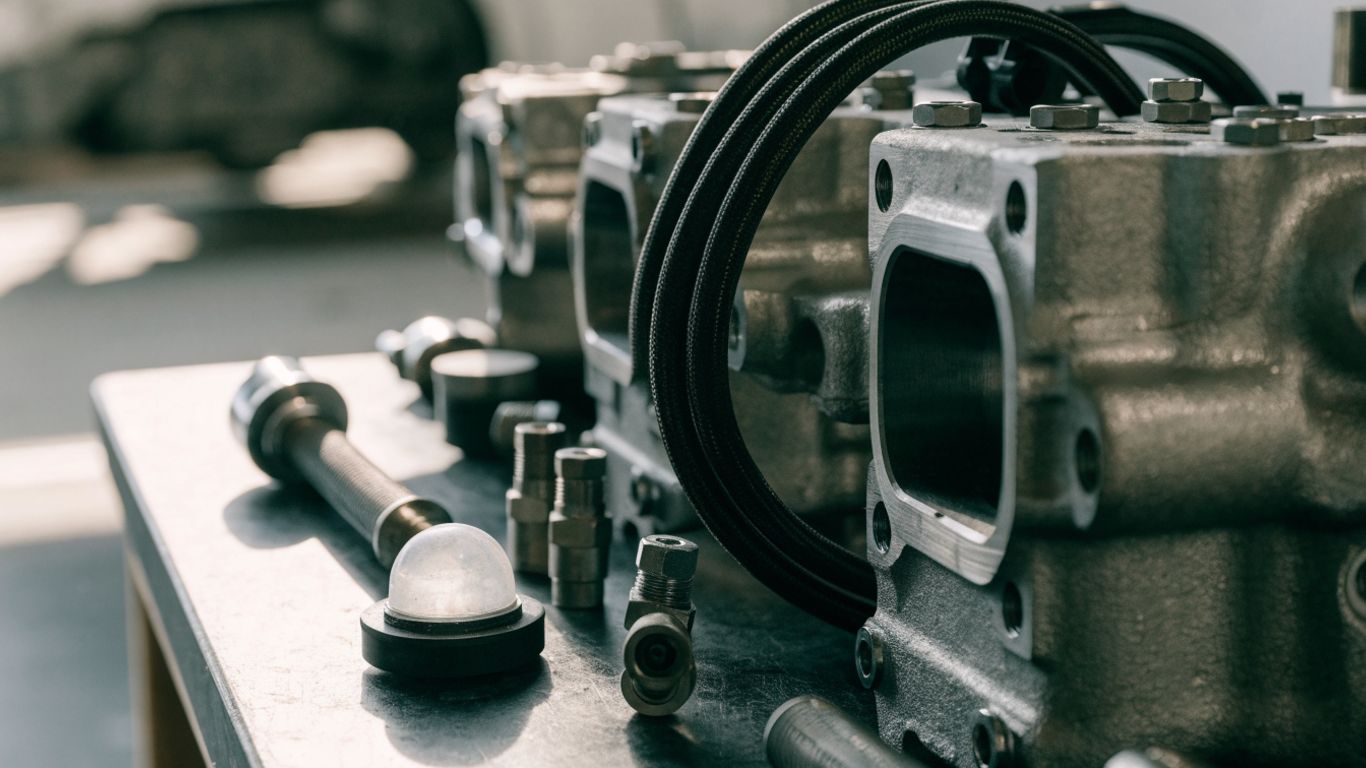
Ask what the part is, who made it, and whether the supplier can confirm its intended application. An OEM option may suit a repair where matching the original specification is a priority; an aftermarket alternative may be worth considering when its fitment and warranty are clearly documented. Check the details for the exact component, since the label alone does not settle whether it is right for your vehicle.
Consider used or reconditioned components
A used part may cost less upfront, but its age, wear, and history matter. Ask how the component was checked, whether any testing information is available, and what is included in the sale. For a reconditioned item, find out what work was done and whether the supplied part includes any replaced seals or other small components.
Weigh price against warranty and expected lifespan
A low purchase price can be misleading if the part is difficult to install or has limited coverage. Compare the options using the details that affect the whole repair, not just the initial quote.
| Option | What to clarify | Cost question |
|---|---|---|
| OEM | Confirm application and warranty terms | What is included in the quoted price? |
| Aftermarket | Check manufacturer, fitment, and coverage | Are related items sold separately? |
| Used | Ask about condition, testing, and returns | Is the lower price worth the unknown service life? |
| Reconditioned | Confirm the work completed and parts replaced | Does the quote include a warranty? |
Use those answers to compare like with like. If the supplier cannot explain the condition or coverage, treat the uncertainty as part of the decision rather than overlooking it.
Confirm compatibility before you buy
Compatibility is more than a match between a part name and a model badge. Engine variants, production changes, and component revisions can affect whether a part fits and connects correctly. Before paying, ask the supplier to verify the specific item against your vehicle details and confirm the return process if the match is wrong.
Match parts to the VIN and engine variant
Provide the VIN when requesting a fitment check, along with the engine code and model year if known. Ask the supplier to confirm the match for the exact component being sold, especially if the vehicle’s history includes a replacement engine. Keep a written record of the information used to verify compatibility in case a question comes up later.
Check revisions, connectors, and fitment notes
Even a part listed for the right model may have a revision or connector difference. Compare the old component with the proposed replacement where practical, including mounting points, plugs, and any visible identifying numbers. Ask whether the listing has fitment notes or exclusions, then resolve any uncertainty before the order is dispatched.
Verify return terms for incorrectly ordered parts
Read the return policy before buying and ask how the supplier handles an item that does not fit despite a compatibility check. Confirm any time limits, condition requirements, and whether return freight or restocking costs apply. Clear terms help you understand your options without assuming that every seller handles an incorrect order the same way.
Find BMW engine parts suppliers in Geelong
A local supplier may make it easier to discuss a part and coordinate collection or delivery, while a wider parts network may help when an item is not on hand. Compare sellers on the support they can provide for your vehicle as well as the quoted price. A short, specific enquiry is often more useful than asking only whether a part is available.
Compare local parts specialists and wreckers
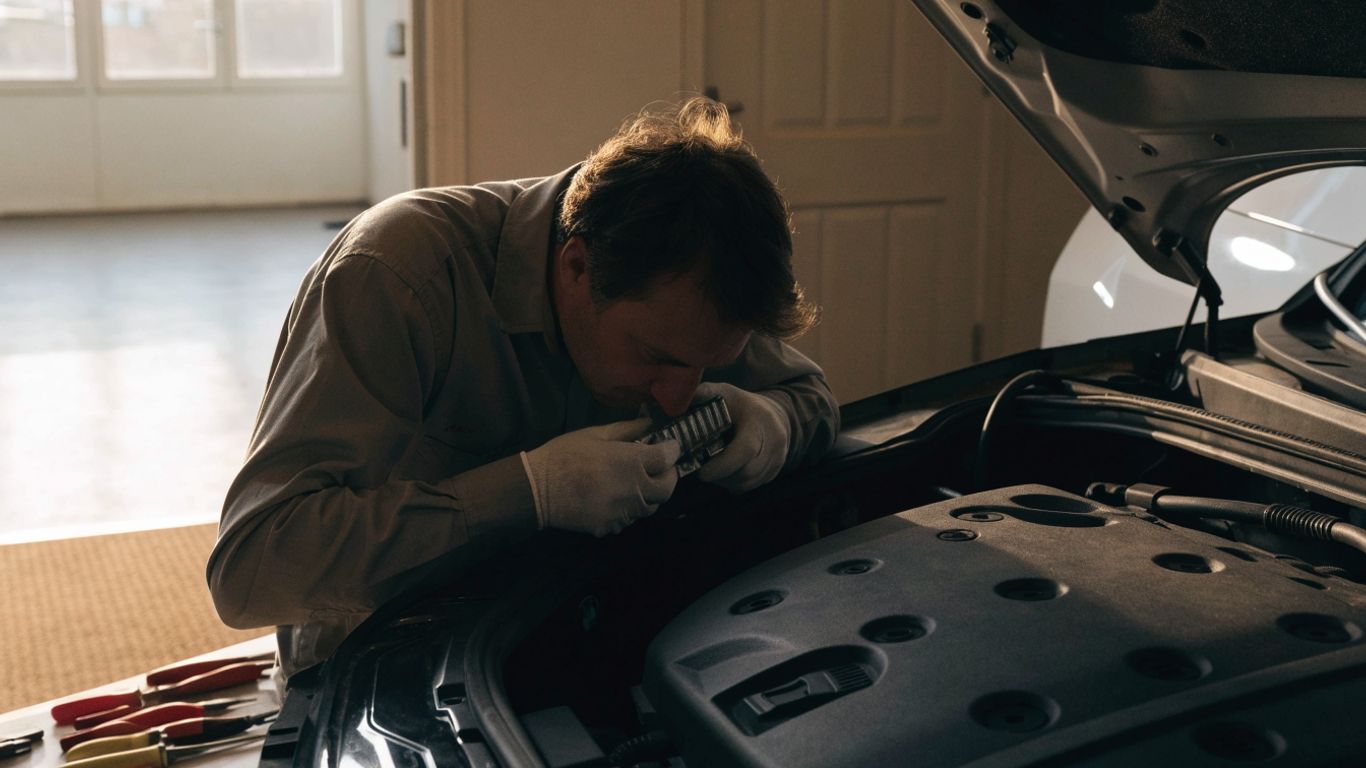
Parts specialists and wreckers may offer different kinds of stock and information, so ask what is available for your particular repair. Find out whether the component is new, used, or reconditioned, and ask what checks have been completed. The best comparison is based on the actual part, its condition, and the support attached to it—not the category of seller alone.
Ask about stock, sourcing time, and delivery
Confirm whether the part is physically in stock or needs to be sourced, and request a realistic timeframe before planning the repair. Ask how it will be delivered to your mechanic or address and whether collection is possible. These details matter if the vehicle is already off the road or the repair appointment is booked.
Check whether the supplier supports your BMW model
Tell the supplier the model, year, engine variant, and part required, then ask what information they need to confirm the match. A seller that can explain what details are still missing may help you avoid a guess-based order. As a practical rule, pause if fitment is uncertain rather than relying on a broad listing description.
A part is only a useful bargain when it suits the vehicle and the repair.
Use that principle when weighing an attractive price against unclear fitment or condition. If a supplier cannot answer key questions, compare another verified option before committing.
Evaluate a part’s condition and value
Price matters, but it is only one part of the decision. Consider what is known about the component, what the quote includes, and what protections apply if it fails or proves unsuitable. Taking a few minutes to compare those points can make the final cost easier to judge.
Inspect new, used, or reconditioned components
For a used part, ask about visible wear, damage, storage, and any available testing or history. For a new component, verify its packaging and part identification; for a reconditioned one, ask what was inspected or replaced. When possible, review photos of the actual item rather than relying only on a generic product image.
Compare quotes with installation costs
Ask whether the quoted price covers only the part or also any required related items, delivery, or other charges. A mechanic can help estimate the labor involved and whether replacing nearby seals or components during the same repair is sensible. Compare each option using the total repair cost, while keeping separate any work that has not yet been diagnosed.
Review warranty coverage and return conditions
Check how long the warranty lasts, what it covers, and whether installation must meet any conditions. Also review the return policy for an unused part that turns out to be incorrect. Keep the quote and policy details with your purchase records so you can refer to the terms later.
Plan installation and follow-up checks
A suitable part still needs to be installed correctly and checked after the repair. Before booking work, confirm what the part includes and whether the repair involves any related items or fluids. Planning these details with the supplier and installer can reduce avoidable delays.
Decide whether the repair needs a BMW specialist
Consider the complexity of the job, the tools it may require, and your own experience before choosing a DIY repair or a workshop. If the diagnosis is uncertain or the task involves systems you are not comfortable working on, ask a qualified mechanic to assess it. Confirm the installer is willing to fit the component you plan to purchase before placing the order.
Confirm any required seals, fluids, or related parts
Ask the mechanic or supplier whether the repair needs seals, fluids, fasteners, or other associated components. Verify what is already included with the main part, since small items may be sold separately. Having the complete parts list in advance helps you avoid stopping midway through the job for something unexpected.
Keep records of the part and repair work
Save the invoice, part number, compatibility notes, warranty information, and details of the repair. Ask the installer to record any relevant checks after fitting and note whether the original fault has been resolved. These records can make future maintenance or follow-up conversations more straightforward.
Conclusion
Choosing the right BMW engine component in Geelong is a matter of careful identification, confirmed fitment, and a realistic comparison of condition and total repair cost. Gather the vehicle details, ask clear questions, and check the supplier’s terms before ordering. A little diligence up front can make the repair process more predictable.