

Key Takeaways
A methodical diagnosis and an exact parts match can help keep suspension repairs focused. Use the points below to prepare for a conversation with a parts supplier or workshop.
- Springs, dampers, arms, bushings, and links each play a different part in ride and handling.
- Clunks, uneven tire wear, leaks, and changes in steering can warrant an inspection.
- Check your BMW’s model, year, trim, and equipment before ordering replacement parts.
- Decide on repairs after identifying the cause and assessing related components.
- Ask about parts sourcing, warranty terms, pricing, and alignment after suspension work.
How BMW suspension systems work
A suspension system connects the vehicle to its wheels while helping manage bumps, cornering forces, and changes in road surface. Its components work together, so a symptom that seems to point to one part may have another cause. Understanding the basics can make it easier to describe what you’re noticing and ask useful questions. The exact setup depends on the vehicle’s model and equipment.
The role of springs, shocks, and struts
Springs support the vehicle’s weight and compress over bumps, then return toward their normal position. Shocks, also called dampers, control that spring movement so the vehicle does not continue bouncing after each road irregularity. Some suspension arrangements use struts, which combine a damper with a structural role in the suspension assembly. If a ride feels unsettled, a technician can inspect how these parts are working together rather than assuming one component is at fault.
How control arms and bushings support handling
Control arms help locate the wheel relative to the vehicle as the suspension moves. Bushings sit at connection points and allow controlled movement while reducing vibration and noise. Wear or damage can affect how the wheel tracks, and may contribute to looseness, noise, or changes in steering feel. Because several joints and bushings may be involved, a careful inspection helps distinguish a worn part from a symptom caused elsewhere.
What sway bars and links do
A sway bar connects suspension components across the vehicle and helps limit body roll when cornering. Links connect the bar to the suspension, allowing it to respond as the wheels move. Worn or loose links can produce rattling or knocking over bumps, though similar sounds can come from other parts. The sound is a clue to investigate, not a diagnosis on its own.
How suspension design varies by BMW model
Suspension layout and component specifications can differ by BMW model, year, trim, and installed options. That means a part that looks similar may not be the correct fit for another vehicle. Before deciding what to replace, confirm the vehicle details and have the relevant components checked. Matching the repair to the exact configuration helps avoid ordering parts based on appearance alone.
Signs your BMW suspension parts may need attention
Suspension wear can show up gradually, and the first change may be subtle: a new noise, a less settled ride, or steering that feels different. None of these signs confirms a specific failed component, since tires, wheels, steering parts, and other items can create similar symptoms. Keep track of when the change happens and whether it is getting worse. That detail can help a workshop narrow down what to inspect.

Clunks, rattles, or knocking over bumps
A clunk or rattle over uneven pavement may come from a loose or worn suspension connection, but the location and conditions matter. Note whether it happens at low speed, when turning, or when one wheel crosses a bump. A brief description is more useful than trying to identify the part yourself. Ask for an inspection if the sound is repeated, growing louder, or accompanied by a change in how the car handles.
Uneven tire wear or changes in steering
Tire wear that differs across a tread or between tires can have several causes, including alignment, inflation, or worn components. A steering wheel that pulls, feels loose, or no longer returns as expected is also worth checking. These signs do not establish that a suspension part needs replacement; they point to the need to assess the whole relevant system. Addressing tire pressure and alignment concerns alongside a mechanical inspection can help clarify the source.
Excessive bouncing, leaning, or a harsh ride
A vehicle that keeps bouncing after a bump, leans more than usual in a turn, or suddenly feels harsh may have a suspension issue. Changes in load, tire condition, and road surface can affect ride quality, so compare the behavior with what is normal for your car. If the change persists on familiar roads, have the suspension checked rather than waiting for the symptom to become more pronounced. A workshop can evaluate the components and recommend next steps based on their condition.
Visible leaks or worn suspension components
Visible fluid around a damper or signs of damage near a suspension joint deserve attention, but appearance alone may not reveal the extent of the problem. Avoid reaching under a vehicle that is not properly supported. A technician can safely inspect for leaks, looseness, damaged boots, and other wear, then explain which findings matter. Ask to see or have the condition described so you can understand why a repair is being recommended.
Choosing the right replacement parts
The right part is not simply the one that fits a general description or looks similar in a photograph. Start with the vehicle’s identifying details, then consider how the car is equipped and how you use it. A parts supplier or workshop can help confirm options, but the details should be checked before an order is placed. A little care at this stage can prevent delays and avoidable returns.
Match parts to your BMW’s model, year, and trim
Have the model, year, trim, and vehicle identification details available when asking about a component. Some BMWs have different suspension configurations within the same model range, so a broad model name may not be enough to identify the correct part. If the vehicle has optional or modified equipment, mention that too. The exact vehicle match matters more than a part’s general resemblance.
Compare genuine, OEM, and aftermarket options
Genuine, OEM, and aftermarket parts may differ in source, specification, availability, and price. Ask what each option is, what the quoted part is intended to fit, and what warranty terms apply. The business describes its car parts network as connecting customers with quality used, genuine, and aftermarket parts, and says it helps make finding the right part fast and affordable. Ask for the specific part details rather than treating the category label as proof of fit.
A simple comparison can keep the discussion focused on the questions that affect your choice:
| Option | Useful question | What to confirm |
|---|---|---|
| Genuine | Is this the specified genuine part for my vehicle? | Fitment and warranty terms |
| OEM | Who made the part, and what does the listing identify? | Exact application and condition |
| Aftermarket | What vehicle details does it fit? | Specification, fitment, and warranty |
| Used | What is its condition and source? | Compatibility and any stated coverage |
Compare the answers for the actual component you need, not just the general category. If a detail is unclear, ask the supplier to confirm it before you commit to the purchase.
Consider comfort, handling, and driving conditions
A replacement should suit the way you want the car to drive while remaining appropriate for its configuration. Consider whether your priority is a familiar ride, a particular handling feel, or a practical replacement for ordinary use. Local roads can vary, so describe the surfaces and driving conditions you encounter rather than selecting a part based on a vague promise of improved performance. A workshop can explain what a proposed option is designed to do and what trade-offs to expect.
Check compatibility before ordering
Confirm part numbers and vehicle application with the supplier or repairer before ordering, especially when a listing covers several model years or trims. The business describes its car parts network as helping customers find the right part across Melbourne, Sydney, Brisbane, and nationwide. For a Sunshine Coast order, confirm availability, delivery arrangements, fitment, and return terms directly. Keep the part description and any compatibility confirmation with your purchase records.
Deciding between repair and replacement
A sensible repair decision begins with evidence, not a guess based on a single noise or a general recommendation. Some components can be inspected, adjusted, or repaired, while others may need replacement because of their condition. The workshop should explain what it found and how that finding relates to the symptom. If the proposed work is unclear, ask what alternatives are reasonable and why.
Identify the cause before replacing components
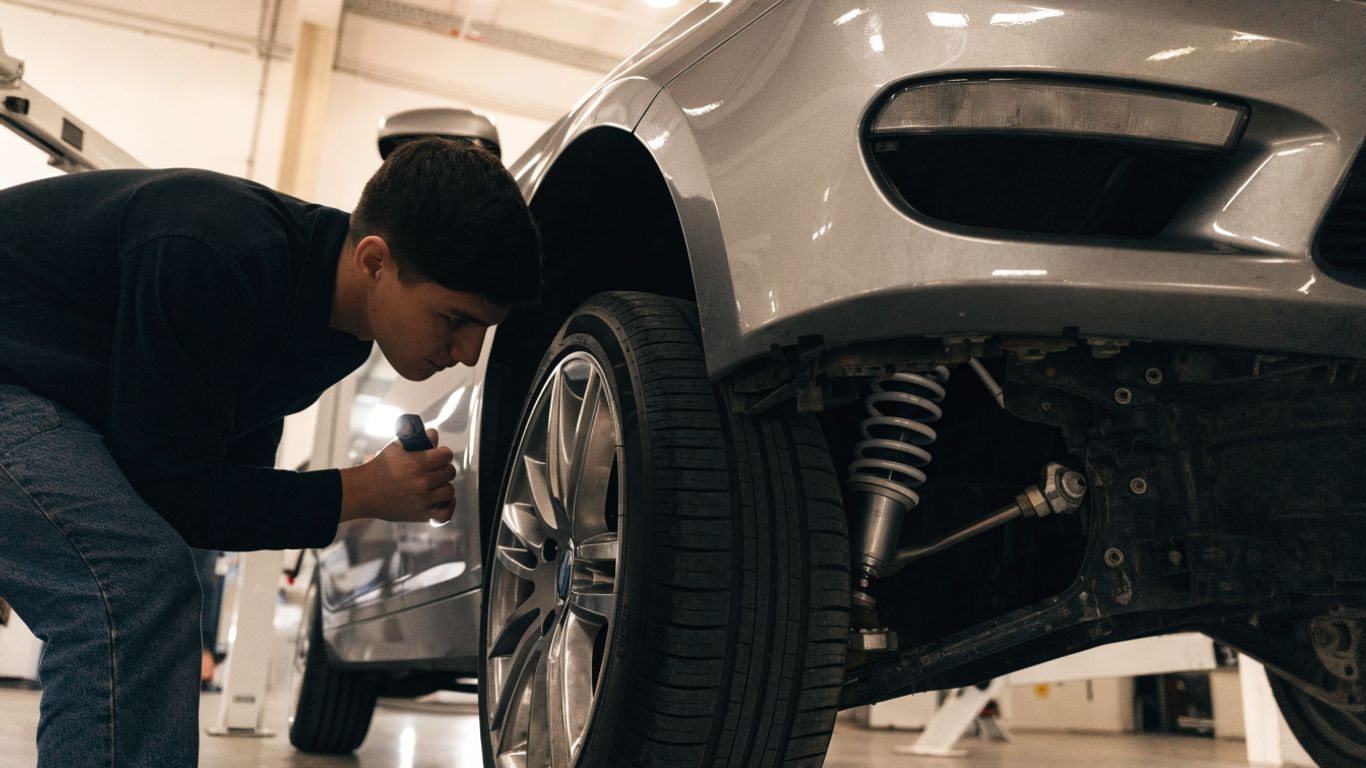
A symptom such as a knock, pull, or vibration can have more than one cause. Inspection may include checking the relevant suspension parts, steering connections, tires, and related items before a decision is made. Ask the workshop to distinguish confirmed wear or damage from a possibility that still needs testing. That explanation helps you judge whether the proposed repair directly addresses the problem you brought in.
Assess related parts for wear or damage
When one component has worn, nearby parts may also be affected or approaching the end of their useful service life. That does not mean every connected part should automatically be replaced. Ask which items were inspected, what condition they are in, and whether leaving any of them in place creates a clear concern. A written breakdown can help separate necessary work from optional recommendations.
Weigh the value of replacing components in pairs
For some repairs, replacing corresponding components as a pair may help keep performance consistent from side to side. Whether that makes sense depends on the parts, their condition, the vehicle, and the repairer’s findings. Ask what the additional work would cost and what benefit it is expected to provide. A clear explanation should connect the recommendation to the condition of both components rather than relying on a blanket rule.
Ask about alignment after suspension work
Some suspension repairs can affect wheel alignment, while others may not require the same follow-up. Ask whether alignment should be checked after the specific work being done and whether it is included in the quote. If the steering wheel is off-center or the car pulls after the repair, contact the workshop to discuss it. Confirming the plan beforehand helps avoid uncertainty when you collect the vehicle.
Finding BMW suspension parts and service on the Sunshine Coast
A useful local search is about more than finding a workshop or a listing for a part. You want clear information about diagnosis, fitment, price, and what happens if the part is not right. Contact the workshop or supplier with your vehicle details and describe the symptoms without deciding on the cause in advance. That gives them a better starting point for discussing inspection and parts options.
Confirm the workshop’s experience with BMW vehicles
Ask whether the workshop regularly works on BMW vehicles and how it will verify the suspension issue. You can also ask what the inspection covers and how the findings will be explained before work begins. Clear answers help you understand the process without relying on broad claims about experience. If a specialist scan or particular procedure is proposed, ask what it is intended to establish.
Ask how parts are sourced and warrantied
Before approving a part, ask whether it is genuine, OEM, aftermarket, or used, and request its application details. Clarify what warranty applies to the part and whether labor is treated separately. The business describes its car parts network as connecting customers with quality used, genuine, and aftermarket parts; ask how a particular option can be sourced and verified for your vehicle. Specific terms matter more than a general assurance.
Get a clear quote for parts and labor
A written quote should identify the parts, labor, and any additional work that may be needed. Ask whether inspection, alignment, taxes, or other charges are included, and how the workshop will handle approval if it finds further issues. This is also a good time to ask about estimated timing and any parts-order delays. With the details in writing, you can compare the proposed work with your priorities.
Consider access to local parts and repair support
For Sunshine Coast drivers, check where the part will ship from, the likely delivery timing, and who can answer fitment questions if something is unclear. The business says it connects customers with parts across Melbourne, Sydney, Brisbane, and nationwide, but you should confirm availability and delivery for your specific order. If a workshop is doing the installation, coordinate the parts decision with them before purchase. That way, the supplier’s fitment information and the repairer’s plan can be considered together.
Maintaining your BMW’s suspension after repairs
After repairs, pay attention to how the car behaves rather than expecting every road surface to feel identical. Keep the invoice and parts details so you know what was installed and when. A follow-up inspection may be appropriate if the workshop recommends it or if symptoms return. Routine attention to tires and changing ride behavior can help you spot a new concern sooner.
Schedule routine inspections
Ask the workshop when the repaired area should next be inspected, particularly if the original repair involved several worn components. Regular service visits are an opportunity to check for new play, damage, or leaks, though the interval depends on the vehicle and how it is used. Keep a note of prior work and any advice given. That history can make later inspections more useful.
Check tire pressure and alignment
Use the tire pressure specified for your vehicle and check it regularly, since pressure can influence ride feel and tire wear. If alignment was checked or adjusted during the repair, keep the record and watch for changes in steering or tread wear. A pull or uneven wear pattern can have several causes, so have it assessed rather than trying to correct it by changing pressures. Consistent checks help separate routine tire issues from possible suspension concerns.
Pay attention to changes in ride and handling
Notice whether new sounds, bouncing, steering changes, or uneven tire wear appear after the repair. A short note about when the symptom occurs—such as over a particular bump or while turning—can make a follow-up conversation more precise. Contact the workshop if a symptom returns or worsens. A prompt check is preferable to assuming that a new noise is normal.
Adjust maintenance to local road conditions
Frequent rough surfaces, potholes, and heavily loaded driving can place different demands on tires and suspension than smoother everyday routes. If your regular roads have changed, mention that during inspections and ask whether it affects the timing of checks. There is no single maintenance schedule that suits every driver and vehicle. The practical approach is to follow the vehicle’s service guidance and respond to changes you actually notice.
Conclusion
Choosing BMW suspension parts is a matter of matching the component to the vehicle, understanding the reason for the repair, and checking the terms before buying. On the Sunshine Coast, a careful conversation with a workshop or parts supplier can help connect the symptoms, inspection findings, and replacement options. Keep the records, ask direct questions, and follow up if the car’s ride or handling changes after the work.