

Key Takeaways
A charging warning can point to an alternator, battery, wiring, or belt issue, so testing matters before parts are replaced. Knowing what to ask a workshop can help you compare estimates and avoid surprises.
- A battery warning light or dimming electrical accessories deserves attention, but does not confirm alternator failure by itself.
- A proper diagnosis checks the battery, charging output, wiring, belt, and electrical connections.
- BMW model, engine, part choice, and labour all affect replacement costs.
- Ask for a written estimate that explains the part, labour, diagnostics, warranty, and any additional repairs.
- After installation, the charging system should be tested and recurring faults investigated.
Signs your BMW alternator may need replacement
Charging problems can develop gradually or appear as a warning light and a sudden change in how your car behaves. The alternator supplies electrical power while the engine runs and helps keep the battery charged, but it is only one part of the charging system. Pay attention to patterns, and arrange a diagnosis rather than treating any single symptom as proof that a part has failed.
Dashboard battery warning and electrical glitches
A battery-shaped warning light while driving can indicate a problem with the charging system. You may also notice electrical features behaving inconsistently, such as the dashboard or other accessories flickering or working intermittently. The light is a reason to investigate, not a diagnosis: the battery, alternator, wiring, or connections could be involved.
If the warning appears, avoid assuming that replacing the battery will solve it. Note when the light comes on and whether other electrical symptoms occur at the same time. That information can help a technician reproduce the issue and test the system more efficiently.
Dimming lights, slow accessories, or starting trouble
Headlights that grow dim, windows that move slowly, or accessories that seem weaker than usual may point to low or unstable electrical supply. Starting trouble can also occur when the battery is not being adequately charged, although a worn battery can produce similar symptoms. A burning smell, unusual noise, or sudden loss of electrical function calls for prompt professional attention.
Look for changes that happen together or worsen as you drive. A pattern is more useful than one symptom: for example, dimming lights alongside a charging warning gives a workshop more context than a single slow window. If the car is difficult to start or electrical functions are failing, do not rely on repeated attempts to keep going.
How alternator symptoms differ from battery problems
A weak battery and a faulty alternator can both leave you with a car that struggles to start, so the symptoms overlap. A battery that has reached the end of its life may fail to hold charge, while an alternator or its connections may fail to replenish the battery during operation. A short trip, an electrical drain, or a loose connection can complicate the picture further.
The distinction comes from testing rather than guesswork. A workshop can assess battery condition and charging-system performance together, then check whether wiring, a belt, or another fault is affecting the results. Replacing one part without checking the rest can leave the original problem unresolved.
How a BMW alternator is diagnosed
A useful diagnosis looks at the whole charging circuit rather than treating a dashboard light as a verdict. The technician will gather information about the symptoms, inspect relevant components, and use tests to see whether the battery is receiving appropriate charge. The aim is to identify the cause before you approve a replacement.

Battery and charging-system tests
The battery and alternator need to be considered together. A technician may check the battery’s condition and measure charging-system output under appropriate conditions, then compare the results with the vehicle’s specifications. If symptoms are intermittent, reproducing the conditions in which they occur can help; one normal reading may not tell the full story.
Ask what was tested and what the results showed. A clear explanation should connect the evidence to the proposed repair, including whether the battery is serviceable and whether the charging system is performing as expected. If a fault appears only occasionally, ask how the workshop plans to investigate it rather than replacing parts on speculation.
Checking belts, wiring, and electrical connections
A slipping or worn belt can affect alternator operation, while damaged wiring, corrosion, or a loose connection can interrupt charging. Those issues can resemble an alternator fault and may need attention even if the alternator itself is sound. A visual inspection also helps identify related wear that could affect the repair.
The diagnosis should account for the condition of the drive belt and the connections around the charging system. If the technician finds an issue outside the alternator, ask whether it explains the symptoms and what repair is recommended. This is one reason a charging warning should not automatically lead to an alternator replacement.
Why fault codes alone may not confirm alternator failure
A stored fault code can help narrow down where to investigate, but it does not always identify the failed part. Codes may indicate a voltage or charging concern without explaining whether the cause is the alternator, battery, wiring, belt, or a poor connection. The code is a clue to be interpreted alongside tests and inspection.
You can ask the workshop to explain how the code relates to the measured results. A diagnosis supported by several checks is more useful than a parts recommendation based only on a scan. For background on confirming BMW component fitment before buying parts, see this BMW engine parts guide; an alternator still needs its own correct identification and testing.
What affects BMW alternator replacement costs in Brisbane
There is no single price that applies to every BMW, because model, engine, part specification, access, and repair scope can differ. A useful estimate separates the part from labour and diagnosis, and makes clear what is included. When comparing BMW alternator replacement Brisbane quotes, check that each estimate describes the same work and type of part.
BMW model, engine, and alternator specifications
The correct alternator depends on the vehicle’s exact configuration, not just the BMW badge or model family. Production year, engine, equipment, and the installed part can all matter when confirming compatibility. A workshop may need your VIN or other vehicle details to identify the right replacement before quoting accurately.
Use a quote that identifies the part and the work rather than relying on a broad estimate for “a BMW.” The following cost components can help you compare estimates on a like-for-like basis:
| Cost component | What to check |
|---|---|
| Part | Type, specification, and fitment for your vehicle |
| Labour | Removal, installation, and any access-related work |
| Diagnosis | Tests or inspection included in the estimate |
| Related repairs | Belt, wiring, connection, or battery work if needed |
Read the figures as a package: a lower part price may not include the same checks or labour. Confirm any extra work with the workshop before it begins so you know what is covered by the agreed estimate.
New, remanufactured, and genuine parts
Replacement options can vary in source, condition, warranty, and price. Ask whether the quote is for a new, remanufactured, genuine, or other replacement unit, and how the workshop has confirmed it fits your BMW. A cheaper part is not automatically the right value if its origin, condition, or warranty is unclear.
Fitment information can help you ask better questions when sourcing components. For example, this guide to BMW parts online discusses using a VIN and part number to check compatibility and reviewing seller terms. The same careful approach is useful when comparing an alternator, but the specific part still needs to match your car.
Labour, diagnostics, and related repairs to consider
Labour depends on the vehicle’s layout and how accessible the alternator is. The estimate may also include diagnostic time, and inspection may reveal a worn belt, weak battery, or damaged connection that needs separate attention. Those items should be explained and priced clearly rather than appearing as an unexpected addition.
Before authorising the work, ask for a written breakdown of parts, labour, diagnosis, and any likely related repairs. If the cause has not been confirmed yet, a diagnostic charge may be separate from the replacement estimate. A personalised repair quote can help you understand how estimates are requested, but compare the stated inclusions carefully for your own vehicle.
What to expect during the replacement
Once testing confirms that the alternator needs replacement, the workshop should identify the correct unit and explain the proposed work. The exact steps and time can vary with the BMW’s configuration and access to the component. Ask what the job includes and whether any related faults will be checked before the repair is considered complete.
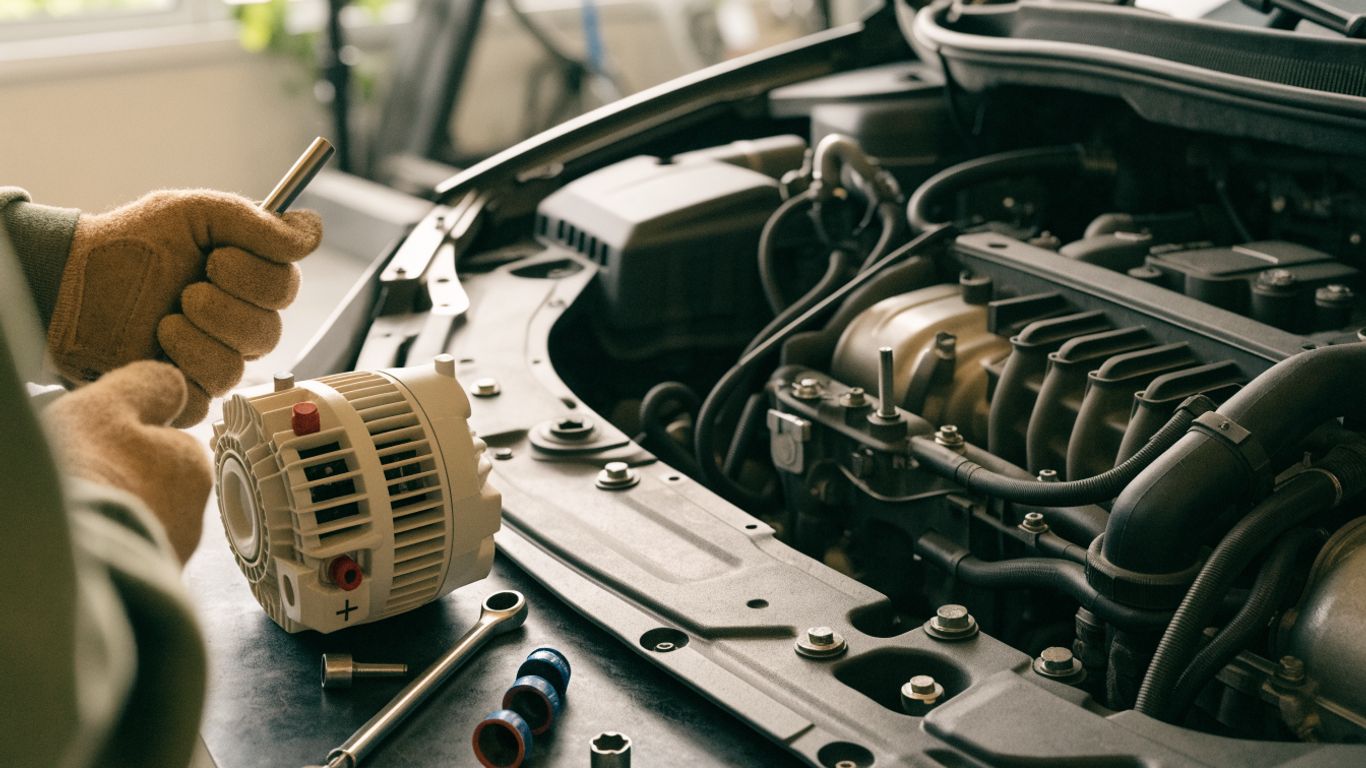
Confirming the correct part for your BMW
Before ordering or fitting a unit, the workshop should verify that it matches your vehicle’s specifications. Your VIN, model year, engine details, and existing part information may help confirm fitment. If more than one option is available, ask what differs between them and what warranty applies.
A good estimate names the proposed part clearly enough for you to understand what you are approving. If the part has to be sourced, clarify whether the booking depends on availability and how the workshop will handle a mismatch. Checking before installation is simpler than discovering a fitment issue after the old unit has been removed.
Removing and installing the alternator
The technician will access and remove the existing alternator, disconnecting the relevant electrical connections and drive belt as required by the vehicle’s design. The replacement is then installed and connected. The process can differ between models, so avoid assuming that a time estimate for one BMW applies to another.
Ask whether the quoted labour includes inspection of the belt and nearby connections. If the workshop finds an additional problem, it should explain the finding and seek your approval before expanding the job. That keeps the scope clear and gives you a chance to understand why the extra work is being recommended.
Testing the charging system after installation
Installation is not the final check. The workshop should verify that the charging system is operating appropriately after the replacement and review any warning lights or symptoms that prompted the visit. If the battery was low or another fault was present, ask whether that was also checked.
Before collecting the car, ask what the post-repair test showed and whether there are any follow-up recommendations. A clear handover should tell you what was replaced, what was tested, and what to watch for. If the original warning returns, contact the workshop promptly and describe when it happens.
Choosing a Brisbane workshop for your BMW
A suitable workshop should be willing to explain its diagnosis, the part it proposes, and the price before work begins. Experience with BMW electrical systems can help when fitment and access vary between models, but you should still expect a clear account of the evidence and repair scope. Compare the quality of the explanation as well as the headline price.
Experience with BMW electrical systems
Ask how the workshop will confirm the charging fault and whether it will check the battery, belt, wiring, and connections before recommending an alternator. The answer should describe a diagnostic process, not simply assume that a warning light means the alternator has failed. You can also ask whether the technician will verify the correct part against your vehicle details.
A workshop that explains its reasoning makes it easier to decide whether the recommended repair matches the symptoms. If you are considering mobile service, a mobile alternator diagnosis and quote is one example of the kind of process to ask about; confirm what testing is possible at your location and what may require workshop equipment.
Questions to ask about parts, warranty, and pricing
Before booking, get the key details in writing so you can compare offers without guessing. You might ask:
- What tests confirmed the alternator is the cause?
- Which part type and specification are included in the quote?
- Does the estimate include diagnosis, labour, and GST?
- What warranty applies to the part and the installation?
These questions help uncover differences between estimates and make exclusions easier to spot. If the workshop anticipates additional repairs, ask for the reason and price before approving them. A clear quote should leave you knowing what is included and what could change the total.
When mobile service is suitable—and when workshop diagnosis is better
Mobile service may be practical when the fault is already well understood and the required work can be completed safely at the vehicle’s location. If the cause is uncertain, symptoms are intermittent, or testing needs equipment and facilities not available on site, a workshop diagnosis may be more appropriate. Ask the provider what they can test before you decide.
The right option depends on the car’s condition and the certainty of the diagnosis, not convenience alone. If the vehicle is losing electrical function or will not start reliably, ask whether it should be driven or transported instead. Get a clear explanation of the available checks and any limits before authorising a mobile repair.
How to reduce the risk of future charging problems
You cannot prevent every electrical fault, but routine attention can help you notice trouble before it becomes a roadside problem. Keep up with battery and vehicle maintenance, and mention any change in starting or electrical behaviour when the car is serviced. A recurring warning deserves investigation rather than repeated resets.
Keep the battery and charging system in good condition
A battery in poor condition can put extra strain on the charging system and can make symptoms harder to interpret. Have battery condition checked when starting becomes sluggish or when a warning appears, and follow the vehicle’s maintenance guidance. If a battery is replaced, ask whether the charging system was tested as part of the diagnosis.
Small habits can also help you spot a change early. Notice whether the car starts differently after sitting, whether accessories behave inconsistently, and whether a warning appears during a drive. Sharing those details with a technician can make follow-up checks more focused.
Watch for belt wear and electrical warning signs
A belt and its connections are part of the charging system, so their condition matters as well as the alternator itself. Ask for visible wear or looseness to be checked during appropriate maintenance, and pay attention to new noises, dim lights, or a battery warning. If several signs appear together, arrange an inspection instead of waiting for the next service.
A brief record can help you explain intermittent symptoms: note when they occur, how long they last, and whether the engine has just started or has been running. That context does not replace testing, but it can help a workshop reproduce the issue and decide what to inspect first.
Address recurring faults before they cause a breakdown
If a warning returns after a repair, or a new symptom appears soon afterward, contact the workshop and describe what has changed. A recurring fault may point to an unresolved connection, battery, belt, or charging issue, and further testing may be needed. Do not assume that replacing an alternator means every part of the charging system is now fault-free.
When reading repair information online, check that it relates to the problem at hand. Pages about SEO services, Croydonchiro.com.au, Loop 340 Overhead Door, Attic Fanatics, and heat pumps cover unrelated subjects, not BMW charging faults. For a charging concern, focus on vehicle-specific test results and advice from a qualified technician.
Conclusion
A BMW alternator warning is a reason to investigate the charging system, not a guarantee that the alternator itself has failed. With testing, a clear parts and labour estimate, and a final charging check after the repair, you can make a more informed decision and reduce the chance of paying to replace the wrong component.
Frequently Asked Questions
Can you drive with the battery warning light on?
A battery warning while driving can indicate a charging problem, and the car may lose electrical function as the battery discharges. Arrange prompt professional advice, and ask whether it is safe to drive or should be transported.
Does a battery warning always mean the alternator has failed?
No. The battery, wiring, belt, electrical connections, or another charging-system fault may cause a warning. Testing is needed to identify the cause.
How long does alternator replacement take?
Time varies by vehicle layout, access, part availability, and whether related repairs are needed. Ask the workshop for an estimate based on your exact model and the confirmed job scope.
What information helps confirm the right alternator?
Your VIN, model year, engine details, and the existing part number can help a technician or supplier check fitment. Confirm the exact specification before ordering or installation.
Is a remanufactured alternator a suitable option?
It may be an option depending on availability, quality, fitment, and warranty. Ask how the unit was assessed and compare the full terms with other parts offered for your vehicle.
Should the battery be tested when replacing an alternator?
Yes, checking battery condition alongside charging-system performance can help identify whether a second issue is present. Ask what the test showed and whether the battery needs separate attention.
What should an alternator replacement quote include?
A clear estimate should identify the part, labour, diagnostic charges, applicable taxes, warranty, and any exclusions or likely related repairs. Confirm that additional work will be discussed with you before it is carried out.