

Key Takeaways
A good replacement starts with exact vehicle and gearbox details, then a careful check of condition and sale terms. Build the full cost into your decision, including delivery and installation.
- Match the gearbox to your BMW’s model, year, engine, drivetrain, and transmission type.
- Use the VIN, gearbox code, or part number to confirm fitment before buying.
- Ask about the donor vehicle, inspection or testing, and any visible damage or wear.
- Compare what is included and calculate the full cost, not just the advertised price.
- Get warranty, return, and installation requirements in writing before you commit.
Identify the gearbox your BMW needs
A BMW’s model badge alone may not identify the correct replacement gearbox. Variations in year, engine, drivetrain, and transmission can affect fitment, even among cars that look similar. Gather the details from your vehicle and existing gearbox before asking suppliers to check availability.
Match the gearbox to your model, year, and engine
Start with the model and production year, then confirm the engine variant and drivetrain. Include whether your BMW is rear-wheel drive or all-wheel drive, since that information can narrow the options. If you’re unsure about a detail, check the vehicle documents or ask your repairer rather than relying on a general model description.
A short, accurate description gives a supplier a better starting point than a registration or model name alone. Keep the information together so you can use the same specifications when comparing options.
Check the transmission type and gearbox code
Confirm whether the car has a manual or automatic transmission, and look for the code or part number on the existing unit if it’s accessible. These identifiers help separate gearboxes that may otherwise appear interchangeable. For a quick comparison, note the main details you’ve confirmed:
| Detail to confirm | Where to check | Why it matters |
|---|---|---|
| Transmission type | Vehicle records or existing gearbox | Separates manual and automatic units |
| Gearbox code | Identification label or service records | Helps distinguish similar transmissions |
| Part number | Existing gearbox or parts lookup | Supports a more precise fitment check |
| Drivetrain | Vehicle documents or repairer | Helps identify the correct configuration |
Use the table as a prompt, not as a substitute for supplier confirmation. If you can’t read the label safely, ask a repairer to identify it rather than guessing from appearance.
Confirm fitment with your VIN or existing gearbox number
Share your VIN and, where possible, the existing gearbox number with the supplier before arranging payment. Ask them to confirm compatibility against those details, not just the model name. A written fitment confirmation gives you a clear reference if questions come up before delivery or installation.
For broader parts-identification advice, you can also review this BMW engine fitment guide; gearbox fitment still needs to be checked against your own vehicle and transmission details. Take time to verify the match before moving on to price or condition.
Assess the gearbox’s condition and history
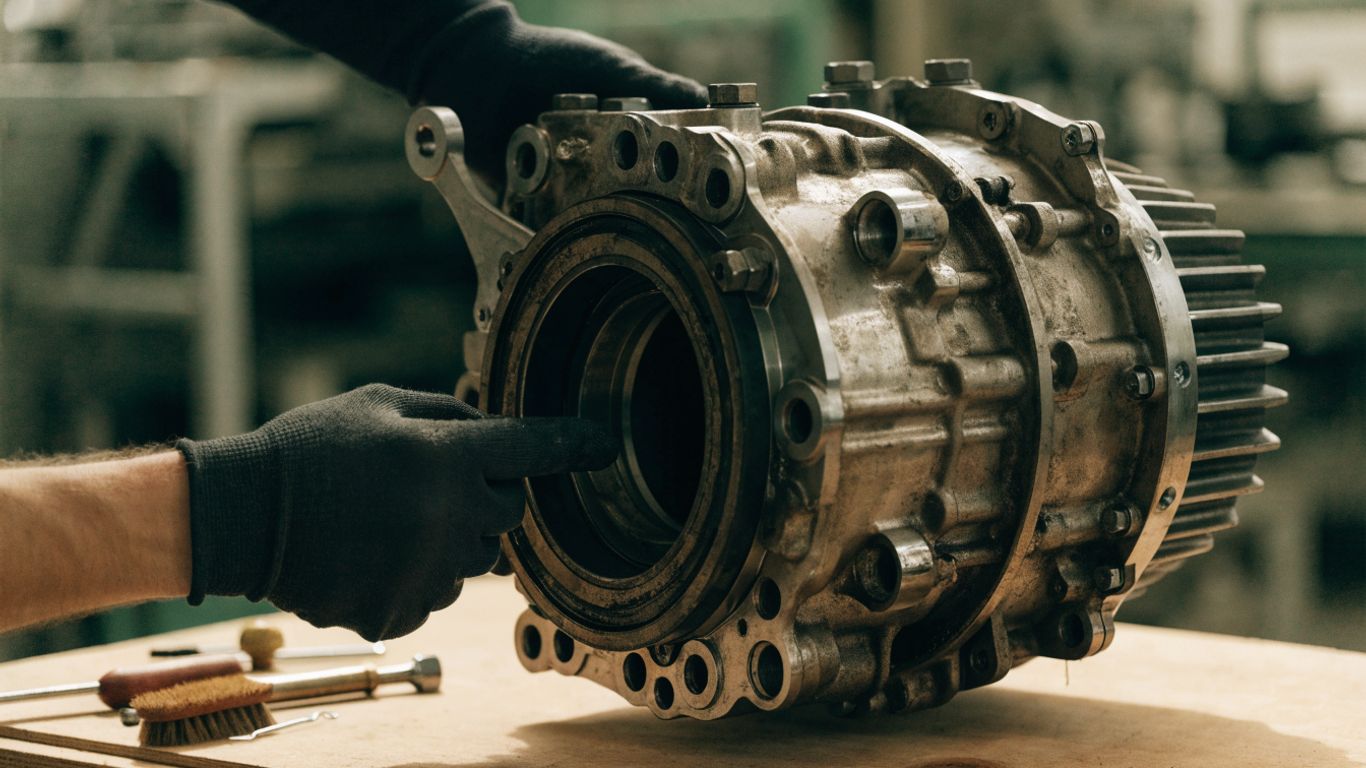
A used gearbox can look sound from the outside and still have a history worth checking. Ask what is known about its donor vehicle, how its condition was assessed, and what evidence the supplier can provide. The more clearly you understand what has been checked, the easier it is to weigh the risks against the price.
Review the donor vehicle’s mileage and service records
Ask for the donor vehicle’s year, model, engine, and reported mileage, along with any available service or dismantling records. Mileage is useful context, but it cannot tell you by itself how the gearbox was driven or maintained. Treat missing records as an unknown rather than assuming the unit has had a particular service history.
Just BMW states that parts are inspected and tested before sale, and that parts not meeting its standards are not sold. Ask the supplier what inspection or test information is available for the specific gearbox you’re considering.
Look for signs of leaks, damage, or excessive wear
If you can inspect the gearbox, look for cracks, impact damage, corrosion, and oil around the casing or seals. Ask whether any removed components or connectors are damaged, and whether the unit has been stored in a way that protects it from dirt and moisture. A clean exterior is not proof of internal condition, so use the inspection as one part of the decision.
Take clear photos of concerns and ask the supplier to explain them before you buy. If something is unclear, get a qualified repairer’s view rather than treating a visual check as a complete diagnosis.
Ask how the gearbox was tested before sale
Ask what checks were performed, when they were done, and what the results showed. A gearbox removed from a donor vehicle may not have been tested in the same way as one assessed on a bench, so clarify what the supplier means by “tested.” You can also read this guide to used BMW gearboxes for a broader set of questions to consider when comparing used units.
Keep the answer specific to the gearbox in front of you. A clear description of the checks and any limits on what could be tested helps you make a more informed choice.
Compare Adelaide suppliers and parts options
When you’re comparing Adelaide suppliers, look beyond whether a gearbox appears to be in stock. Ask how the supplier identifies BMW parts, what information they need to confirm fitment, and how they handle questions about condition. Good communication before purchase can prevent avoidable confusion later.
Check the supplier’s BMW transmission experience
Ask whether the supplier regularly handles BMW parts and what details they need to identify a transmission correctly. Notice whether they request the VIN, gearbox code, and vehicle specifications, or offer a firm answer based only on a broad model description. Just BMW specializes in BMW genuine, used, and aftermarket parts, and its team provides professional advice and customer service.
Search results can also surface unrelated buying guides, which won’t establish gearbox compatibility. For example, pages about accredited trade schools, steel building kits, Chef Sakshi Ahluwalia, social media marketing automation, and goalkeeper gloves are outside this decision; focus your checks on the car and the part.
Compare local wreckers, specialist dismantlers, and online listings
Different sellers may have different information available, so compare the detail behind each offer rather than assuming all used gearboxes are alike. Check whether the listing identifies the donor vehicle, gearbox code, condition, and what is included. If you’re considering an online purchase, confirm that the seller can check fitment using your vehicle details before taking payment.
Keep your comparison to a few clear questions: what is the unit, what is known about it, and what are the sale terms? That approach makes the differences between listings easier to see without relying on a low headline price.
Confirm what components are included with the gearbox
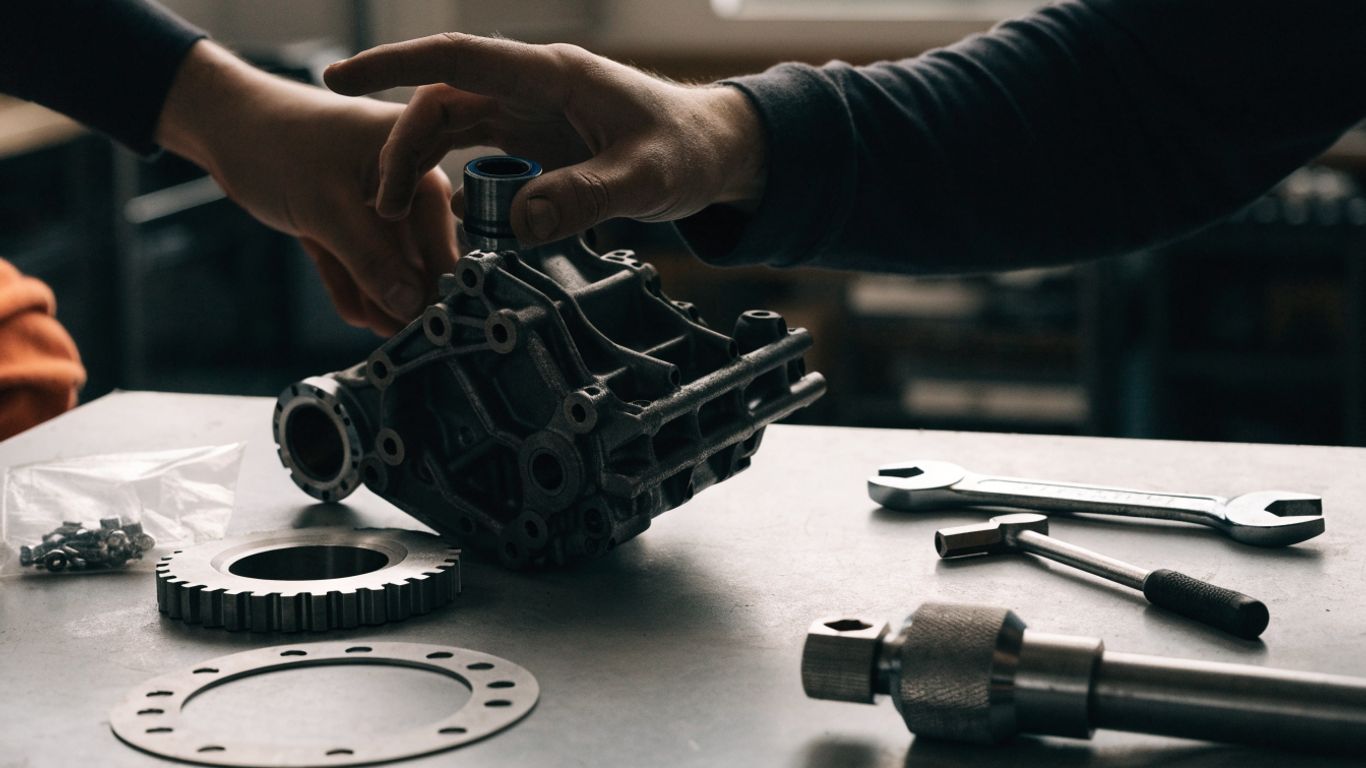
A gearbox listing may refer to the transmission alone or include additional parts, so ask for an itemized description. Before you compare offers, check whether the seller includes any related components or whether they need to be sourced separately.
- Ask whether the gearbox is supplied on its own or with attached components.
- Confirm whether any sensors, brackets, or connectors shown in photos are included.
- Check whether fluids, seals, or other installation items are excluded.
- Request photos of the exact unit and included components.
Use the answers to compare like with like. If an item is important for your repair, have the supplier list it on the quote or sale record rather than relying on an assumption.
Understand the total cost before buying
The advertised price is only one part of the decision. Include delivery, installation, fluids, and any related parts your repairer recommends, then compare that total with other repair options. A little cost planning can help you avoid choosing a gearbox that seems affordable but leaves important expenses unaccounted for.
Compare the price with a rebuilt or refurbished gearbox
Ask what the seller means by used, rebuilt, or refurbished, and what work has actually been completed. Those labels can describe different levels of work, so request a clear scope and any available documentation before comparing prices. Make sure you’re comparing units with similar fitment, included components, and sale terms.
Just BMW describes its pricing as transparent, with no hidden fees. For any supplier, ask for a written quote that makes the price and any additional charges clear before you decide.
Budget for fitting, fluids, and related parts
Ask a workshop for an estimate that covers the gearbox installation and any associated work it recommends. Depending on the vehicle and repair, additional items or fluids may be needed; have the workshop specify them rather than assuming they are included in the gearbox price. This gives you a more realistic comparison between a used unit and other repair choices.
Once you have the estimates, compare the full amounts and note what each one covers. A cheaper gearbox may not be the lower-cost option if delivery, required parts, or installation costs differ substantially.
Ask about delivery, returns, and restocking fees
Before paying, confirm the delivery location, expected timing, and who is responsible if the gearbox arrives damaged. Ask whether a return is allowed if the part is incorrect or unsuitable, and whether any restocking or freight charges apply. Put the answers alongside the quote so you can weigh them with the purchase price.
Check warranty and return terms
Warranty and return policies can vary by supplier and by part, so read the terms for the specific gearbox. Ask what faults are covered, how long the coverage lasts, and what steps you must follow if a problem appears. Clear terms are easier to rely on than a verbal assurance made during a quick conversation.
Confirm the warranty period and covered faults
Ask when the warranty begins, how long it lasts, and which faults are covered or excluded. Clarify whether the policy covers the gearbox itself only or also addresses any other costs; don’t assume labor or related parts are included. If the warranty uses defined terms, ask the supplier to explain them before you buy.
Keep the answer tied to the exact unit and sale. A general statement that a gearbox “has a warranty” isn’t enough to understand the protection being offered.
Understand any conditions for professional installation
Check whether the policy requires installation by a qualified workshop or a specific type of repairer. Ask whether the installer must follow particular procedures or keep records, and what proof you’ll need if a claim is made. Confirm these requirements before booking the work so you can plan accordingly.
If your chosen workshop has questions about the conditions, ask the supplier to clarify them in advance. This can help avoid a dispute over whether the installation met the stated terms.
Get the warranty and return policy in writing
Request the warranty and return conditions with your invoice or quote, including deadlines and any required approval before returning the part. Keep a copy of messages that confirm fitment and describe the gearbox’s condition. Those records make it easier to refer back to what was agreed if an issue arises.
Plan for installation and post-fit checks
A correct gearbox still needs to be installed carefully and checked once the work is complete. Arrange the job with a workshop that understands BMW transmissions and can confirm the replacement is suitable before fitting. Allow time for the workshop to follow the vehicle-specific procedures and assess the result.
Choose a workshop familiar with BMW transmissions
Ask the workshop whether it has experience with your BMW’s transmission type and what information it needs before the job begins. Share the gearbox details and any supplier fitment confirmation. If the workshop spots a mismatch before installation, pause and resolve it rather than proceeding on a guess.
Agree on the expected work and costs before the repair starts. Clear communication between you, the workshop, and the supplier can make it easier to address questions promptly.
Replace recommended seals, fluids, or related components
Ask the installer which seals, fluids, and related items should be replaced during the job. Recommendations depend on the vehicle and the condition of the parts, so let the workshop explain what is needed and why. Confirm which items are included in the estimate and which will add to the bill.
Discuss any concerns before installation is complete, while the work is still accessible. Keep records of the parts and fluids used for future reference.
Test shifting and check for leaks after installation
After fitting, ask the workshop to check that the gearbox shifts as expected and inspect for leaks. Follow any advice they give about initial driving or a return inspection, and report unusual noises, warning lights, or shifting changes promptly. A careful post-fit check gives you a chance to address concerns early.
Keep the invoice, warranty paperwork, and installation notes together. These records can help if you need to discuss a repair or return later.
Conclusion
Finding the right second hand BMW gearbox in Adelaide comes down to matching the unit carefully, understanding its condition, and checking the full cost and sale terms before you commit. Take your time with the VIN and gearbox details, ask clear questions, and involve a BMW-experienced workshop so the replacement is checked before and after installation.
Frequently Asked Questions
What details do I need to find a replacement BMW gearbox?
Start with your BMW’s model, year, engine, drivetrain, and transmission type. A VIN, gearbox code, or part number can help the supplier confirm the match.
Can I choose a gearbox using only the model name?
It’s safer not to rely on the model name alone. Similar models can have different transmissions, so confirm the exact fitment using vehicle and gearbox identifiers.
What should I ask about a used gearbox’s history?
Ask for the donor vehicle details, reported mileage, available service records, and information about any checks performed before sale. Treat details that are unavailable as unknown.
How can I assess a gearbox before buying?
If inspection is possible, look for visible damage, corrosion, or signs of leaks, and ask what testing was completed. A visual inspection alone cannot confirm the gearbox’s internal condition.
What costs should I include in my budget?
Add delivery and installation to the gearbox price, and ask your repairer whether fluids, seals, or other related parts are needed. Compare quotes based on what each one includes.
What should a gearbox warranty tell me?
Check the coverage period, faults covered, exclusions, claim process, and any installation requirements. Get the terms in writing for the specific part you’re buying.
What should I check after installation?
Ask the workshop to check shifting and inspect for leaks. Follow its advice about initial driving and report unusual noises, warning lights, or changes in shifting promptly.