

Key Takeaways
A headlight fault can come from a bulb, wiring, moisture, or damage to the assembly, so a careful diagnosis matters before you choose a repair.
- Check whether the fault is consistent, intermittent, or affecting both headlights.
- Ask for a diagnosis before approving a full assembly replacement.
- Confirm that any replacement part matches your BMW’s year, trim, and lighting system.
- Compare estimates by parts, labor, testing, and warranty terms.
- Keep lenses clean and have beam aim checked after relevant repairs.
Common BMW headlight problems
If one of your BMW headlights looks different from the other, it is worth paying attention before night visibility suffers. A change can be as simple as a worn bulb, but flickering, persistent warning messages, or moisture may point to a fault that needs diagnosis. Note when the problem occurs and whether it affects one side or both; those details can help narrow down the next step.
Signs a headlight needs attention
A headlight that is noticeably dimmer, changes color, flickers, or fails to switch on deserves a closer look. You may also notice a cracked lens, a loose housing, or a beam that seems to point too high or low. A change in the light pattern can make it harder to see the road and may affect how well other drivers can see you, so do not wait for a complete failure if the difference is clear.
Causes of flickering, dimming, or failure
A failing bulb is one possibility, but the cause can also involve a connector, wiring, a fuse, or another electrical fault. On vehicles with more complex lighting equipment, a warning or intermittent symptom may need a diagnostic check rather than a quick bulb swap. If your lights flicker along with other electrical symptoms, mention those too; a guide to BMW alternator replacement covers a separate electrical issue and illustrates why identifying the source matters before replacing parts.
Why moisture or condensation may appear
A light haze that clears after a change in temperature or weather can differ from water droplets that remain inside the housing. Persistent condensation, pooling, or signs of corrosion warrant an inspection, since a seal or housing may be compromised. Avoid opening or drying a headlight with improvised heat; the assembly and its components can be damaged, and the underlying entry point may remain.
When a warning light calls for a diagnostic check
A dashboard warning is a reason to find out what the vehicle has detected, not proof that the entire headlight assembly has failed. A technician can check the relevant system and compare the warning with what the lights are doing. Record when the warning appears, whether it clears, and any recent work around the front of the vehicle; these details give the diagnostic process a more useful starting point.
Repair or replace your BMW headlights
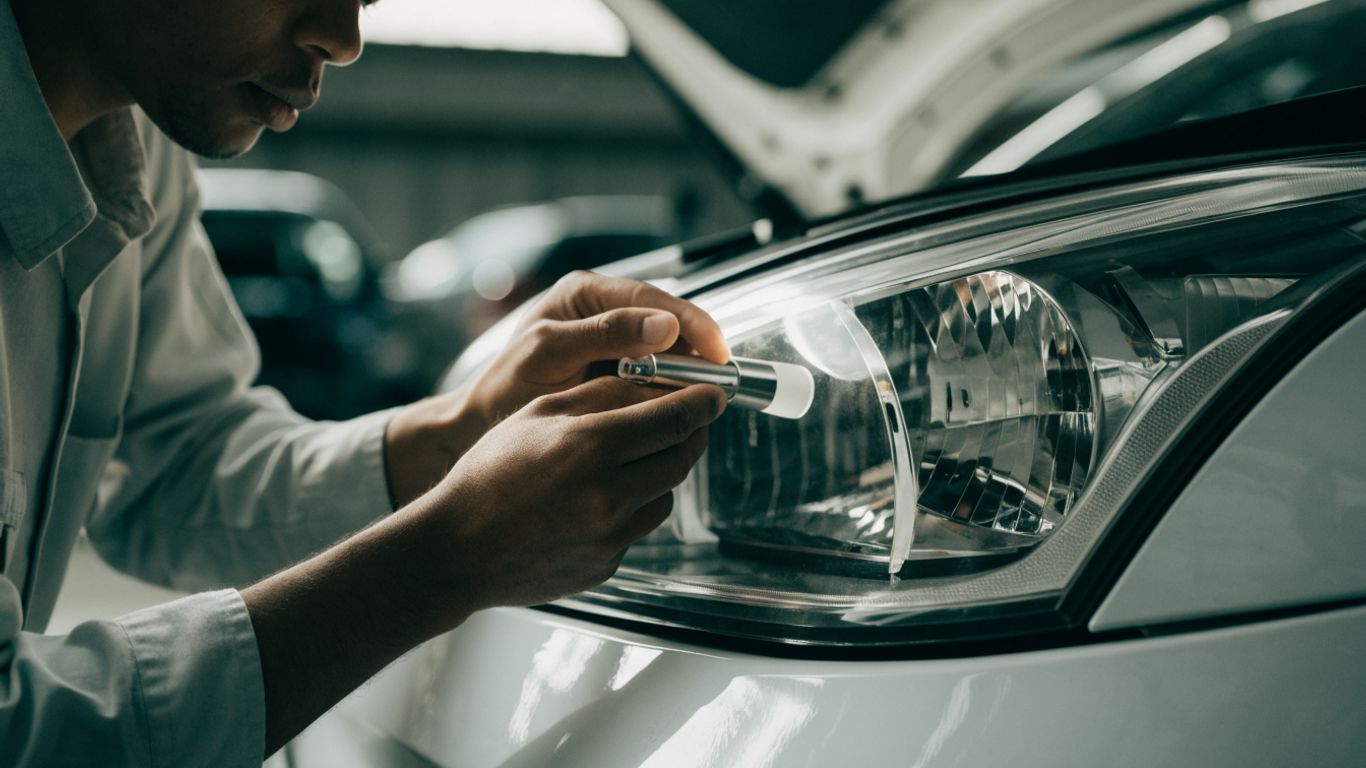
Repair is often worth considering when the fault is limited to a replaceable component or a repairable connection. A damaged housing, failed internal component, or recurring electrical problem may call for a different solution. Before you agree to a full replacement, ask what was tested and why the proposed work addresses the cause, not just the visible symptom.
Issues that may be repairable
A bulb, accessible connector, or minor wiring issue may be repairable without replacing the whole assembly, depending on the model and the exact fault. A professional inspection can also determine whether a loose mount or a serviceable seal is contributing to the problem. Parts availability and the design of your particular headlight matter, so avoid assuming that a repair that worked on another BMW will suit yours.
When replacing the headlight assembly makes sense
Replacement becomes more likely when the housing is cracked, internal components are damaged, or a fault cannot be corrected with a suitable component-level repair. If moisture has caused corrosion or the lens no longer provides a clear, secure enclosure, a new or suitable replacement assembly may be the practical option. Just BMW supplies genuine, used, and aftermarket BMW spare parts; whichever part you consider, confirm its condition and compatibility for your vehicle before purchase.
How damage to lenses, mounts, or wiring affects the decision
A scratched lens can reduce clarity, while a crack may let moisture enter. Broken mounting points can leave the beam unstable even if the light still turns on, and damaged wiring can make a replacement assembly fail to solve the problem. The details below are useful to discuss during an inspection, since each points toward a different repair path.
| Finding | What it may indicate | Useful next step |
|---|---|---|
| Bulb has failed, housing is intact | A component-level repair may be possible | Confirm bulb type and fitment |
| Lens is cracked or water remains inside | Housing or sealing damage may be present | Inspect the assembly and seals |
| Housing moves or beam aim shifts | Mounting damage may affect stability | Check mounts and verify beam aim |
| Light flickers after a bulb change | A connection or electrical fault may remain | Test the circuit before replacing more parts |
The table is a starting point, not a diagnosis. Ask the technician to relate the observed damage to the recommended work, particularly if the estimate moves straight from a symptom to a complete assembly replacement.
Questions to ask before approving work
You should be able to understand what failed, what repair options were considered, and how the shop will confirm the result. If the estimate is not clear, pause and ask for the scope to be explained in plain language. A few direct questions can make the decision easier without assuming that the least expensive option is automatically the right one.
- What test or inspection identified the fault?
- Can the affected component be repaired or replaced separately?
- Does the quoted part match my vehicle’s lighting system and trim?
- What testing will be done after the repair?
Clear answers help you compare the proposed repair with the actual symptoms. If you are sourcing a part independently, Just BMW offers BMW spare parts in genuine, used, and aftermarket options, so you can ask about the available part type and fitment before deciding.
BMW headlight types and features
BMW lighting equipment varies across models, model years, and trims, and a similar-looking headlight is not necessarily interchangeable. Your vehicle may use halogen, xenon, or LED lighting, while some configurations include adaptive functions or automatic high beams. Identify what is installed before ordering a bulb or assembly; a listing that only says it fits a broad model range may not answer the compatibility question.
Halogen, xenon, and LED systems
Halogen, xenon, and LED refer to different lighting technologies, and the parts and service requirements are not interchangeable by assumption. The housing, bulb or light source, electrical connections, and control components can vary with the system. If you are unsure which type your vehicle has, check its documentation or have the existing unit identified before buying a replacement. For a little local context, Hobart BMW listings with xenon headlights show that xenon-equipped vehicles appear in the area, but a listing does not confirm the equipment on your own car.
Adaptive headlights and automatic high beams
Adaptive headlights can adjust their light pattern or direction according to the vehicle’s equipment and operating conditions; automatic high beams control high-beam use. The exact functions depend on the particular vehicle, so do not infer features from appearance alone. If a feature stops working after a repair, mention it explicitly and ask whether the relevant function was checked as part of post-repair testing.
How model year and trim affect compatibility
A model name alone may not be enough to identify the correct part. Build details, trim, production period, and existing lighting options can all affect fitment. Before ordering, provide the vehicle identification details requested by the supplier and compare any available part number with the unit being replaced; BMW parts online offers a broader guide to checking fitment and part details.
OEM and aftermarket parts compared
Genuine, OEM, aftermarket, and used parts can differ in source, condition, price, and warranty terms. The best fit depends on your priorities and the specific part available for your vehicle, rather than on a label alone. Use a comparison such as this to make sure you are weighing the same details for each option.
| Part option | What to confirm | A practical consideration |
|---|---|---|
| Genuine | Correct part number and vehicle fitment | Check price and supply timing |
| OEM | Manufacturer, specification, and fitment | Confirm what the seller means by OEM |
| Aftermarket | Compatibility and warranty terms | Review the stated quality and return conditions |
| Used | Condition, testing, and return terms | Ask about visible wear or prior damage |
There is no universal choice for every BMW. For a used assembly, condition and return terms deserve particular attention; for any option, verify compatibility before installation rather than relying on a photograph or broad fitment claim.
Choosing a BMW headlight service in Hobart
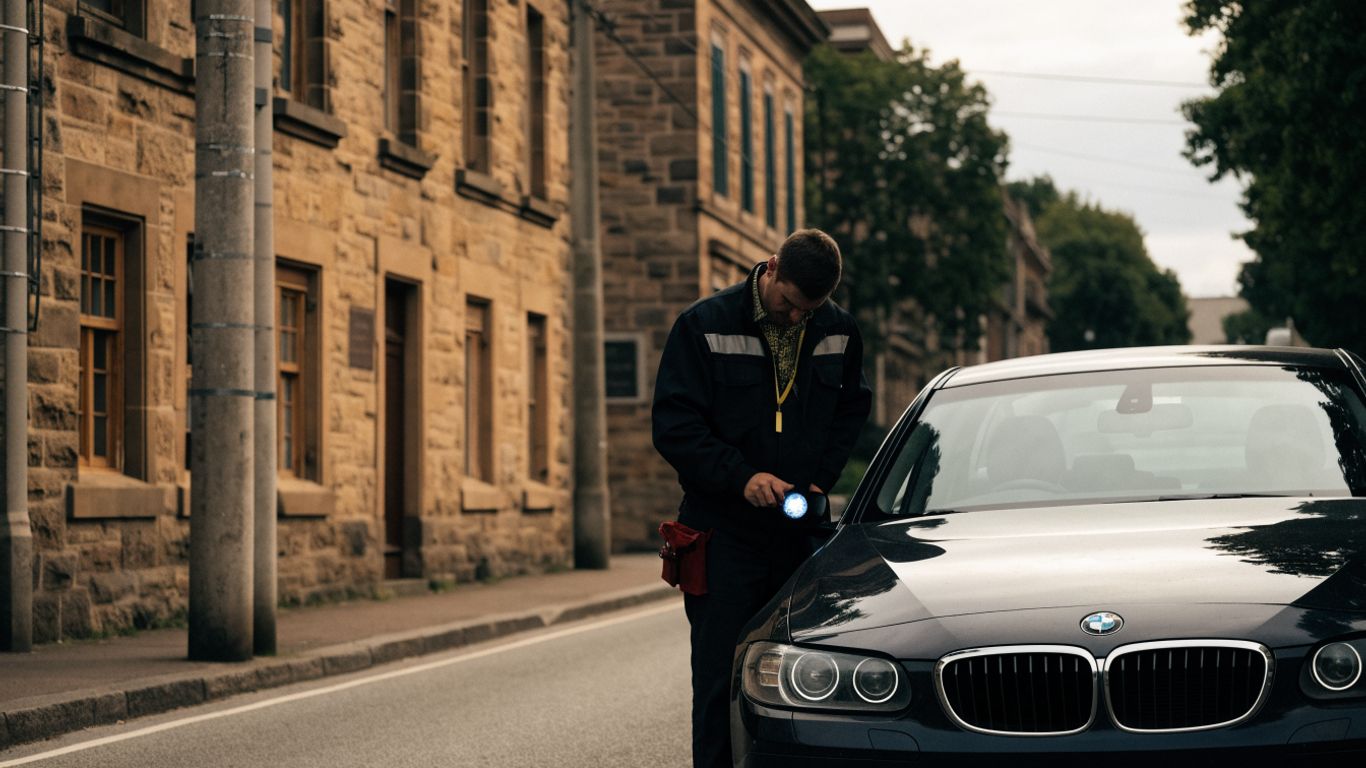
When you are comparing a BMW headlight service in Hobart, look for a clear explanation of the diagnosis and the proposed repair. The provider should be able to identify your lighting setup and explain how the work will be checked afterward. If you are buying a part rather than booking repair work, keep those decisions separate: a parts supplier can help with parts and fitment, while installation and testing need to be confirmed with the workshop doing the work.
Look for BMW-specific diagnostic experience
Ask whether the technician has experience diagnosing BMW lighting systems and how they will distinguish a failed bulb from a wiring, control, or housing problem. A useful answer describes the inspection and testing, rather than promising a particular repair before seeing the vehicle. Share any warning messages and intermittent symptoms, since the problem may not be present every time the car is checked.
Confirm parts compatibility using your vehicle details
Give the supplier or workshop the vehicle details needed to identify the correct assembly or component, and ask them to confirm the fit before ordering. Model year, trim, and lighting equipment can change what fits. If you are comparing used parts, check the part number and ask about condition and returns; a broader BMW parts guide also explains why vehicle details and fitment checks matter when sourcing components.
Ask about installation, calibration, and testing
Before work begins, ask whether the repair requires beam alignment, coding, or any other setup for your vehicle. Requirements vary, so the answer should be based on the exact headlight and model rather than a blanket assumption. Confirm that the lights will be tested after installation, including any affected function and beam aim, and ask what the workshop will do if the original symptom remains.
Compare estimates by parts, labor, and warranty
A useful estimate separates the part from labor and explains any additional work, testing, or warranty terms. Check whether the quoted part is new or used and what happens if it does not fit or resolve the fault. For a parts quote based on a specific model and part, Just BMW provides a quotation form and a live call consultation; confirm directly what is included in any purchase before proceeding.
Headlight replacement costs and timing
The price and turnaround for a headlight repair depend on what has failed and which part your vehicle needs. A bulb or connection issue can be a different job from replacing a complete assembly, and availability may affect the wait. Ask for an itemized estimate tied to the diagnosis, not just a headline price for a part.
Factors that influence the price
The part type, condition, and availability can affect the total, as can labor and any required testing or adjustment. A more complex assembly may cost more than a replaceable bulb, but the right comparison is the complete repair scope for your vehicle. When researching other kinds of ownership costs, separate guides cover motor home costs, electric-vehicle incentives in Portugal, and professional workspace choices; those are different subjects and do not estimate a BMW headlight repair.
What an estimate should include
Look for the part description, its condition and source, labor, any additional work, and the warranty or return terms. The estimate should also state whether post-installation testing or beam adjustment is included. When you are comparing quotes, check that both cover the same work; a lower number may leave out an important step or rely on a different part type.
How parts availability can affect turnaround
A repair can take longer if the exact compatible part is not readily available or needs to be ordered. Ask whether the supplier has confirmed fitment and when the part is expected, then clarify whether the vehicle can be safely used while you wait. For parts purchased online, check delivery, returns, and warranty terms before committing; a general real estate CRM IDX guide concerns a different industry, but likewise discusses the importance of following up when a system sync fails—rather than assuming an order or process completed as expected.
When replacing both headlights may be worth considering
Replacing both sides is not automatically necessary when only one headlight has failed. It may be worth discussing if both assemblies are similarly aged, their output differs noticeably, or the remaining unit has comparable damage. Ask for the condition of each side to be assessed separately, then compare the added cost with the benefit of a matched result.
Keeping BMW headlights clear and dependable
A quick visual check now and then can help you notice damage before it becomes a bigger problem. Look for cracks, persistent moisture, loose housings, and a difference in brightness or beam direction between sides. If you have bought parts through an online store, review the site’s privacy and cookie information as well; a separate page about FLOW THE KITCHEN explains cookie choices for that site, not for a BMW parts retailer.
Clean lenses with suitable products
Clean the outside of the lens with products intended for automotive surfaces and a soft cloth. Avoid abrasive pads or harsh chemicals that can scratch or cloud the material. If the lens remains hazy after careful cleaning, or if the clouding appears to be inside the assembly, have it inspected instead of repeatedly polishing the surface.
Check alignment and illumination regularly
Notice whether both headlights illuminate consistently and whether the beams appear to point in a similar direction on a level surface. A vehicle load, repair, impact, or loose mounting point can affect aim. If a light seems unusually high, low, or scattered, have the beam checked with suitable equipment rather than adjusting it by guesswork.
Address moisture and electrical issues promptly
A brief haze may clear, but persistent droplets, pooling, flickering, or repeated failures should be investigated. Delaying can make it harder to tell whether the original fault has caused additional damage. Describe the conditions under which the symptom appears and ask for the housing and electrical connections to be checked as appropriate.
Verify local requirements for brightness and beam aim
Requirements can depend on where the vehicle is registered and used, so check current local guidance or ask a qualified inspection provider about brightness, condition, and beam aim. A replacement should not be chosen only because it appears brighter; it must be compatible and correctly installed. After a repair, confirm that the lights operate as intended and that their aim has been checked where needed.
Conclusion
When a BMW headlight changes, the sensible first step is to identify the cause and verify the lighting setup on your specific vehicle. With a clear diagnosis, compatible parts, and testing after the work, you can choose a repair or replacement that addresses the fault without guessing at what the car needs.
Frequently Asked Questions
Can you drive with one headlight out?
A failed headlight reduces visibility and may affect whether the vehicle meets local road-use requirements. Avoid driving in darkness or poor visibility until the fault is addressed, and check the current rules that apply where you drive.
Does a dim headlight always need a new assembly?
No. The cause may be a bulb, connection, wiring fault, or damage to the assembly. An inspection can identify whether a component-level repair is suitable or a full replacement is needed.
Is condensation inside a headlight normal?
A light haze that clears can differ from persistent droplets or pooling. If moisture remains or you see signs of corrosion, have the headlight inspected for damage or a sealing issue.
Should both headlights be replaced at the same time?
Not necessarily. Ask for each side to be assessed separately, then consider whether age, condition, appearance, or light output makes replacing both worthwhile.
How do you find the correct replacement headlight?
Confirm the vehicle’s year, trim, and lighting equipment, then check the part number and fitment details with the supplier. Do not rely on a broad model description or appearance alone.
Do headlights need adjustment after replacement?
They may. Ask whether beam alignment or other setup is required for your vehicle and confirm that aim and operation will be checked after installation.
What should a headlight replacement estimate include?
It should identify the part and its condition, labor, any additional work or testing, expected timing, and warranty or return terms. Comparing estimates is most useful when each covers the same scope.