

Key Takeaways
Finding the right replacement starts with accurate vehicle details and a clear description of the part. A little checking before you buy can help prevent delays and mismatched components.
- Record your BMW’s model, year, engine variant, and VIN before requesting a part.
- Compare genuine, aftermarket, and used options against the repair and your budget.
- Confirm part numbers and compatibility with the supplier before paying.
- Ask about condition, testing, included fittings, delivery, returns, and warranty terms.
- Include installation, shipping, and any diagnostic or coding needs in your cost estimate.
Identify the engine part you need
A good parts search begins with the car, not a guess at the name of the component. If you are looking for BMW engine parts Geelong, collect the vehicle details and describe the fault as clearly as you can. That gives you and the supplier a firmer basis for checking the right part.
Find the engine code and vehicle details
Write down the model, model year, engine variant, and VIN before you contact a supplier. If you know the engine code, include it too; small differences between variants can matter even when two cars look nearly identical. You can also use this Geelong BMW parts guide as a reference while gathering information, but confirm your own vehicle details against its documents or a mechanic’s records.
Describe the part’s location and function
A plain description can be more useful than an uncertain part name. Note where the component sits, what it connects to, and what symptom led you to investigate it. If you have a mechanic’s written diagnosis, keep the wording and any part references together so the supplier can check the same item you have in mind.
Check whether related components need replacement
A failed part can sometimes be connected to wear or damage elsewhere, but that does not mean every nearby component needs replacing. Ask the mechanic whether the diagnosis points to a single part or a related set, and which work is necessary now. Before requesting a quote, it helps to have a short record of the issue and the checks already completed:
- Record warning lights, noises, leaks, or changes in performance.
- Note any diagnostic findings or inspection results.
- Ask which adjacent parts should be inspected during installation.
- Separate confirmed needs from items that are only being considered.
This gives the supplier a clearer request and helps you compare like with like. It also avoids treating a possible cause as a confirmed diagnosis.
Use photos or a mechanic’s diagnosis to confirm
Clear photos can help identify a component’s shape, connectors, and mounting points, particularly when you are unsure of its name. Take more than one angle and include nearby parts for context, while avoiding any attempt to work around moving or hot components. Photos are supporting evidence, not a substitute for checking the vehicle and part numbers.
Choose between OEM, aftermarket, and used parts
There is no single part type that suits every repair. Your decision may depend on availability, budget, condition, and how long you expect to keep the vehicle. Just BMW supplies genuine, used, and aftermarket BMW parts, giving you several types to ask about as you compare options.
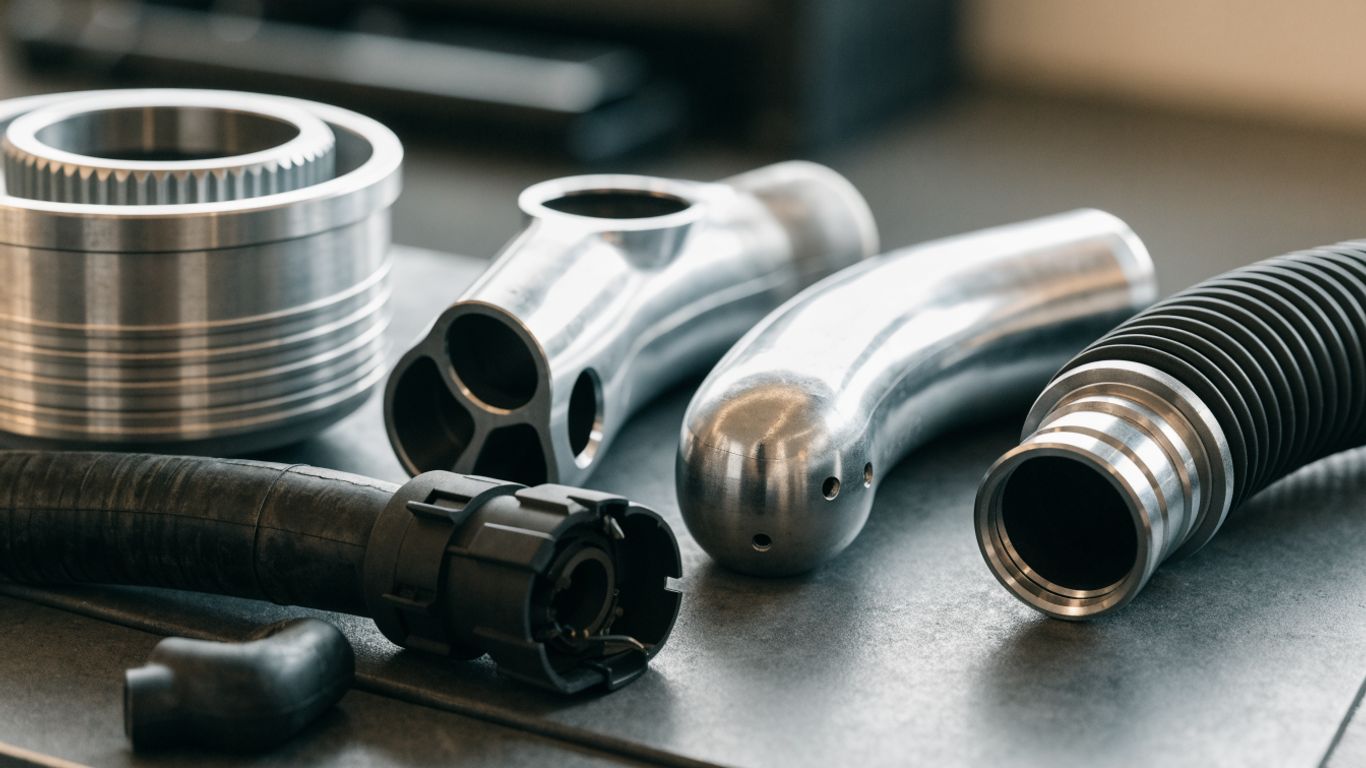
Compare original equipment and aftermarket options
Ask what category the quoted part belongs to and whether it is new or previously used. The labels can describe different things, so request a clear explanation of the specific item rather than assuming that two similar listings have identical specifications. This simple comparison can help keep the conversation focused:
| Option | Useful question | What to confirm |
|---|---|---|
| Genuine | Is this the genuine part for my vehicle? | Part number and fitment |
| Aftermarket | Who made this replacement part? | Application and warranty terms |
| Used | What is known about its condition? | Inspection, testing, and returns |
Treat the table as a starting point, not a guarantee of compatibility. Confirm the exact part and terms for your vehicle before you make a decision.
Consider used or reconditioned components
A used component may suit a repair where the part’s condition and history can be checked, while a reconditioned item may have had work carried out before sale. Ask what inspection or testing has been completed and whether any records are available. Just BMW says its parts are inspected and tested before sale, and that parts that do not meet its standards are not sold; ask for details about the particular part you are considering.
Weigh price against expected service life
A lower purchase price is only one part of the calculation. Consider the condition, the supplier’s terms, delivery, and the labor involved if the part needs to be fitted again. You may not be able to predict a component’s service life precisely, so compare what is known about the item rather than relying on a broad promise.
Check warranty and return terms
Before paying, ask how long any warranty lasts, what it covers, and what conditions apply. Clarify whether a return is possible if the part is unused but turns out to be incorrect, and whether the buyer pays return shipping. Keep the answers in writing alongside the quotation so there is less room for confusion later.
Verify fitment before buying
A part that looks right may still differ in an important detail. Fitment checks should use the car’s identifying information and the component’s part number, not appearance alone. Confirming those details before ordering can save time, freight costs, and a second repair booking.
Match the part to the model year and engine variant
Give the supplier the model year, engine variant, and VIN when asking about compatibility. If the vehicle has been modified or its engine has been replaced, mention that too, since its current configuration may not match the original records. A fitment check should address the specific vehicle rather than just the model name.
Confirm part numbers and superseded numbers
If you have the number from the old component, share it and ask the supplier to compare it with the replacement. A part number may have been superseded, so ask whether a newer number is confirmed as compatible with your vehicle. Keep both numbers in your records, along with the source of the compatibility confirmation.
Check for differences between regional specifications
Vehicles sold in different markets can have specification differences, so do not assume that a part listed for a similar BMW elsewhere will fit your car. Check the relevant part number and vehicle details with the supplier, particularly when a listing does not clearly state its intended application. A few extra questions are preferable to discovering a mismatch after delivery.
Ask the supplier to verify compatibility
When you request confirmation, provide the VIN, engine variant, and available part number in one message. Ask the supplier to state what details they used to check the fit and to flag any uncertainty before you order. Keep that reply with the invoice or quote; it creates a useful record if you need to follow up.
Find BMW engine parts in Geelong
Local availability can make a repair easier to organise, but a nearby listing is not proof that the part is right or ready to collect. Compare what each supplier can confirm about the item, timing, and terms. If the exact part is not on hand, ask whether it can be sourced and how long that is likely to take.

Compare local suppliers and specialist BMW dismantlers
Compare suppliers on the information they can provide, not just the initial price. Ask whether the part is genuine, aftermarket, used, or reconditioned, and what checks have been carried out. Search results may also include unrelated subjects such as Cook Islands company formation, welded TPU pool floats, laundromat services, IE2–IE4 industrial motors, and sauna shower equipment; those topics do not establish automotive fitment or stock. For local BMW parts information, see BMW auto parts in Geelong.
Ask about stock, sourcing time, and delivery
Ask whether the supplier has the specific component available or needs to source it. Confirm the expected dispatch or collection time, delivery costs, and whether the part can be held while you arrange installation. Just BMW offers nationwide shipping, so you can ask about delivery options if a suitable part is not available nearby.
Confirm whether the part is available for inspection
If an item is used, ask whether you can inspect it before purchase or receive clear photos and details about its condition. Check whether the supplier can show the part number and any visible wear or damage. If an in-person inspection is not practical, make sure you understand the return terms before arranging delivery.
Check the supplier’s experience with BMW engines
A supplier who regularly handles BMW parts may be able to help you interpret model and engine details, but you should still ask specific questions about the part in front of you. Request confirmation of the fitment check and any known limitations. Just BMW describes its team as BMW enthusiasts who offer professional advice and friendly customer service; you can still verify the details of your particular order directly.
Assess condition and quality
Condition matters especially when you are considering a used component. Ask what the supplier has checked and whether the part can be inspected before you commit. The more clearly you understand what is included and what is known about the item, the easier it is to weigh the asking price.
Look for wear, damage, corrosion, or previous repairs
Inspect visible surfaces for cracks, impact damage, corrosion, leaks, or signs of repair. Pay attention to areas that could affect installation, not just the main body of the component. If anything is unclear in a photo, ask for another view or have a mechanic assess the part before purchase.
Ask for service history and testing details
A used part may not come with a complete service history, so ask what information is actually available. Find out whether it was tested, what the test covered, and whether the result can be documented. Avoid assuming that a general statement about inspection answers questions about the specific component.
Inspect seals, connectors, and mounting points
Seals, electrical connectors, and mounting points can be easy to overlook when attention is on the main component. Check for brittle or damaged seals, bent pins, broken clips, and stripped or cracked mounts. These details can affect installation and may add costs if replacements are needed.
Confirm what accessories or fittings are included
Ask whether the price includes brackets, sensors, fasteners, or other fittings that you expect to reuse or replace. Confirm what is shown in the listing or photos and what is not included. A clear parts list helps you avoid assuming that related pieces arrive with the main component.
Plan the purchase and installation
A sensible comparison includes more than the part price. Shipping, labor, additional fittings, and time off the road may all affect the real cost of the repair. Before you place the order, make sure the part, installation plan, and supplier terms fit together.
Compare the total cost, including shipping and labor
Ask for an itemised quote that separates the part price from delivery and any other charges. Then check the labor estimate with the workshop that will install it, including whether extra work may be needed after inspection. Comparing total costs gives you a more useful basis for choosing between part options.
Check whether specialist tools or coding may be required
Ask the mechanic whether installation calls for specialist tools, diagnostic checks, or coding for your particular vehicle and component. Do not assume that every engine part requires these steps, or that the part can be installed without them. Knowing what the job involves beforehand helps you arrange the right workshop and avoid unexpected delays.
Confirm installation and warranty conditions
Some warranty or return terms may depend on correct installation or supporting documents, so read the conditions before booking the work. Ask whether the supplier needs installation records or other evidence if a problem arises. Coordinate the workshop and supplier if you have questions about how the terms apply to the repair.
Keep invoices and part-number records for future reference
Save the quote, invoice, part number, compatibility confirmation, and any inspection or testing information. If a mechanic installs the part, keep the work record with the same documents. Those details make later servicing and follow-up questions easier to handle.
Conclusion
The right BMW engine part is the one confirmed for your vehicle, in a condition and category that suit the repair, with clear terms and a workable installation plan. Gather the vehicle details first, ask focused questions, and compare the full cost before you buy. That small amount of preparation can make a Geelong parts search more straightforward.
Frequently Asked Questions
What details should I provide when asking for a BMW engine part?
Provide the model, year, engine variant, and VIN, along with the part number if you have it. A mechanic’s diagnosis or clear photos can help explain what you need.
Is a used BMW engine part worth considering?
It can be, depending on its condition, testing information, fitment, price, and return terms. Ask what is known about the specific component before deciding.
How can I check whether an engine part fits my BMW?
Ask the supplier to check the part against your VIN, engine variant, and the component’s part number. Keep the supplier’s compatibility confirmation for your records.
Should I choose a genuine or aftermarket part?
Compare the exact part, its fitment confirmation, warranty, price, and availability. The best option depends on the repair and the terms offered for that item.
What should I check when inspecting a used component?
Look for damage, corrosion, leaks, prior repairs, and wear at seals, connectors, and mounting points. Ask what testing was completed and what fittings are included.
What costs should I include beyond the part price?
Include shipping, labor, any additional fittings, and possible diagnostic or coding work if the mechanic says it applies. An itemised quote can make comparisons easier.
Can I return a part if it does not fit?
Return conditions differ by supplier and may depend on the part’s condition or installation status. Confirm the policy and any return-shipping costs before ordering.