

Key Takeaways
A good replacement seat search starts with exact vehicle details and ends with careful safety checks. Whether you are sourcing used BMW seats Melbourne drivers can collect locally or arranging delivery, fitment matters more than appearance alone.
- Confirm the BMW model, production year, body style, and interior configuration.
- Match rails, mounting points, trim codes, sensors, airbags, and connectors.
- Inspect upholstery, frames, mechanisms, and electrical functions before buying.
- Compare the full cost of the seat, transport, installation, and possible repairs.
- Use a qualified technician when airbags, occupancy sensors, or powered wiring are involved.
Understanding your used BMW seat requirements
Replacing a seat is not simply a matter of finding one that looks similar. BMW interiors can vary by generation, body style, trim level, and optional equipment, even within the same model range. Start by identifying exactly what is in your vehicle, then decide which features you genuinely need. This keeps the search focused and helps prevent an attractive but unsuitable purchase.
Identifying your BMW model, year, and body style
Write down the model designation, build year, body style, and vehicle identification number before contacting sellers. A 3 Series sedan, touring wagon, coupe, or convertible may use different seat shapes, rails, wiring, or rear-seat sections. The production date can matter as much as the registration year because BMW may change equipment during a model run. Clear photographs of your existing seat and interior can also help a seller compare the replacement accurately.
Choosing between front, rear, and complete seat sets
Decide whether you need one front seat, a matching pair, a rear bench, or a complete interior. A single replacement makes sense when one bolster or mechanism has failed, but mismatched front seats can be noticeable in colour, wear, and stitching. Complete sets may offer a more consistent appearance, although they cost more and require additional storage and transport space. Check whether headrests, centre sections, side trims, and seatbelt hardware are included rather than assuming they come with the main cushion.
Comparing standard, sport, luxury, and M Sport seats
Seat shape affects both comfort and installation requirements. Standard seats may have simpler adjustment hardware, while sport or M Sport designs can use deeper bolsters and different foam profiles. Luxury seats may include extended cushioning, special leather, or additional adjustments. Compare the actual frame, controls, upholstery, and connectors instead of relying on a listing title, since sellers may use trim names loosely.
Deciding between manual and power-adjustable configurations
Manual and power-adjustable seats are not interchangeable just because their outer dimensions appear similar. Power seats may require additional wiring, fuses, modules, and memory-related connections, while manual versions can avoid that complexity. Consider whether your vehicle was originally equipped for power adjustment and whether the replacement includes its motors and switches. Match the original specification first; adding features later can be more involved than expected.
Checking compatibility before you buy
Compatibility should be confirmed before money changes hands. A seat can be clean, fairly priced, and still be wrong for the vehicle because of a rail pattern, sensor arrangement, or connector difference. Ask for photographs of the underside, identification labels, plugs, and mounting points. For a used BMW seats Melbourne search, local collection can make comparison easier, but it does not replace technical verification.
Matching seat rails, mounting points, and dimensions
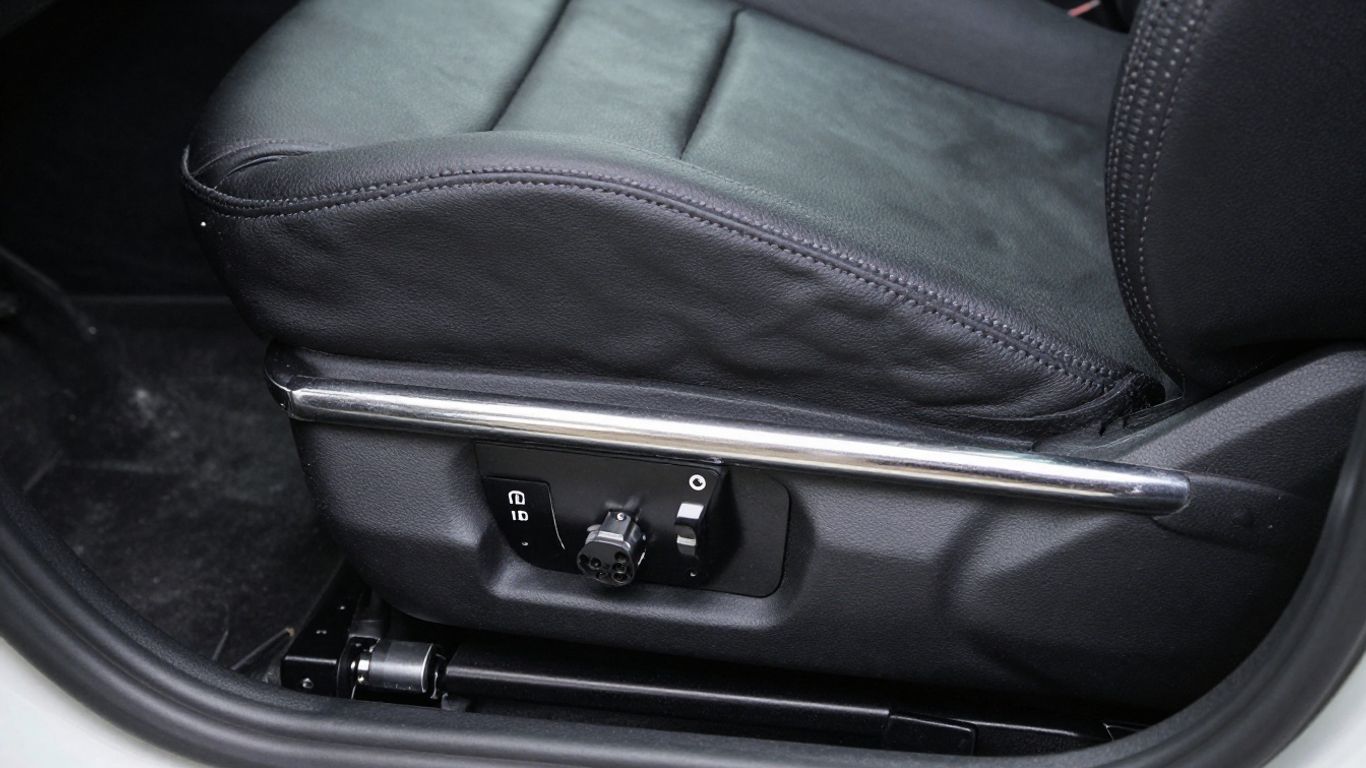
Compare the replacement seat’s rails, brackets, bolt locations, and overall width with the seat already fitted to your car. Measure the distance between mounting points where possible, and check clearance around the centre console, door trim, and carpet. Rear seats need separate attention because the cushion, backrest, folding mechanism, and side bolsters may all vary. Do not modify rails or mounting brackets casually; structural changes can affect safe installation.
Verifying upholstery colors and interior trim codes
A colour described as black, beige, or grey may still differ considerably from your existing interior. Look for the interior trim code on the vehicle’s documentation or identification label, then ask the seller for close, well-lit photographs. Compare the seat against your door cards, carpet, and other upholstery rather than viewing it in isolation. Leather grain, perforation, piping, and stitching can also reveal that two seats from a similar-looking cabin are not a true match.
Confirming airbag, occupancy sensor, and seatbelt compatibility
Front seats may incorporate side airbags, occupancy sensors, seatbelt buckles, pretensioner connections, or related wiring. The presence and location of these components must match the vehicle and the replacement seat. Warning lights after installation can indicate a connection or sensor issue, not merely a cosmetic problem. Ask whether safety components are included, removed, tested, or unknown, and have a qualified technician assess any uncertainty.
Checking electrical connectors, memory functions, and heating
Inspect every connector under the seat and compare it with the plug arrangement in your vehicle. Heated seats, lumbar support, powered bolsters, memory functions, and electric height adjustment can each add wiring or control requirements. Ask for a demonstration of powered features before purchase, ideally while the seat is still connected to a compatible vehicle. A seller who cannot test a function should describe it as untested rather than implying that it works.
Assessing the condition of used BMW seats
Condition affects comfort, appearance, reliability, and the final cost of ownership. Images can hide flattened foam, repaired bolsters, cracked surfaces, or a bent frame, so inspect the seat from several angles. If you cannot view it in person, request detailed photographs and a short video of the adjustments. A modest cosmetic mark may be acceptable; an unknown structural or electrical fault deserves much more caution.
Inspecting leather, fabric, stitching, and bolsters
Look closely at the driver’s outer bolster, seat base, entry edge, and steering-side surfaces because these areas usually receive the most wear. Check for torn seams, stretched leather, dye transfer, fading, burns, fabric pulls, and uneven repairs. Press the cushion gently to identify collapsed or lumpy foam. Surface wear can sometimes be refurbished, but extensive cracking or damaged stitching may cost enough to change the value of the purchase.
Looking for frame damage, corrosion, and worn mechanisms
Examine the seat frame, rails, brackets, springs, and adjustment tracks for bends, cracks, rust, or missing fasteners. Corrosion beneath a seat may be superficial, but heavy rust around mounting points is a serious concern. Move manual levers through their full range and check whether the seat locks firmly. A seat from a flood-damaged or poorly stored vehicle may look acceptable above the carpet line while hiding corrosion underneath.
A clean appearance is useful, but a secure frame and working restraint components matter more than fresh-looking upholstery.
After this inspection, separate cosmetic refurbishment from safety or structural concerns. The former can be budgeted; the latter should be resolved before installation or treated as a reason to walk away.
Testing motors, recliners, lumbar support, and heating
Operate every available adjustment slowly and listen for grinding, clicking, hesitation, or uneven movement. Check that the recliner holds its position and that lumbar support inflates or moves consistently if fitted. For heated seats, confirm that the switch responds and that the heat develops evenly without an unusual smell. If the seat is disconnected, record each function as untested and price it accordingly rather than guessing.
Asking about accident history and vehicle provenance
Ask which vehicle the seat came from, why it was dismantled, and whether that vehicle was involved in a crash, flood, or fire. A written vehicle identification number or dismantler record can provide useful context, although it is not a substitute for inspection. Crash involvement may affect airbags, pretensioners, frames, and sensors even when the upholstery appears intact. Be especially wary of vague answers about origin or sudden changes in the seller’s description.
Where to find used BMW seats in Melbourne
Melbourne buyers can approach the search through dismantlers, recyclers, workshops, dealerships, private sellers, and online vehicle-part networks. Each source offers a different balance of price, documentation, convenience, and return support. Local availability can reduce freight risk, particularly for heavy powered seats. Still, the best source is the one that can clearly identify the part and explain its condition.
Comparing specialist BMW dismantlers and auto recyclers
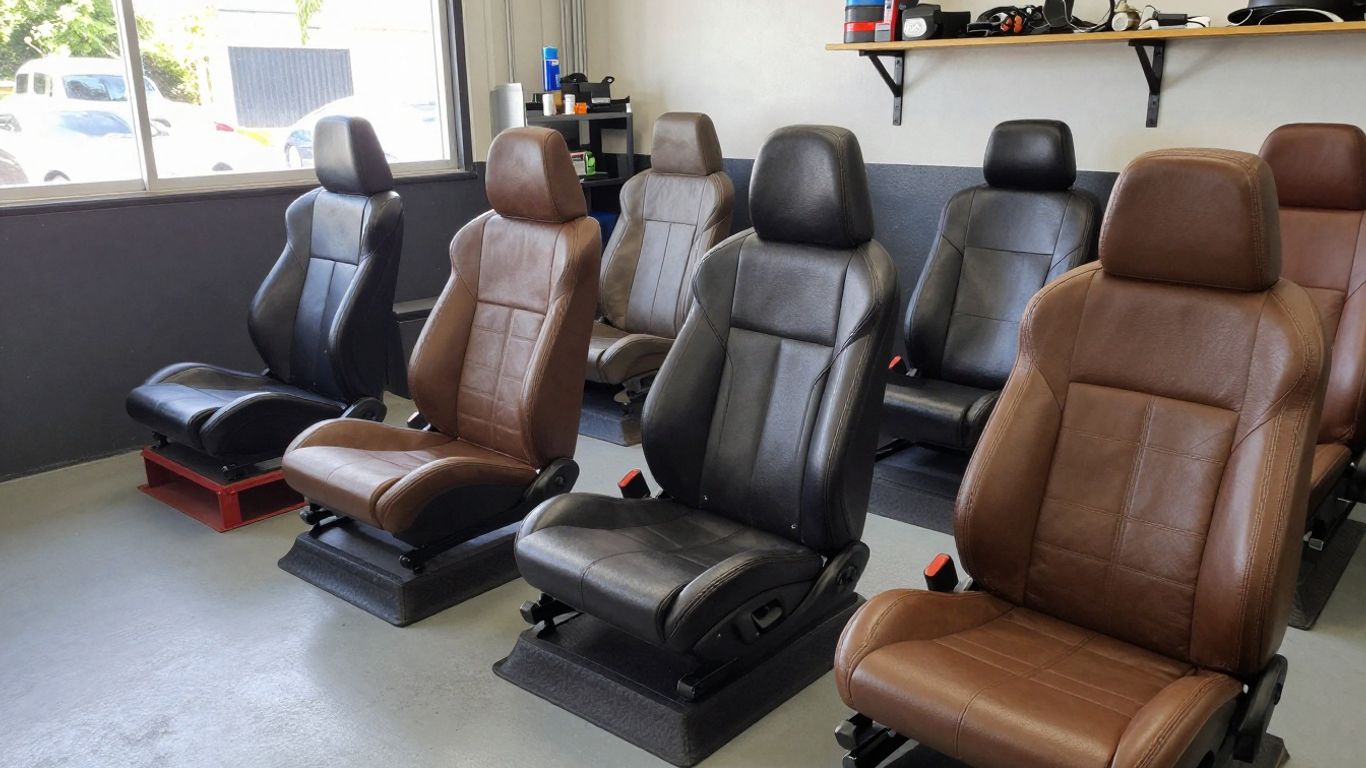
Specialist dismantlers may be able to identify parts by model, build date, trim, and donor vehicle. Auto recyclers can offer broader inventory and competitive pricing, though the level of BMW-specific knowledge varies. Ask whether the seat was removed from a running vehicle, whether the connectors were cut, and whether the seller can supply underside photographs. A professional yard should also explain its collection process and any available warranty terms.
Evaluating dealership, workshop, and private-sale listings
A dealership or workshop listing may provide clearer paperwork and a more structured buying process, while a private sale can be less expensive. Workshops may also know whether a particular seat is suitable for a repair already underway. Read the description carefully for terms such as “as removed,” “untested,” or “for parts.” Those phrases may indicate that the price reflects uncertainty, so ask direct questions before treating the seat as ready to install.
Using online marketplaces and local vehicle-part networks
Online listings make it easier to compare colours, trims, and prices across Melbourne, but photographs can create false confidence. Request images of the seat base, rails, plugs, airbag covers, and adjustment controls. Confirm the seller’s suburb, collection hours, packaging method, and preferred payment arrangement. Keep copies of the listing and messages so the agreed condition and included components are clear.
Confirming availability for uncommon BMW models
Older, unusual, or low-volume BMW models may have fewer matching interiors in local stock. Expand the search by checking whether the same generation used compatible front or rear sections, but never assume interchangeability from appearance alone. Ask dismantlers to record your model and trim details for future stock notifications. If importing becomes necessary, include freight, customs handling, damage risk, and return difficulty in the comparison.
Comparing prices and purchase value
The cheapest listing is not always the least expensive solution. A low price can reflect missing switches, worn leather, untested motors, cut wiring, or no return option. Conversely, a cleaner complete set may save money if it avoids colour matching and later repairs. Assess the purchase as a finished replacement rather than comparing the seat price alone.
Understanding the factors that influence seat pricing
Price usually reflects demand, rarity, trim level, upholstery condition, adjustment equipment, safety components, and whether the seat has been tested. A passenger seat may be less worn than a driver’s seat, while a powered or heated example can command more because of its additional equipment. Matching colour and trim can also carry a premium. Ask what is included before comparing two apparently similar listings.
Comparing individual seats with complete interior packages
An individual seat is often the sensible choice for a localised repair, especially when the rest of your interior is in good condition. A complete package can provide consistent colour, grain, stitching, and wear across the cabin. However, it may include parts you do not need and can be harder to transport. Compare the cost of the package with the likely cost of finding matching door cards, rear sections, or trim separately.
Calculating delivery, collection, and installation costs
Powered seats are bulky and can be awkward to package, while leather surfaces may be damaged by straps, moisture, or rough handling. Ask for a freight quote that includes appropriate protection and confirm whether the seat will arrive upright or on its side. Local collection may reduce transport expense but can require a suitable vehicle and another person to load it. Add technician labour, diagnostic checks, replacement fasteners, and possible coding or calibration to your working budget.
A simple comparison helps prevent a misleading bargain. Record the purchase price, freight or fuel, installation, likely refurbishment, and a small allowance for missing hardware or unexpected faults. The better-value seat is the one that reaches a safe, usable condition at the lower realistic total.
Evaluating warranties, returns, and buyer protection
Read the warranty wording rather than relying on a general statement that parts are covered. Find out whether upholstery, motors, heating, airbags, sensors, and electrical faults are included, and note how long you have to report a problem. Confirm who pays return freight and whether the part must be returned in its original packaging. Private-sale arrangements may offer less protection, making inspection and written disclosure even more important.
Buying and installing used BMW seats safely
The final stage deserves the same care as the search itself. Seats are heavy, awkward to handle, and connected to restraint and electrical systems. Keep the seller’s description, photographs, and agreed inclusions until the installation has been completed and tested. If anything differs from the listing, pause before fitting the part.
Questions to ask the seller before payment
Ask for the donor vehicle details, production date, seat position, trim code, adjustment type, and a complete list of included components. Confirm whether airbags, belt buckles, sensors, motors, switches, and rails are present. Request disclosure of crash, flood, fire, repair, or storage history. It is also sensible to ask how faults are handled, what return period applies, and whether the seller can provide a receipt.
Transporting leather and powered seats without damage
Protect leather and fabric with clean breathable coverings rather than abrasive plastic pressed tightly against the surface. Keep rails and brackets from rubbing against the upholstery, and secure the seat so it cannot slide or topple during transport. Do not place heavy items on cushions, bolsters, or reclining backs. On arrival, photograph the packaging before opening it and inspect for freight damage while the condition is still easy to document.
Using a qualified technician for removal and installation
A qualified technician can identify the correct isolation procedure, protect trim, and check that the replacement is mounted securely. This is particularly valuable when the seat includes airbags, occupancy sensors, pretensioners, powered controls, or memory functions. Professional installation may also reveal a wiring or coding issue before the vehicle is returned to regular use. Avoid treating a seat swap as a purely cosmetic DIY job.
Handling airbag systems and electrical connections correctly
Follow the vehicle manufacturer’s service procedure and use the correct tools and diagnostic equipment for the model. Do not probe airbag connectors, bypass occupancy sensors, or connect plugs by force. The battery and restraint system require appropriate handling, and an illuminated airbag warning should not be ignored or concealed. If a connector, module, or sensor does not match, stop and have the system assessed rather than improvising an adapter.
Testing the replacement seat after installation
Check that every mounting bolt is secure and that the seat locks correctly throughout its travel. Test the recline, height, fore-and-aft adjustment, lumbar support, heating, memory functions, and belt buckle where fitted. Confirm that the seat does not foul the door or console and that warning lights remain off after the prescribed checks. A short, careful inspection after installation can catch a loose connection or incomplete adjustment before it becomes a larger problem.
Conclusion
Finding the right used BMW seats Melbourne buyers can rely on takes more than matching a colour in a photograph. Verify the vehicle and trim details, inspect the frame and upholstery, confirm every safety and electrical component, and include installation in the budget. With those checks in place, a used replacement can be a practical way to restore comfort and finish without accepting avoidable risk.