

Key Takeaways
Finding the right replacement takes more than matching a BMW badge or body shape. Check fitment, features, condition, total cost, and seller protections before you commit.
- Match the mirror to the BMW model, generation, year, side, and VIN.
- Confirm electrical features, connector types, glass style, and assembly completeness.
- Inspect housing, glass, motors, folding action, seals, and electrical contacts.
- Compare the full used-part cost with new, aftermarket, and refurbished alternatives.
- Buy from a seller that provides clear details, return terms, and a usable warranty.
Identify the correct BMW mirror for your vehicle
A mirror can look almost identical to another one and still fail to fit or function correctly. BMW models often share design cues across generations, while mounting points, wiring, glass shape, and control modules may differ. Before searching for second hand BMW mirrors, gather the vehicle details and decide which features you need to preserve. A few minutes spent confirming the specification can prevent an expensive return.
Match the BMW model, generation, and production year
Start with the exact model, body style, generation code, and production year. A 3 Series sedan, coupe, wagon, or convertible may use a different mirror even when the model name is similar. Facelifts can also change the housing, base, or wiring during the same broad generation. Use the original part, vehicle records, or a parts catalog to identify the correct reference rather than relying on appearance alone.
Check left-hand and right-hand mirror compatibility
Driver and passenger mirrors are not interchangeable simply because the housings seem symmetrical. The angle of the glass, mounting arrangement, wiring route, and blind-spot view can differ from side to side. Ask the seller to state clearly whether the item is left-hand or right-hand and compare that description with your vehicle’s position. Be especially careful with listings that use only “driver” or “passenger,” since those terms can vary by market.
Confirm mirror features and connector types
Make a short record of the functions fitted to your original mirror. These may include electric adjustment, folding, heating, auto-dimming, memory positioning, approach lighting, or a particular glass shape. Then compare the connector, pin count, cable arrangement, and mounting plate with the replacement. Feature matching matters because a physically compatible housing may not support every function your vehicle expects.
Use the VIN to verify fitment
The vehicle identification number is the safest final check when a part number is uncertain. Give the VIN to the seller or parts specialist and ask them to confirm the exact application in writing. It can help distinguish options installed during overlapping production periods and reveal equipment differences that are not obvious from photographs. Keep the confirmation with the order details in case you need to resolve a fitment question later.
Understand the different types of second hand BMW mirrors
Used mirrors are sold in several forms, from a complete bolt-on assembly to a single piece of glass or a painted cover. Knowing what is included helps you compare prices fairly and prevents surprises when the parcel arrives. The right choice depends on what was damaged and which original components still work. Treat the listing as a specification, not just a photograph.
Complete mirror assemblies versus individual components
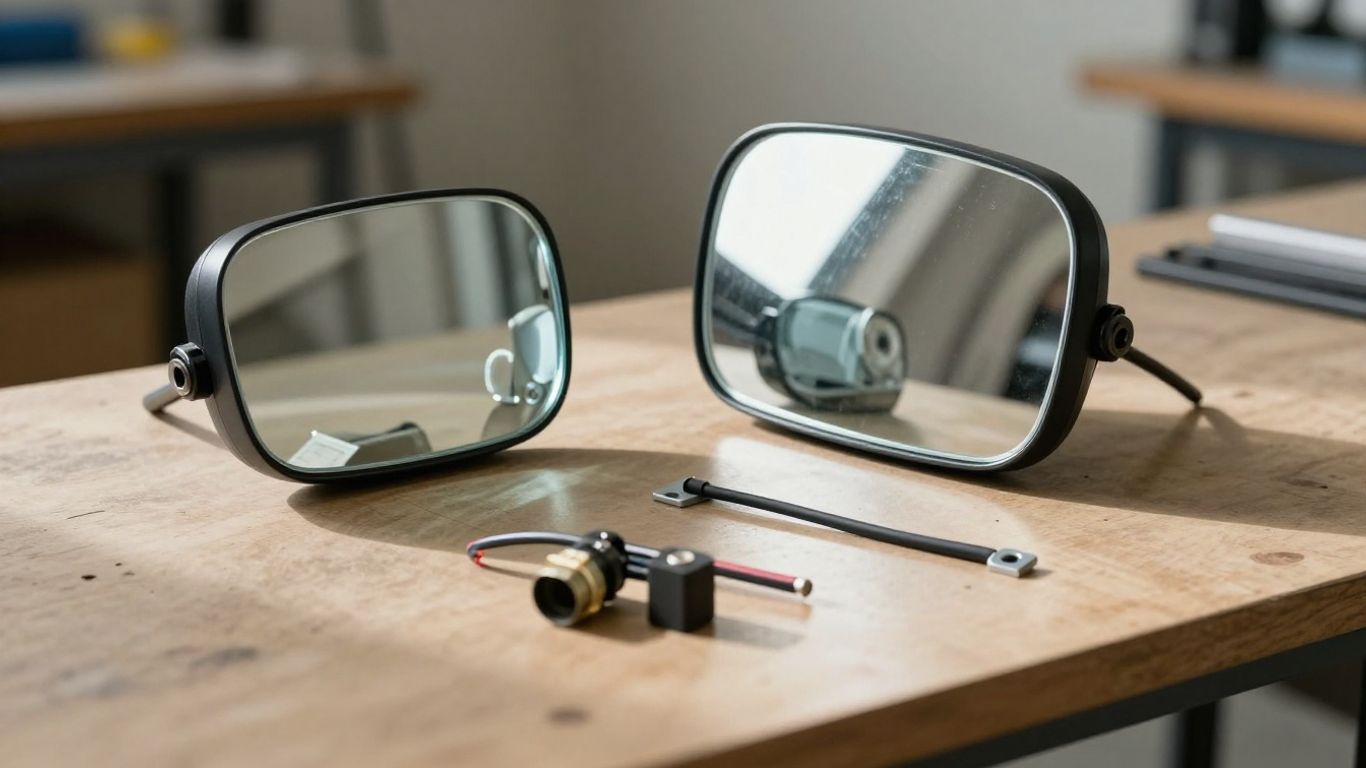
A complete assembly may include the housing, glass, motor, folding mechanism, wiring, and mounting hardware, but contents vary by seller. If your original motor or wiring remains usable, buying only a cover, glass, or backing plate may cost less and create fewer compatibility issues. Conversely, a badly damaged base can make a partial repair impractical. Ask for an itemized list of included components before comparing the asking price.
Manual, power-adjustable, and power-folding options
Manual mirrors have fewer electrical parts, while power-adjustable units depend on motors and vehicle wiring. Power-folding assemblies add another mechanism that must move smoothly and hold its position. Do not assume that a power-adjustable mirror will fold electrically, or that a folding mirror includes the necessary switch or control hardware. Match the replacement to the equipment already installed in your door and cabin.
Heated, auto-dimming, and memory mirror features
Heating elements, auto-dimming glass, and memory functions can turn a simple replacement into a more specialized purchase. A mirror may have the right outer shell but lack the glass, sensor, wiring, or electronics needed for those functions. Ask whether each feature was tested and whether the supplied connector matches your car. If a feature is not essential, a simpler compatible assembly may offer better value than an incomplete high-spec one.
Standard, wide-angle, and blind-spot mirror glass
Glass style affects both visibility and driving habits. Standard glass gives a familiar view, while wide-angle glass changes the apparent distance of nearby vehicles. Blind-spot sections may be integrated into the glass or shaped as a separate zone. Confirm the markings, curvature, tint, and heating connection, and avoid choosing by size alone. A glass panel that fits the frame can still provide the wrong field of view.
Inspect the condition before you buy
Condition is more than whether the mirror looks clean in a listing image. A used assembly may have hidden damage from the same impact that broke the original part, including stressed mounting points or water inside the electronics. Request clear photographs from the front, rear, underside, and connector side. A careful inspection is especially useful when the price seems unusually low.
Check the housing for cracks, dents, and faded finishes
Examine the outer shell for splits around the mounting base, dents along the edge, loose seams, and deep scratches. Look for faded paint, mismatched panels, and damage hidden beneath a cover or trim piece. Small cosmetic marks may be acceptable if you plan to repaint, but cracks near the mount can affect safety and alignment. Ask whether any tabs or clips are missing before treating a cosmetic repair as straightforward.
Test the glass, motors, and folding mechanism
The seller should describe whether the glass adjusts in every direction and whether the fold mechanism moves without grinding, sticking, or excessive looseness. Check for chips, delamination, dark patches, and distortion across the viewing area. If testing is possible, operate the mirror repeatedly rather than accepting a single movement as proof of health. A smooth action and firm stop are useful signs, though they do not replace correct vehicle-side testing.
Look for water damage and corrosion
Inspect the connector pins, motor casing, wiring, and lower housing for green corrosion, white residue, rust, or dried water marks. Moisture can remain inside a mirror after the outside has dried, especially around seals and drain paths. Ask whether the part came from a flood-damaged vehicle or was stored outdoors. Electrical corrosion may continue to worsen after installation, so it deserves more attention than a superficial scuff.
Review photos, descriptions, and seller disclosures
Read the complete listing and compare every claim with the images. Pay attention to phrases such as “untested,” “for parts,” “glass only,” or “no guarantee,” since they change the risk and the fair price. Ask for a current photograph if the listing uses stock images. A seller who explains known faults plainly is generally easier to deal with than one who leaves the condition vague.
A lower price is only a bargain when the part’s uncertainty is understood and acceptable.
Use that principle when comparing two similar listings. The slightly more expensive mirror may include tested electronics, better photographs, and a return option, reducing the chance of paying twice for the same repair.
Compare second hand BMW mirrors with new alternatives
A used original mirror is not automatically the cheapest choice, and a new replacement is not automatically the safest. Compare what each option includes, how closely it matches the original equipment, and what happens if it arrives damaged or fails to fit. Paint, shipping, installation, and missing components can change the calculation quickly. Consider the complete repair rather than the headline price.
When a used OEM mirror offers the best value
A used original-equipment mirror can make sense when you need the correct shape, finish, wiring, and factory features without replacing a whole system. It is often particularly attractive when your vehicle is older or when a new complete assembly costs far more than the car’s immediate repair budget. The best value comes from a tested part with clear fitment details, not simply from choosing the lowest-priced listing.
Differences between OEM, aftermarket, and refurbished parts
An original used part may closely match the existing mounting and electrical arrangement, but its history and wear level need checking. An aftermarket part may be new yet differ in finish, glass tint, connector design, or feature support. A refurbished mirror can have repaired or replaced components, so ask what work was completed and what was tested. Compare warranties and included parts alongside the price; labels alone do not establish quality.
How paint color and finish affect the total cost
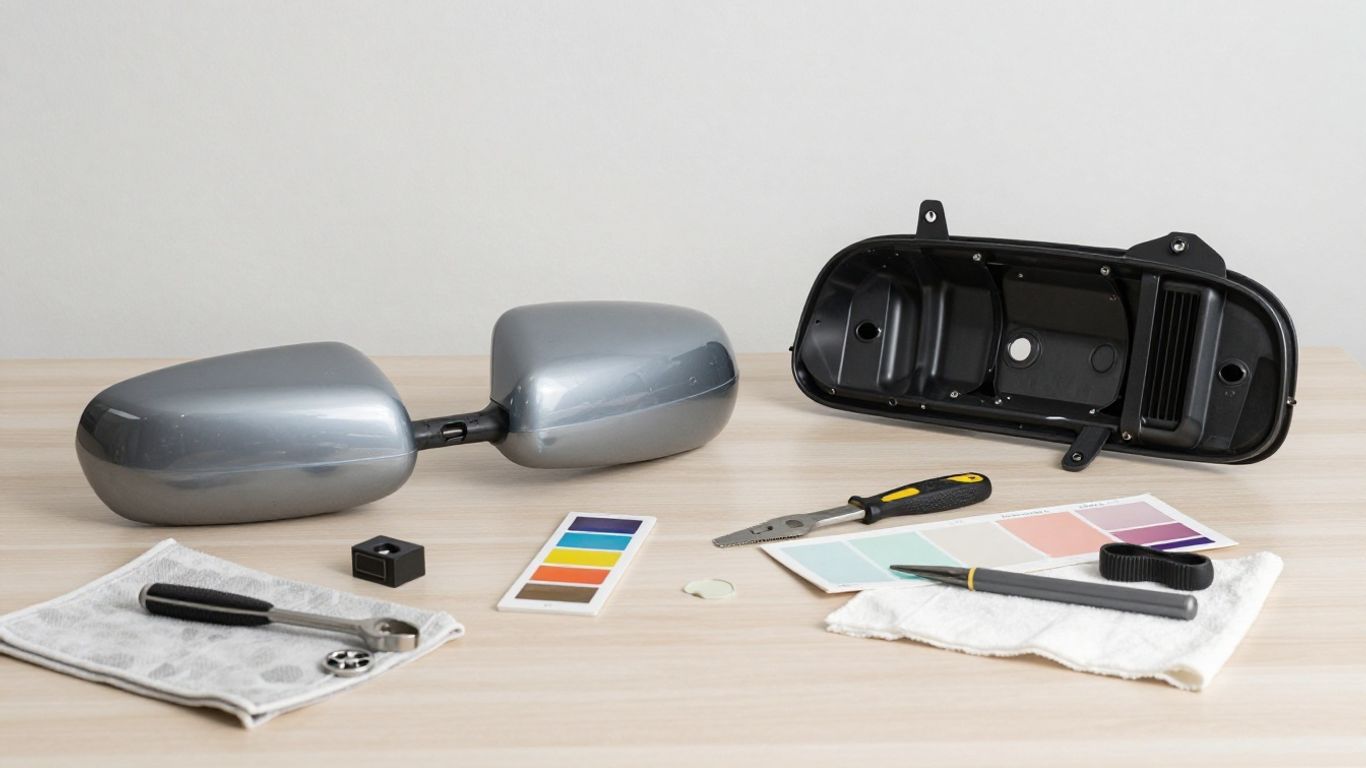
A mirror in the correct color can reduce labor, but even a close-looking finish may vary after years of sun exposure. An unpainted or differently colored housing may require preparation, paint, clear coat, and removal of trim before installation. Metallic and pearl finishes can add material and matching costs. Decide whether a visible color difference is acceptable before buying, rather than discovering the extra work after delivery.
Account for shipping, installation, and replacement parts
Add delivery charges, packing risk, fasteners, clips, seals, and any professional installation fee to the comparison. A complete assembly may be cheaper overall than a low-cost shell that needs separate glass and electronics. For a heavy or fragile item, inspect the shipping terms and photograph the parcel before opening it. This full-cost view makes the decision clearer and prevents a tempting listing from becoming an unfinished repair.
Buy second hand BMW mirrors from a reliable source
The seller is part of the purchase, especially when the mirror’s internal condition cannot be confirmed in person. A reliable source should be willing to identify the vehicle application, describe what is included, and explain how faults were assessed. Clear communication is more valuable than a polished listing with limited technical information. Keep all questions and answers in writing before payment.
Questions to ask a salvage yard or online seller
Ask for the vehicle model, generation, year, side, part number, included components, tested functions, and known damage. Request photographs of the connector, mount, glass, and rear of the housing. Also ask how the item will be packed and whether the seller has another matching component if one clip or cover is missing. Specific questions make it harder for an incomplete or incompatible part to be described as a complete replacement.
How return policies and warranties protect your purchase
Read the return period, exclusions, restocking charges, and responsibility for shipping before ordering. Check whether the warranty covers only the housing or also the motors, heating element, glass, and electronics. Some policies require the part to remain uninstalled or unused, which matters if fitment can only be confirmed during installation. Save the listing, invoice, messages, and photographs until the mirror has been fitted and tested.
Verify seller ratings, part numbers, and inventory details
Ratings can reveal patterns involving poor packing, inaccurate descriptions, or slow responses, but they should not replace fitment checks. Compare the stamped or photographed part number with your records and ask whether the pictured item is the exact unit being sold. Inventory can change quickly, particularly for common collision-repair parts. Confirm availability, side, color, and condition immediately before completing the purchase.
Avoid counterfeit, incomplete, or mismatched assemblies
Be cautious when branding, labels, casting marks, or part numbers look inconsistent. A very low price can also indicate that the glass, motor, wiring, or mounting plate is absent even when the photograph shows a complete-looking shell. Never rely on a seller’s statement that “it should work” when the connector or vehicle application is unknown. Walking away from an unclear listing is usually cheaper than adapting the wrong assembly.
Install and maintain a replacement BMW mirror
Installation varies by model and equipment, so use the correct repair instructions for your vehicle before removing the old mirror. Protect the painted door and keep removed fasteners organized, since small clips and seals are easy to lose. If the replacement includes several electrical functions, plan to test each one before refitting trim. A careful installation also gives you one last chance to catch a fitment problem while the part is accessible.
Prepare the vehicle and tools for installation
Park on a level surface, switch off the ignition, and gather trim tools, suitable sockets, screwdrivers, protective tape, and a container for fasteners. Disconnect the battery only when the repair instructions call for it, since some vehicles have procedures for managing electrical systems and stored settings. Compare the old and replacement mirrors side by side before touching the door. This simple check can expose a wrong-side or incomplete part early.
Remove the damaged mirror without harming the door
Protect the surrounding paint with masking tape and release interior trim carefully rather than prying aggressively. Support the mirror as its fasteners are removed so its weight does not pull on the wiring or scratch the door. Disconnect the electrical plug by its release tab, not by tugging the wires. If the old mirror is broken into sharp pieces, wear eye and hand protection and clear the area before continuing.
Connect electrical features and test operation
Connect the replacement firmly and check that the plug is fully seated before reinstalling panels. Test adjustment in all directions, folding, heating, auto-dimming, memory behavior, and any illumination fitted to the vehicle. Operate each function more than once and listen for abnormal clicking or grinding. If one feature fails, switch off the system and recheck the connector, fuse, wiring, and part compatibility instead of forcing the mechanism.
Align the mirror and maintain it for long-term use
Set the mirror from the normal driving position, leaving only the intended amount of vehicle body visible and ensuring the lane view is clear. Tighten fasteners evenly and confirm that the housing does not wobble when gently touched. Clean the glass with a suitable automotive product, keep the folding joint free of grit, and inspect the seal after washing. These small habits help preserve visibility and may reveal looseness before it becomes a larger problem.
Conclusion
The right second hand BMW mirrors purchase balances exact fitment, working features, honest condition details, and the complete cost of installation. Verify the vehicle and VIN first, inspect the assembly carefully, and choose a seller that stands behind the description. With those checks in place, a used replacement can be a sensible, well-matched repair rather than a gamble.