
Key Takeaways
Transitioning to a pre-owned transmission requires careful research and systematic verification of part specifications. These five essential steps guide enthusiasts through the entire procurement and installation process safely.
- Verify exact transmission model codes against your factory documentation.
- Perform physical fluid analysis to detect internal wear patterns early.
- Prioritize sellers with verifiable inventory history and return protections.
- Research specific failure modes associated with your BMW transmission variant.
- Secure professional coding services to ensure seamless electronic integration.
Compatibility and identification
Navigating the world of transmission replacement requires an acute understanding of factory specifications and engineering identifiers. Because these components are tightly integrated with the engine management systems, an incorrect match often results in permanent electrical faults or mechanical failure. Proper research during the initial phase prevents costly errors and time-consuming rework.
Deciphering BMW transmission codes
Every gearbox carries a specific manufacturing tag that dictates its gear ratios and electronic control characteristics. Enthusiasts often overlook these numeric sequences, yet they are the primary index for successful replacement. Always cross-reference the stamped part number on your existing unit with the database of available second hand BMW gearboxes to ensure identical mechanical architecture.
Checking VIN compatibility for your specific model
Your vehicle identification number serves as the ultimate map for the exact components originally installed by the factory. By running your VIN through specialized diagnostic software or official dealership logs, you can determine if a sub-variant change occurred mid-production for your year. This verification step prevents the common mistake of buying a structurally sound part that remains locked out by mismatched communication protocols.
Identifying hardware differences between manual and automatic variants
Manual and automatic transmissions operate using fundamentally different cooling paths and clutch actuation methods. Even if the housing appears physically similar, the mounting points for support brackets may differ slightly between specific trim levels. Ensuring correct physical alignment remains the absolute priority before committing to a purchase, as internal sensors often require specific hardware configurations that cannot be adjusted post-installation.
Where to source quality parts
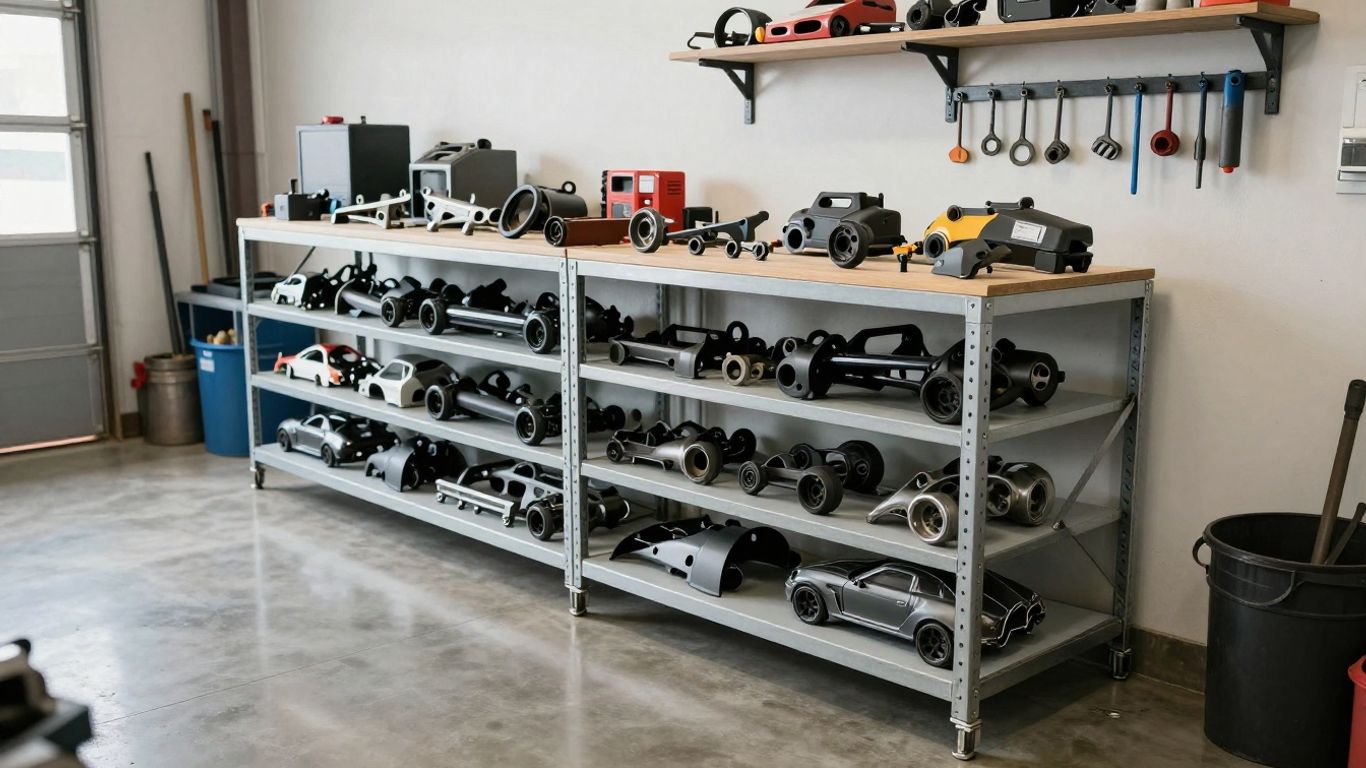
Locating a reliable component is often more challenging than the physical removal process itself. Trusted suppliers provide peace of mind by maintaining records on salvage vehicles and offering transparent return policies. Focus your search on dismantlers who specialize in European engineering, as they typically possess better documentation for their stock.
Navigating authorized salvage yards and dismantlers
Professional dismantlers categorize parts based on mileage and the running condition of the donor vehicle. These facilities often provide video evidence of the transmission holding pressure, which is invaluable when assessing salvage value. Establishing a relationship with a local specialist can lead to early access to fresh inventory before it hits the general market.
Online marketplaces versus local specialty shops
Online platforms offer an expansive reach for finding rare components, while local shops provide the tactile advantage of physical investigation. You might find that local specialized shops allow for a pre-purchase fluid drain inspection that isn’t possible through online merchants. Weigh the cost of shipping versus the value of on-site verification before making a definitive choice.
Identifying reputable sellers through history and return policies
| Feature | Professional Dismantler | Peer-to-Peer Marketplace |
|---|---|---|
| Warranty Coverage | Standard 30-90 Days | Limited/None |
| Technical Support | Extensive | Varying |
| Inventory Records | Detailed History | Sparse |
Sellers who offer comprehensive guarantees demonstrate confidence in the components they strip from modern salvage vehicles. Evaluate the transaction history strictly, looking for positive feedback specifically regarding transmission functionality over extended road tests. This vetting process is the most effective defense against buying a unit that hides deep mechanical issues until it is already mounted inside your vehicle.
Inspection criteria for used gearboxes
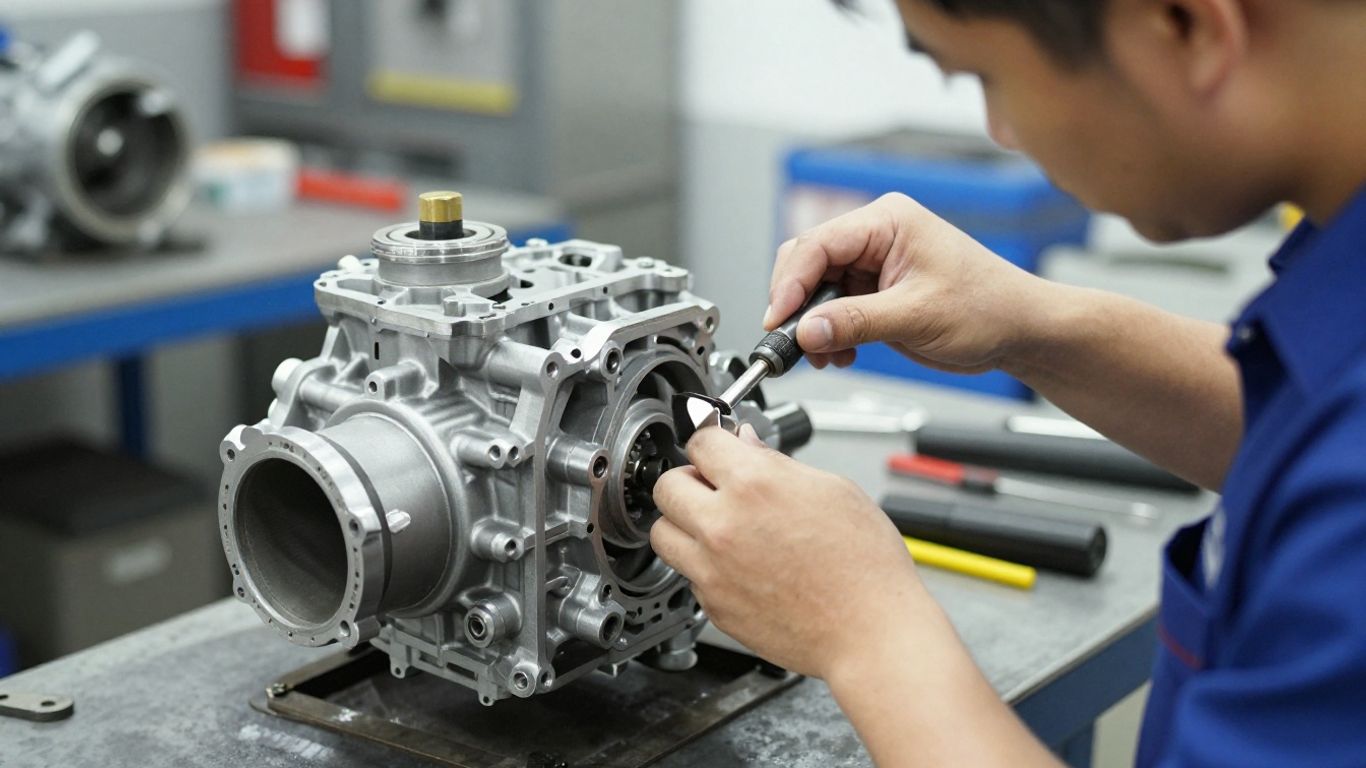
Visual inspection allows you to judge the care with which a previous owner treated the drivetrain. Even a clean exterior cannot mask the internal symptoms of chronic abuse or long-term neglect. Establish a standardized evaluation routine to catch warning signs before the transport vehicle ever leaves the yard.
Checking transmission fluid color and presence of metallic debris
Fluid serves as the blood of your drivetrain, carrying traces of every internal event that has occurred during thousands of miles. By draining a small sample, you can observe signs of burnt clutches which appear as dark, soot-filled fluid rather than the typical translucent red or gold tones. You should always look for excessive shimmering in the oil, which indicates that metal surfaces are actively shedding material due to friction.
Assessing the physical integrity of input and output shafts
The structural stability of the transmission shafts defines the longevity of the entire drivetrain connection.
Inspect the splines for any visible twisting or uneven wear patterns that suggest sudden shock loading. If the output shaft shows excessive play, it indicates that internal bearings have likely failed and will contribute to vibration immediately upon installation. Smooth, consistent surfaces on these shafts are essential for ensuring that the energy from your engine transfers cleanly to the wheels without side-loading the housing.
Evaluating the condition of internal wiring harnesses and sensors
Modern electronics govern shift patterns and locking functions, making any damaged harness a significant point of failure. Check every connector pin for signs of oxidation or corrosion which often occur when an improperly stored unit is exposed to humidity for extended periods. Even small, seemingly insignificant wires can trigger limp-mode if their resistance levels are altered by environmental damage.
Common failure points to examine
Examining the known weaknesses of a specific gearbox model provides a roadmap of where to look first during your evaluation. High-mileage units often succumb to specific internal pressures that reveal themselves through predictable symptoms. Targeting these zones during your inspection saves time and helps you filter out units that are nearing the end of their design life.
Detecting synchronizer wear in manual units
Synchronizers act as the buffer between gears, and their wear corresponds directly to the driver’s shifting habits. If you have access to shift the transmission through its range, feel for any resistance or "notchy" feedback that indicates the mechanical rings are no longer providing smooth transition paths. Consistent gear engagement is mandatory for preventing future damage to the surrounding gear faces.
Assessing mechatronics unit health in automatic transmissions
Mechatronics units function as the brain of the transmission, managing hydraulics and electronic signals simultaneously. Because they are delicate, any history of fluid contamination or severe electrical spikes can render them permanently unresponsive. Look for any documentation suggesting that the unit was serviced or replaced, as this significantly increases the current functional value of the transmission.
Identifying torque converter issues in high-mileage units
Torque converters on well-used transmissions often suffer from internal seal degradation that causes fluid bypass. If you notice signs of shuddering during acceleration, this is a prime indicator that the converter lock-up clutch is failing to hold pressure as intended. This specific component is difficult to repair in isolation, making it crucial to test or verify before settling on a purchase price for the gearbox.
Logistics of installation and maintenance
Successfully installing a second-hand unit is only half the battle, as the software environment must be synchronized immediately. Modern vehicles will not accept a new component until the computer recognizes the transmission profile correctly. Plan for a period of adjustment where sensors are calibrated and the fluid is brought to its operational state.
Professional requirements for electronic coding and calibration
Most modern transmissions require a handshake with the engine control unit to operate correctly within the broader vehicle network. Failure to perform this handshake will result in a disabled vehicle, even if the mechanical installation is executed perfectly. Always secure a qualified technician who can perform these digital calibrations to ensure that the transmission timing matches the engine’s power output perfectly.
Best practices for fluid flushing and filter replacement
Fresh fluid stabilizes internal temperatures and provides the lubrication necessary for longevity. Always replace the filter and seal whenever you are starting with a new unit, as the old filter contains the cumulative debris of the unit’s previous life. This simple act of renewal ensures that the new installation benefits from optimal pressure flows from the very first kilometer of use.
Verifying the integrity of transmission mounts and bushings during reinstallation
Mounts often harden or crack over time, leading to excessive vibrations that migrate from the gearbox to the cabin. Substituting these old supports for fresh, resilient rubber components makes the entire drive feel tighter and more responsive. Investing in high-quality hardware for these mounting points guarantees that your transmission remains held at the correct angle relative to the driveshaft and engine.
Conclusion
Finding and installing a replacement gearbox requires balancing mechanical diligence with modern technical requirements for electronic integration. By focusing on provenance, verifying internal conditions through fluid and shaft analysis, and ensuring proper database programming, you protect the investment you have made in your vehicle. With a methodical approach to sourcing and a commitment to quality maintenance, you can extend the performance life of your car for many seasons to come.