

Key Takeaways
Navigating the purchase of a replacement engine requires a blend of technical identification and careful vendor selection to ensure long-term reliability. By following these five steps, you can secure a functional motor while avoiding common pitfalls in the secondary market.
- Identify your specific BMW model engine code using your unique VIN.
- Conduct thorough internal inspections to check for sludge and wear before purchase.
- Prioritize sellers that provide verified mileage and clear service histories.
- Budget specifically for auxiliary components to avoid surprise costs during repairs.
- Maintain detailed professional installation records for any future warranty claims.
Understanding the different types of BMW engines
Transitioning to a replacement engine demands a clear grasp of BMW’s naming structures and the various states in which these units are sold. Matching the replacement to your chassis specifications ensures electrical and mechanical compatibility, which prevents unnecessary delays once a mechanic begins the disassembly process. Choosing the correct engine classification is the most crucial first step in any long-term project.
N-series versus B-series engine naming conventions
The shift from N-series to B-series nomenclature represents a transition in modular design where BMW moved to a more standardized platform architecture. N-series engines often focus on performance-specific developments, while B-series units emphasize thermal efficiency and shared components across different displacement levels. Understanding these generations helps you narrow your search to the exact family compatible with your vehicle’s ECU.
Identifying your specific engine code using the VIN
The Vehicle Identification Number is the ultimate source of truth when identifying which power unit belongs in your engine bay. By decoding the VIN, you can distinguish between early and late production dates that might share the same displacement but feature different sensors or mounting points. Always cross-reference this data with the donor vehicle’s history if available.
Distinctions between used, remanufactured, and rebuilt engines
You must decide on the level of intervention required for your vehicle, as the condition of the internal components significantly impacts both immediate performance and expected longevity. The following table outlines the fundamental differences between these purchasing routes:
| Classification | Internal Condition | Typical Scope of Work |
|---|---|---|
| Used Engine | Original OEM | Removal and run-testing only |
| Rebuilt Engine | Partially Refreshed | Replacing high-wear seals and gaskets |
| Remanufactured | Factory Spec | Full machining to meet original tolerances |
Selecting the right path depends on your long-term ownership goals and the current mechanical state of your chassis. While used engines are common, those seeking decades of additional service often look toward thoroughly remanufactured units.
Essential inspections before purchasing
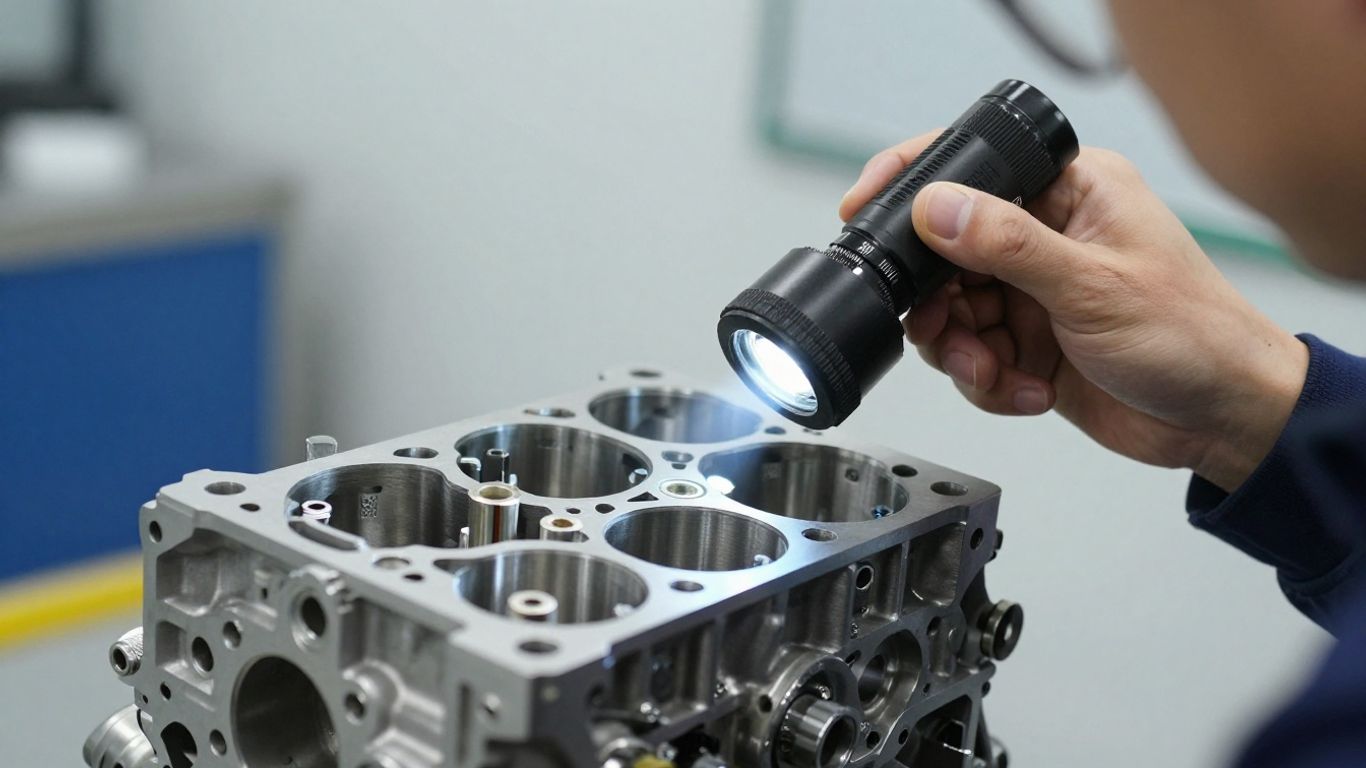
Conducting a physical and diagnostic assessment of the engine is vital before funds are transferred to the seller or an aftermarket distributor. Even if the vendor claims a unit has been tested, your own verification provides the peace of mind necessary to commit to the installation. These steps isolate potential issues before they become your headache in the service bay.
Checking for signs of internal sludge and component wear
Visual assessments should involve removing the oil filter housing or valve cover to look for crusty, dark deposits that signal poor maintenance. If the oil passages are clogged, the likelihood of premature bearing failure increases significantly. Look for clean, golden surfaces rather than heavy carbonization.
Verifying the engine’s mileage and verifiable service history
Low-mileage engines are generally preferred, but a high-mileage unit with a documented service log can be a safer long-term investment. Request records that prove consistent fluid changes, as this history is the strongest indicator of a block that has avoided thermal stress and internal corrosion.
Interpreting compression test results for engine health
A compression test measures the efficiency of the seals within each cylinder, providing a snapshot of the engine’s remaining life. If one cylinder shows significantly lower pressure than the others, you are likely looking at a need for immediate valve work or piston ring replacement. This diagnostic check is non-negotiable for any unit purchased without a factory warranty.
Sourcing reliable sellers in the aftermarket
Finding a trustworthy source for used BMW engines for sale can feel daunting given the volume of online marketplaces. Focusing on established automotive dismantlers or importers reduces the risk of inheriting another individual’s mechanical neglect. Professional sellers often invest in pre-sale testing, which is a major advantage for the average owner.
Vetting junkyard inventory versus specialized automotive dismantlers
General junkyards often treat engines as bulk scrap, whereas specialized dismantlers focus on specific European brands and understand the nuances of BMW hardware. Specialized dismantlers have technicians on staff who can verify sensor integrity, ensuring the unit you receive is closer to "plug-and-play" status.
Benefits of buying from BMW-certified engine importers
Importers who focus on low-mileage inventory sourced from international markets often provide documented proof of export mileage. Their business model depends on repeat customers, which encourages them to be transparent about the condition of the engine’s ancillaries. Dealing with established importers minimizes the chance of receiving a unit that has sat outdoors for years.
Red flags to watch for when dealing with private sellers
When dealing with individuals or unverified online listings, beware of sellers who cannot provide a VIN for the donor car or who refuse to allow a third-party compression test. If the deal price seems significantly lower than market average, it often reflects hidden costs you will later incur at the shop. Trust your instincts when the lack of transparency is evident.
Costs and logistics of engine replacement
Budgeting for the swap involves more than just the purchase price of the block itself, as peripheral parts often need replacement during the transition. You must account for new gaskets, seals, and a fresh cooling system overhaul because the engine is at its most accessible point while on the engine stand. Strategic planning prevents the common issue of a stalled project waiting for missing hardware.
Budgeting for auxiliary parts, gaskets, and professional labor
The total cost should include a buffer for unpredictable labor hours, especially during the wiring harness integration phase. Many mechanics also suggest replacing the water pump and engine mounts since the old components are likely fatigued. Having these parts ready on the shelf keeps the project moving smoothly.
Understanding freight shipping and core charge policies
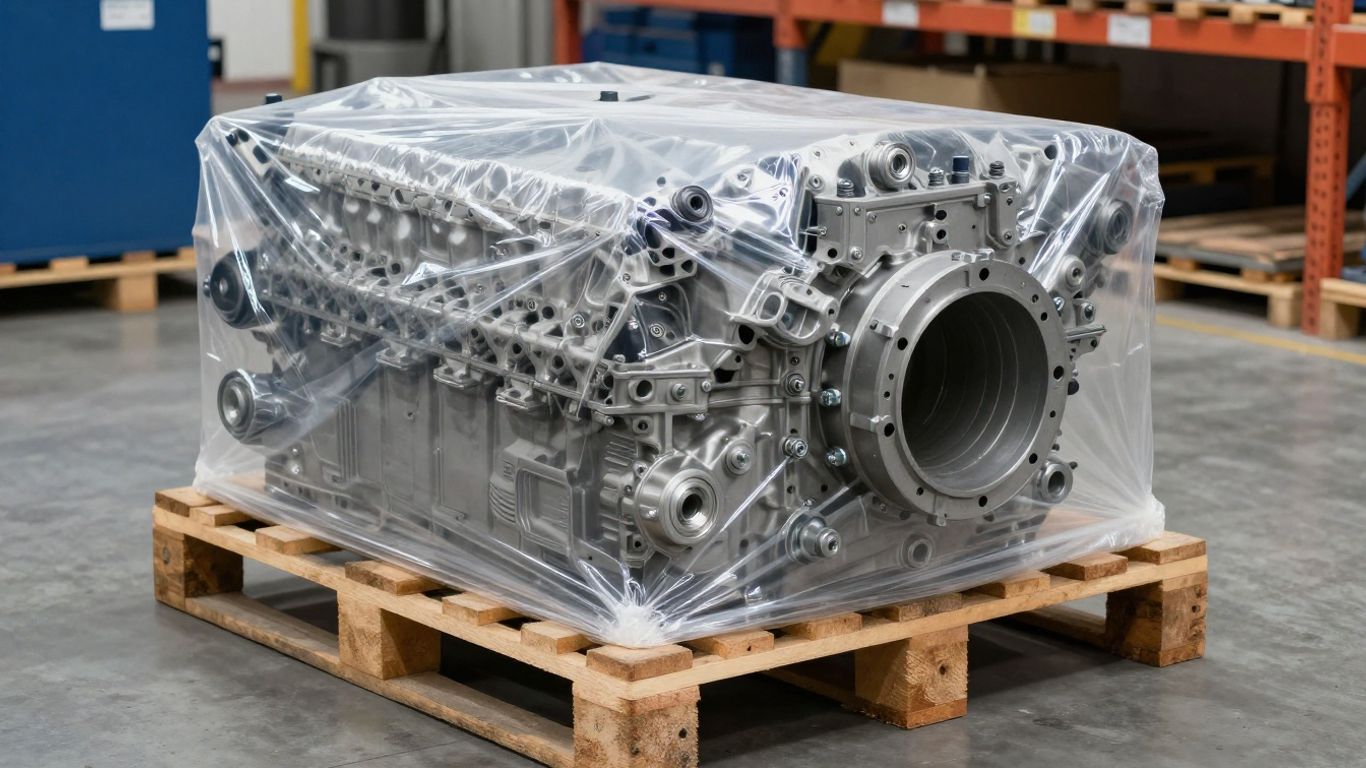
Shipping a heavy engine requires specialized freight handling to prevent damage to delicate intake components or mounting points. Additionally, many sellers apply a core charge that is only refunded once your old, damaged engine is returned to their facility. Always read the shipping contract to see who is liable for transit damage.
Protocols for inspecting the engine upon delivery for transit damage
Before you sign for the shipment, carefully inspect the pallet for signs of oil leaking or crushed components. If you notice a bent fuel rail or cracked plastic housing, documentation at the moment of arrival is required for insurance claims. Never bypass this inspection just because the driver is in a hurry.
Maximizing the lifespan of your replacement engine
Once the engine is installed, your focus should shift toward long-term preservation of the internal components. Simple habits often separate blocks that last for another hundred thousand miles from those that fail prematurely. Following a strict maintenance regimen is the most reliable way to maintain the health of your investment.
Recommended maintenance schedules for high-mileage blocks
High-mileage engines benefit from shorter oil drain intervals to ensure that detergents keep the cylinder heads clean. Periodically testing cooling system pressure also prevents the catastrophic overheating that is the number one enemy of aluminum blocks in these vehicles.
Addressing common failure points before initial installation
Replacing known culprits like plastic water pump housings or thin-walled coolant hoses while the engine sits outside the bay prevents future leaks. Addressing these small items on the bench is significantly cheaper than performing the same labor once the unit is sealed inside the crowded engine compartment.
By attending to these items early, you eliminate the single point of failure that often strands owners during roadside incidents. A proactive approach to cooling and seals makes the entire vehicle more dependable.
Importance of following proper engine break-in procedures
Even a used engine requires a period of adjustment to ensure that fluids penetrate all necessary seals. Avoid heavy acceleration and sustained high RPM for the first few hundred miles to allow the internal components time to reach operating temperature and seat correctly. Gentle use after installation validates the health of the rebuild or used unit.
Legal and warranty considerations
Decoding specific warranty terms and coverage duration
Warranty coverage on used units usually focuses solely on the internal block integrity rather than external sensors. Read the fine print to determine if the warranty remains valid if you perform the installation yourself or if it requires a receipt from a licensed mechanic.
Verifying the legal origin of the engine to prevent title issues
Always ensure the donor vehicle’s VIN is provided so you can verify that the engine was not flagged as stolen. Some jurisdictions require proof of purchase that links the engine to a specific, legal entity. This documentation is essential if you ever attempt to resell the vehicle.
Documenting the professional installation process for future claims
Keep a file of all invoices including labor, fluid flushes, and hardware replacements performed during the installation. If the engine suffers an internal malfunction, having a records package serves as your best defense when filing a claim. This paper trail validates that the failure stems from a defect rather than poor installation.
Conclusion
Securing a quality replacement engine is an exercise in rigorous due diligence, from identifying the correct engine family to verifying the seller’s transparency and documenting the final installation. While the process may seem complicated, following these structured steps ensures that your vehicle returns to the road with a dependable heart, allowing you to enjoy your driving experience for years to come.