
Key Takeaways
Properly identifying and installing recycled BMW differentials provides an effective way to restore drivetrain performance while managing repair costs. Following specific technical protocols ensures long-term reliability for your vehicle.
- Verification of exact gear ratios remains the most critical step before purchase.
- Sourcing from reputable specialists reduces the risk of acquiring damaged carrier assemblies.
- Physical inspection of internal components and seals prevents premature failure after installation.
- Adhering to manufacturer procedures for fluid selection and torque specs is non-negotiable.
- Systematic heat cycling allows gears to settle, which promotes lasting durability for the replacement unit.
Understanding BMW differential types and compatibility
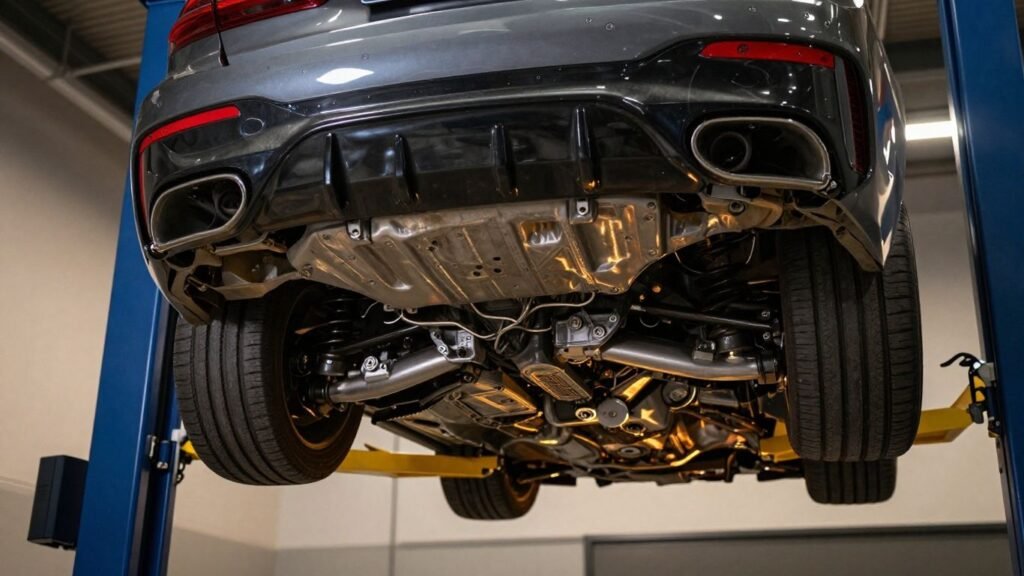
Selecting a differential for a BMW requires careful attention to the specific drivetrain configuration unique to your chassis. Mixing components across different series often leads to failure or electronic stability control conflicts. Always consult your factory build sheet to ensure the selected unit aligns with your specific transmission and engine output. When sourcing recycled BMW differentials, accuracy is the primary driver of success.
Identifying your specific gear ratio
The gear ratio dictates how your vehicle accelerates and maintains highway speeds. Matching this ratio exactly to your OEM specifications will prevent speed sensor errors and check engine lights from appearing on your dashboard. You can review the common variations for classic and modern platforms in the comparison chart below.
| Vehicle Chassis | Typical Gear Ratio | Application Type |
|---|---|---|
| E90 3 Series | 3.08:1 | Standard street |
| F30 3 Series | 2.81:1 | High-efficiency drive |
| E84 X1 | 3.23:1 | All-wheel performance |
Ensuring you purchase an exact ratio match saves hours of troubleshooting after the physical swap is finished.
Differences between open and limited-slip differentials
An open unit allows wheels to rotate at different speeds, which is perfectly suited for daily commuting and predictable highway driving. In contrast, a limited-slip unit transfers torque to the wheel with traction, providing superior grip during aggressive cornering or slick conditions. BMW models equipped with M-Sport packages often mandate specific limited-slip variants that must be verified against your VIN to maintain handling characteristics.
Checking part number cross-references for your vehicle chassis
Part numbers are often stamped directly onto the aluminum casing of the differential housing. Even if two units look identical externally, different internal clutch packs or bearing sizes can render them incompatible. Cross-referencing these numbers against a parts catalog ensures you do not force a mechanical mismatch onto your vehicle mounts.
Where to source high-quality recycled parts
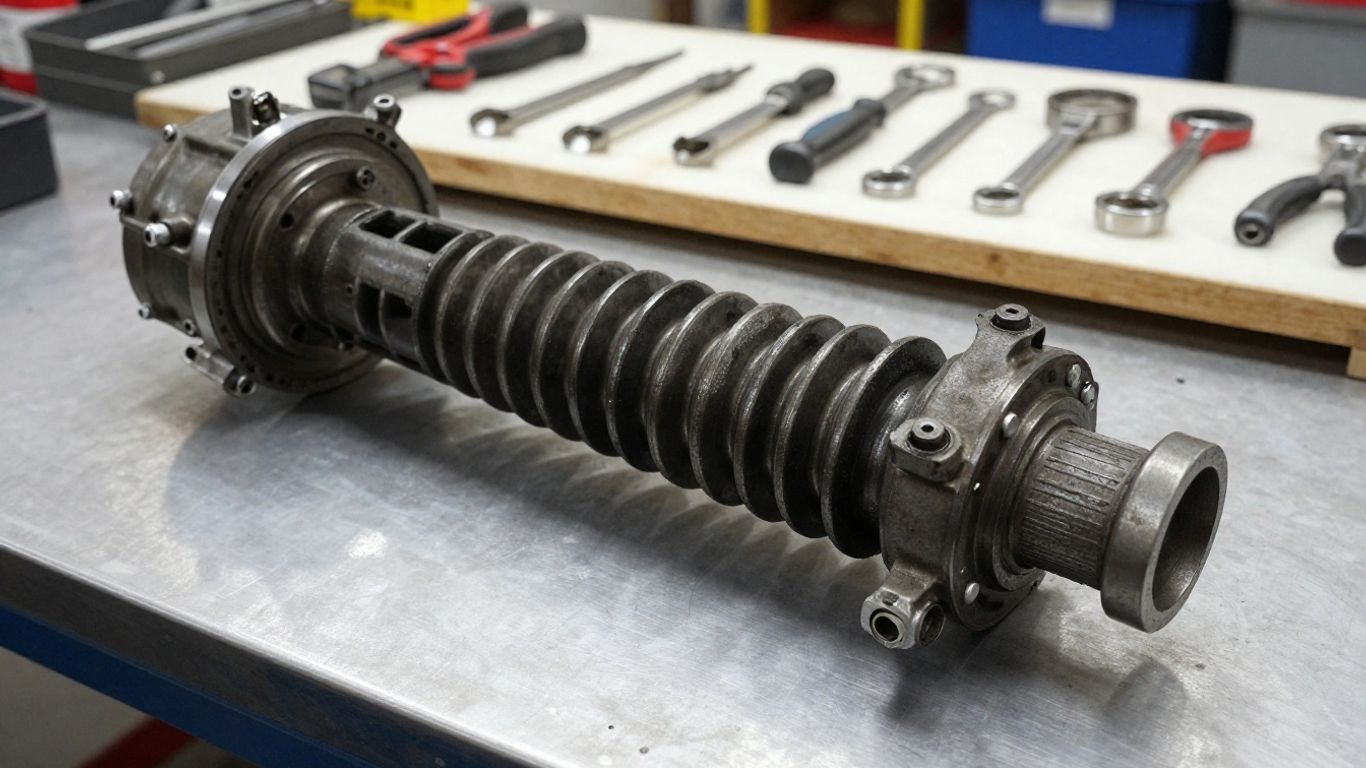
Finding a reliable source for drivetrain components involves examining the history and testing processes of the vendor. High-quality sellers provide clear photos of the part, including the date of removal and donor vehicle details. Avoid generic listings that lack specific mileage or accident recovery data, as these often hide internal damage you cannot see until the unit is opened.
Evaluating reputable salvage yards and specialized parts vendors
Reputable vendors often focus exclusively on European brands, which means they understand the nuances of BMW carrier durability. They frequently perform preliminary testing, such as verifying pinion rotation, before offering the item for sale. Prioritize businesses that offer a clear warranty period, as this reflects confidence in the condition of their inventory.
Inspecting external casing for signs of prior accident trauma
External housing cracks or bent mounting ears are immediate red flags indicating high-impact trauma. Even if the internal gears seem functional, the shell integrity is compromised, risking catastrophic failure under the high torque loads of daily driving. Inspect every corner of the housing for fresh weld marks or metal deformation that suggests it originated from a totaled vehicle.
Importance of provenance and verifiable vehicle mileage documentation
Mileage history provides a useful baseline for assessing the wear on internal bearings and shim stacks. While a low-mileage unit is generally preferred, documentation from a well-maintained vehicle is more valuable than mystery low-mileage parts. Understanding the provenance allows you to estimate the remaining service life of the differential before it needs a full rebuild.
Inspecting a used differential before installation
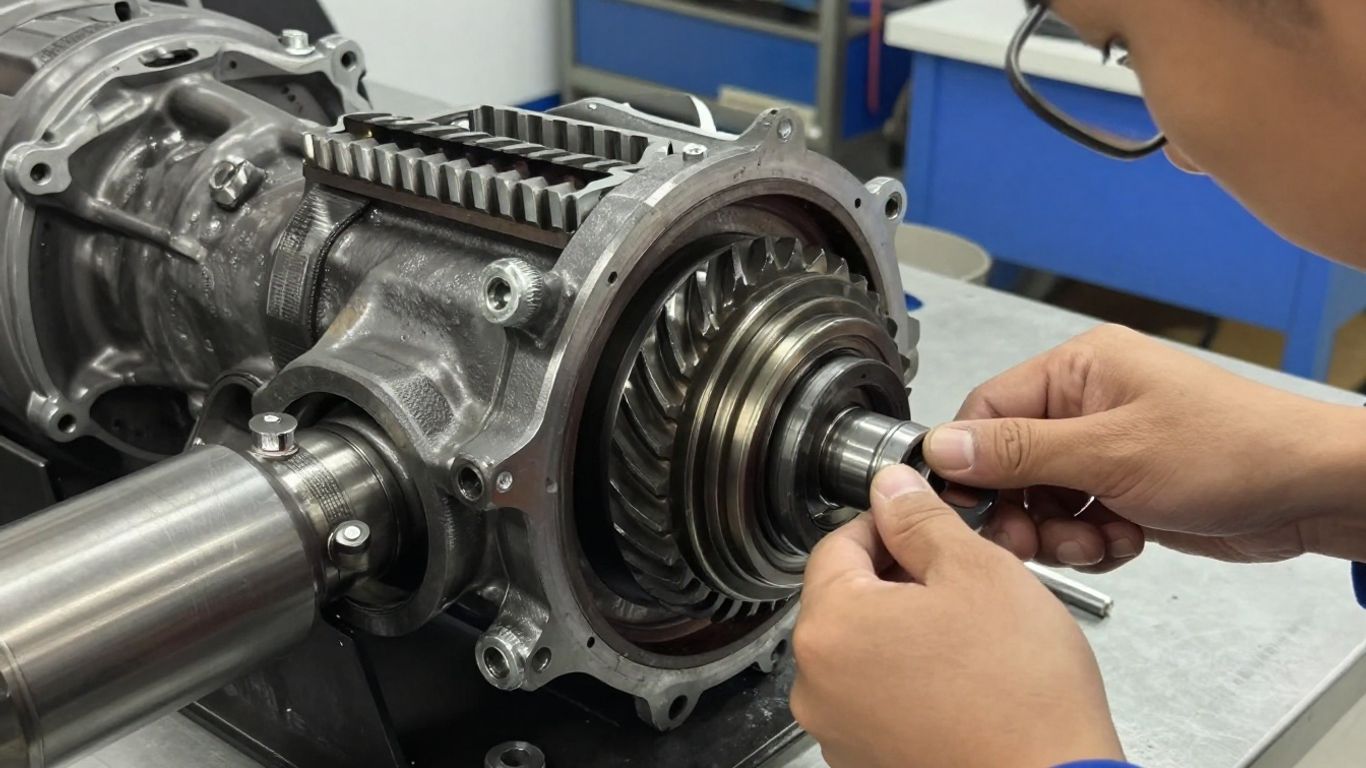
Conducting a thorough physical inspection while the part is on the workbench creates a safe environment for discovery. Most issues with used gearboxes are detectable before the unit is ever bolted into the subframe. Use this time to verify the health of the internal components and ensure the housing is free of debris.
How to check for backlash and excessive pinion play
Backlash refers to the minute space between the gear teeth, and excessive movement here causes clunking during gear transitions. By rotating the input flange while holding the output shafts steady, you can feel for the engagement slap of the gears. A minimal amount of play is normal, but anything more than a slight movement typically indicates worn teeth or a failing pinion bearing.
Analyzing the condition and clarity of the internal lubricant
Drain the old gear oil into a clean pan to inspect for metallic shards or a cloudy, burnt appearance. Large metal fragments are a clear sign of impending gear failure. A slightly dark color is normal, but the oil should never resemble metallic paint or contain heavy sediment that suggests internal clutch or bearing disintegration.
Testing the integrity of the pinion and output shaft oil seals
Oil seals are the first point of failure in many aging differentials. Check around the input flange and the output axle stubs for signs of seepage or fluid caking. Even if the seals currently hold, replacing them now is a proactive measure that prevents the need to drop the entire differential assembly again in six months.
Essential preparation for differential replacement
Success in this job depends on having the right tools ready well before you start loosening the suspension bolts. You will be working under the car for hours, so efficiency with each fastener is vital for your stamina and accuracy. Ensure you have the proper sockets and leverage tools confirmed before beginning the teardown.
Gathering the necessary specialized automotive tools
Torque wrenches calibrated for the specific fasteners involved are mandatory for a safe installation. You might also require a bearing puller or specific driveshaft flange tools depending on the year of your platform. Having these items organized ensures you do not have to stop mid-project to search for an obscure puller or deep-well socket.
Selecting the appropriate synthetic gear oil for your BMW model
Choosing the correct viscosity and additive package is essential for preventing differential whine. Manufacturers specify exact requirements that address the friction characteristics of your internal gears. Running the wrong fluid, especially in units equipped with limited-slip plates, can lead to accelerated wear and permanent chatter within the differential internals.
Ordering essential hardware and bushing replacements for the swap
Reuse of old bolts, especially those that have undergone thermal cycling, can lead to failure under tension. It is standard practice to replace the mounting hardware, lock nuts, and subframe bushings whenever the differential has been removed. Installing fresh, rubber-dampened bushings significantly improves the feeling of the rear end and eliminates vibrations transferred to the chassis.
Best practices for installation and break-in
Installation requires patience to avoid pinching seals or misaligning the driveshaft and axles. Every bolt must be torqued in a specific sequence to prevent uneven loading on the housing or the bushings. Once the physical connection is complete, the focus shifts to internal gear seating through a controlled break-in phase.
Following the correct alignment and factory torque specifications
Incorrect torque settings can lead to distorted housings or loosened fasteners over time, resulting in structural failure of the unit. Use a methodical approach to tighten bolts in a cross-pattern to maintain even pressure across all mounting points. Ensuring the final alignment centers the driveshaft perfectly reduces unnecessary stress on the guibo flex disc.
Performing the initial heat cycle for recycled gears
Driving the vehicle through short heat cycles allows the gears to expand and contract gradually while learning their new contact patches after being reinstalled.
This deliberate method is the safest way to ensure that recycled gears do not experience immediate heat-related damage. By keeping low-speed trips short and allowing the assembly to cool fully in between, you help the metal surfaces stabilize and prevent the fluid from overheating.
Monitoring for abnormal noise or temperature spikes post-install
During the first hundred miles, be sensitive to any subtle humming or vibration originating from under the floorboards. If you notice a sudden temperature increase near the housing or hear a new metallic whine, check the fasteners immediately for any signs of movement. Careful observation during this period confirms that your installation is solid and the unit will perform reliably.
Conclusion
Restoring your vehicle with quality recycled parts remains a rewarding project that extends the life of your performance car. By meticulously identifying the correct gear ratio, verifying the physical condition of the unit, and following precise installation steps, you ensure that the drivetrain operates as intended for many miles to come. With preparation and careful attention to detail, your replacement differential will deliver the smooth control that defines the driving experience you expect from your machine.