
Key Takeaways
Finding the right components for your vehicle involves balancing budget and quality. Use these five points to guide your search for automotive replacements:
- Check your specific production date to ensure exact fitment for all trim levels.
- Always source components from reputable recyclers to guarantee part safety.
- Inspect structural integrity before confirming any purchase of secondhand items.
- Use clear communication with freight providers to manage shipping expectations.
- Verify electronic functionality early to confirm that modules match your vehicle.
Deciding between new, used, and aftermarket doors
Choosing the right door for your vehicle involves weighing financial costs against long-term reliability and visual quality. Many owners must decide if the convenience of a quick search outweighs the manufacturing standards associated with different source categories.
Pros and cons of original equipment manufacturer parts
Original equipment manufacturer parts are engineered specifically to match the fit and finish requirements established during your vehicle’s initial construction. While these items often carry a premium price tag, they frequently provide seamless integration with existing locks and hinge mounting points. Selecting these parts minimizes risks associated with improper gaps or mismatched aesthetic profiles.
Evaluating the quality of used salvage doors
Used components from salvage yards often represent a viable way to acquire high-quality steel or aluminum panels at a lower entry cost. Since these panels were harvested from previously running vehicles, you gain a part with factory-applied anti-corrosion coating already intact. However, you must carefully review the documentation provided by the recycler to understand how the donor vehicle was treated during its initial service life.
Compatibility considerations for aftermarket replacements
Aftermarket options occupy a unique space in the market, providing new sheet metal that caters to those seeking a cost-effective alternative to dealer prices. Compatibility varies significantly between manufacturers, as some brands utilize thinner gauge steel or simplified internal bracing compared to factory specifications. Verifying the reputation of the manufacturer remains the best way to determine if an aftermarket door will sit properly within your chassis line.
Impact of replacement parts on vehicle resale value
Strategic decisions regarding body repairs influence how a future buyer perceives the history of your vehicle. Installing components that lack factory markings can sometimes raise questions regarding the quality of prior accident repairs or restoration transparency. Documenting your choices through receipts and high-quality photography provides peace of mind to future owners that you prioritized structural stability for your car.
Verifying compatibility with your specific BMW model
Accurate research is necessary to identify components that match the specific configuration of your luxury machine. Because manufacturing cycles change frequently, assuming that a trim level remains identical across production years is a common error that leads to compatibility issues.
Locating your vehicle identification number for lookups
Your vehicle identification number serves as the primary key for navigating complex part databases. By using this unique seventeen-character code, specialists can cross-reference exactly which door shell architecture was utilized during the assembly of your frame. This simple step prevents the acquisition of panels intended for different geographic markets or emission configurations.
Understanding part numbers and donor vehicle years
Specific production years often introduce subtle changes in internal mounting brackets or sensor locations. Matching your vehicle year to the donor vehicle ensures that internal wiring looms and window motor configurations align with your current equipment. When you consult an official representative for original BMW parts, they look for these exact manufacturing windows to ensure a perfect match.
Essential trim level and body style matching
Matching the correct door requires attention to the number of doors and the body style your vehicle displays. A coupe variant features a wider frame to accommodate a different hinge geometry compared to a four-door sedan configuration. Always verify whether your desired component aligns with the specific door count and body design of your car to avoid unnecessary returns.
Identifying technical differences between pre- and post-facelift models
Mid-cycle refreshes often alter the exterior contour of panels, even if the underlying chassis remains largely consistent. These cosmetic changes sometimes involve different molding attachments or slightly modified beltline curves. Failing to differentiate between these versions often results in uneven physical gaps that are difficult to correct during the final installation process.
Assessing the condition of secondhand BMW doors
Visual surface inspections only reveal the beginning of what you need to understand about the panel. Deeper structural assessment is required to ensure that the piece you select does not introduce unseen maintenance burdens, as the door shell constitutes the primary structural barrier against weather and road debris during your daily commute.
Identifying hidden structural damage and oxidation
Surface-level paint scratches are often acceptable, but underlying rust or ripple damage to the metal suggests a poor history of exposure or collision. Carefully examine the edges and the inner skin for evidence of bubbling or past filler work that might indicate a compromised substrate. Authentic factory finishes usually resist environmental degradation far better than poorly applied aftermarket sealant layers.
Checking the integrity of hinges and weatherstripping
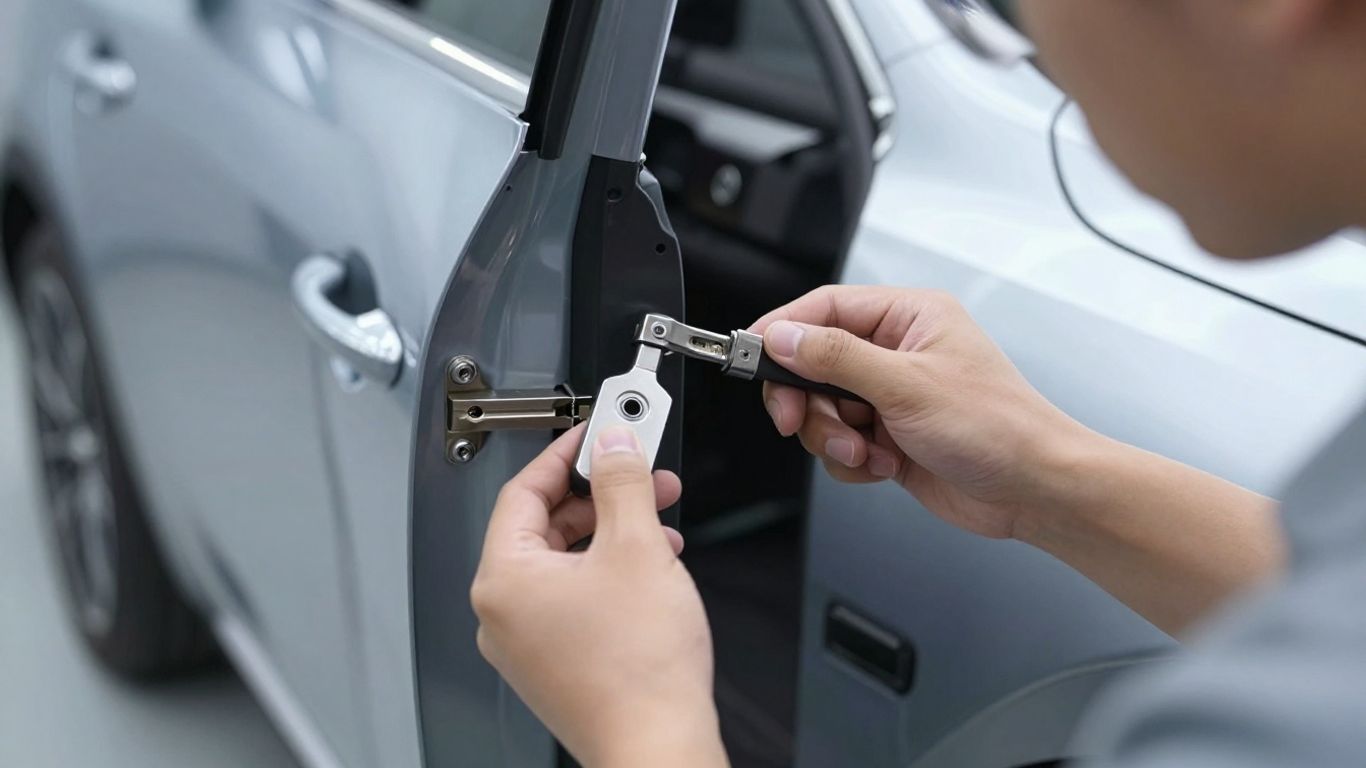
Damaged hinges prevent the door from hanging correctly and can lead to long-term wear on the latch mechanism. If the provided hinges show signs of heavy friction or vertical play, plan for the cost of replacement hardware. Checking the soft rubber channels ensures you do not have to source additional seals just to maintain a quiet and dry interior cabin.
Inspecting internal window regulators and locking mechanisms
Mechanical components hidden inside the door panel deserve a thorough review to confirm they operate smoothly and hold pressure where required.
| Component | Inspection Focus | Status Indicator |
|---|---|---|
| Window Motor | Audible operation | Smooth movement |
| Lock Actuator | Engagement speed | Consistent clicking |
| Manual Lever | Resistance level | Fluid travel |
Verifying these internal components during the screening process saves you from needing to dismantle the panel a second time after you have already initiated the installation.
Evaluating paint condition and factory color code matching
Finding a panel that matches your specific factory paint code saves expensive hours of body shop labor. Even with a matching code, slight variations in color fading might exist based on whether the original vehicle was garage-kept or exposed to constant ultraviolet light. Always request photos taken in natural daylight rather than inside a dark warehouse to get an honest assessment of the current finish.
Navigating online marketplaces and salvage yards

Digital marketplaces allow you to search geographically distant inventory, but they require a proactive approach to verify credibility. Professional recyclers often provide better consistency than private sellers, as they typically maintain organized cataloging of all available inventory.
How to vet professional auto recyclers and sellers
Prioritize businesses that offer transparent business addresses and established contact lines for support. Established recyclers understand how to label their stock according to specific vehicle options. Reading feedback from other customers provides insight into whether the seller honors their shipping commitments and whether their descriptions are consistent with the items that arrive at your door.
Negotiating freight shipping costs for large body panels
Transporting heavy sheet metal requires specialized logistics that simple courier services often cannot handle effectively. Discussing freight options early in the process ensures you receive a fair price for the transit service. Many professional yards have preexisting contracts with freight companies that bring the cost down compared to booking a random shipment on your own.
Importance of requesting detailed high-resolution photography
High-resolution imagery is your only tool for identifying minor imperfections when you cannot see the item in person. Ask for shots from multiple angles, including clear views of the mounting faces and the underside of the door skin.
Always ensure that the images provided highlight potential cosmetic defects, as this allows you to budget correctly for any necessary bodywork or paint refinishing required before the installation process.
Taking time to gather this information prevents costly surprises when the pallet finally gets delivered to your driveway.
Understanding buyer protection plans and return policies
Even with careful vetting, mistakes can occasionally occur during the classification or loading processes at the yard. Before committing to a purchase, confirm the specifics of the return policy regarding accidental damage sustained during transit. Knowing that you are protected by a clear return process provides the confidence needed to finalize high-ticket transactions.
Logistics of transporting and handling large body parts
Managing a full-sized door panel safely requires deliberate planning to avoid accidental bending or surface gouging. Because these parts are inherently heavy and awkward to maneuver, proper equipment and a stable landing area are essential for an incident-free project.
Benefits of freight shipping versus sourcing via local pickup
Choosing local pickup enables you to inspect the item physically, but it requires you to have a vehicle large enough to transport a full door without risking structural sagging. Freight shipping, while carrying a higher upfront cost, guarantees that the component is secured on a pallet specifically designed for the dimensions of automotive exterior panels. This protects the integrity of the hinges and locking assemblies during the middle of the journey.
Safe storage techniques to prevent sagging or warping
Once the replacement door arrives, store it on its side, ideally supported by foam blocks or a designated rack to maintain its intended geometry. Leaving a door tipped on an edge or leaning precariously against a flat vertical wall can result in long-term warping of the frame. Ensuring the weight rests evenly across the base of the door preserves the factory lines vital for a tight fit.
Equipment needed for the safe handling of heavy, unwieldy doors
Attempting to lift and mount a full assembly alone often leads to physical strain or accidental damage to the surrounding body paint. Using a dedicated door cart or enlisting a second person for support makes the process of aligning bolt holes much more manageable. When working in your home garage, having a stable padded surface ready for temporary placement significantly reduces the chance of scratching the exterior surface.
Preparing the replacement door for potential paint work
If the color match of your sourced door is off, preparing the item while it remains off the vehicle allows for easier access to all edges and corners. Professionals often recommend cleaning and scuffing the surface for paint while it sits on a sturdy stand, ensuring the primer bonds uniformly. Addressing these final aesthetic touches while the door is not yet attached saves your car’s existing paint finish from potential over-spray.
Best practices for installing a replacement door
Proper installation relies on precise tool management and a systematic approach to wiring and hardware. Once the panel is securely attached, your focus shifts to achieving the desired body alignment and validating that all electronic features operate as they did before.
Required tools for door panel and hinge hardware removal
Equipping yourself with non-marring pry tools, high-quality socket sets, and a torque wrench ensures that you do not strip the fine-threaded bolts typical of vehicle assembly. Having the right size hex or Torx bits is non-negotiable, as forcing a loose-fitting tool into a factory-tightened bolt can cause permanent damage to the fastener head. Always use hand tools for the initial loosening to prevent over-torquing or snapping hardware unnecessarily.
Safely transferring wiring harnesses and electronic control modules
Replacing a door often involves migrating complex electronics, including central locking controllers and window regulators, into the new frame. Take high-resolution photos of the routing before disconnecting anything, as factory wire runs follow strict paths to avoid pinch points. Gentle handling of these clips and plugs is vital, as internal plastic tabs can become brittle over time and may require careful coaxing to release without snapping.
Alignment adjustments for achieving a perfect body line
Achieving flush panel fitment often requires iterative testing and slight adjustments to the hinge mounting positions. Before final tightening of the main bolts, ensure the door rests lightly in the opening to observe where gaps appear tight or wide. Incremental movements allow you to center the door accurately within the surrounding pillars, ensuring smooth latch operation and consistent weather seal contact.
Testing power locks, windows, and speakers after reassembly
With everything mounted, run a full sequence of functional tests before final trim installation. Confirm that the power lock remote functions accurately, the window travels its full length without hesitation, and any integrated door speakers reproduce sound cleanly without interference. Ensuring these systems are operational minimizes the frequency with which you will need to revisit the interior panel components later.
Conclusion
Securing a replacement door for your vehicle requires careful attention to compatibility and structural history, yet it remains one of the most rewarding ways to maintain your car. By utilizing original BMW parts where possible and verifying every component before proceeding with installation, you ensure a lasting fix that maintains the integrity and look of your machine.