
Key Takeaways
Acquiring a quality replacement starter requires careful inspection of both electrical and mechanical components before finalizing the purchase. Success depends on verifying specific BMW chassis compatibility and utilizing proper installation techniques to ensure longevity.
- Visual inspection reveals surface damage or debris affecting the solenoid and gear.
- Bench testing confirms whether the motor engages and spins correctly under power.
- Part numbers must align with your specific vehicle chassis and engine model.
- Sourcing from reputable dismantlers ensures better reliability than private, unverified sellers.
- Proper tool preparation and grounding checks prevent common post-installation electrical failures.
Evaluating the condition of second hand BMW starters
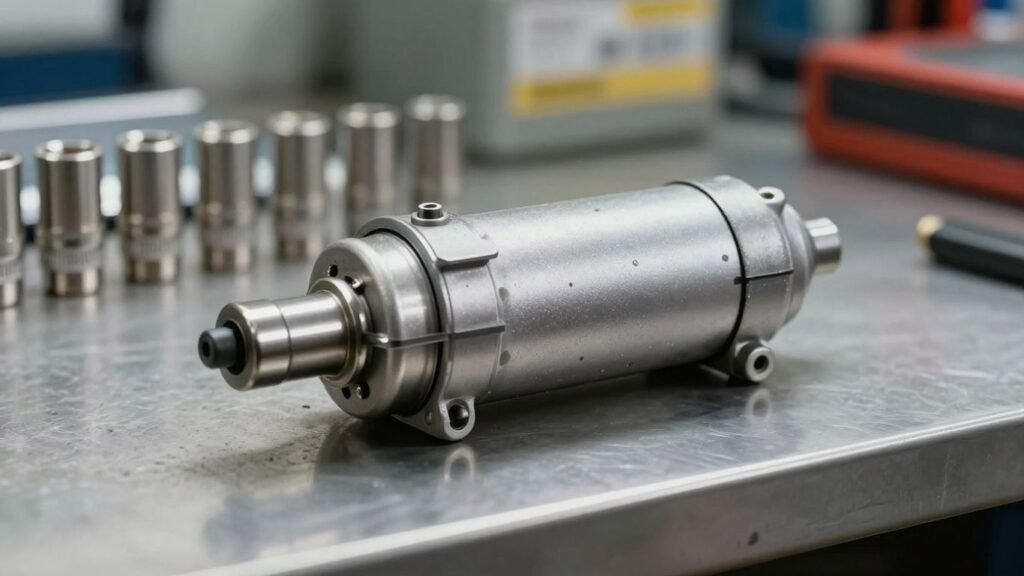
Finding a reliable starter for your project vehicle often starts with a visual and physical assessment of the unit itself. Many components fail gradually, meaning even a salvaged starter might have significant internal wear despite an exterior that looks acceptable. Taking time to inspect individual parts reduces the risk of having to perform the labor twice.
Identifying signs of electrical wear
Electrical issues typically manifest as charred contacts or melted insulation near the threaded terminals of the solenoid. When examining a unit, look for signs of overheating which often point to long-term strain within the motor windings. A heavily corroded connection also indicates past exposure to moisture, which can degrade the internal copper coils over time.
Assessing the condition of the drive gear
The engagement teeth on the drive gear often tell the story of how the engine flywheel was treated throughout its lifecycle. Look for chips, excessive rounding of the gear edges, or uneven wear patterns that indicate misalignment during previous operation. If the pinion gear shows significant metal loss, it is advisable to seek an alternative unit to preserve your own flywheel.
Checking for solenoid functionality
The solenoid acts as the bridge between your battery and the motor, so its ability to shift the drive gear is critical. If you can physically manipulate the plunger mechanism, it should move smoothly without binding or requiring excessive force. A sticking solenoid often necessitates a replacement of the entire assembly.
The importance of bench testing before purchase
Before you finalize any transaction, conduct a bench test using a solid battery and jumper cables. By connecting the negative to the case and the positive to the heavy post, you can jump the solenoid trigger to observe if the unit engages immediately. Always secure the starter firmly while testing, as the sudden torque of the motor can cause it to jump or dance across your workspace.
Understanding compatibility and BMW model years
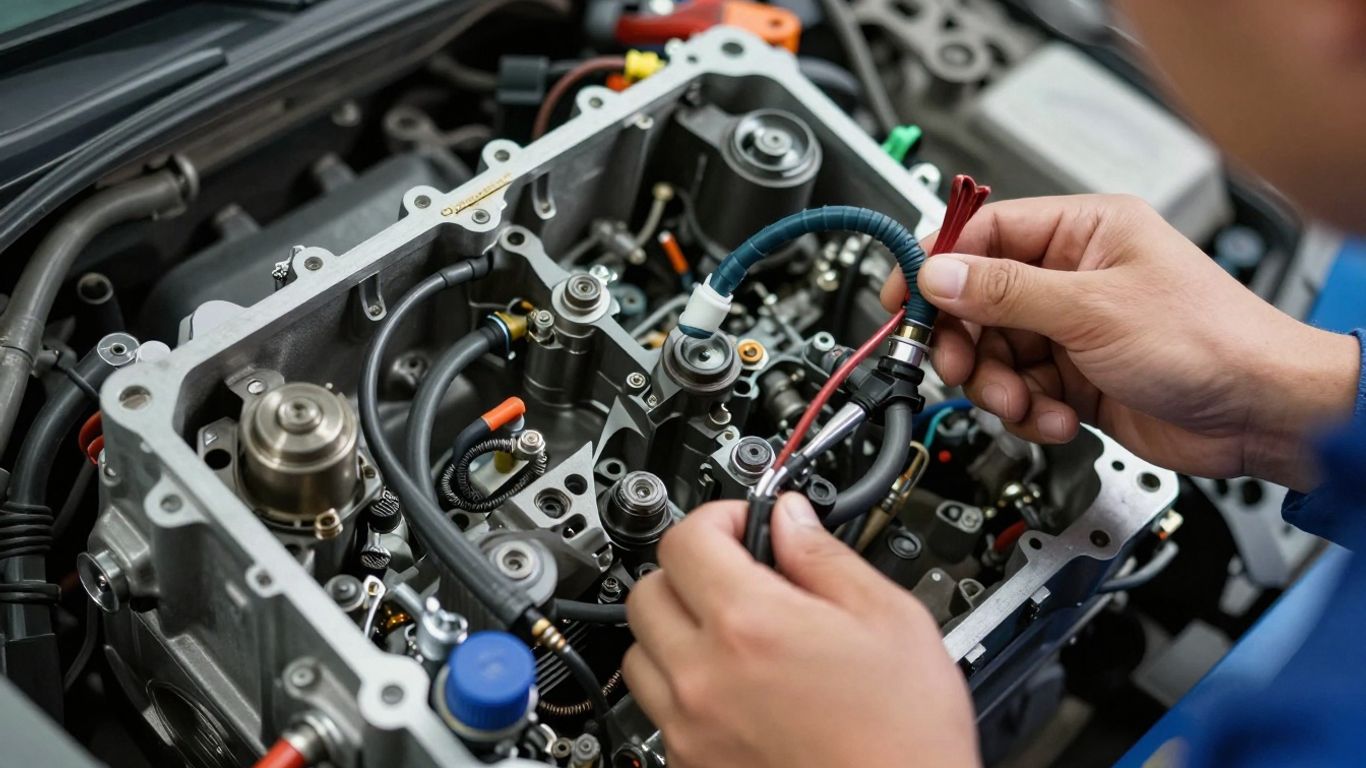
Vehicle compatibility in the BMW ecosystem is tightly bound to specific chassis codes and production dates. Simply matching an engine displacement is rarely sufficient, as wiring layouts and mounting flanges frequently shift across different generations. Using the wrong part can lead to persistent startup faults that are difficult to diagnose later.
Decoding part numbers for specific chassis codes
Every BMW component is tagged with a unique part number that links specifically to the chassis code, such as an E46 or F30. These identifiers override generic assumptions about fitment, as even subtle changes in electrical signaling can prevent proper engagement. Cross-referencing these numbers against your original part is the most reliable way to avoid incompatible hardware.
Differences between cold weather and standard starters
In some regions, manufacturers installed beefier starters with higher torque output to overcome the resistance of thickened oil during freezing temperatures. These cold-weather variants are physically different in internal winding construction despite fitting the same engine bell housing. Choosing the correct specification ensures the engine cranks reliably even when ambient temperatures drop low.
Cross-referencing compatibility across engine families
Many engines share a common architecture, allowing you to source a Bosch starter motor from a different model within the same generation. You should confirm that the bolt patterns and drive gear diameter match your specific engine block requirements exactly. Broadening your search this way can uncover high-quality parts that were technically listed for a different series.
Avoiding fitment errors with transmission variations
Manual and automatic transmissions often utilize different flange designs or gear offsets to engage the flywheel correctly. A starter designed for a ZF automatic may not align with the bell housing of a manual gearbox, resulting in premature failure or damage. Always confirm the transmission type before proceeding with a purchase from a salvage vendor.
Where to source reliable used auto parts
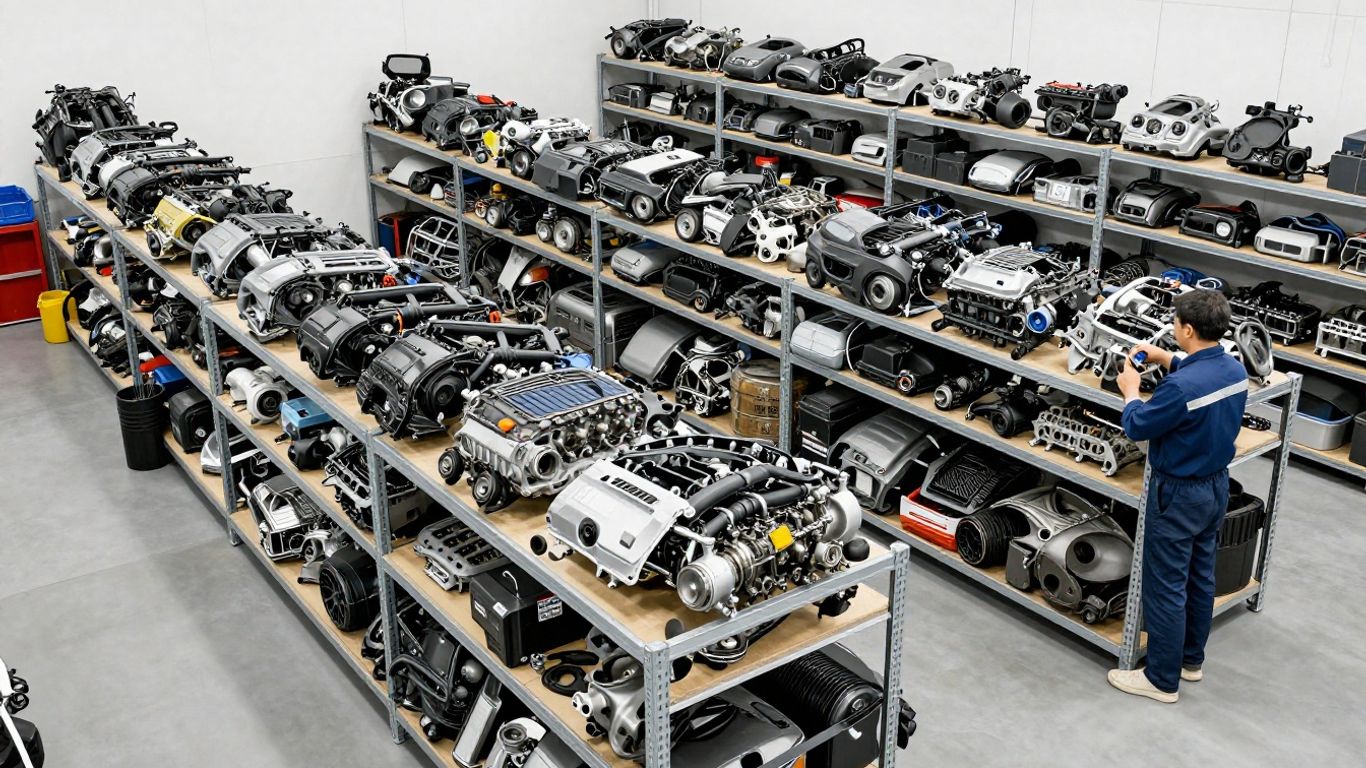
Acquiring parts from salvage operations requires balancing cost against the predictability of the component’s history. Professional dismantlers typically offer a better experience than private transactions because they process vehicles systematically and can often provide information about the donor car. This structured approach helps in obtaining a functional unit without hidden defect risks.
Evaluating salvage yards and professional dismantlers
Professional facilities usually categorize their engines and electrical parts based on mileage and service history, which is essential for BMW owners. Visiting a yard in person allows you to inspect the vehicle’s general condition, which often reflects the level of maintenance the electrical components likely received. Most reputable establishments will provide a basic warranty that protects against immediate failure.
Navigating online marketplaces for specialized parts
Online platforms provide access to a wider pool of components, yet they lack the tactile benefits of a physical inspection. When searching online, prioritize listings that include high-resolution photographs of the mounting surface and the B-plus terminal, as these spots often show the most critical wear. Sellers who document the removal process are generally more transparent about the condition of the hardware.
Verifying seller reputation and return policies
Before completing a purchase, confirm the seller’s return policy and their history with other automotive enthusiasts. A seller who specializes in BMW dismantling is more likely to understand the sensitivity of electrical components and pack them securely for shipping. Checking community forums or feedback scores provides insight into whether the supplier honors their stated replacement guarantees.
The trade-off between private sellers and accredited wreckers
Private sellers might offer lower prices, but they often lack the diagnostic oversight provided by accredited wreckers. Buying from an individual means the part might have been sitting in a garage for years, potentially exposed to moisture or extreme heat cycles. Accredited facilities generally offer a more standardized testing procedure that reduces the uncertainty inherent in secondary parts markets.
Tools and preparation for the installation process
Successful installation depends entirely on your access to the right tools and a clean work environment. Since most starter-related tasks occur deep within the engine bay, having a clear plan for removing surrounding components is essential. Attempting to force a poorly fitted tool into a tight spot often results in stripped hardware.
Essential metric toolkits for engine bay work
Having a comprehensive set of metric sockets, specifically with various extensions and swivels, is non-negotiable. The bolts holding the starter in place are often positioned in a way that requires specific torque access.
| Tool Type | Utility | Recommendation |
|---|---|---|
| Metric Sockets | Engine mounting hardware | 6-point sockets only |
| Extension bars | Reaching hidden bolt heads | Locking extensions preferred |
| Torque wrench | Finalizing bolt tightness | Calibrated 1/2 drive |
These tools ensure that every fastener is secured according to the manufacturer’s specification, preventing loose electrical connections that lead to excessive heat buildup.
Safety precautions for disconnecting the battery and SRS
Before touching any electrical wires, always disconnect the negative battery terminal to prevent accidental shorting or damage to sensitive control modules. BMW systems are highly sensitive to voltage surges, so ensure the battery remains isolated throughout the entire installation. If your specific model has a battery management sensor, follow the manufacturer’s instruction for sensor recalibration upon reconnection.
Preparing the mounting surfaces for a solid connection
Clean the mating face of the engine block and the starter housing to ensure a clean electrical ground. Any debris, rust, or paint buildup can introduce resistance, which interferes with the high-current demands required to turn the engine over. A clean connection allows for full voltage transmission, which is crucial for the longevity of your replacement unit.
Accessing tight spaces in modern engine bays
Accessing the back of the engine often requires removing plastic intake components or secondary coolant hoses to reach the mounting bolts. Take clear photos of every hose and wire connector you displace, as this provides a reference for your reassembly. Removing these minor obstructions creates a clear, unobstructed path that simplifies the alignment of the starter assembly.
Troubleshooting common installation and starting issues
Installing a new starter does not guarantee an immediate success, as external wiring issues can sometimes mimic a failed component. If the engine remains unresponsive, systematically verifying the circuit is the only way to isolate the fault. Being methodical prevents the frustration of repetitive labor that often follows a hasty installation.
Diagnosing a clicking noise after hardware replacement
Grounding integrity dictates the total system voltage available throughout the entire engine bay electrical circuit during the high-load startup phase.
If you hear a distinct clicking sound, it indicates that the solenoid is attempting to engage, but the motor lack enough current to spin the pinion gear. This typically suggests poor contact at the main positive cable or a failing ground strap that cannot accommodate the required current. Inspect the cables for oxidation, as even minor resistance limits the total output achievable.
Dealing with persistent grounding problems in the circuit
Persistent grounding issues are often hidden within the braided engine straps that connect the block to the chassis. These straps naturally corrode over time due to road salt and heat, creating excessive resistance that hampers the starter’s operation. Replacing these ground points is an often overlooked but necessary step in stabilizing the electrical health of the entire engine.
Ensuring the starter relay is properly seated
The starter relay, typically located in the integrated power distribution box, must be checked to ensure it is not loose or corroded. A relay that is not seated correctly will cause intermittent starting issues regardless of how new the starter motor is. Verifying the relay function with a multimeter can quickly rule out a simple control-side failure.
Testing starter engagement under load conditions
After ensuring all bolts are torqued and wires are secured, test the engine ignition in short, controlled bursts. Pay attention to the sound of the engagement; a smooth, consistent spin indicates proper alignment and gear spacing. If the starter still struggles, check the battery health again to confirm it can handle the intense power draw of the starting process.
Conclusion
Restoring a BMW to reliable starting condition with second hand parts requires a diligent approach to compatibility and careful mechanical verification. By confirming component provenance, verifying fitment through part numbers, and ensuring electrical grounds are solid, you can efficiently resolve starting failures while maintaining the long-term performance of your vehicle.