

Key Takeaways
Finding the right BMW part starts with accurate vehicle details and a clear understanding of your repair needs. A little checking before you buy can help avoid delays and unexpected costs.
- Compare genuine, OEM, aftermarket, and used options against the repair and your budget.
- Confirm fitment with your model details, VIN, and the relevant part number.
- Ask suppliers about stock, warranty terms, returns, and delivery before ordering.
- Inspect used components closely and request available donor-vehicle and testing details.
- Include shipping and installation in your cost comparison, then keep repair records.
Understand your BMW parts options
The right replacement part depends on what has failed, how the vehicle is used, and what you are comfortable spending. BMW parts Sydney searches may bring up new, aftermarket, and recycled choices, but the labels alone do not tell you whether a part suits your car. Start by identifying the repair need, then compare the options that meet it. A careful match is more useful than choosing by price alone.
Compare genuine, OEM, and aftermarket parts
Genuine parts are sold as BMW parts, while OEM and aftermarket labels describe other routes to a replacement. Ask the seller what the label means for the specific item, and check whether its part number and application suit your vehicle. Availability and terms can differ, so compare the actual item and its coverage rather than assuming all parts in one category are alike. The right comparison is between options confirmed for your car and repair.
Consider recycled and used components
A used component may be worth considering when the part is available in suitable condition and the seller can provide useful details about it. Ask whether it has been inspected or tested, how its condition is described, and what happens if it does not fit or work as expected. The answers help distinguish a practical saving from an uncertain purchase. For parts that affect safety or require substantial labour to replace, make the decision with a qualified repairer’s advice.
Match part choices to your budget and repair needs
Price is only one part of the decision. A low-cost option may make sense for a straightforward repair, while a part that is difficult to access or costly to install deserves closer consideration of condition, warranty, and expected service life. This simple comparison can help frame the conversation with a supplier:
| Option | What to clarify | Useful consideration |
|---|---|---|
| Genuine part | Exact part number and application | Confirm it matches the vehicle details |
| OEM or aftermarket | Manufacturer, specification, and coverage | Compare the specific part, not just the label |
| Used or recycled | Condition, testing, and donor details | Include return terms in the decision |
Use the table as a starting point, not a substitute for checking fitment. A suitable part with clear terms may be a better value than a cheaper item that leaves important questions unanswered.
Confirm fitment before you buy
Correct fitment begins with precise information about the vehicle and the part being replaced. Similar BMW models can have differences across years, trims, or configurations, so a broad description may not be enough. Gather the details before requesting a quote or placing an order. A few minutes of verification can prevent a mismatched delivery and a stalled repair.

Identify your BMW model, year, and trim
Write down the model, model year, and trim or variant, along with any other vehicle details the supplier requests. If you are unsure which designation applies, check the vehicle documents or the information displayed on the car rather than relying on memory. Be specific when describing the part and the side or position where relevant. These details give the supplier a better starting point for searching its catalogue or stock.
Use the VIN to check compatibility
The vehicle identification number can help a supplier narrow down which parts apply to your specific car. Provide it through the supplier’s usual process and ask them to confirm the match before you pay. A VIN check is not a reason to skip reviewing the quoted part description; make sure the item being supplied is the one you discussed. Keep a record of the confirmation alongside your order information.
Verify part numbers and superseded components
If you have the number from the old part, share it with the supplier and ask whether it corresponds to the replacement being offered. Part numbers may change, so ask whether the number has been superseded and whether the proposed replacement is listed as compatible. Do not assume that a similar-looking component will fit. Where the details are unclear, pause the order and get confirmation from the parts supplier or your repairer.
Choose the right Sydney parts supplier
A useful supplier does more than quote a price: it helps you establish whether the item is appropriate and what the purchase terms are. Local availability can be convenient, but stock and delivery arrangements vary from one business to another. Ask clear questions and compare the answers for the part you need. That makes it easier to judge service on practical details rather than a general promise.
Check BMW expertise and inventory
Describe your BMW and the repair, then ask whether the supplier can check the application using the vehicle details and part number. Confirm whether the item is physically available, needs to be sourced, or is subject to a special order. If a listing is brief, ask for clarification on its condition and exact specification. An informed, specific response is more useful than a broad assurance that a part should fit.
Review warranties, returns, and support
Before ordering, read the warranty and return conditions for the exact item. Ask how long you have to report a problem, whether the part must be uninstalled or unused for a return, and what documentation is required. For used parts, check whether the terms differ from those for new parts. Save the supplier’s written answers so you can refer back to them if an issue arises.
Compare local pickup with delivery options
Pickup may suit a repair that is already underway, while delivery can be more convenient if the supplier is not nearby. Ask for the expected dispatch or collection timing, the shipping charge, and how larger or fragile parts are handled. If you need the part by a particular date, say so before confirming the order. Comparing the full arrangement helps you choose the option that fits the repair schedule.
Evaluate used and recycled parts
Used parts can offer another route when a suitable component is available, but condition and purchase terms matter. Ask what is known about the part rather than relying on a photograph or a brief listing. A seller may have different levels of detail for different components, so make your questions specific. The aim is to understand both what you are buying and what recourse you have if it is unsuitable.
Inspect condition and ask about testing
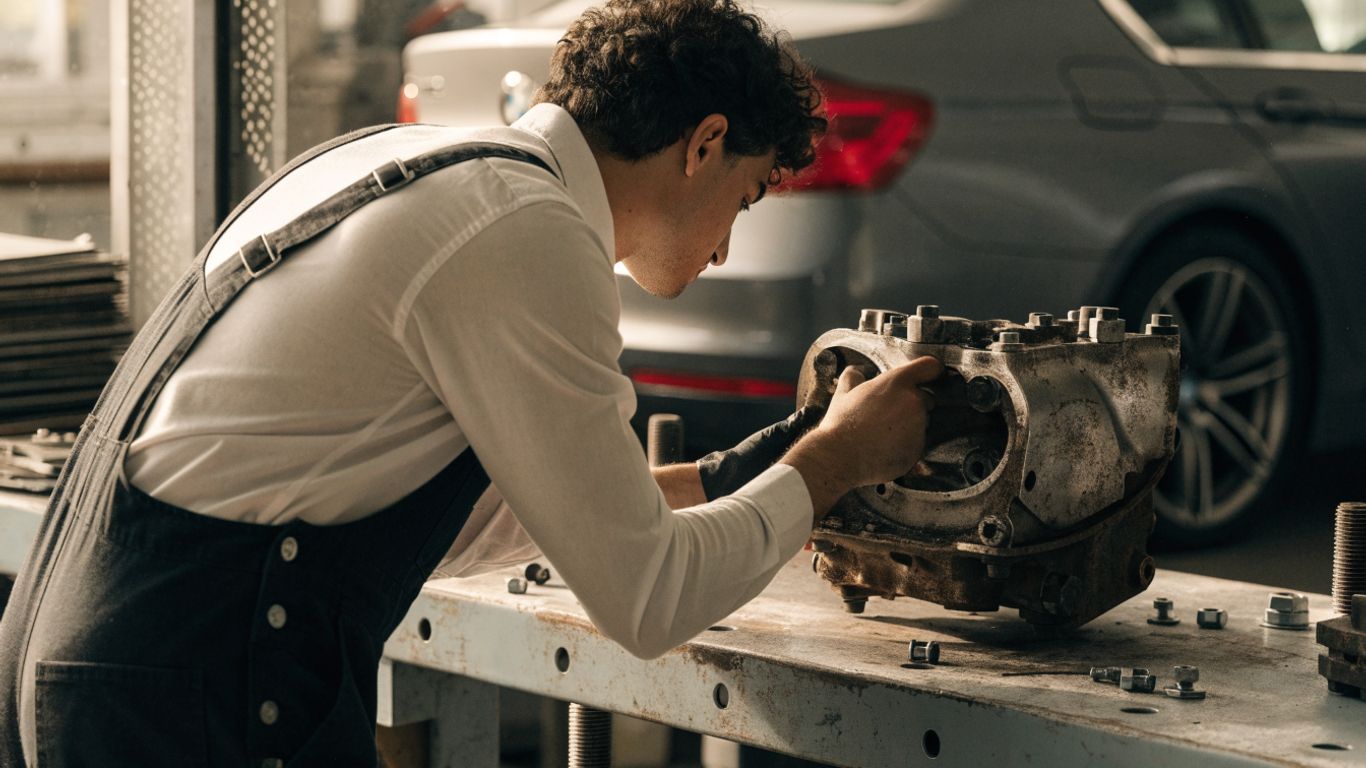
Request clear photographs and a description of visible wear, damage, or missing pieces. Ask whether the item has been tested and, if so, what that testing covered; do not treat the word “tested” as a guarantee beyond the seller’s stated process. For parts where hidden faults could be costly, discuss the risk with the repairer before purchase. Check that the part shown or described is the exact one that will be supplied.
Check mileage, history, and donor vehicle details
Where available, ask for the donor vehicle’s model, year, mileage, and relevant history. These details can help you assess the context of a used component, but they do not prove its condition on their own. If the supplier cannot provide a particular detail, ask what information is available instead. Use what you learn alongside the inspection and return terms to decide whether the part is appropriate.
Confirm warranty coverage and return eligibility
Get the warranty period and return conditions in writing before you pay. Confirm whether labour, removal, or installation costs are excluded, and ask how a fitment concern or faulty component should be reported. A short return window may affect your repair plan, especially if the part will not be installed immediately. Make sure the timing and requirements are workable before committing.
Compare pricing and ownership costs
A quoted part price does not always show the total cost of completing a repair. Shipping, taxes, installation, and any additional work can change the final amount. Ask for the details in a format you can compare across suitable options. This helps you weigh savings against the time and expense involved in getting the car back on the road.
Request a complete quote
Ask the supplier to identify the part, confirm the fitment details used, and list any extra charges. If the quote covers a used item, ask that its condition and applicable warranty or return terms are clear. Check whether the price is for the part alone or includes anything else. A written quote makes it easier to spot differences between offers and avoid assumptions.
Factor in shipping, taxes, and installation
Add delivery charges and applicable taxes to the part price, then ask your repairer for an installation estimate if you are not doing the work yourself. Some repairs may involve additional components or diagnostic steps, so confirm what is and is not included in the estimate. If collecting locally is an option, compare its time and travel costs with delivery. The lower listed price is not necessarily the lower total cost.
Weigh upfront savings against expected lifespan
Consider how long you expect to keep the vehicle, how the part will be used, and what it could cost to repeat the repair. A lower initial price may be attractive, but a component with uncertain condition or limited coverage can carry more risk. Ask the repairer whether the available options are appropriate for the job. Choose based on the full cost and repair context, not a single number.
Plan installation and aftercare
Once you have found a suitable part, plan how it will be fitted and what records you will need afterward. Some repairs are manageable for a confident DIY owner, while others call for specialist tools or experience. Confirm the scope with a repairer before ordering if the installation is unfamiliar. This keeps the part choice connected to the work required to complete the repair.
Decide between DIY and professional installation
Consider your experience, the tools required, and the consequences of an installation error. If the job involves safety-critical systems or you are uncertain about the procedure, seek advice from a qualified professional. Ask the repairer to review the part details before purchase, particularly when the item is used or the return period is limited. That conversation can help avoid ordering a part that is difficult to install or unsuitable for the work.
Confirm whether coding or calibration is required
Some replacement parts may need additional setup, coding, or calibration, depending on the vehicle and component. Ask the repairer or supplier whether any such steps apply to the specific part and model before the work begins. Do not assume that physical fit alone means the repair is complete. Clarifying the requirement early helps you budget for the full job and arrange the right support.
Keep receipts and document the repair
Save the quote, invoice, part number, warranty information, and any fitment confirmation. Note the installation date and who carried out the work, and keep relevant repair records together with the vehicle documents. If a problem appears later, these details make it easier to explain what was supplied and installed. Clear records also give you a useful reference for future maintenance.
Confirm the part, the terms, and the installation plan before you commit to the purchase.
That final check is simple, but it ties the whole process together: fitment, cost, and aftercare all matter to a successful repair.
Conclusion
Finding BMW parts in Sydney is easier when you start with accurate vehicle details, compare the actual part and its terms, and include installation in the total cost. Take time to confirm fitment and condition before paying, especially for a used component. With the right questions and a clear repair plan, you can choose an option that suits both your BMW and your budget.