

Key Takeaways
Finding the right replacement part starts with accurate vehicle details and a clear understanding of the part’s condition. A few checks before ordering can help prevent delays and avoidable fitment problems.
- Use the VIN and original part number to narrow down the correct component.
- Compare new, used, and refurbished parts in light of the repair and your budget.
- Confirm fitment, quality information, warranty coverage, and return terms before paying.
- Request an itemized quote and ask when the part can be collected or delivered.
- Plan installation and any return steps before the order is finalized.
Identify the BMW part you need
A useful parts search begins with more than the vehicle’s badge and model name. Details such as the year, engine, and transmission can matter when components vary across versions. If you’re contacting a BMW parts supplier Canberra, having those details ready makes the first conversation more productive.
Use your VIN to confirm the vehicle’s exact specifications
The vehicle identification number (VIN) can help a supplier identify the specific vehicle you own. Find it on the vehicle or in its documents, then share it when requesting a fitment check. It’s a more precise starting point than relying on a model name alone, especially if you’re unsure which version or equipment level you have.
Record the part number from the original component
If the original part is accessible, note any number or code printed on it before it is removed or discarded. These markings can help narrow a search, but they should be checked against the vehicle details rather than treated as a fitment guarantee. A clear photo of the label or component may also help when you’re discussing the item remotely.
A matching number is a useful clue, but confirm it against the vehicle before ordering.
Keep the number, a photo, and your VIN together when you contact suppliers. That gives staff more than one way to check what you need and can help resolve mismatches early.
Note symptoms and vehicle details before contacting suppliers
Write down what the vehicle is doing, when the problem occurs, and whether a repairer has already identified a faulty component. Include the model year, trim, engine, transmission, and any relevant changes made to the car. Clear, specific details help distinguish a confirmed part request from an early guess based on a symptom.
Compare new, used, and refurbished parts
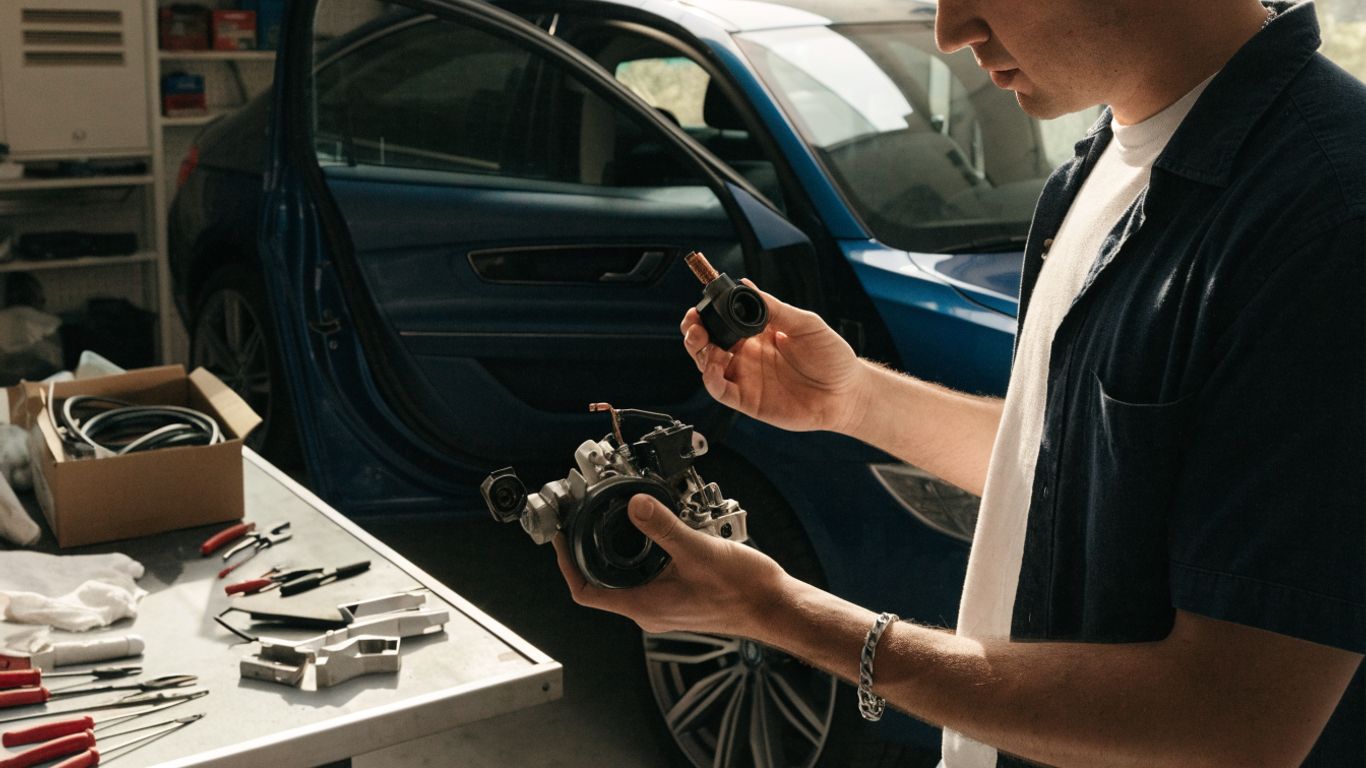
The right condition depends on the part, the repair, and what information is available about the item. A new part may suit some repairs, while a used or refurbished option may be worth considering when its condition and fitment can be checked. Ask suppliers to explain what each option includes before comparing prices.
Consider new parts for critical systems and newer models
For a component tied to a critical system or a newer vehicle, ask about new options and whether the exact part is available for your specifications. Confirm what is included in the price and whether the item is original equipment or an aftermarket alternative. The part’s intended use and the supplier’s fitment check matter more than the label alone.
Check used parts for condition, mileage, and damage
A used part can be a practical choice, but ask what is known about its previous use and current condition. For parts where it applies, request mileage information and details of any visible wear, cracks, corrosion, or other damage. Photos can be helpful, though they may not show every issue; ask what inspection has been completed and what warranty or return terms apply.
Ask how refurbished parts are tested and restored
“Refurbished” can describe different levels of work, so ask the supplier to explain what was done to the specific component. Find out what was inspected, repaired, or replaced, and whether the part was tested after that work. A clear explanation helps you compare it fairly with a used part or a new alternative.
Verify compatibility and quality
A part that looks right may still differ in a way that affects fitment or operation. Confirm the exact application and ask the supplier to check the part against your vehicle details before you order. Keep written confirmation of the part being quoted, along with the applicable warranty and return conditions.
Confirm fitment by model year, trim, engine, and transmission
Give the supplier your VIN and the vehicle’s model year, trim, engine, and transmission, then ask them to confirm the specific part will fit. Where a part number is available, provide it as an additional reference. These details offer a practical checklist for the fitment conversation, but no single detail should replace a complete check.
| Vehicle detail | Why it helps with the check |
|---|---|
| Model year | Helps distinguish versions produced in different years |
| Trim | Can identify equipment or configuration differences |
| Engine | Helps narrow down engine-specific applications |
| Transmission | Helps check for drivetrain-related variations |
Use the table as a prompt when you make an inquiry, not as a substitute for supplier confirmation. If any detail is uncertain, say so and ask what information would help settle it before payment.
Ask about original equipment and aftermarket options
Ask whether the quote is for an original equipment part or an aftermarket option, and request the maker and part number where available. Confirm that the alternative is listed for your exact vehicle rather than assuming that a similar-looking component will fit. Comparing the options on the same basis makes differences in price and coverage easier to understand.
Check warranties, return terms, and quality documentation
Before ordering, ask what warranty applies, what it covers, and how long it lasts. Check whether the supplier can provide a receipt, part identification, or inspection information, and read the return terms for that specific item. Getting these details in writing gives you a clearer reference if questions arise after delivery.
Evaluate supplier expertise and service
A good parts conversation should leave you clearer about the item, not pressured to make a quick decision. Notice whether staff ask for the vehicle details and part information needed to check fitment. Their answers about condition, documentation, and next steps can help you judge how well the process suits your repair.

Look for experience with BMW models and systems
Ask whether staff regularly handle requests for the relevant model or type of component. A useful answer should address the part you need and the details required to identify it, rather than relying on a broad assurance. If your request involves an unfamiliar system, ask whether further information or a repairer’s diagnosis would help before you buy.
Ask how staff verify fitment before a sale
Find out which vehicle details the supplier uses and whether they check the part number against the VIN or other specifications you provide. Ask them to confirm the result clearly, especially if the part has multiple versions. A careful process should make it easy to understand what was checked and what uncertainty, if any, remains.
Find out whether installation guidance or referrals are available
Ask whether the supplier can explain any installation information that comes with the part, or whether they can point you toward a qualified repairer. This is especially useful if the component is complex or the work requires tools or knowledge you don’t have. Confirm who is responsible for installation and whether any conditions apply to the part’s warranty.
Compare pricing and availability
The lowest quoted price may not reflect the full cost or the value of the part. Request comparable details from each supplier: part condition, what is included, delivery or pickup costs, and warranty coverage. Then consider how soon you need the item and whether the quoted stock is actually available.
Request an itemized quote with any extra fees
Ask for the part price separately from freight, handling, or other charges. Confirm whether the quote includes required fittings or related components, and how long the price remains valid. A written itemized quote makes it easier to compare offers without overlooking costs added later.
Check local stock and estimated delivery times
Ask whether the part is physically available for collection or needs to be sourced or shipped. If it is being sent to Canberra, request an estimated dispatch and delivery timeframe, and check whether the estimate depends on stock confirmation. A clear timeline helps you plan a repair without treating an estimate as a guaranteed arrival date.
Weigh price against warranty coverage and part condition
Compare the quoted price alongside the item’s condition, the information available about its history, and any warranty or return terms. A lower price may be a reasonable trade-off for one repair but less appealing if details are limited or the return conditions are restrictive. Choose based on the full offer and how well it matches the repair’s needs.
Plan delivery, returns, and installation
Before placing an order, make sure you know how the part will reach you and what to do if it doesn’t fit or arrives damaged. Confirm the supplier’s process directly rather than assuming that all items follow the same terms. A little planning can prevent a simple parts purchase from holding up the rest of the repair.
Confirm pickup or delivery options in Canberra
Ask whether local pickup is available and, if so, where and when the part can be collected. For delivery, confirm the destination, freight cost, and estimated timeframe, including whether someone needs to be available to receive it. If a supplier’s network offers a delivery option, ask how it applies to your specific order.
Understand return requirements before ordering
Check the time allowed for returns, whether the part must remain unused or in its original packaging, and whether approval is required first. Ask how return freight and any restocking charges are handled, and what evidence is needed if an item is damaged or incorrect. These details are best settled before the order is placed.
Arrange professional installation for complex components
For complex components or work involving vehicle systems you’re not familiar with, plan to use a qualified repairer. Ask whether installation requirements or checks are available for the part, and share the supplier’s fitment information with the person doing the work. Confirm any conditions that could affect warranty coverage before installation begins.
Conclusion
Finding the right part is a matter of careful matching, clear questions, and planning beyond the purchase itself. Gather the vehicle details, verify the specific component, and compare condition, price, delivery, and return terms together. That approach makes it easier to choose an option that fits both the car and the repair.