
Key Takeaways
Finding the right replacements for your vehicle interior can be a rewarding challenge when you focus on quality. These points summarize the essential steps to sourcing reliable steering components for your car.
- Quality checks are vital for pre-owned parts.
- Verify exact component compatibility for your specific model.
- Inspect the leather or trim for signs of wear.
- Always source items from reputable salvage providers.
- Professional installation ensures safety and electronics functionality.
Assessing Quality in Pre-Owned Parts
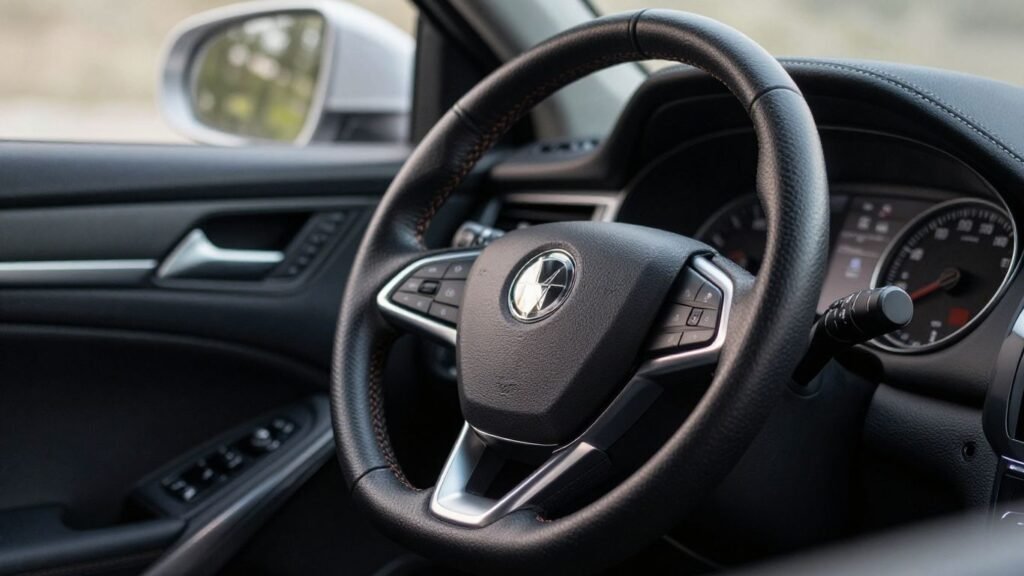
Investing in used BMW steering wheels requires a careful eye for quality and attention to detail. Identifying a wheel that retains its original structural integrity helps maintain both comfort and safety during your daily drives.
Examining Wear and Tear
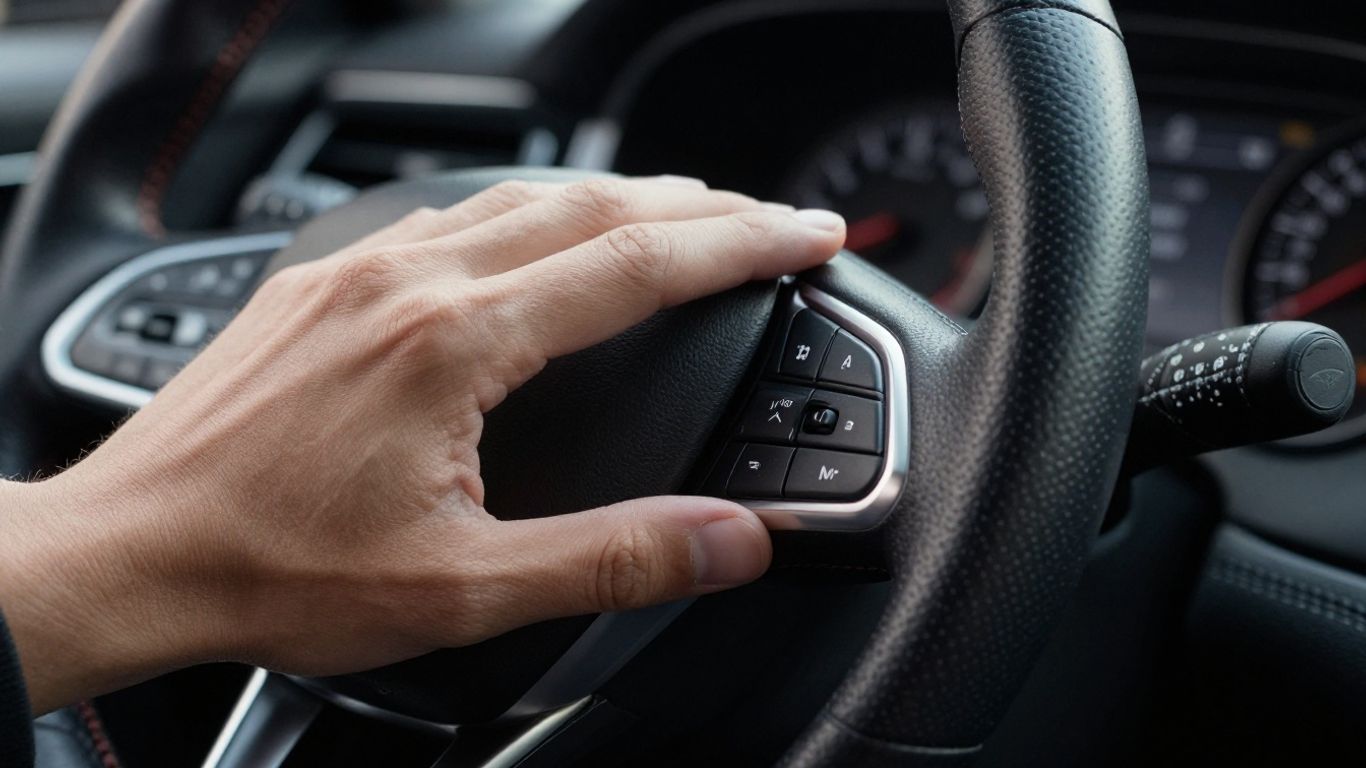
When evaluating a pre-owned component, initial visual inspections provide the best insight into its overall care history. Look closely for fading or deep scratches on the leather wrap, as these indicate extensive exposure to sunlight or improper handling. Checking for stitching gaps is equally critical to ensure the wheel remains secure under pressure.
Material and Texture Integrity
| Feature | Inspection Point | Typical Result |
|---|---|---|
| Stitching | Inspect all seams | No loose threads |
| Texture | Check for shine | Matte finish preferred |
| Buttons | Verify tactile click | Consistent feedback |
Material condition determines whether a part is worth the price relative to dealer offerings. A steering wheel showing excessive shine often suggests degraded surfaces, as the material should typically maintain a natural matte finish when well-preserved. Consistent tactile feedback from the integrated buttons is another reliable metric for component health.
Installation and Technical Fitment
Successfully outfitting your vehicle with a replacement wheel involves confirming that all electronic protocols align with your current system. Minor discrepancies in wiring or airbag compatibility can pose significant challenges for even the best DIY projects.
Ensuring Correct Compatibility
Always verify the part number against your vehicle identification system to ensure proper electronic module communication and airbag sensor alignment before attempting any removal or replacement procedure.
The complexity of modern vehicle dashboards means that small variations in steering column dimensions or plug configurations can prevent a seamless fit. Researching the specific production year and trim level of your car helps narrow down the hardware options considerably. Taking the time to cross-reference parts ensures that every electronic function remains operational once the new hardware is secured.
Expert Installation Advice
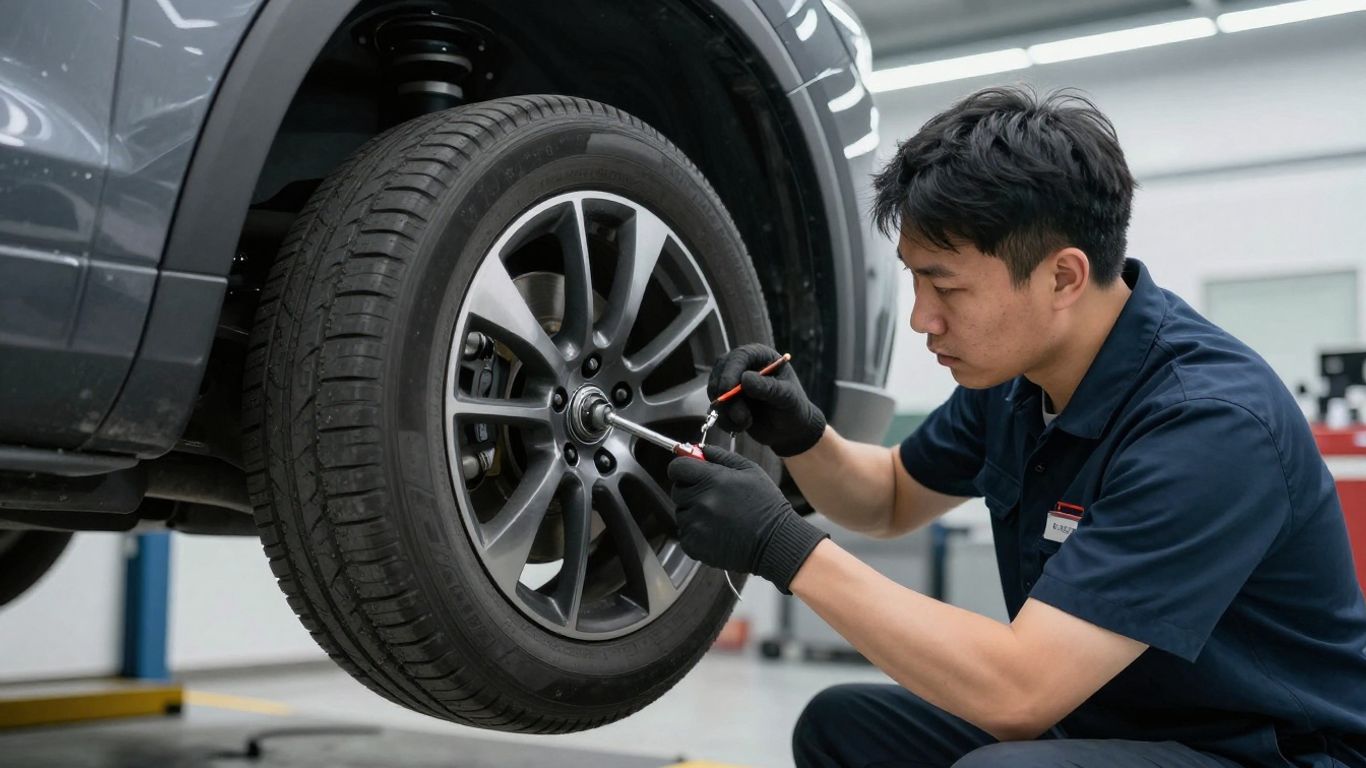
Handle installation only when you have access to the correct diagnostic equipment and torque settings for your steering column mounting hardware. Improperly secured components can jeopardize your interaction with the car, so specialized tools are often necessary for removing airbags without triggering sensor faults. Seeking assistance from BMW trained professionals ensures that every electrical connection is verified against factory standards for long-term reliability and driver safety.
Conclusion
Selecting pre-owned steering components involves balancing the need for cost-effective upgrades with the necessity of maintaining safety and electronic performance through diligent research and careful physical inspection during the search process.