
Key Takeaways
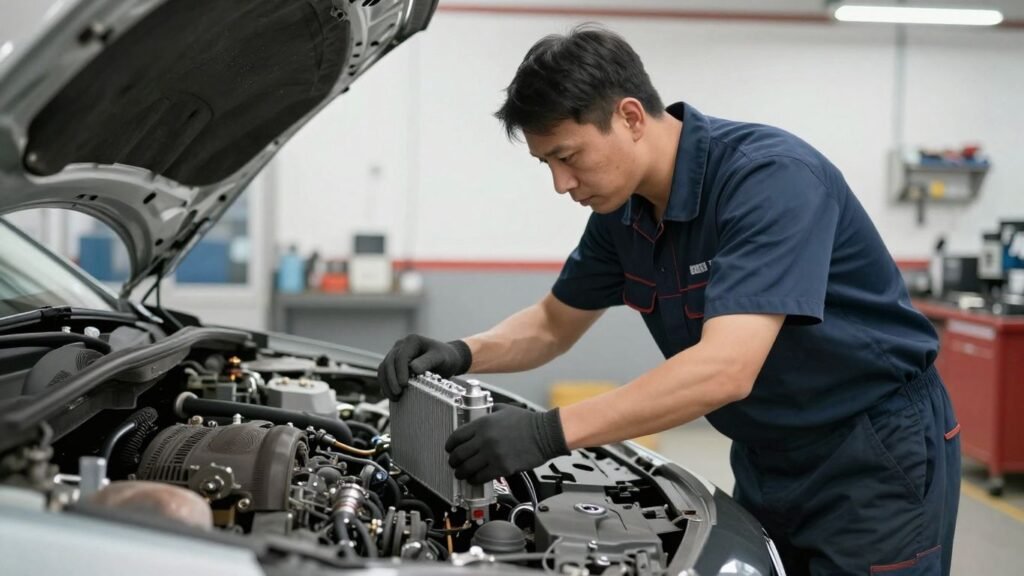
Buying second hand BMW radiators offers a unique balance of affordability and reliability for owners of older vehicles. Understanding the technical requirements ensures compatibility, while systematic inspection helps identify quality components before final purchase.
- Securing an original OEM unit provides a perfect fit for your specific vehicle.
- Matching part numbers through your VIN is the most reliable verification method.
- Inspecting plastic end tanks and metal fins prevents future cooling failure.
- Reputable salvage yards and brokers offer warranties that mitigate risks.
- Proper flushing and sensor monitoring are vital after a radiator swap.
Understanding why a second hand BMW radiator is a smart choice
When your cooling system begins to fail, the cost of brand-new components can be significant, especially at current dealership rates. Opting for a salvaged part allows owners to maintain their vehicle without overextending their budget, keeping classic and high-mileage machines on the road for years to come. By prioritizing cost-effectiveness compared to dealership prices, you can effectively extend the life of your car while minimizing maintenance overhead.
Cost-effectiveness compared to dealership prices
The expense of buying new parts through authorized manufacturer channels is often inflated by distribution and retail markups. Second hand markets frequently provide components at just a fraction of these prices, as they are sourced from vehicles that have otherwise reached their end of life. Choosing these parts is a practical strategy for owners who want to avoid unnecessary expenditures on their daily drivers.
Availability of original OEM parts
Many older vehicles require genuine components that are no longer in production. Used parts allow you to source an original radiator that matches the exact engineering specifications of your car, which is particularly beneficial for the BMW 3 Series or similar models where aftermarket parts might lack the precise fitment required for optimal performance. By selecting BMW original and OEM radiators, you ensure that the materials and pressure ratings remain consistent with the manufacturer’s original design intent.
Environmental impact of reusing automotive components
Extending the lifespan of existing manufactured parts reduces the energy demand associated with producing new aluminum and plastic units. Every radiator returned to service represents less waste in landfills and lower industrial energy consumption throughout the supply chain. Integrating recycled hardware is a simple way to participate in a more circular economy while maintaining vehicle standards.
Identifying the correct part for your BMW model
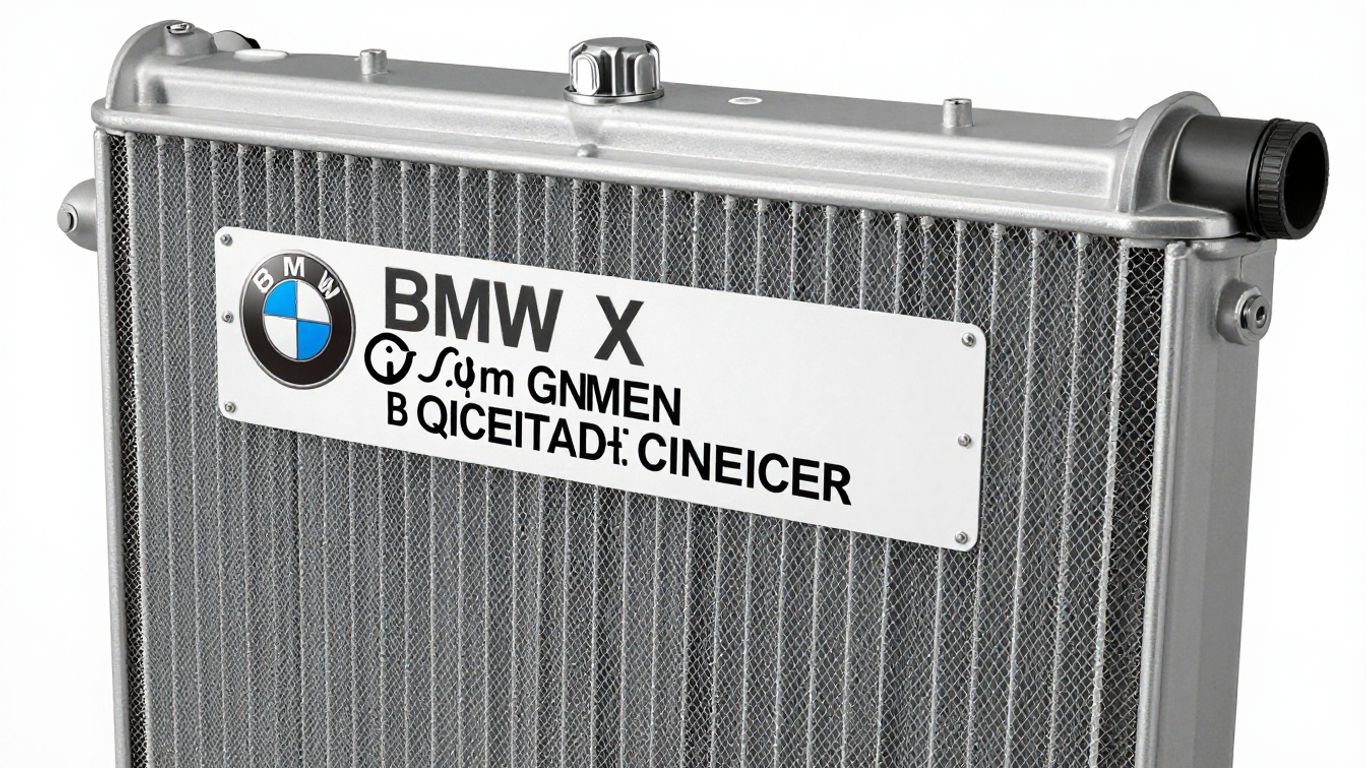
Finding the right radiator starts with verifying the physical and technical specifications of your current equipment. Because different cooling configurations exist even within the same series, relying on guesswork can lead to costly delays and installation headaches. Using accurate documentation is essential for ensuring that your replacement component integrates seamlessly with the existing hoses and mounting hardware.
Locating the part number on your existing unit
Most radiators feature a stamped or stickered code visible on the side of the plastic end tank. You should reach into the engine bay—once the engine is cold—to find this primary indicator of the part’s specifications. If the label is faded, record the physical dimensions of the core, as these measurements often correspond to specific factory options.
Using your Vehicle Identification Number for verification
The most accurate way to cross-reference parts is by using your seventeen-digit Vehicle Identification Number, commonly known as a VIN. This unique code identifies the specific production batch and equipment level of your car, ensuring you locate the exact match for your cooling system. By checking your VIN against dealer databases or online parts catalogs, you can avoid the frustration of ordering incompatible hardware.
Understanding compatibility across different BMW chassis codes
BMW uses specific chassis codes to define generations, such as the E90 or F30. It is a mistake to assume parts are universal simply because they belong to the same model name or designation. You must ensure the radiator fits your specific chassis code to guarantee that the port configurations for transmission coolers and auxiliary sensors align perfectly during the installation process.
Inspecting a used radiator for common defects
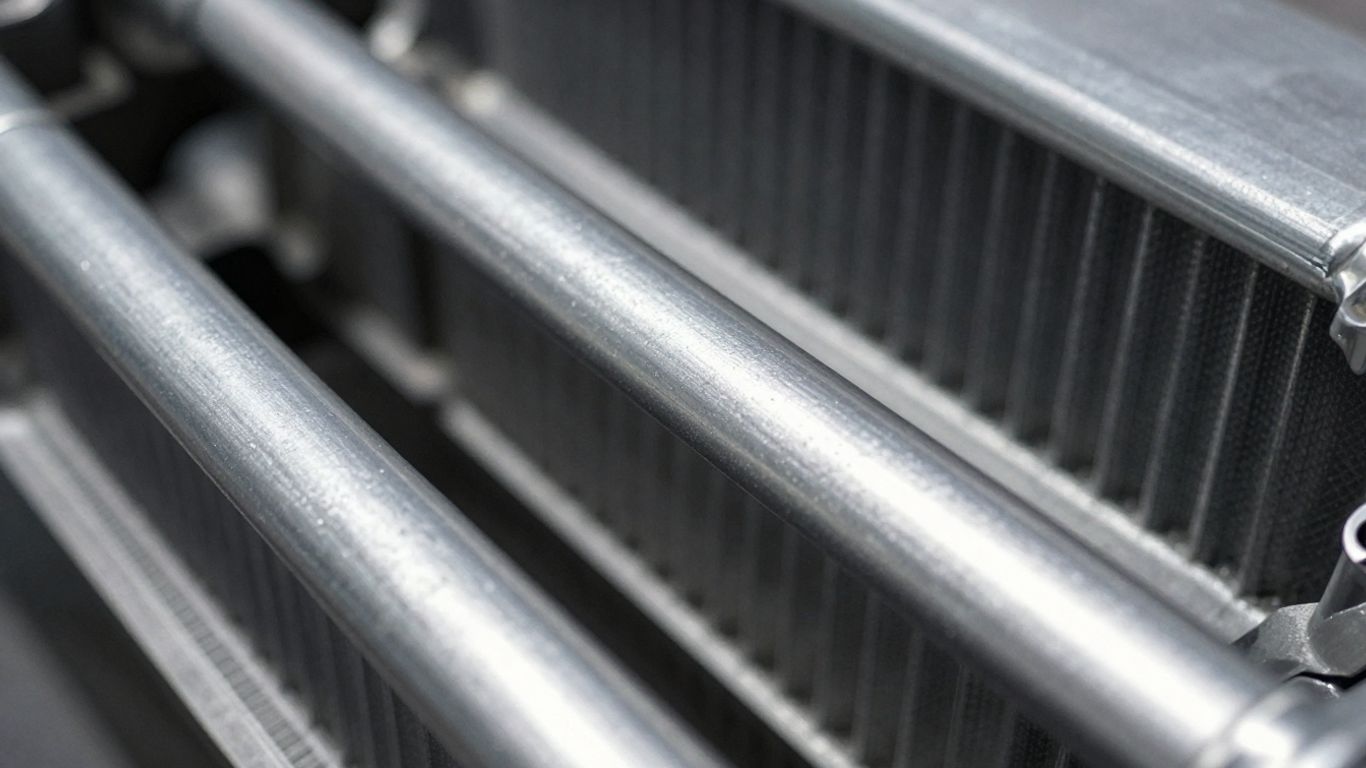
Visually assessing a used component before installation can save you hours of labor and prevent catastrophic engine overheating. Even if a radiator appears clean on the surface, subtle damage often hides within the assembly, requiring a more forensic approach to evaluation. Being thorough during this inspection phase ensures that you are installing a truly reliable part.
Checking for signs of corrosion and internal sludge buildup
Corrosion often appears as white or crusty deposits near the neck of the radiator or near the hose connections. You might also notice traces of old coolant caked inside the ports, which indicates that the previous cooling system was not maintained properly. To determine if this component is worth your effort, inspect the interior passages as best as you can to ensure they are not blocked by mineral deposits or debris.
The health of your cooling system depends largely on how the radiator manages heat transfer under pressure without leaking or obstructing the flow of coolant throughout the block.
This basic observation is helpful because it allows you to spot indicators that the radiator’s circulation efficiency could be compromised before you commit to the purchase.
Evaluating the condition of plastic end tanks and mounting tabs
Plastic is prone to heat-related degradation over the years, leading to cracks that are often invisible to the naked eye. Gently observe the seams where the plastic joins the aluminum core for any hairline fractures. Additionally, check the mounting tabs for signs of bending or stress, as these determine if the radiator will sit securely in the engine bay without vibrating during normal operation.
Detecting micro-leaks and structural deformities in the cooling fins
The thin metal structure in the core is the most vulnerable part of the cooling array. If you see bent or crushed fins, the airflow is likely being obstructed, which can cause the BMW 5 Series cooling systems to run hotter than intended even if the core isn’t leaking. Look closely under light to see if any pinhole drips are present, as these will inevitably cause pressure loss once the system reaches operating temperature.
Sourcing reputable suppliers for used BMW parts
Finding a trustworthy seller is the final barrier to a successful repair, but it is not nearly as difficult as it might seem. Most reputable suppliers provide detailed photographs and clear descriptions of their inventory, helping you make an informed decision remotely. By evaluating who you buy from, you lower the risk of receiving a component that fails shortly after installation.
Assessing the credibility of automotive salvage yards
Local yards often allow for direct visual inspection of the part, which is an advantage if you are nearby. Look for facilities that organize their parts by chassis code and keep components in sheltered environments to avoid unnecessary environmental damage. Building a relationship with a local manager can lead to better deals and more reliable inventory knowledge over time.
Evaluating online marketplaces and specialized BMW brokers
Specialized brokers often handle high volumes of parts and maintain digital logs verifying their quality. When choosing where to shop, you should compare the seller’s track record to ensure your transaction is protected. Refer to the table below for common criteria when evaluating your potential source:
| Feature | Professional Broker | General Salvage Yard |
|---|---|---|
| Inventory Accuracy | Guaranteed | Variable |
| Part Cleaning | Thoroughly Cleaned | As-is |
| Warranty Policy | Standard 30-day | Limited |
Using a broker often simplifies the search because they have systems designed to filter inventory based on your specific requirements rather than generalized part requests.
Understanding seller warranties and return policies for salvaged goods
A reputable seller should explicitly state the terms and conditions regarding returns or exchanges. Always verify that there is at least a minimal guarantee period, which allows you time to install the part and confirm its functionality. Avoid any seller who refuses to provide a clear return policy or who cannot guarantee the component was operational before the host vehicle was dismantled.
Handling installation and post-purchase testing
Once you have acquired the correct part, preparation becomes the most critical aspect of the installation. A radiator swap requires careful attention to the surrounding hoses and clamps, as these auxiliary components are often the weakest links in the cooling chain. Taking your time during this process pays off by preventing immediate failures once the engine is started for the first time.
Preparing the engine bay for a radiator swap
Clean the area surrounding the radiator before you pull the old unit out, which prevents grit and dirt from dropping into your engine’s cooling passages. Inspect all existing hoses, as they are often dry-rotted or overly stiff by the time a radiator needs replacing. Having fresh hose clamps and high-quality coolant on hand will make the entire process move efficiently and prevent leaks from recurring immediately.
Flushing the cooling system after component replacement
Even with a clean replacement radiator, you should flush the entire system to remove any scale or sediment left by the previous coolant. Use an appropriate mixture that conforms to standard recommendations for your specific engine, as the chemical properties matter for long-term component health. Consistent flushing cycles clear out the passages and keep the entire assembly working as intended.
Monitoring temperature sensors during the initial test drive
After everything is connected, fill the system and check for small drops or leaks while the engine idles. Take the car for a short, controlled test drive while keeping a close eye on your temperature gauges to ensure the system is stabilizing under load. This final verification confirms that the thermostat, water pump, and your newly installed radiator are working in concert to maintain safe operating temperatures.
Conclusion
Successfully navigating the purchase of second hand BMW radiators requires a combination of technical verification and careful inspection, but the long-term rewards for your vehicle’s health are substantial. By sourcing high-quality original components and verifying them through your VIN, you ensure that your cooling system remains robust and reliable. Taking the time to properly inspect for defects and monitoring your temperature sensors after installation guarantees that you are maximizing both the value and the longevity of your car.