

Key Takeaways
A good used BMW interior can restore comfort and appearance without requiring a complete new cabin. The safest purchase starts with precise identification, honest condition checks, and a realistic installation budget.
- Identify the BMW model, generation, body style, production date, and drive layout before shopping.
- Treat seats, trim, electronics, airbags, and dashboards as separate parts with different fitment concerns.
- Request clear photos, defect disclosures, and tests for powered or heated components.
- Compare the complete cost, including shipping, taxes, repairs, coding, and replacement hardware.
- Use professional help for airbags and complicated electronic or seat installations when appropriate.
Understand what a used BMW interior includes
The phrase “interior” can describe anything from a single door card to nearly every visible and functional cabin component. Before searching for used BMW interiors for sale, decide whether you need an appearance refresh, a repair part, or a complete replacement set. That distinction keeps prices easier to compare and prevents you from buying pieces that do not belong together.
Seats, upholstery, and trim panels
Seats are often the most noticeable part of an interior, but they are not always sold as a complete matching set. Check whether the listing includes the seat rails, headrests, occupancy sensors, wiring, and rear bench, or only the visible cushions and backs. Leather color names can also vary between model years, so compare the actual material and shade rather than relying only on a seller’s description.
Wear on the driver’s bolster is common, while faded rear seats may indicate prolonged sun exposure. A small mismatch in texture or color can be more obvious once the parts are installed, particularly when the rest of the cabin has been carefully maintained.
Dashboards, center consoles, and door cards
Dashboards and center consoles are large, model-specific pieces that can be difficult and expensive to ship. Look closely at mounting points, vents, trim clips, storage-lid hinges, and openings for the radio or climate controls. Door cards should be checked for broken fasteners, loose armrests, damaged speaker grilles, and differences between front and rear doors.
A complete-looking panel may still be missing small inserts or brackets. Ask for a photograph of the back of the part when those attachment points will determine whether it can be transferred to your car.
Steering wheels, airbags, and instrument clusters
A steering wheel may be sold with its trim, buttons, paddle shifters, wiring, or airbag, and each combination affects both price and installation. Instrument clusters likewise need more than a visual match: connector style, display layout, mileage handling, and vehicle electronics may all matter. Treat airbag modules as safety-critical components rather than ordinary cosmetic parts.
If a listing is vague about whether an airbag is included, assume it is not included until the seller confirms it in writing. For clusters and steering-wheel controls, save the original part number and photograph your existing connectors before ordering.
Interior electronics and comfort features
Power seats, window switches, screens, climate controls, lighting modules, speakers, and heated-seat elements can turn a simple interior swap into an electrical project. A replacement may look identical while using a different connector or requiring vehicle-specific setup. Ask what was tested, when it was tested, and whether the component is being sold as working, untested, or for parts.
Function matters as much as appearance when a used cabin includes motors or control modules. A clean seat with a failed adjustment motor can cost more in labor than a visibly worn seat that works correctly.
Match parts to your BMW
Fitment is the point at which a bargain either becomes useful or becomes expensive clutter. BMW interiors can change across generations, body styles, option packages, and production periods, even when two vehicles look closely related. Record your car’s details before contacting a seller, and compare the replacement against the exact configuration rather than a broad model name.
Confirm the model, generation, and body style
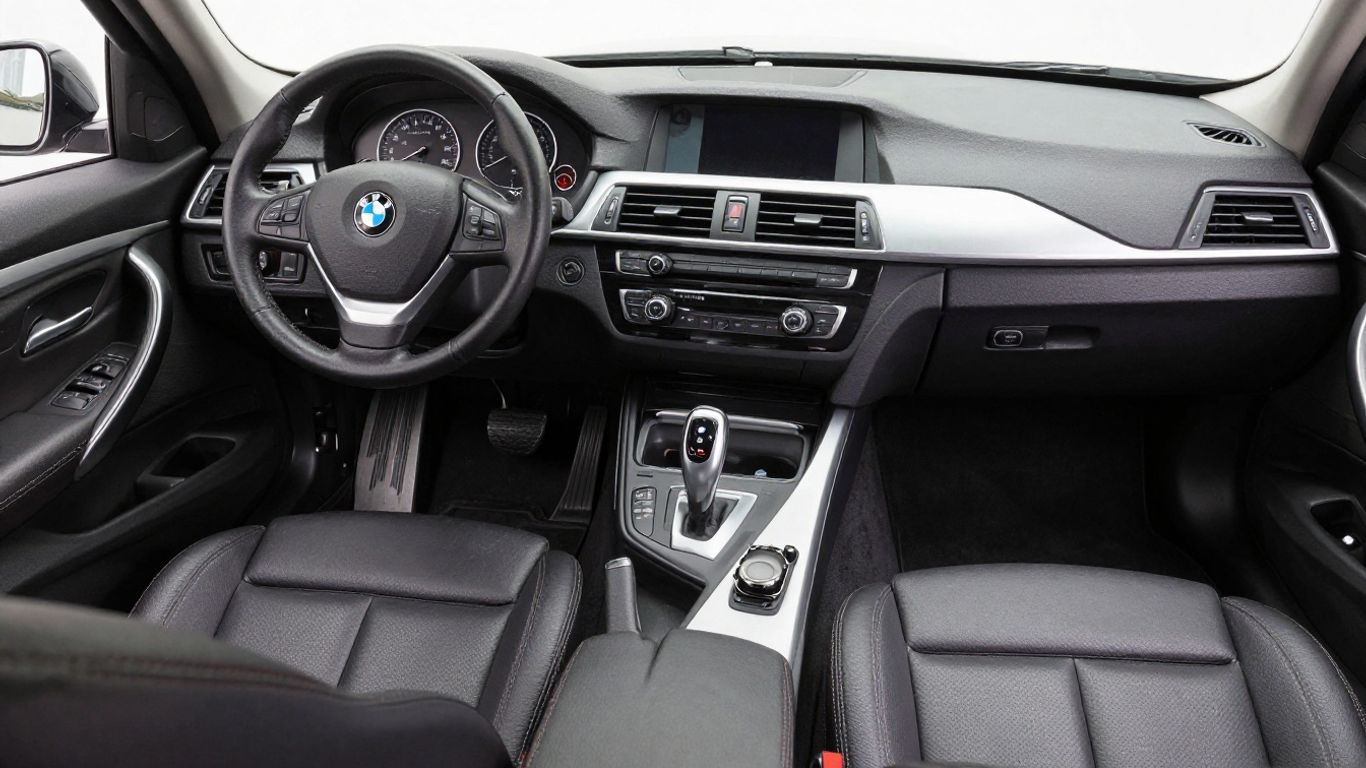
Start with the full model designation and chassis generation, then add the body style: sedan, coupe, convertible, wagon, or SUV. Front seats, rear seat cushions, door cards, and headliners commonly differ between body styles. Options such as sport seats, memory functions, folding rear seats, and a panoramic roof can change the required parts as well.
A listing that says “fits a 3 Series” is only a starting point. Ask for the donor vehicle’s model, body style, and included options before assuming the part is suitable.
Check production dates and facelift differences
A facelift can bring new trim shapes, switch layouts, displays, and wiring while leaving the model name unchanged. Production dates therefore deserve the same attention as the badge on the trunk. Compare photographs of vents, console controls, steering-wheel spokes, and dashboard openings when the donor and recipient cars are from different periods.
The safest approach is to compare part numbers and physical connectors, not just styling. If a seller lists a broad year range, ask whether that range applies to the exact component you want.
Compare left-hand-drive and right-hand-drive layouts
Drive layout affects the dashboard, glovebox, pedal-area trim, steering wheel, instrument cluster, center-console details, and sometimes the wiring harness. A right-hand-drive part may be attractive because it is inexpensive or unusually clean, but it is not automatically adaptable to a left-hand-drive car. The reverse is also true.
Check photographs from the driver’s and passenger’s sides, especially for dashboards and door cards. For smaller trim pieces, confirm the side designation and mounting orientation before paying.
Use VIN information to verify compatibility
A VIN can help a seller identify the production details and equipment associated with your vehicle, but it should support—not replace—part-number checks. Send only the information needed for fitment and confirm how the seller will use it. Ask for a written compatibility statement when the purchase is expensive or difficult to return.
A simple comparison record can keep several similar listings from becoming confusing. Capture the key details in one place before you make a decision.
| Fitment detail | Your BMW | Donor or listing | Why it matters |
|---|---|---|---|
| Model and generation | Exact designation | Donor designation | Narrows the platform |
| Production date | Month and year | Donor month and year | Flags facelift changes |
| Body style | Sedan, coupe, wagon, or other | Donor body style | Affects seat and panel shape |
| Part number | Original number | Replacement number | Helps verify physical and electronic fit |
This record will not resolve every compatibility question, but it gives the seller a precise basis for checking the part. Keep the listing screenshots and written answers until the component has been installed and tested.
Evaluate the condition before buying
Condition is more than a photograph of clean leather. Used interior parts may have spent years in direct sunlight, a damp vehicle, or a donor car with neglected electrical systems. A careful inspection—remote or in person—helps separate normal wear from damage that will continue after installation.
Inspect leather, fabric, and stitching
Run your inspection across high-contact areas first: the driver’s bolster, steering wheel rim, armrests, seat edges, and grab handles. Look for thinning leather, stretched fabric, shiny patches, loose stitching, repaired seams, and color transfer. On seat cushions, ask whether the foam is compressed or misshapen, since fresh upholstery cannot always hide a weakened foundation.
The seller’s close-up photographs should show the entire panel as well as the worn areas. Compare texture and color under similar lighting if you are trying to match several pieces.
Look for cracks, stains, odors, and water damage
Cracked plastic around vents and handles is easy to miss in a wide photograph. Stains may be treatable, but mildew odors, damp carpet, rust on seat hardware, swollen wood trim, and corrosion on connectors can point to water exposure. Ask whether the donor vehicle had flood, fire, or prolonged outdoor storage history.
A strong fragrance can mask an odor rather than remove it. If possible, inspect the parts in person and lift mats or carpeting to examine the underside before loading them into your car.
Test switches, screens, motors, and heating elements
Powered parts need a functional test, not a promise that they were working when removed. Ask the seller to demonstrate seat movement, memory buttons, window switches, screen operation, climate controls, steering-wheel buttons, and heated-seat functions where applicable. For a cluster, confirm that the display illuminates cleanly and that the connectors are intact.
Record which functions were tested and which were not. That distinction matters when comparing a tested component with one offered at a lower price but carrying unknown risk.
Ask for detailed photos and defect disclosures
A useful photo set includes front, back, sides, mounting points, connectors, labels, and every visible defect. Request natural-light images rather than heavily edited pictures, and ask for a short video when a screen, motor, or switch is central to the purchase. Written disclosure is especially valuable for parts that cannot be returned easily.
A good seller’s answers should make uncertainty smaller, not simply repeat that the part is “in good condition.”
The cheapest part is rarely the cheapest repair when its defects are discovered after installation.
Use the seller’s responses to price the work you may still need, including cleaning, dyeing, stitching, or electrical diagnosis. If essential questions remain unanswered, keep searching rather than treating uncertainty as a discount.
Choose where to buy used BMW interiors
The seller affects more than the purchase price. It determines how much information you can get, how the part was removed, whether returns are practical, and whether someone can help when fitment is unclear. Choose the source according to the complexity and risk of the component, not just convenience.
Salvage yards and auto dismantlers
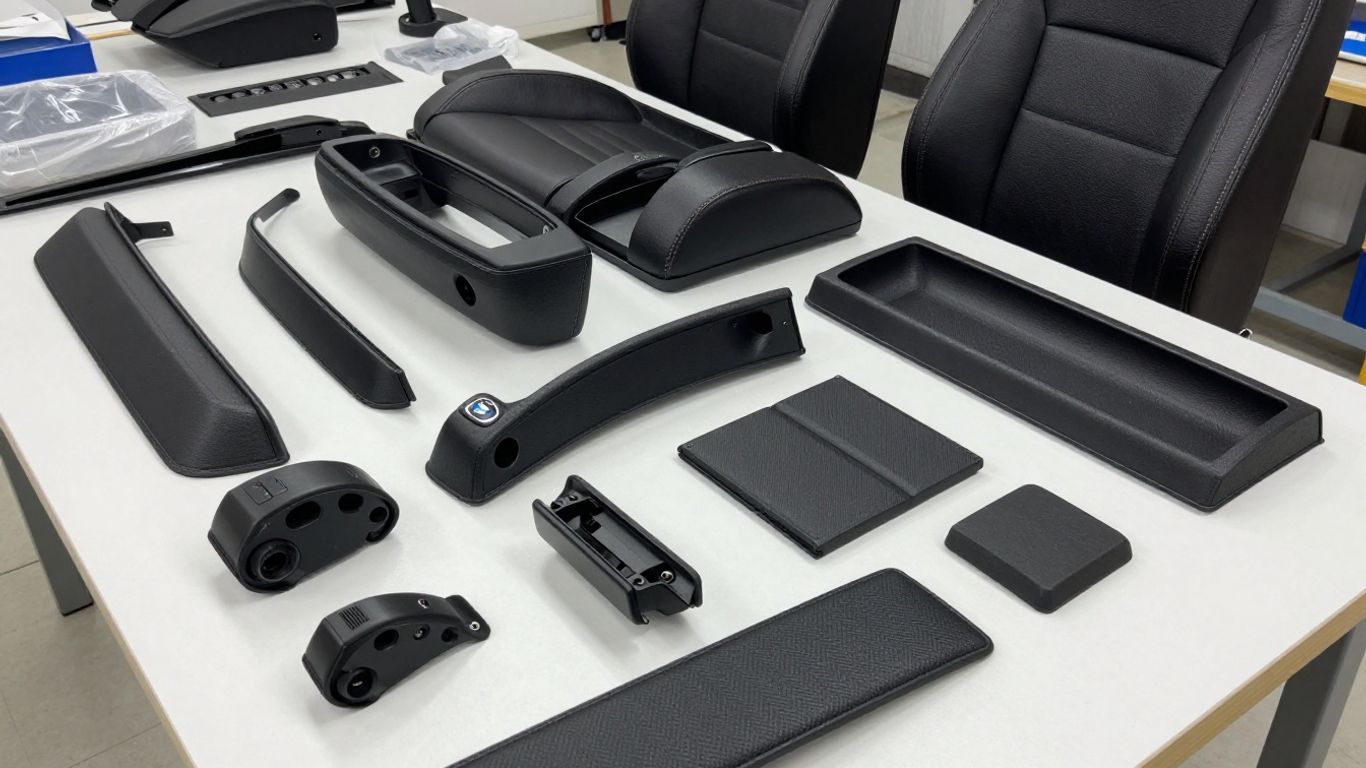
Salvage yards and dismantlers may offer parts from a known donor vehicle, which can make it easier to match color, trim, and equipment. They may also have related pieces available when you need a complete set rather than one isolated panel. Ask how the vehicle was damaged and whether the interior was exposed to water or impact.
Confirm the removal condition before buying. Broken clips and cut wiring can be difficult to see once a part is stacked with other inventory.
Online marketplaces and specialist BMW sellers
Online sellers offer broad access to hard-to-find trim and can provide part numbers, donor details, and shipping options in one place. Read the complete description, including exclusions and condition labels, rather than relying on the listing title. A specialist seller may understand BMW fitment terms better, but you should still verify the exact component yourself.
Save the listing, photographs, and messages. They form a useful record if the delivered part differs from what was described.
Local recyclers and independent repair shops
A local recycler or repair shop can be practical for bulky dashboards, carpets, and headliners because you may inspect them before paying and avoid long-distance freight. Shops may also know which parts are commonly exchanged during repairs. Their inventory can be less predictable, so call with the exact model, date, body style, and part number.
The ability to hold a component against your car is valuable. Even a short in-person comparison can reveal a different vent shape or mounting point.
Private sellers and part-out vehicles
Private part-outs can produce well-matched interiors, particularly when the seller is dismantling one complete vehicle. Ask why the car was parted out, how the components were stored, and whether the interior was removed before weather exposure. Arrange a safe inspection and be clear about which parts, brackets, and fasteners are included.
Private sales usually require more judgment because the documentation and return process may be limited. For airbags and complex electronics, that uncertainty deserves extra caution.
Compare prices and seller value
A fair price is not simply the lowest number attached to a listing. It reflects condition, completeness, rarity, shipping difficulty, testing, return protection, and the work required after delivery. Compare like with like, and separate the cost of the visible part from the cost of making it usable.
Estimate fair prices for individual components
Price seats, door cards, consoles, dashboards, trim sets, clusters, and electronic modules separately before considering a bundle. A complete set may save time, but it can also include unwanted pieces or hide damage behind a single attractive total. Compare several examples with similar color, options, wear, and testing status.
For a quick comparison, calculate the purchase price plus the likely cost of cleaning, repair, and missing hardware. That figure is more useful than the advertised price alone.
Factor in shipping, taxes, and core charges
Large interior parts need careful freight estimates because packaging, dimensional weight, and damage risk can change the final cost. Add sales tax where applicable, shipping insurance, and any refundable core charge. Ask how damage in transit will be documented and who is responsible for filing a claim.
A local part that costs slightly more may still be the better value if it eliminates freight and allows an inspection. Conversely, a distant seller may make sense for a rare trim piece that is difficult to find nearby.
Compare OEM, refurbished, and aftermarket alternatives
A used original part may preserve the factory appearance and fit, while a refurbished component can offer renewed upholstery or repaired electronics at a higher upfront price. Aftermarket alternatives vary widely in materials and finish. Compare the exact purpose of each option instead of assuming that a lower price means equivalent quality.
For visible trim, color and texture are often decisive. For electrical or safety-related parts, documented testing and correct compatibility should carry more weight than cosmetic freshness.
Review warranties, returns, and seller ratings
A return policy has real value when fitment cannot be confirmed until the part is removed from its packaging. Check the time limit, restocking fee, return shipping responsibility, and exclusions for electrical or airbag components. Seller ratings are useful context, but read recent reviews for comments about packaging, accuracy, communication, and defect handling.
Keep all packaging until the part has been inspected. Photograph the box and component on arrival so a shipping dispute does not depend on memory.
Plan installation and final fitment
The purchase is only finished when the replacement is clean, secure, electrically functional, and properly aligned. Interior work can involve hidden clips, wiring, trim transfers, and vehicle settings that are easy to underestimate. Plan the job before the parts arrive, especially if the car is your daily transportation.
Decide between DIY installation and professional service
Simple trim replacement may suit a careful owner with the correct tools and a service manual. Dashboards, complete seat swaps, headliners, and wiring-heavy work are less forgiving because one broken fastener or pinched harness can create a second repair. Estimate your time as well as your tool costs, and consider whether the vehicle can remain disassembled while you solve an unexpected problem.
A professional installation is often sensible when the part is expensive, the trim is fragile, or the job involves airbags. Ask for a written labor estimate and clarify whether diagnostics are included.
Prepare for coding and electronic calibration
Some replacement clusters, screens, seat modules, and control units may require vehicle-specific setup after installation. Confirm this possibility before buying and ask whether the seller can provide the necessary part information. Do not assume that a component will operate normally simply because it powers on outside the vehicle.
Have the original part available during the swap when possible. Comparing connector locations and recording existing settings can make troubleshooting much easier.
Handle airbags and safety-related components carefully
Airbags, occupancy sensors, seat-belt hardware, and related wiring should be handled according to the vehicle’s service procedures. Disconnecting a battery is not a substitute for following proper safety instructions, and an incorrect connection can trigger warning lights or create a serious hazard. If you are not trained to work on these systems, use a qualified technician.
Never buy a safety component based only on a generic photograph. Confirm its identity, condition, and return terms, and stop the installation if the part or wiring appears damaged.
Budget for cleaning, repairs, and replacement hardware
Used interiors often need deep cleaning before they look at home in the recipient vehicle. Add realistic allowances for upholstery treatment, plastic restoration, broken clips, missing screws, replacement fasteners, and diagnostic work. Carpet and fabric may also need odor treatment, while leather may need conditioning rather than aggressive scrubbing.
A small hardware kit and labeled storage bags can prevent delays during reassembly. Once everything is installed, check panel gaps, seat movement, switch operation, warning lights, and rattles before calling the job complete.
Conclusion
Finding quality used BMW interiors for sale is mostly a matter of careful identification and disciplined inspection. Match every component to the car’s generation, body style, production details, and equipment; then compare the full delivered and installed cost rather than the listing price alone. With honest condition information and a sensible plan for electronics and safety systems, a used interior can be a practical way to restore a BMW’s cabin without accepting avoidable surprises.