My Journey Fixing a BMW with Wreckers: From Salvage to Street-Ready
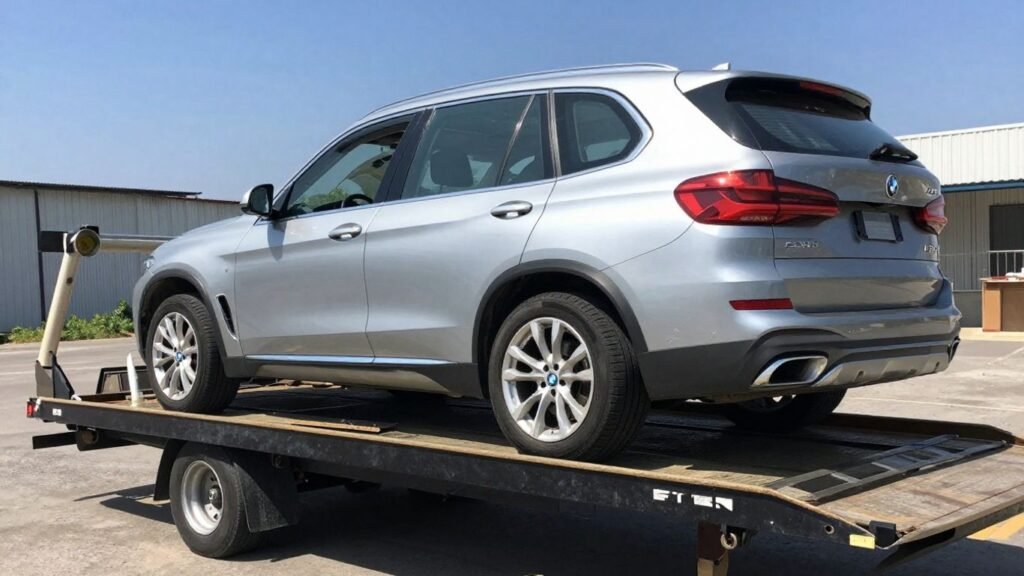
So, you’ve got a BMW that’s been through the wringer, maybe declared a total loss. It might look like the end of the line, but bringing it back from salvage to street-ready is totally doable. This guide is all about my journey fixing a BMW with wreckers, covering everything from understanding that salvage title to getting it legally back on the road. We’ll cover the paperwork, the repairs, and what it all means for your wallet. Key Takeaways A salvage title means a car was a total loss, but it can be repaired and retitled as ‘rebuilt’ to be driven again. You absolutely have to keep records of all parts and repairs done when fixing a salvage vehicle. Inspections focusing on safety and the car’s VIN are required before a salvage title can become a rebuilt one. Cars with rebuilt titles can be harder to finance and insure, often costing more. Doing your own repairs saves cash, but you must follow safety rules and document everything. Understanding Your Salvage BMW Defining A Salvage Title Vehicle So, you’ve found a BMW with a ‘salvage’ title. What does that really mean? It’s a car that an insurance company or a government agency has declared a total loss. This usually happens after a big event like a crash, a flood, or even if it was stolen and recovered. The cost to fix it was more than what the car was worth at the time. It doesn’t mean the car is completely useless, but it can’t be legally driven on public roads until it’s repaired and passes a tough inspection. Think of it as a car that’s been through a lot and needs a serious makeover. The Insurance Buyback Option Sometimes, after a car is written off as a total loss, the insurance company will sell it back. This could be to the original owner or at a salvage auction. This is often how people end up with a BMW that, while damaged, might have potential to be fixed. It’s a way for the insurance company to get some money back, and for a buyer, it can be a chance to get a vehicle for less than usual. But you have to be careful. Just because it’s an insurance buyback doesn’t mean it’s an easy fix. You’ll still need to follow all the official steps to make it roadworthy again. Flood Damage And Irreparable Branding This is a really important point. If a BMW has flood damage, it’s usually a permanent problem. In many places, cars with flood damage on their title can never be officially changed to ‘rebuilt.’ They are often marked as ‘non-repairable’ and are only good for parts. Even if the title doesn’t explicitly say ‘flood damage,’ you need to be very watchful. Look for signs like a musty smell, rust in odd places (like inside headlight housings), water stains under the seats, or dirt in the trunk. If you think a car might have flood damage, it’s often best to just walk away. It’s usually not worth the trouble or the risk to your safety. Preparing For The Rebuild Process Alright, so you’ve got a BMW that’s been through the wringer, maybe it’s got that salvage title hanging over its head. Before you even think about grabbing a wrench, you need to get organized. This isn’t just about fixing it up; it’s about making sure it’s safe and legal to drive again. That means getting your paperwork in order and knowing what the authorities expect. Documenting Repair and Parts This is where you become a super-detailed record keeper. Every single part you swap out, every bit of work you do, needs to be written down. Think of it like a car’s medical history. You’ll need receipts for all the new parts you buy. If you’re getting used parts, try to get some kind of proof of purchase, even if it’s just a bill from the salvage yard. For any work you do yourself, keep a log. Note the date, what you did, and what tools you used. This documentation is your proof that you’re putting this car back together the right way, and it’s key to getting a rebuilt title. Essential Rebuilding Records Beyond just receipts, you need a more formal record of the rebuild. This often involves a specific form from your local transportation authority. It’s like a plan for your repair job. You’ll list the damage the car had, the parts you’re replacing, and how you’ll do the repairs. If you’re doing big structural work, you might need to include photos or diagrams. This plan shows the authorities you’ve thought this through and aren’t just guessing. Provincial Rebuilding Work Plans Every province has its own rules for rebuilding cars. What’s needed in one place might be different somewhere else. You absolutely have to check with your local motor vehicle office. They’ll tell you if there’s a specific "Rebuilt Vehicle Work Plan" form you need to fill out before you start major work. Some places require an initial inspection just to approve your repair plan. It seems like a pain, but it’s much better than doing all the work and then finding out it doesn’t meet their standards. It’s like getting pre-approval for your project. Getting the right paperwork sorted upfront is the foundation for getting your BMW back on the road legally and safely. Don’t skip this step; it’s the difference between a successful rebuild and a very expensive pile of parts. Performing Your Own Repairs So, you’ve got a salvage BMW sitting there, and you’re thinking about doing the work yourself. That’s a solid plan if you’ve got the skills and the patience. Tackling the repairs on your own can really cut down on the costs. We’re talking about saving a good chunk of money compared to what a professional shop would charge. It’s not just about bolting on new parts; it’s about understanding what needs to be done and having the grit to see it