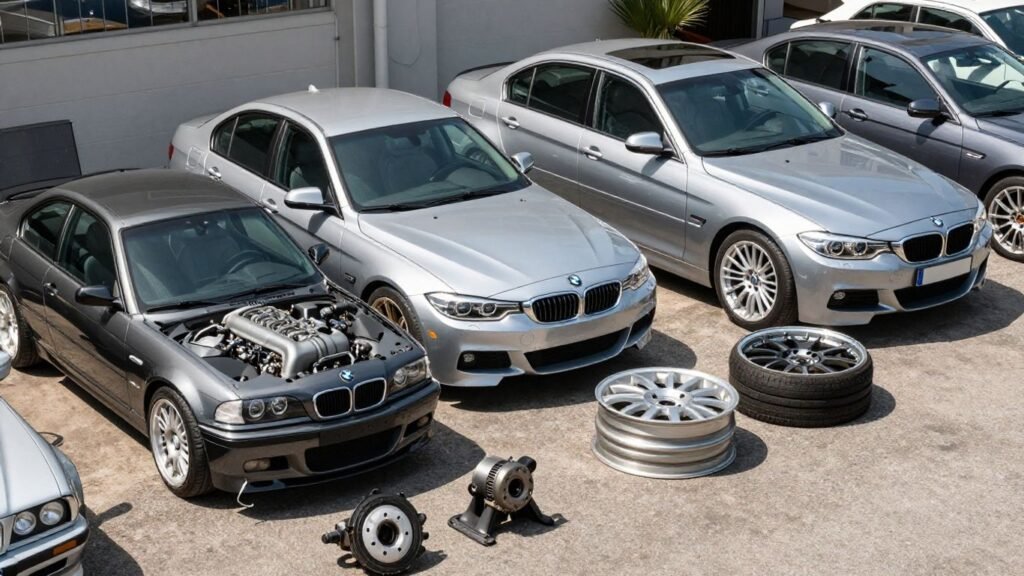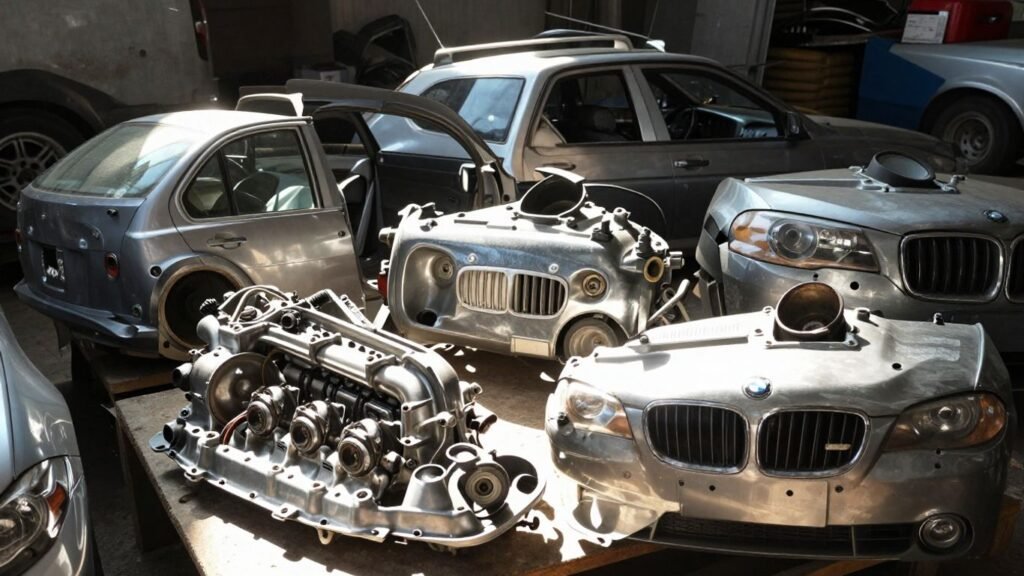
Just BMW

Blog

Your blog category

BMW being towed after breaking down.
Blog

The Day My BMW Broke Down: How Wreckers Turned Disaster into Driveable

Driving can be unpredictable, and sometimes, even a reliable car like a BMW can leave you stranded. That’s exactly what happened to me on a particularly rough drive. What started as a simple trip turned into a roadside nightmare, complete with unhelpful assistance and a car that just wouldn’t cooperate. This is the story of how a breakdown became a test of patience, and ultimately, a lesson in finding the right help when you need it most. Key Takeaways Sudden car trouble can happen anywhere, at any time, even with a well-maintained vehicle. Roadside assistance services, like AAA, may not always provide the help you expect or need. Towing companies can sometimes cause further issues or have strict rules that leave you stranded. Finding a competent mechanic who can accurately diagnose and fix your car’s problem can be a significant challenge. Unexpected help from strangers or a simple, overlooked solution can sometimes resolve a complex breakdown situation. The Day My BMW Broke Down: A Sudden Halt A Stormy Drive Turns Sour The drive started out like any other, but the weather had other plans. A sudden, fierce storm rolled in, turning the highway into a slick, unpredictable mess. Rain hammered down, creating deep puddles that splashed up with every passing car. Visibility dropped, and the inside of the car began to fog up despite the defroster working overtime. It felt like driving through a car wash, with water seeping in from everywhere. The car was struggling, and I could feel it. Engine Troubles Emerge Then came the sputtering. The engine coughed and choked, a sound that sent a jolt of panic through me. I tried to keep it going, shifting into neutral and revving the engine to coast along in the heavy traffic. It was a temporary fix, a desperate measure to keep moving. But as I approached a red light, the inevitable happened. The engine died completely, leaving me stranded in the middle lane. Stranded on the Henry Hudson There I sat, the engine refusing to turn over, the hazard lights blinking uselessly. It was dark, and cars were whizzing past, some too close for comfort. The sounds of horns blared behind me, adding to the growing anxiety. My phone battery was low, but I managed to call for help, hoping for a quick rescue. The precariousness of my position on the busy highway, with cars speeding by, was terrifying. This was not how I expected my evening to go. The sheer helplessness of being stuck on a major road during a storm, with your car completely unresponsive, is a unique kind of dread. Every passing headlight felt like a potential hazard, and the isolation, even surrounded by traffic, was profound. When Roadside Assistance Fails The Tow Truck’s Unexpected Departure So, the BMW finally sputtered to a halt. My first thought? Roadside assistance. I made the call, expecting a friendly voice and a promise of a speedy tow. What I got instead was a whole lot of waiting and a story that sounds almost too wild to be true. After what felt like an eternity, a tow truck finally showed up. The driver took one look at the BMW, then at me, and just… drove off. No explanation, no apology, just gone. I was left standing there, more confused than anything. Was it the car? Was it me? I had no idea. A Second Service Request Naturally, I had to call roadside assistance again. This time, I was a bit more insistent, explaining the bizarre situation. They assured me another truck was on its way, and this one would definitely stick around. I tried to stay optimistic, but the earlier experience had definitely put a damper on my spirits. The minutes ticked by, each one feeling longer than the last. I started to wonder if I’d ever get off this stretch of road. The sheer helplessness of being stranded, coupled with the unreliability of the service I was paying for, was incredibly frustrating. A Glimmer of Hope: The Car Starts Just as I was about to lose all hope, something strange happened. While waiting for the second tow truck, I decided to try starting the BMW one more time, more out of desperation than anything else. To my utter shock, the engine turned over. It wasn’t just a cough and a sputter; it actually sounded… normal. I let it run for a few minutes, half expecting it to die again at any second. But it didn’t. It just sat there, purring like nothing had ever been wrong. It was a moment of pure disbelief, a tiny miracle on the side of the road. I still needed to figure out why it stopped in the first place, but for now, the immediate crisis seemed to be over, thanks to a car that decided to cooperate after all. Navigating the Towing Company Maze Damage During the Tow So, after all that waiting and confusion, a tow truck finally showed up. The driver seemed okay at first, but as he was loading my BMW onto the flatbed, I noticed a few concerning scrapes along the side panel. He brushed it off, saying it was probably already there or just a bit of dirt. I had a sinking feeling he was wrong, and my gut instinct was right. Later, when I got a closer look, there were definitely new marks that hadn’t been there before. It’s frustrating enough to be broken down, but then to worry about your car getting damaged further by the very service meant to help? It’s a whole other level of stress. The Battery Reset Dilemma Then came the weirdest part. After the tow, when the mechanics tried to start the car, it wouldn’t even turn over. They fiddled with it for a while, scratching their heads. One of them suggested maybe it was just a dead battery or some kind of electronic glitch. He mentioned that sometimes, with these newer cars, a simple battery reset can fix

Shiny blue BMW car parked in driveway.
Blog

How Second-Hand BMW Parts Gave My Car a New Life: A Personal Story

My old BMW was starting to show its age. Little things were breaking, and I was dreading the repair bills. I’d heard about people using used parts, but I wasn’t sure if it was a good idea. Honestly, I was worried about quality. But with the cost of new parts from the dealer being so high, I decided to look into it. It turns out, finding second-hand BMW parts gave my car a new life, and saved me a ton of money in the process. Key Takeaways Looking for used parts can be a smart way to save money on car repairs, especially for older vehicles. Sometimes, new parts just aren’t financially sensible, particularly when the car’s overall value is lower. Used parts can offer functional replacements at a much lower cost than brand new ones. Understanding the difference between OE, OEM, and genuine BMW parts is important, as genuine parts are often much more expensive. For many repairs, aftermarket or used parts can work just fine if you adjust your expectations for performance and longevity. Reviving My Beloved BMW: The Second-Hand Parts Advantage Discovering the Value of Pre-Owned Components When my old BMW started showing its age, I faced a tough decision. Repairing it with brand-new parts felt like pouring money into a black hole, especially considering the car’s age and my own budget. That’s when I started looking into alternatives, and let me tell you, the world of used car parts opened up a whole new perspective. It turns out, you don’t always need the shiny, factory-fresh component to get your car back in working order. Sometimes, a well-maintained used part is the smartest choice you can make. Making Smart Choices for My Vehicle’s Future It’s easy to get caught up in the idea that only new parts will do. But for an older car, especially one that isn’t a collector’s item, the economics just don’t always add up. I found myself comparing prices for a specific part, and the difference was staggering. Part Type New Price (Approx.) Used Price (Approx.) Sunroof Cassette $1,000+ $50 Alternator $400 $100 Headlight Assembly $350 $75 For a car I’d already paid a modest amount for, spending over a grand on a single component just didn’t make sense. It felt like I was valuing the part more than the car itself. This realization shifted my entire approach to repairs. The key is to look at the car’s overall value and your own plans for it. If you’re not planning on keeping the car for many more years, or if it’s not a rare model, investing in the most expensive new parts might not be the best financial move. Sometimes, a part just needs to function well enough to get you by for a while, and a used component can absolutely do that. Beyond the Dealership: Exploring Used BMW Parts When New Parts Don’t Make Financial Sense Let’s be honest, sometimes the price tag on brand-new BMW parts, especially from the dealership, can be pretty shocking. For an older car, like my trusty Beemer, shelling out a fortune for a single component just doesn’t add up. It makes you stop and think if there’s a more sensible way to keep the car running without breaking the bank. That’s where the world of used parts really shines. It opens up possibilities that new parts, with their premium pricing, often shut down. Finding Functional Replacements at a Fraction of the Cost When you start looking beyond the official channels, you find a whole ecosystem of pre-owned parts. These aren’t just random bits and pieces; they’re often perfectly good components that have been removed from other vehicles. Think about it – a car might be totaled in an accident, but many of its parts are still in great shape. You can find these functional replacements for a significantly lower cost. It’s not always about getting the absolute cheapest option, but about finding a part that works well and makes financial sense for the car’s age and value. Sometimes, a used part is simply the most practical choice. If a new component costs more than you paid for the car itself, it’s a clear sign that a pre-owned alternative deserves serious consideration. It’s about smart economics and keeping your vehicle on the road without unnecessary expense. Here’s a quick look at how costs can stack up for a common repair: Part Type New (Dealership) Used (Salvage Yard) Sunroof Cassette $1000+ $50 Alternator $500+ $100 Headlight Assembly $400+ $75 The Sunroof Saga: A Cost-Saving Revelation Comparing New vs. Used Sunroof Cassette Prices My car’s sunroof had been stuck shut for ages. I figured, okay, this is going to be expensive. I called up the dealership, just to get a ballpark figure. The number they gave me for a new sunroof cassette was honestly shocking. It was more than I paid for the car itself a few years back! It just didn’t seem right to drop that kind of cash on a feature for an older vehicle. A Practical Decision for an Older Vehicle So, I started looking around for alternatives. That’s when I stumbled upon the world of used parts. I found a fully functional sunroof cassette from a salvage yard for a tiny fraction of the dealership’s price. It was a no-brainer, really. Spending $50 on a used part versus over $1,000 on a new one made all the sense in the world for a car that’s seen better days. It wasn’t about having the absolute latest or greatest; it was about getting a necessary component working again without breaking the bank. Sometimes, the most sensible repair isn’t the one that uses the newest part. It’s about finding a balance between cost and function, especially when the car itself has a lower market value. For many older cars, a new part can simply be financially illogical. Here’s a quick look at what I found: Part New Price (Dealership) Used Price (Salvage Yard) Sunroof Cassette $1,000+ $50

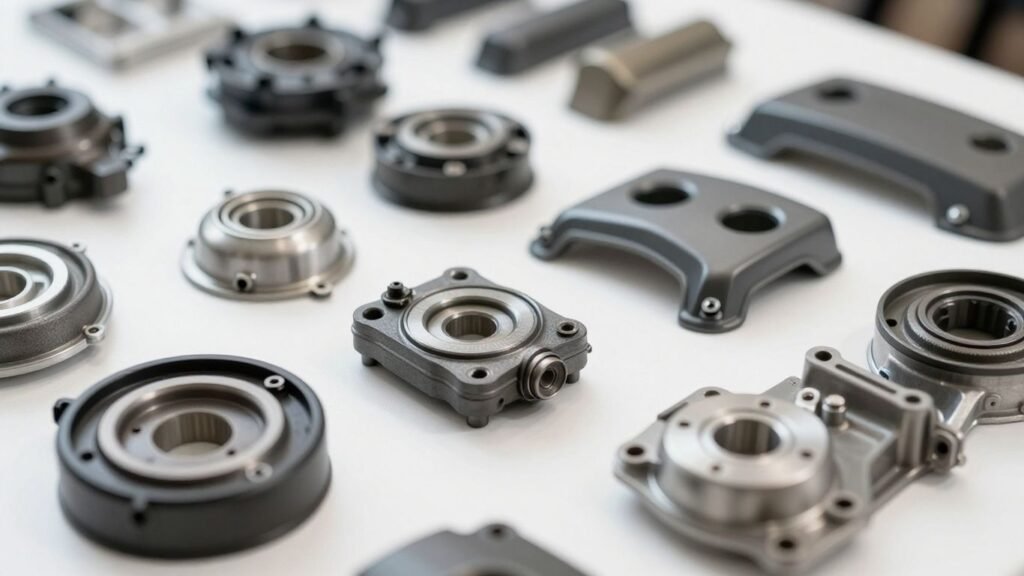
BMW spare parts collection
Blog

Navigating Your BMW: A Comprehensive Owner’s Guide to Selecting the Perfect Spare Parts

So, you’ve got a BMW, huh? Nice. These cars are pretty sweet, but when something needs fixing or replacing, it can feel a bit overwhelming trying to figure out what parts to get. Do you stick with the official BMW stuff, or is there a cheaper way to go? This guide is here to help you sort it all out. We’ll break down the options so you can make smart choices for your car, keeping it running right without breaking the bank. It’s all about getting the right fit and quality for your specific BMW. Key Takeaways Genuine BMW parts are made by BMW and are designed to fit your car perfectly, offering the best in quality and reliability. Aftermarket parts can be cheaper and offer more variety, but their quality can vary a lot, so you need to be careful when choosing them. Picking the right parts affects how your BMW drives, how long it lasts, and if your warranty is still good. Some parts, like brakes and filters, need replacing more often, and using good quality ones matters a lot. Buying parts online can be convenient and save money, but always make sure you’re getting them from a trusted seller. Understanding Genuine BMW Parts The Advantages of Authentic BMW Components When you’re looking to replace a part on your BMW, sticking with genuine BMW components is often the smartest move. These are the parts made by BMW itself, or by companies that BMW has approved to make parts to their exact standards. Think of them as the same parts that went into your car when it was first built. This means they’re designed specifically for your model, so you know they’ll fit right. This precision fit is a big deal because it helps your car run the way it’s supposed to. It also means you’re less likely to run into problems down the road with parts that don’t quite line up or function correctly. Ensuring Perfect Fit and Compatibility One of the biggest headaches when fixing a car is when a new part just doesn’t fit. With genuine BMW parts, this is rarely an issue. They’re engineered with incredibly tight tolerances to match your specific BMW. This isn’t just about making installation easier; it’s about how the car operates as a whole. When every component works together perfectly, your BMW performs better, feels smoother, and is generally more reliable. It’s like a puzzle where every piece is cut exactly right – it all slots together without any forcing or awkward adjustments. Rigorous Testing and Quality Assurance BMW doesn’t just slap parts together and hope for the best. Genuine BMW parts go through a lot of testing. They have to meet strict quality standards set by BMW. This testing makes sure the parts can handle the demands of driving, whether you’re cruising on the highway or tackling a winding road. You can generally expect them to last longer and perform more consistently than parts made without the same level of scrutiny. It’s this commitment to quality that helps maintain your BMW’s performance and safety over time. Choosing genuine parts means you’re investing in the integrity of your vehicle. It’s about keeping your BMW as close to its original factory condition as possible, which pays off in the long run. Navigating Aftermarket Alternatives So, you’re looking at fixing up your BMW and the price of genuine parts makes your eyes water a bit. It’s totally understandable. That’s where aftermarket parts come into the picture. These are parts made by companies other than BMW itself. They can be a good option, but you really have to know what you’re doing. Pros and Cons of Aftermarket BMW Parts On the plus side, aftermarket parts are often cheaper. Like, significantly cheaper sometimes. This can be a big deal if you’re on a budget. Plus, there are usually way more options out there. You might find a part from a dozen different brands, which can be nice if you’re looking for something specific or want to try a different look or feel. Sometimes, these parts can even offer a performance boost over the original, though that’s not always the case. But here’s the catch: quality can be all over the place. You absolutely have to do your homework to make sure you’re getting something decent. Some aftermarket parts are made really well, maybe even as good as the original. Others? Not so much. They might not fit quite right, wear out faster, or just not perform as well. It’s a bit of a gamble. Variations in Quality and Durability Think of it like buying clothes. You can get a designer jacket or a fast-fashion one. Both might look okay at first, but one will probably last a lot longer and hold up better. It’s the same with car parts. The materials used, the manufacturing process, and the quality control can differ a lot between aftermarket brands. Some companies specialize in high-performance parts and have great standards, while others might just be trying to make a quick buck with cheaper materials. When Aftermarket Parts Are a Viable Option So, when does it make sense to go aftermarket? If you’re replacing something simple, like a cabin air filter or maybe some brake pads where you can easily check reviews and brand reputation, it’s often a safe bet. If you’re looking for a specific aesthetic upgrade, like custom wheels or a spoiler, aftermarket is usually your only option. For more critical components, though, like engine internals or transmission parts, you might want to stick closer to genuine BMW parts or at least very reputable aftermarket brands known for their quality. It really comes down to the specific part and your comfort level with the risk. It’s easy to get tempted by the lower price tag of aftermarket parts, but always remember that your BMW is a precision machine. Cutting corners on parts can sometimes lead to bigger, more expensive problems down the road. Always check reviews

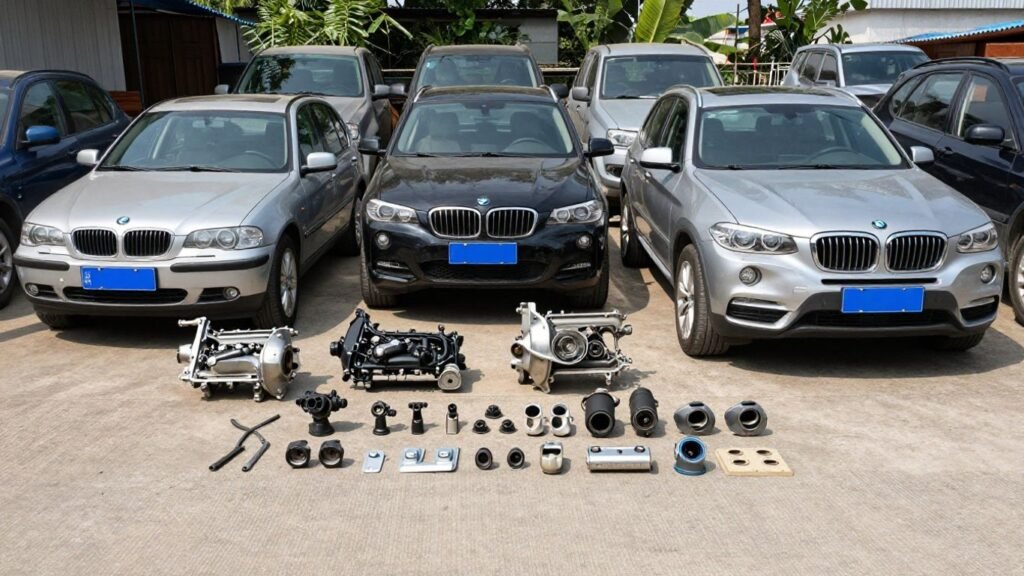
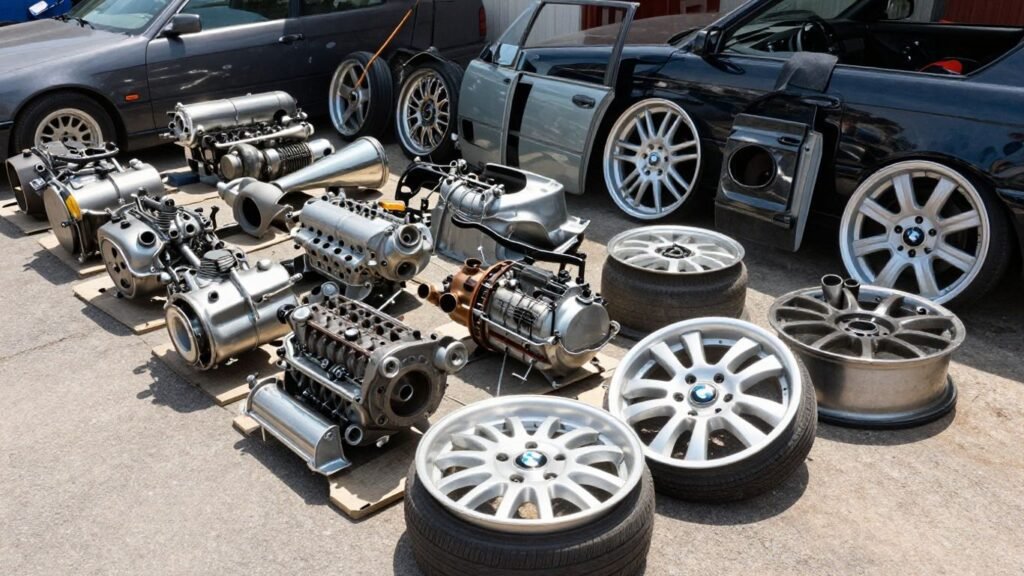
Disassembled BMW engine parts in a workshop.
Blog

Behind the Scenes of BMW Wreckers: Uncovering the Origins of Salvaged Parts

Ever wondered where those used BMW parts actually come from? It’s not just a random pile of metal. There’s a whole process behind it, from the moment a car is retired to when a part finds a new life. We’re going to pull back the curtain a bit and look at the journey of these salvaged components. This is Behind the Scenes of BMW Wreckers: Where Do the Parts Come From? Key Takeaways Cars that are no longer roadworthy end up at specialized wreckers for parts. Wreckers figure out which car a part came from and check its history. They take apart cars carefully and test the parts to make sure they work. Finding a good wrecker means looking for honest businesses with good feedback. Recycling car parts helps the environment and keeps BMWs on the road longer. The Journey Of A Salvaged BMW From Road To Recovery It all starts when a BMW reaches the end of its road, whether that’s due to an accident, age, or simply becoming too costly to repair. These vehicles, once symbols of driving pleasure, begin a new chapter. They’re often towed from the scene of an incident or picked up from their owner’s driveway. The initial step is getting them to a specialized facility where their potential as a source of parts can be assessed. It’s a transition from being a functional car to a collection of components. Initial Assessment And Sorting Once a BMW arrives at the salvage yard, it undergoes a careful inspection. Technicians look over the vehicle to see which parts are still in good working order and have value. This isn’t just a quick glance; it involves checking for damage, wear, and tear. Parts that are deemed salvageable are then tagged and sorted. This process helps organize the incoming vehicles and gives a preliminary idea of what parts will be available. The condition of the vehicle upon arrival significantly impacts the quality and availability of its parts. A car that was well-maintained before its end-of-life event will naturally yield better components. The Role Of Specialized Wreckers Specialized BMW wreckers are key players in this process. They aren’t just general scrap yards; they focus specifically on BMWs. This focus means they have a better understanding of the brand’s engineering and common issues. They know which parts are most sought after and how to extract them efficiently and safely. Their specialized knowledge helps in identifying usable parts that might be overlooked by a less experienced yard. Uncovering The Origins Of BMW Parts Identifying The Source Vehicle When a BMW arrives at a wrecker, the first step is figuring out exactly where it came from. This isn’t just about knowing the car’s VIN, though that’s a big part of it. We look at the car’s overall condition, any unique features, and even the wear and tear on different components. Sometimes, a car might have aftermarket parts or specific modifications that give clues about its past life. Knowing the original vehicle helps us understand the potential condition and compatibility of the parts we salvage. It’s like being a detective, piecing together the story of the car before it even gets taken apart. Tracing Part History Once we know the source vehicle, we try to get a sense of the part’s history. This can be tricky. For newer cars, there might be digital records or service histories available. For older ones, it’s more about visual inspection and experience. We check for signs of major repairs, accidents, or even just heavy use. A part from a car that was meticulously maintained will likely be in better shape than one from a neglected vehicle. We also consider the mileage of the source car; a low-mileage car usually means less wear on its parts. The goal is to give customers as much information as possible about what they’re buying. It’s not always a perfect science, but we do our best to be transparent about what we know. Ensuring Authenticity And Quality Authenticity is a big deal, especially with BMWs. We want to make sure the parts we sell are genuine BMW components, not cheap imitations. This involves checking part numbers, looking for BMW logos, and comparing them to known genuine parts. Quality control is just as important. We inspect each part for damage, wear, and any signs of defects. Sometimes, we’ll even run basic tests on electronic components if possible. It’s all about making sure that when you buy a part from us, you’re getting something reliable that will work well in your car. The Process Of BMW Part Reclamation Expert Disassembly Techniques Taking apart a BMW for salvage isn’t just about brute force; it’s a careful dance. Technicians need to know exactly where to apply pressure and where to be gentle. They’re not just ripping things out; they’re looking to preserve as much of the component’s integrity as possible. Think of it like a surgeon, but with wrenches and sockets instead of scalpels. The goal is to get the part out in usable condition, minimizing any damage that would make it unsellable. This means understanding the specific engineering of each BMW model, knowing which bolts are reverse-threaded, or which connectors need a specific release tab. It takes practice and a good eye for detail. Sometimes, a part that looks simple to remove can be surprisingly tricky if you don’t know the BMW’s little secrets. Component Testing And Grading Once a part is out, it’s not immediately ready for sale. Each piece goes through a check-up. This isn’t just a quick wipe-down; it involves testing the part’s functionality. For an engine control unit, they might hook it up to a diagnostic machine. For a transmission, they’ll check for smooth operation. Wear and tear are also assessed. Parts are then given a grade, usually something like ‘A’ for excellent condition, ‘B’ for good with minor flaws, or ‘C’ for functional but showing significant age. This grading system helps buyers know what they’re getting. Part Type Condition Grade

Affordable BMW spare parts laid out neatly.
Blog

Navigating The Journey of Finding Affordable BMW Spare Parts

Finding the right parts for your BMW shouldn’t feel like a wild goose chase. Whether you’re dealing with a minor fix or a bigger repair, the cost of parts can really add up. This article is all about making The Journey of Finding Affordable BMW Spare Parts a little easier. We’ll look at where to find good deals, how to make sure the parts are decent, and some tips to keep your car running without emptying your wallet. Key Takeaways When looking for BMW parts, you’ve got options: stick with genuine BMW parts for guaranteed fit, try aftermarket parts that can be cheaper, or go for used components which offer the biggest savings. Shopping online is a big one for finding deals. Also, don’t forget about independent mechanics who often know where to get good prices, and local junkyards can be goldmines for used parts. It’s super important to check the quality of any part you’re thinking of buying, especially if it’s used. Look it over carefully and see if there’s any kind of warranty or guarantee. Before you buy, compare prices from different sellers. Make sure the part you’re looking at actually fits your specific BMW model and year. Figure out shipping costs too. Building a good relationship with a reliable parts supplier or a trusted mechanic can save you time and money in the long run. They can offer advice and help you find what you need. Understanding The BMW Parts Landscape The Value of Genuine BMW Parts When it comes to keeping your BMW running like the finely tuned machine it is, genuine parts are often the first thing that comes to mind. These are the components designed and manufactured by BMW itself, or by a supplier specifically for BMW. The big plus here is that they’re made to fit your exact model perfectly, and they’re built to meet BMW’s own high standards for performance and durability. Think of it like this: you bought a BMW for a reason, right? Using genuine parts helps maintain that original engineering and feel. While they can sometimes be pricier, they often come with the peace of mind that they’ll perform as expected and last a good long while. Choosing genuine BMW parts means you’re sticking with the original design and quality that your car was built with. It’s about maintaining that specific driving experience. Exploring Aftermarket Alternatives Beyond the official BMW channels, there’s a whole world of aftermarket parts. These are made by companies other than BMW. The variety here is huge, from parts that are meant to be exact replicas of OEM (Original Equipment Manufacturer) parts to performance upgrades or even more budget-friendly options. The main draw of aftermarket parts is often the price – they can be significantly cheaper than genuine ones. You can also find specialized parts here that BMW might not even offer anymore, especially for older models. However, quality can really vary. Some aftermarket brands are excellent and meet or even exceed OEM standards, while others might not be so great. It’s important to do your homework and stick with reputable brands to avoid issues down the road. Part Type Typical Cost (vs. Genuine) Potential Quality Variation Engine Components Lower High Brakes Lower Medium Electrical Lower High Body Panels Lower Medium The Benefits of Used BMW Components Don’t overlook the used parts market! For many repairs, especially on older BMWs, used parts can be a lifesaver for your wallet. You can often find major components like engines, transmissions, or even body panels for a fraction of the cost of new. This is especially true if you’re looking for parts for a model that’s no longer in production. The key here is finding a reliable source. You’ll want to inspect used parts carefully for wear and tear, damage, or signs of previous issues. Buying used parts is a smart way to save money, but it requires a bit more diligence to ensure you’re getting something that will still work well. Many salvage yards and specialized used parts dealers will test components before selling them, and some even offer a short warranty, which is a good sign. Strategic Sourcing For Savings Finding the right BMW parts without emptying your wallet is totally doable. It just takes a little bit of smart shopping and knowing where to look. You don’t always have to go straight to the dealership for everything, and honestly, sometimes you can find better deals elsewhere. Leveraging Online Retailers Online stores have really changed the game for car parts. You can find a huge variety of parts, from brand new OEM (Original Equipment Manufacturer) pieces to aftermarket options, all without leaving your couch. Comparing prices across different websites is super easy, and you can often spot deals that local shops might not offer. Just be sure you’re buying from reputable sellers. Look for sites that specialize in BMW parts or have good reviews. Sometimes, you can even find discount codes or loyalty programs that save you more money over time. It’s a good idea to check a few different online vendors before you commit to a purchase. Connecting with Independent Specialists Independent mechanics who focus on European cars, especially BMWs, can be a goldmine for parts and advice. They often have established relationships with suppliers that might not be as obvious to the average car owner. Because they work on these cars all the time, they usually know exactly which parts are reliable and where to get them at a decent price. Plus, they can often give you a heads-up on whether a specific part is worth the cost or if there’s a more budget-friendly alternative that will still perform well. Building a rapport with a good independent specialist can save you a lot of headaches and money down the road. The Role of Local Auto Yards Don’t underestimate the power of your local auto salvage yards, sometimes called junkyards. While they might not have shiny new parts, they are fantastic places to find

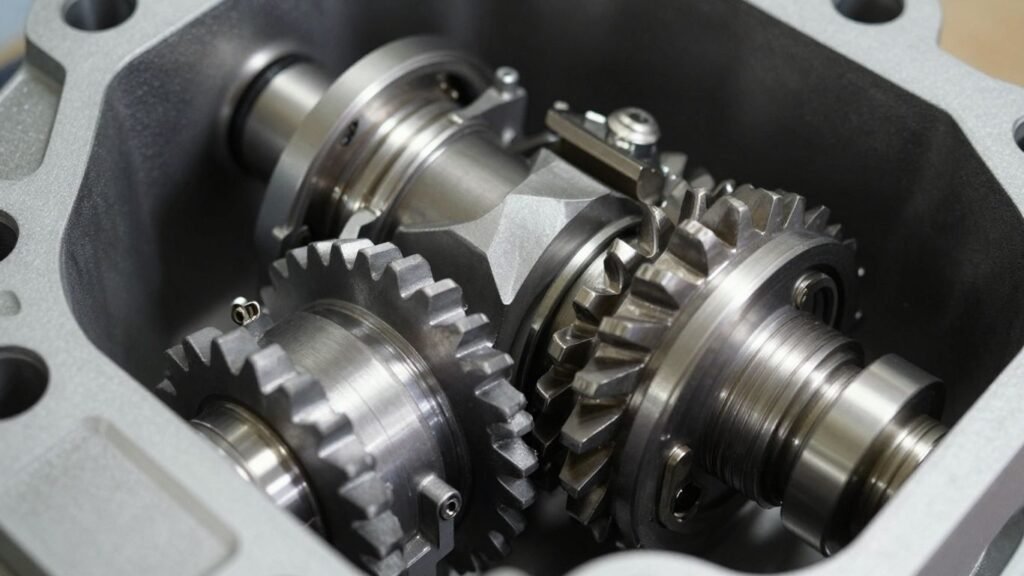
High-quality BMW engine part from a wrecker.
Blog

Why BMW Owners Trust Wreckers for Quality Parts: An In-Depth Look

So, you’ve got a BMW, and something’s not quite right. Maybe a fender bender or just a part that’s given up the ghost. You’re probably thinking about where to get a replacement. New parts can cost a fortune, especially for a premium car like a BMW. That’s where wreckers, or professional dismantlers, come in. Many BMW owners have found that these places are a goldmine for quality parts. Why is that? Let’s take a look at why BMW owners trust wreckers for quality parts and how you can benefit too. Key Takeaways Used Original Equipment Manufacturer (OEM) parts from wreckers offer the same quality and fit as new ones but at a lower cost, helping maintain your BMW’s original standards. Professional dismantlers provide detailed information about the part and its donor vehicle, including condition reports and mileage, allowing for informed purchasing decisions. For older or discontinued BMW models, wreckers are often the only reliable source for finding necessary replacement parts that are no longer manufactured. Buying from reputable wreckers or through online platforms that vet sellers offers transparency, quality control, and often warranties, reducing the risk of purchasing faulty parts. Expanding your search to European wreckers through online marketplaces can significantly increase your options and potentially lead to better value, with many platforms handling international logistics. Why BMW Owners Trust Wreckers for Quality Parts Understanding The Value Of Used OEM Components When it comes to keeping a BMW running smoothly, especially an older model, finding the right parts can feel like a treasure hunt. Many owners are discovering that used Original Equipment Manufacturer (OEM) parts from professional dismantlers are a smart choice. These aren’t just any old parts; they’re components originally made for your specific BMW model. This means they’re designed to fit perfectly and perform just like the original part did when the car was new. Think about it – your BMW was engineered with specific parts for a reason. Getting a used OEM part means you’re sticking with that original design and quality. It’s a way to maintain the integrity of your vehicle without always paying the premium price for brand-new dealer parts. Ensuring Fitment And Original Quality One of the biggest worries when buying car parts, especially used ones, is whether they’ll actually fit and work correctly. This is where professional wreckers, or dismantlers, really shine. They have detailed records of the vehicles they take apart. This means they can often tell you exactly which model and year a part came from. For a BMW, this level of detail is important because different trims or production years can have slightly different components. Reputable wreckers will also inspect parts for damage or excessive wear before listing them. They know that if a part doesn’t fit or work, you’ll be unhappy, and that’s bad for their business. So, they tend to be pretty careful about what they sell. Buying used doesn’t mean you’re settling for less. It often means getting a genuine part that’s been vetted by professionals, saving you money and keeping your BMW true to its original design. Availability For Older And Discontinued Models BMW makes fantastic cars, but like all manufacturers, they eventually stop making certain parts for older models. This is where wreckers become lifesavers. If you’re driving a classic BMW or a model that’s no longer in production, finding new parts can be nearly impossible, or incredibly expensive if you can find them at all. Professional dismantlers often have a large inventory of vehicles, including older ones. This gives you a much better chance of finding that hard-to-get component you need to keep your beloved BMW on the road. It’s a practical solution for keeping these cars running for years to come. The Advantages Of Sourcing Parts From Professional Dismantlers Detailed Part Listings And Rigorous Quality Control When you’re looking for a used part for your BMW, going with a professional dismantler, especially one found through a reputable online platform, makes a big difference. These places aren’t just random junkyards. They often operate under strict regulations, meaning they take their job seriously. Each part usually comes with a detailed description, including information about the car it came from – like its year, model, and even the mileage. This isn’t just a random guess; it’s data that helps you know exactly what you’re getting. Many dismantlers also grade the condition of the parts, noting any minor scratches or wear. This level of detail means you’re not buying something sight unseen. You get a clear picture of the part’s history and condition before you even click ‘buy’. Transparency Through Donor Vehicle Information Knowing the story behind a used part can give you a lot of peace of mind. Professional dismantlers usually provide details about the vehicle the part was salvaged from. This includes the make, model, year, and sometimes even the engine size and transmission type. For a BMW owner, this is super helpful because it confirms the part’s compatibility. You can cross-reference this information with your own car’s specs to be sure. It’s like getting a mini-history report for your spare part. This transparency helps avoid those frustrating moments where you get a part that looks right but doesn’t quite fit or function correctly because it was from a slightly different model. Buying from a professional dismantler means you’re often getting parts that have been inspected and cataloged. They understand that their reputation is on the line, so they’re more likely to be upfront about any imperfections. This careful approach reduces the risk of surprises when the part arrives at your door. Access To Vetted And Certified Recyclers Many online marketplaces that connect you with used BMW parts work exclusively with dismantlers who have proven their reliability and quality standards. These aren’t just any old scrap yards; they are often certified recyclers who adhere to specific environmental and operational guidelines. This vetting process means you’re dealing with businesses that are serious about their work and the quality of the parts they supply. It’s a

BMW project car with new spare parts.
Blog

From Damaged to Dream Ride: How BMW Spare Parts Transformed My Project Car

Working on project cars can be a wild ride, full of unexpected challenges and rewarding moments. Sometimes, you stumble upon a gem that just needs a little love, and other times, you’re faced with a beast that requires serious dedication. My journey with these vehicles has been a mix of both, often relying on the right parts to turn a wreck into something truly special. This is the story of how finding the right BMW spare parts, among others, helped transform some seriously damaged cars into the dream rides I envisioned. It’s a tale of patience, a bit of luck, and a whole lot of wrenching. Key Takeaways The BMW E30 project started as a simple car but quickly evolved into a unique ute conversion, showcasing creative modifications and the need for specific parts to achieve the desired look and function. Restoring a Ferrari involved sourcing extremely rare structural components, highlighting the difficulty and importance of finding original parts for high-value, low-production vehicles. The Jaguar S-Type R manual swap demonstrates how combining parts from different models (like ZF transmissions from BMWs) can achieve desired performance upgrades, even when factory options are limited. Reviving the BMW 635CSi’s ride quality required tracking down scarce strut tower bushings and new Bilstein shocks, proving that even common wear items can become hard to find for older models. The pursuit of custom Rotiform wheels for a BMW E30 led to significant frustration with communication, fitment issues, and powdercoat defects, underscoring the risks and potential pitfalls of custom parts and poor customer service. Reviving A Classic: The E30 Project So, the E30. This little BMW was supposed to be a simple, stock revival. You know, just get it running right, maybe clean it up a bit. It was a bit rough around the edges when I got it – the heater was a no-go, the stereo was dead, and some trim pieces were missing. Turns out, a hidden electric water pump was the culprit for the no-heat situation, but a new relay sorted that out. A cheap used stereo brought the tunes back. Easy peasy, right? Well, that’s not how it went. The ‘stock’ idea lasted about as long as a snowball in July. First came the springs, shocks, and new wheels. Then, the engine. I wasn’t a fan of the timing belt, so I went with an M50 swap. It was supposed to be temporary, a placeholder until I figured out if I wanted to go diesel or V8. V8 won. A 6.0 LS and a T56 are now waiting in the wings. But that’s a story for another day. Then came the unexpected ute conversion. My girlfriend loved driving the E30, calling it a ‘go-kart’ compared to her Volvo. She wanted one, but also wanted something she didn’t have to baby around parking lots. So, I grabbed another E30 shell, slapped on some all-terrain tires and a small lift. Ambitious? Definitely. I ended up cutting off the rear half, welding in a 4Runner rear window, and turning it into a truck. It’s still not fully finished, but she drives it and loves it. It’s a project, for sure, but a loved one. From Stock to Swapped: The E30’s Transformation Starting with a stock E30, the goal was simple: get it back to its former glory. But as anyone who’s tinkered with cars knows, ‘stock’ is a slippery slope. After addressing the basic issues like the heater and stereo, the urge to modify took over. The original pulley was so stuck it had to be cut off, which felt like a sign. Swapping the engine for an M50 was the next logical step, moving away from the timing belt and gaining a bit more pep. This was just the beginning of turning a classic into something uniquely mine. The Unexpected Ute Conversion This part of the E30’s life was pure impulse and a desire to build something fun and different. My girlfriend’s love for the E30’s handling, combined with her less-than-gentle parking style, sparked the idea for a truck conversion. Taking a spare E30 shell, adding a lift and some chunky tires was the easy part. The real work started when I decided to cut off the rear and fabricate a truck bed, complete with a salvaged 4Runner rear window. It’s a wild look, and while it’s still a work in progress, it’s become her daily driver and a conversation starter. Finding the Perfect Parts for the E30 When you start modifying a car like the E30, especially when you’re going beyond stock, finding the right parts becomes a whole new adventure. For the engine swap, I needed specific mounts and a transmission adapter. The M50 swap itself required sourcing an engine, wiring harness, and all the associated cooling and exhaust components. Then, for the ute conversion, it was about finding a suitable rear window that could be integrated, plus suspension parts that could handle a bit more abuse. It’s a mix of hunting down BMW-specific bits and adapting parts from other vehicles to make the vision a reality. You learn pretty quickly what works and what doesn’t, and where to find those obscure pieces. A Prancing Horse’s Second Chance Sometimes, a car just shows up. A friend, stressed out from his finance job, decided to call it quits and, in the process, picked up a long-time dream car. Unfortunately, his dream came with a bit of a bump – a crash that left it needing some serious attention. The good news? Insurance covered more than he paid for it, and that payout became the budget for repairs. He towed the damaged Ferrari over, and we got to work. The Ferrari’s Unexpected Journey We started by tackling the front end. The nose bar and fender support were pretty banged up. Finding a replacement for that front support piece felt like searching for a needle in a haystack. It turns out, it was the last one available from a specialized Ferrari body shop out in

BMW car parts and happy customer
Blog

My Smart Money-Saving Journey with BMW Wreckers Across Australia

Owning a BMW is a fantastic experience, but let’s be real, the costs can add up. From maintenance to unexpected repairs, keeping a luxury car running smoothly can put a dent in your wallet. I’ve been on a mission to find ways to enjoy my BMW without breaking the bank. This journey led me to discover the world of BMW wreckers across Australia, and I’ve learned a lot about saving money. It turns out you don’t always need brand-new parts to keep your car in top shape. This article is all about how I saved money with BMW wreckers in Australia and how you can too. Key Takeaways Buying used parts from BMW wreckers is a smart way to cut down on repair costs. Regular car maintenance helps avoid bigger, more expensive problems down the line. Independent mechanics can sometimes be cheaper than dealerships for BMW service. Checking the condition of used parts and understanding any warranties is important. Recycling car parts is good for the environment and saves money. Discovering Affordable BMW Parts The Value of Used BMW Components When it comes to keeping a BMW on the road without emptying your wallet, looking at used parts is a smart move. New parts, especially for luxury cars, can be really expensive. But a lot of components from a wrecked BMW are still perfectly good. Think about things like body panels, headlights, or even interior bits. They might have come off a car that had a major accident, but the specific part you need could be in great shape. It’s all about finding those hidden gems that still have plenty of life left in them. This approach makes owning a BMW much more manageable financially. Finding Quality Parts at BMW Wreckers So, where do you find these pre-owned treasures? That’s where BMW wreckers come in. These places specialize in dismantling BMWs and selling off the usable parts. They’re not just random junkyards; many are quite organized. They often have systems to track what parts they have and which cars they came from. This means you can often get a part that’s been inspected, cleaned, and is ready to go. It’s a big step up from just hoping for the best at a general scrap yard. Navigating the Selection Process Picking the right part from a wrecker can feel a bit like treasure hunting. You need to know what you’re looking for. It helps to have the part number or at least a very clear description of what you need. Sometimes, you can even see the part before you buy it, which is a huge plus. It’s good to ask questions about the part’s history if you can. Was it from a front-end collision? Was the engine running when the car was brought in? The more information you have, the better you can judge if the part is a good buy. It’s not always straightforward, but the savings can be well worth the effort. Smart Strategies for BMW Ownership Savings Owning a BMW is fantastic, but let’s be real, it can also get pricey. It’s not just about the initial purchase; keeping these cars running smoothly and looking good adds up. But you don’t have to break the bank to enjoy your Ultimate Driving Machine. I’ve found a few ways to keep costs down without sacrificing that BMW feel. The Role of Regular Maintenance This is probably the most important thing. Sticking to the recommended service schedule is a no-brainer. Think of it like going to the doctor for check-ups. Little things like oil changes, tire rotations, and checking fluid levels might seem minor, but they stop bigger, much more expensive problems from popping up later. Keeping up with maintenance not only prevents costly breakdowns but also helps your car last longer and hold its value better. It’s a bit of an investment upfront, but it pays off big time down the road. Considering Independent Service Centers Dealerships are convenient, sure, but they often come with a premium price tag. I’ve started looking into independent mechanics who specialize in BMWs. You can often find really skilled technicians at these places who know their stuff just as well as the dealership folks, but at a more reasonable cost. Just make sure they’re reputable and have good reviews. It’s worth doing a little research to find a good local shop. The Benefits of High-Quality Aftermarket Parts When a part needs replacing, you have options. Genuine BMW parts are great, no doubt, but they can be expensive. I’ve found that there are plenty of aftermarket parts out there that are just as good in terms of quality and performance, but cost a lot less. You just have to be careful to buy from trusted brands. Cheap, no-name parts can end up causing more trouble than they’re worth, so it’s a balance, but good aftermarket options can save you a significant amount of money. Taking care of your car doesn’t have to mean spending a fortune. A little bit of planning and choosing your service providers and parts wisely can make a big difference in your overall ownership costs. It’s about being smart with your money so you can keep enjoying the drive. My Experience with Australian BMW Wreckers Locating Reputable Wreckers Across Australia Finding good BMW wreckers across Australia wasn’t as hard as I thought it might be. I started by just doing some online searches, looking for places that specialized in European cars or specifically BMWs. Some places had websites with searchable inventories, which was super helpful. Others, I just had to call up. It really paid off to do a bit of homework first. I found that many wreckers are happy to chat on the phone and give you an idea of what they have in stock. It’s also worth checking out reviews if they’re available; seeing what other people say can give you a good sense of who’s reliable. The Ease of Sourcing Specific Parts Honestly, I was a bit

BMW emblem on a blue car hood
Blog

Find Genuine OEM BMW Replacement Parts for Your Vehicle

Keeping your BMW running smoothly means using the right parts. When it’s time for a replacement, sticking with OEM BMW replacement parts is a smart move. These are the parts that originally came with your car, designed specifically for it. This guide will help you understand why they matter and how to get them. Key Takeaways Genuine BMW parts are made to the exact standards as your car’s original components. Using OEM BMW replacement parts ensures your vehicle maintains its original performance and safety. Your VIN is the best way to find the correct OEM BMW replacement parts for your specific car. Buying from certified BMW dealers gives you access to the full catalog and expert help. Proper part selection using your VIN helps avoid returns and extra costs. Understanding OEM BMW Replacement Parts The Importance of Genuine BMW Parts When it comes to keeping your BMW running like the day it rolled off the assembly line, using genuine Original Equipment Manufacturer (OEM) parts is a pretty big deal. Think of it like this: BMW designs every single component, from the tiniest bolt to the engine block, to work together perfectly. These parts are made to exact specifications, meaning they fit right, perform right, and last right. Using genuine BMW parts means you’re sticking with the quality and engineering that makes a BMW a BMW. It’s not just about a sticker; it’s about the materials, the testing, and the overall reliability that BMW stands behind. Why Choose OEM BMW Replacement Parts Over Aftermarket So, you need a new brake pad or maybe a replacement air filter. You’ll see a lot of options out there, including aftermarket parts. While some aftermarket parts might seem cheaper upfront, they often don’t meet the same strict standards as OEM parts. Aftermarket manufacturers aren’t always held to BMW’s specific engineering requirements. This can lead to parts that don’t fit perfectly, wear out faster, or even affect your car’s performance or safety. Genuine BMW parts are built by BMW or for BMW, guaranteeing they’re made to the same high standards as the original components. It’s about maintaining the integrity of your vehicle. Ensuring Quality and Performance with OEM BMW Parts When you install an OEM BMW part, you’re getting something that’s been tested and approved by the very engineers who designed your car. This means it’s built to last and perform as intended. You can expect consistent quality, proper fitment, and the same level of performance you’re used to. It’s about peace of mind, knowing that the part you’re putting into your Ultimate Driving Machine is going to do its job without any surprises. This commitment to quality is what separates genuine parts from the rest. Navigating the Online Catalog for OEM BMW Parts Finding the right replacement part for your BMW might seem a bit tricky at first, but most online BMW parts stores make it pretty straightforward. You’ve got a few main ways to zero in on exactly what you need. Searching by Part Name or Number If you already know the specific name or the official BMW part number, this is usually the quickest route. Most sites have a search bar right at the top. Just type in what you’re looking for, like "oil filter" or a specific number like "11-42-7-953-129", and the system will pull up matching results. It’s a good idea to have the exact part number if you can get it, as this avoids any confusion. Utilizing Your VIN for Accurate Part Identification This is probably the most reliable method. Your Vehicle Identification Number (VIN) is like your BMW’s fingerprint. When you enter your VIN into the search field on a reputable parts website, it pulls up a list of parts specifically designed for your exact car model, year, and configuration. This cuts down on guesswork significantly and helps prevent ordering the wrong item. Browsing by BMW Model for Specific Fitment If you don’t have a part number or your VIN handy, you can also browse the catalog by selecting your BMW model. You’ll typically choose your series (like 3 Series, X5, etc.), then the specific model year, and sometimes even the engine type. This filters the parts list to show only items compatible with your vehicle. It’s a bit more visual and can be helpful if you’re exploring different options or aren’t sure of the exact part you need. Using your VIN is the best way to be absolutely sure you’re getting the correct part. It takes the guesswork out of the equation and saves you time and potential hassle with returns. Benefits of Sourcing OEM BMW Parts from Certified Dealers When you’re looking for replacement parts for your BMW, going through a certified dealer really makes a difference. They have access to the entire official BMW parts catalog, which means you’re not limited to just a few common items. If a part exists for your specific model and year, they can get it. This is a big deal because it guarantees you’re getting exactly what the car was designed with. This direct access ensures you’re always getting the correct, genuine component for your vehicle. Plus, when you buy from a certified dealer, those parts usually come with a warranty. This means if something goes wrong with the part shortly after installation, you’re covered. It’s not just about the part itself; it’s about the peace of mind that comes with knowing it’s backed by BMW. You can also count on the people working in the parts department. They know BMWs inside and out, and they can help you figure out exactly what you need, saving you time and potential headaches. Buying from a certified dealer means you’re getting parts that are made to the same standards as your original BMW. This helps keep your car running the way it should, maintaining its performance and safety features. It’s a straightforward way to keep your Ultimate Driving Machine truly original. It’s worth noting that certified dealers often have parts that

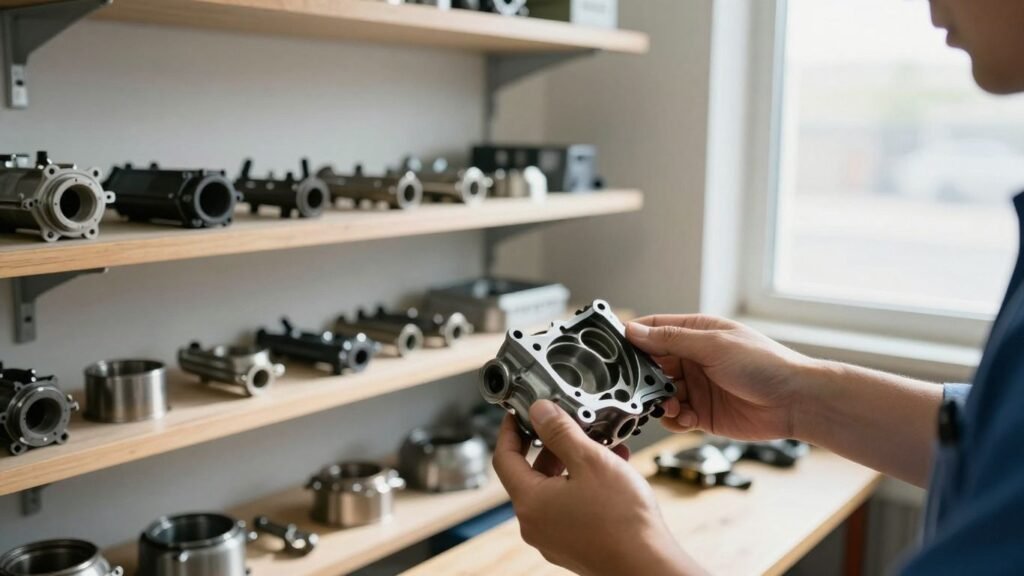
BMW car parts arranged in a workshop
Blog

Melbourne’s Top BMW Wreckers: Your Guide to Quality Used Parts

Got a BMW that’s seen better days in Melbourne? Don’t let it take up space or become a money pit. Finding the right place to get rid of it or source affordable parts can be a headache. But it doesn’t have to be. This guide is here to point you towards the best BMW wreckers in Melbourne, making the process smooth and straightforward, whether you’re selling your old car or hunting for that specific part. Key Takeaways Top Melbourne wreckers specialize in dismantling BMWs, offering quality used parts. Look for licensed and insured wreckers for safe and legal operations. Many wreckers provide instant cash and free removal for unwanted BMWs. Expect a wide range of parts, from engines to smaller components, for various BMW models. Choosing reputable wreckers ensures quality checks and often provides genuine OEM parts. 1. Top Melbourne Wreckers: Your Premier BMW Parts Source Finding the right parts for your BMW in Melbourne doesn’t have to be a headache. When your Beemer needs a bit of TLC, or you’re working on a project, hitting up a specialized BMW wrecker is often the smartest move. These places are like treasure troves for car enthusiasts and mechanics alike. They take apart BMWs that are past their prime and salvage usable components, which can save you a serious amount of cash compared to buying brand new. These specialists know BMWs inside and out, making them the go-to for quality used parts. They handle everything from big ticket items like engines and transmissions to smaller bits like headlights and interior trim. It’s not just about getting a part; it’s about getting the right part, and often, getting advice from people who actually work on these cars regularly. Dealing with a reputable BMW wrecker means you’re likely getting parts that have been checked over, so you’re not just buying a random used item. They understand the value of keeping these cars on the road, and their stock reflects that dedication. Think about it: instead of paying dealership prices for a new alternator, you can often find a perfectly good used one from a wrecker for a fraction of the cost. It’s a win-win for your wallet and for keeping older BMWs running strong. 2. Parts Experts: Specializing in Quality Used BMW Components Finding the right replacement part for your BMW can sometimes feel like a treasure hunt, especially if you’re trying to keep costs down. That’s where specialized BMW wreckers really shine. They’re not just dismantling cars; they’re acting as knowledgeable curators of quality used components. These experts understand the intricate engineering that goes into every BMW, ensuring that the parts they salvage and sell meet specific standards. Think about it – a BMW engine is a complex piece of machinery. A good wrecker will know which engines are still in good running order, how to properly test them, and what common issues to look out for. The same applies to transmissions, electronic control units, or even specific body panels. They have the experience to identify parts that have plenty of life left in them, saving you a significant amount compared to buying brand new. It’s easy to get overwhelmed by the sheer number of parts in a car, let alone a luxury vehicle like a BMW. Having someone who knows the difference between a part that’s just worn out and one that’s genuinely still good makes all the difference. They can tell you if that alternator is likely to last another 50,000 miles or if it’s on its last leg. When you’re looking for specific components, like those for a popular 3-Series or a robust X5, these specialists have a deep inventory. They often categorize parts by model and year, making your search much more efficient. Plus, they can often advise on compatibility, helping you avoid costly mistakes. It’s this focused knowledge that sets them apart from general auto recyclers. 3. BMW Dismantlers Melbourne: Expert Service and Cash for Cars When your BMW has seen better days, whether it’s a classic beauty or a more recent model that’s met an unfortunate end, finding the right place to handle it is key. BMW dismantlers in Melbourne are specialists, focusing specifically on these German-engineered machines. They know their way around every series, from the sporty 3-Series to the robust X5, and everything in between. These professionals are adept at safely taking apart vehicles, salvaging usable components, and ensuring the rest is recycled responsibly. It’s not just about getting rid of an old car; it’s about getting value for it. Reputable dismantlers will offer you cash for your BMW, often on the same day you contact them. They handle the pickup too, so you don’t have to worry about towing costs or arranging transport. This service is a lifesaver when you just want the old vehicle gone without any fuss. The process is straightforward: you tell them about your car, they give you a price, and if you agree, they arrange to collect it and pay you. It’s a clean, efficient way to turn your unwanted BMW into cash, and you can rest easy knowing the car is being handled by people who understand its intricacies. Beyond just buying your car, these places are treasure troves for used BMW parts. If you’re looking to repair your own BMW on a budget, you can often find genuine OEM parts that have been carefully removed and inspected. Think engines, transmissions, body panels, headlights, and even smaller bits like switches or interior trim. It’s a much more affordable route than buying brand new, and often, the quality is just as good, if not better, than aftermarket alternatives. 4. Licensed and Insured BMW Wreckers in Melbourne When you’re looking to get rid of an old BMW, or perhaps you need a specific part, it’s really important to find a service that’s properly set up. Dealing with licensed and insured BMW wreckers in Melbourne gives you peace of mind. It means they’re operating legally and have the necessary protections

Scroll to Top