Just BMW

Author name: Devteam

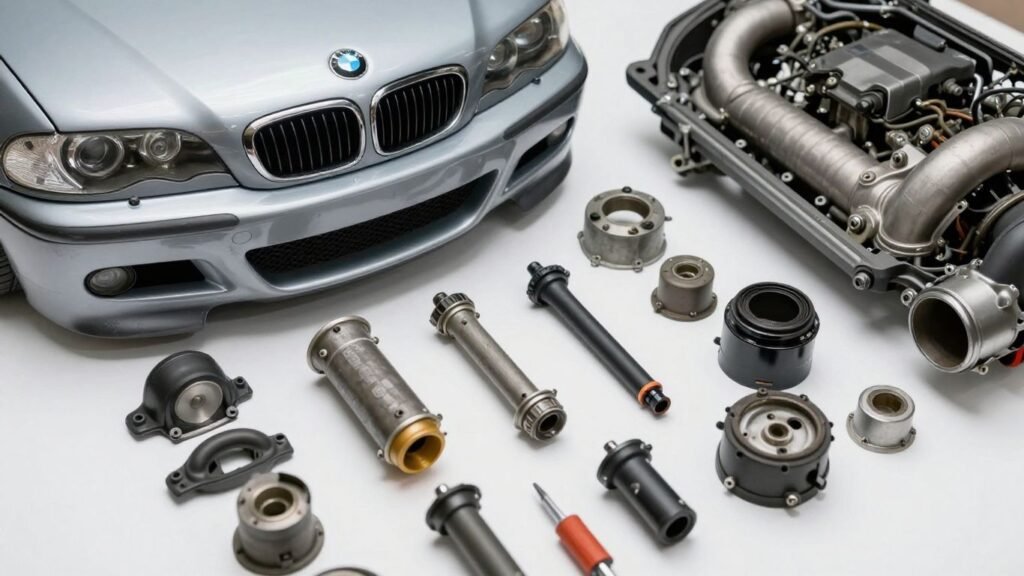
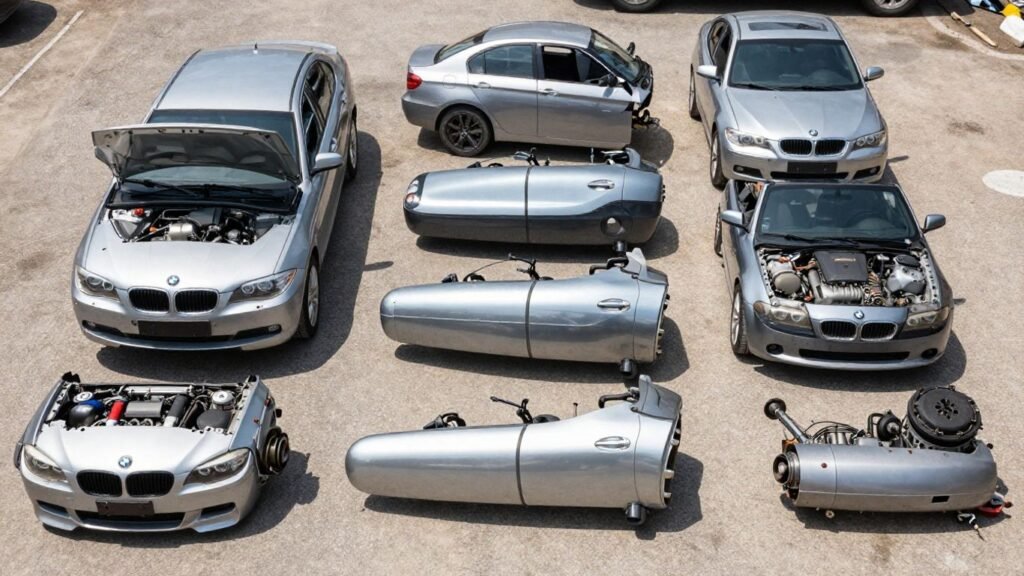
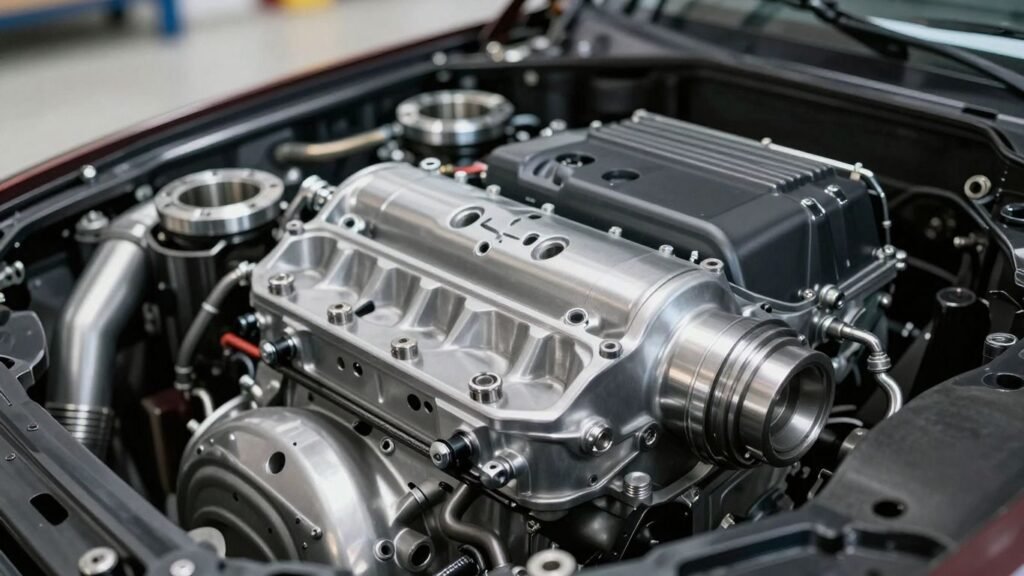
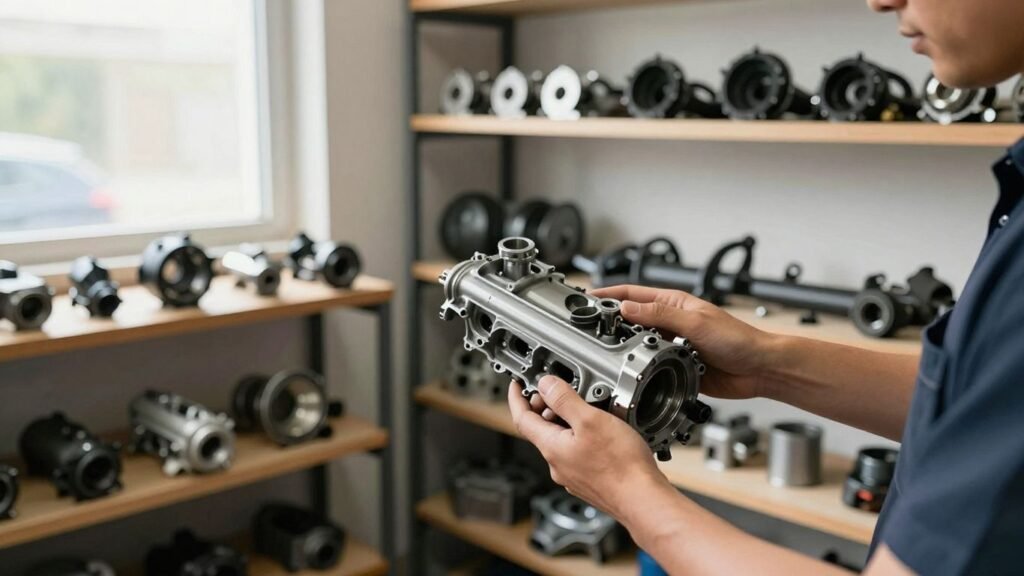
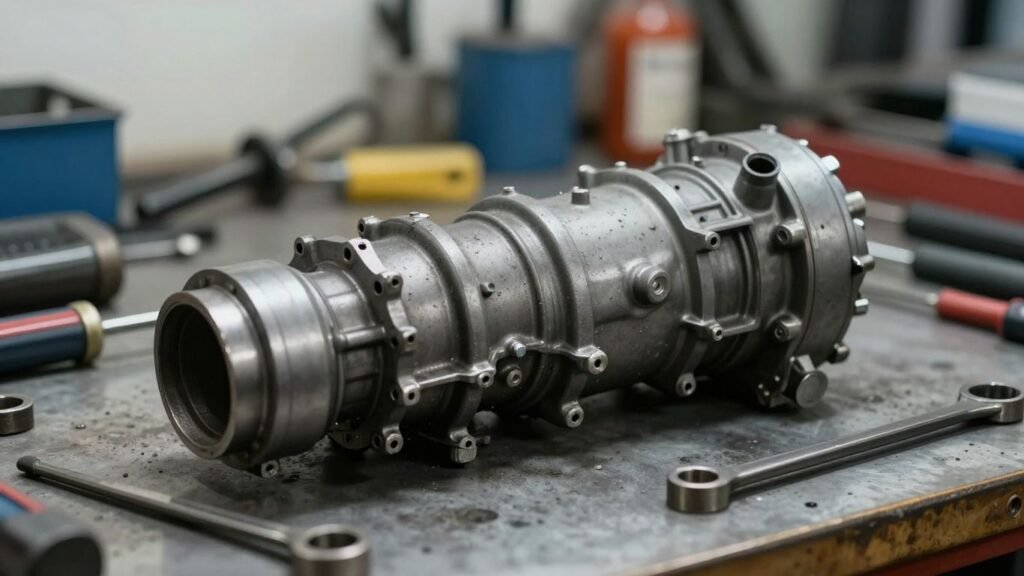
Rare BMW engine parts
Blog

Your Ultimate Guide to Sourcing Hard-to-Find BMW Parts

As a BMW owner, you know the thrill of driving a car that’s both powerful and stylish. But keeping that performance up means finding the right parts, and sometimes, that can be a real challenge. If you’re looking for those hard-to-find BMW parts, you’re in the right place. We’ll walk you through where to look and what to consider, so you can keep your Ultimate Driving Machine running its best. Key Takeaways When looking for specific BMW parts, consider both OEM options and the wide variety of aftermarket components available. Specialty suppliers, online retailers, and even local auto parts stores can be good places to start your search. For classic BMWs, authenticity is important, so look for genuine parts or high-quality reproductions. Don’t overlook the used parts market; vintage car clubs, forums, and swap meets can be goldmines. Always check part quality, compatibility with your specific BMW model, and the supplier’s warranty and return policies. Understanding the World of BMW Aftermarket Parts So, you’ve got a BMW. That means you appreciate a car that’s more than just a way to get from point A to point B. It’s about the drive, the feel, the engineering. But like any machine, parts wear out or need an upgrade. This is where aftermarket parts come into play. They’re made by companies other than BMW itself, and they can be a really smart way to keep your car running well, or even make it perform better. It’s not always about saving money, though that’s often a perk; it’s about choice and sometimes, even better performance than the original part. Defining Aftermarket Components for Your BMW Basically, when you buy a part that isn’t stamped with the BMW logo and made by BMW, it’s an aftermarket part. Think of it like this: your BMW comes with a specific set of tires from the factory. If you later buy tires from a different brand that fit your car perfectly and do the job, those are aftermarket tires. The same idea applies to everything from brake pads to suspension bits. These parts are designed to fit and function in your BMW, often with specific improvements or cost savings in mind. Benefits of Choosing Aftermarket Over OEM Why would you choose something not made by BMW? Well, sometimes aftermarket parts are just plain cheaper than the official BMW ones. That’s a big win if you’re on a budget. But it goes beyond that. The aftermarket industry is full of innovation. You might find brake pads that offer better stopping power in tough conditions, or suspension components that give you a sportier feel on twisty roads. It’s a way to customize your BMW to your specific driving style or needs, sometimes even exceeding what the original parts could do. Plus, the competition in the aftermarket means you often get great quality for your money. It’s easy to get caught up in the idea that only OEM parts are good enough. I used to think that way too. But I learned that some aftermarket companies really know their stuff and make parts that are just as good, if not better, than the originals. You just have to do a little homework to find them. Key Aftermarket Part Categories for BMW When you start looking into aftermarket options for your BMW, you’ll see a lot of different categories. For performance and reliability, you’ll want to pay attention to things like brake system components – think pads and rotors that can give you more confidence when you need to stop fast. Suspension and steering parts are another big one; upgrading these can make your BMW handle like a dream. Then there are the engine’s vital systems: ignition parts like spark plugs and coils for smooth running, and cooling system parts like radiators and water pumps to keep things from overheating. And don’t forget filters – air, oil, and fuel filters are simple but important for keeping your engine healthy and running efficiently. Essential Aftermarket Parts for BMW Performance When you own a BMW, you’re probably not just looking for a way to get from point A to point B. You want that driving experience, right? That means keeping the parts that make your car perform at its best in good shape. Sometimes, the original parts just don’t cut it anymore, or maybe you want to push your car’s limits a bit. That’s where aftermarket parts come in, especially for the bits that really matter for performance. Brake System Components for Superior Stopping Power Your brakes are kind of a big deal. You want them to work every single time, no questions asked. Aftermarket brake pads and rotors can often give you better stopping power than stock. They’re designed to handle more heat, which is important if you’re driving hard or on a track. Some pads might wear a bit faster, but the trade-off is usually worth it for that extra confidence when you need to slow down in a hurry. It’s not just about stopping distance, but also how the brakes feel – more direct and responsive. Suspension and Steering Parts for Enhanced Handling Want your BMW to feel glued to the road? The suspension and steering are key. Upgrading your shocks, struts, or control arms can make a huge difference in how your car handles corners. You’ll notice less body roll and a more connected feel to the road. It can make even a daily driver feel more sporty. Think about how your car feels when you turn the wheel – aftermarket parts can make that feel sharper and more precise, reducing any vagueness. Ignition and Cooling System Components for Reliability Keeping your engine running smoothly and at the right temperature is pretty important. Things like spark plugs and ignition coils are vital for a strong spark and efficient combustion. If yours are getting old, new aftermarket ones can help prevent misfires and keep your engine running strong. The cooling system is another area where aftermarket parts can shine. Upgraded

Restored BMW E30 M3 in a workshop
Blog

From Wreckage to Rarity: A BMW Wreckers Restoration Story

It’s pretty amazing what people can do with old machines, right? This story is about a BMW Rennsport, a bike that’s super rare and has a history tied to racing. We’re talking about a BMW wreckers restoration story that shows just how much dedication goes into bringing something back from the brink. It’s not just about fixing things; it’s about understanding the past and rebuilding a legend. Key Takeaways The BMW Rennsport, though not a consistent solo GP winner, holds immense value for a small group of dedicated enthusiasts. Master mechanic Hugo Wolters is rebuilding and even improving upon the original Rennsport design, a process that takes about 10 months per bike. Recreating the Rennsport involves significant investment in new tooling and sourcing hard-to-find parts, a challenge many German enthusiasts avoid. The Rennsport engine, a descendant of a 1935 GP engine, represents the peak of air-cooled flat-Twin development and is incredibly complex to time correctly. While the solo Rennsport had handling quirks, its virtues shone in sidecar racing, powering many world champions and shifting technical focus to chassis development. The Genesis Of A Masterpiece: Unearthing The Rennsport A Passion For The Unobtainable It’s funny how certain machines capture the imagination, isn’t it? For most of us, a classic car or motorcycle is a cool thing to see, maybe admire from afar. But for a select few, it’s an obsession. The BMW Rennsport, or RS, is one of those machines. You might look at it and think, "Okay, a vintage BMW racer." But for the folks who truly get it, it’s something else entirely. It’s a legend, a piece of history, and for some, a goal that seems almost impossible to reach. These bikes represent a specific, almost forgotten era of engineering and racing. Finding one, let alone restoring it, is a monumental task. It’s not just about finding parts; it’s about understanding the soul of the machine and the dedication it takes to bring it back to life. From Post-War Wreckage To Master Mechanic Hugo Wolters, the man behind the incredible Rennsport you see here, has a story that’s as compelling as the bike itself. He grew up in Germany right after World War II, a tough time and place. He trained as a "Feinmechanischer," which basically means a master mechanic or precision instrument maker. Think of it as a combination of engineer, mechanic, and toolmaker, all rolled into one. This kind of training was intense, focusing on the highest levels of craftsmanship and technical skill. It was during this period that Wolters developed a deep connection to motorcycle racing. This rigorous background is exactly what allowed him to eventually emigrate to the US and pursue his passion for these rare machines. The Allure Of The Overhead Cam The Rennsport engine itself is a marvel. It’s a direct descendant of BMW’s racing engines from the 1930s, specifically the one that powered Georg Meier to victory in the Isle of Man TT. It represents the peak of the air-cooled flat-twin design. The original engines had a certain setup, but over the years, private racers tweaked them, improving performance. They got more power, better compression, and all sorts of little changes that added up. It’s estimated that BMW only built around 32 to 50 of these engines in total. That tiny number alone makes them incredibly rare and valuable. But it’s not just the rarity; it’s the engineering and the history packed into that engine that truly makes it special. Recreating The Legend: Hugo Wolters’ Vision A Passion For The Unobtainable So, you’ve got this legendary BMW Rennsport, right? A bike with a racing history, sure, but maybe not a consistent winner in solo Grand Prix. Yet, there’s this small group of folks who would pay a fortune for even a tiny piece of one. Why? That’s the million-dollar question. Hugo Wolters, a master mechanic from Hagerstown, Maryland, is one of those guys. He’s not just interested in owning a Rennsport; he wants to build them, and even make them better. It’s a deep dive into a machine that represents a specific era of German engineering and a particular kind of dedication. From Post-War Wreckage To Master Mechanic Hugo’s story is as interesting as the bikes he works on. Born in Germany in 1930, he lived through the tough post-war years. He trained as a concert pianist, but with Germany in ruins, that wasn’t going to pay the bills. So, he retrained as a "Feinmechanischer," which basically means a master mechanic or precision toolmaker. This kind of training is intense, combining engineering, mechanics, and toolmaking. It’s where he got his hands on the best technology and craftsmanship of the time, and it’s also where his love for motorcycle racing really took hold. This background is key to understanding his approach to the Rennsport. The Allure Of The Overhead Cam The Rennsport engine itself is a descendant of a 1935 GP engine. It was the peak of the air-cooled flat-twin design. Originally, it had features like gear-driven single-overhead cams and a specific crankwheel design. Over the years, private racers tweaked it, shortening the stroke, increasing the compression, and swapping carburetors. This evolution pushed the power output up significantly. It’s estimated that BMW only built around 32 to 50 of these engines before production stopped, making them incredibly rare and valuable. The Challenge Of Unobtainable Parts Here’s where things get really interesting. BMW’s archives might have drawings, but actual parts for the Rennsport? They’re pretty much impossible to get. This is where Hugo’s vision comes in. He’s not just restoring; he’s building new ones. He looked at the original cylinder head, for example, and decided to make his own, right there in Maryland. While some parts, like the frame cradle and certain rims, are original BMW bits, most of the bike you see here is Hugo’s creation. He’s essentially recreating a legend from scratch. American Ingenuity Meets German Engineering Hugo believes that many in Germany, despite their passion for the Rennsport, are too

BMW spare parts collection
Blog

Finding a Reliable BMW Spare Parts Supplier: Your Ultimate Guide

Owning a BMW is pretty sweet, right? It’s a car built for performance and luxury. But like any car, it needs upkeep. Finding the right parts can feel like a treasure hunt sometimes. You want stuff that works well and doesn’t break the bank. This guide is here to help you figure out the best places to get those BMW spare parts you need, so your car keeps running like the day you got it. Key Takeaways Always go for genuine BMW parts when possible. They’re made specifically for your car, which means better performance and fewer headaches down the road. Authorized BMW dealerships are a safe bet for authentic parts, though they might cost a bit more. Online catalogs and specialized retailers can offer a wider selection and sometimes better prices, but do your homework on the seller. When looking at used parts, check them over carefully for any damage and make sure they’re compatible with your specific BMW model. Reputation matters. Look for reviews and ask around in BMW owner groups to find a reliable BMW spare parts supplier. Understanding the Importance of Genuine BMW Spare Parts So, you’ve got a BMW. That means you’ve got a car that’s built with a certain level of engineering and performance in mind. It’s not just any car, right? And because of that, when it needs a new part, whether it’s something small like a filter or a bigger deal like a brake component, you really want to make sure you’re putting the right stuff back in. Using parts that aren’t up to snuff can really mess with how your car runs, and honestly, nobody wants that. It’s like trying to fix a fancy watch with a hammer – it just doesn’t work. Ensuring Optimal Performance and Reliability Think about it: BMW designs its cars to work with specific parts. These aren’t just random pieces; they’re engineered to fit perfectly and function exactly as intended. When you use genuine BMW parts, you’re basically keeping your car’s systems working the way the engineers planned. This means your engine will run smoothly, your transmission will shift like it should, and all those little electronic bits will communicate properly. It’s all about keeping that driving experience you love intact. Using parts that aren’t made for your specific BMW model can lead to all sorts of headaches down the road, from weird noises to actual breakdowns. Sticking with genuine parts is the best way to keep your BMW performing at its peak. Maintaining Vehicle Safety Standards This one’s pretty straightforward, but super important. Your car’s safety features are there for a reason, and they rely on specific components working correctly. Take your brakes, for example. If you put in brake pads or rotors that aren’t designed for your BMW, they might not stop the car as quickly as they should. That’s a serious safety risk, not just for you but for everyone else on the road. The same goes for things like your steering components or even the tires. Genuine parts are tested to meet BMW’s safety requirements, so you know they’re going to do their job when you need them most. When you’re looking at parts, especially for safety systems, it’s really worth the extra effort to get the real deal. It’s not just about the car; it’s about making sure you and your passengers are protected. Preserving Your BMW’s Resale Value Let’s say you decide to sell your BMW down the line. What do potential buyers look for? They want a car that’s been well taken care of. And a big part of that is knowing that it’s been serviced with the right parts. If a car has a history of using genuine BMW parts, it tells a buyer that the previous owner cared about the vehicle and didn’t cut corners. This can make a real difference in how much you can get for your car. It’s an investment in your car’s future value, plain and simple. You wouldn’t buy a used designer handbag if you suspected it was a fake, right? Same idea here. Navigating Your Options for BMW Auto Parts So, you need a part for your BMW. It happens to the best of us, right? Whether it’s a squeaky brake or something more serious, figuring out where to get the right piece can feel like a puzzle. But don’t worry, it’s not as complicated as it might seem. There are a few main roads you can take when looking for BMW auto parts, and each has its own perks. This is usually the first place people think of, and for good reason. Dealerships are the official source. They stock parts made specifically for your BMW model, straight from the factory. This means you’re getting exactly what the car was built with. The downside? Well, you often pay a premium for that guarantee. It’s like buying a designer handbag versus one from a department store – you know it’s the real deal, but it costs more. Still, if you want absolute certainty and don’t mind the price tag, the dealership is a solid choice. They’ll have the part number, the right fit, and usually a warranty to back it up. This is where things get interesting and potentially more budget-friendly. BMW and many of its parts suppliers have online catalogs. Think of it as a giant, searchable book of every part imaginable for your car. You can usually punch in your car’s model and year, or even a specific part number if you know it, and see exactly what’s available. It’s super convenient because you can do it from your couch. Plus, you can often compare prices from different online sellers easily. Just make sure you’re on an official or very reputable site to avoid fakes. It’s a great way to find specific items you might not see at a local shop. Don’t forget about your neighborhood auto parts stores. Some of these places carry a decent selection of parts

BMW parts comparison: wreckers vs. new
Blog

BMW Wreckers vs. New Parts: A Cost Comparison for Your Ultimate Driving Machine

So, you’ve got a BMW, a real driver’s car. But like any car, things can break or wear out. When that happens, you’re faced with a choice: do you go for brand new parts, or is it smarter to look at used ones from BMW wreckers? It’s a question many owners ask, and figuring out the BMW wreckers vs new parts cost can be tricky. Let’s break down what makes sense for your Ultimate Driving Machine. Key Takeaways Genuine BMW parts are made to fit your car perfectly and keep it running right. Used parts from BMW wreckers can save you money upfront, but check their condition carefully. New parts might cost more initially, but they often last longer and avoid future repair headaches. Always consider where you’re buying parts from – dealerships, wreckers, or online sellers all have different pros and cons. Your final decision on BMW wreckers vs new parts cost should balance your budget with your car’s age, condition, and your need for safety and reliability. Understanding the BMW Parts Landscape The Importance of Genuine BMW Parts BMW puts a lot of effort into making sure every part of your car fits and works as it should. Original BMW parts are made to meet specific factory standards, so everything lines up perfectly. When you go with genuine components, you’re basically saying you want your BMW to keep running smoothly and not turn into a headache down the road. Replacement parts straight from the manufacturer come with peace of mind—and, honestly, that’s not something you can always say about the alternatives. This is especially true for parts that affect performance or safety, like brakes or electronics. If you want your BMW to feel new after a repair, sticking with genuine parts makes all the difference. Even though they often cost more, that expense can pay off every time you hit the road and everything just works. When to Consider Used Parts Used BMW parts usually come from salvage yards, sometimes labeled as coming from “wreckers.” They can be a real budget saver, especially if you drive an older model or you’re not desperate to keep every component original. Sometimes, the only difference between a part from a wrecker and a brand-new one is the price tag. But it’s worth thinking twice for pieces like airbags or anything critical for safety—no one wants those failing when you need them. Cosmetic parts, trim, and even certain mechanical bits can be fine secondhand, though there’s always a bit of guesswork on how much wear they’ve already been through. Aftermarket Alternatives: A Closer Look Not all aftermarket parts are made the same. Some brands do a solid job matching BMW’s standards, but others cut corners to keep costs low. The price gap between aftermarket and factory parts can be pretty large. Sometimes people go aftermarket because they offer tweaks—like sportier suspension or a louder exhaust—that weren’t available on the original car. Here’s a basic comparison so you can see the differences at a glance: Part Type Average Cost Factory Fit Warranty Genuine BMW $$$$ Perfect Yes Used (Wrecker) $-$$ Good* Limited Aftermarket $$-$$$ Varies Maybe *Depends on inspection and how much use it’s seen before you buy it. Aftermarket can be tempting for regular maintenance like filters or brake pads, but for complicated stuff? You might find yourself taking things apart twice if the fit’s not right. So, before you buy, it helps to ask yourself: Is it worth spending less now if it means fixing the same problem again next year? Cost Analysis: New vs. Wrecked BMW Parts Initial Purchase Price Comparison When you’re looking to replace a part on your BMW, the first thing most people check is the price tag. And yeah, it’s pretty obvious that used parts from a wrecker are going to be cheaper upfront. Like, way cheaper sometimes. You can find a whole engine or a set of wheels for a fraction of what a brand-new one would cost you from the dealership. It’s tempting, right? Especially if you’re on a tight budget or working on an older model where the cost of new parts might just not make sense. Here’s a rough idea of what you might expect, though prices can swing wildly depending on the part, the car’s age, and the seller: Part Type New Part (Approx. Cost) Used Part (Approx. Cost) Engine Component $500 – $5000+ $200 – $2000+ Body Panel $300 – $1500+ $100 – $500+ Suspension Part $150 – $600+ $50 – $200+ Interior Trim $50 – $300+ $20 – $100+ Long-Term Value of New Components Okay, so new parts cost more initially, but there’s a reason for that. They’re, well, new. They haven’t been used, abused, or sat in a junkyard for years. When you buy a new part, you’re getting something that’s built to BMW’s exact specifications, with no hidden wear and tear. This usually means it’s going to last longer and perform exactly as intended. Think about it: a new transmission is going to be a lot more reliable than one pulled from a car that might have had its own issues. Investing in new parts often means fewer headaches down the road and a car that feels and drives like it should. It’s about maintaining that ‘Ultimate Driving Machine’ feel, you know? Hidden Costs of Used Parts This is where things get a bit tricky with used parts. Sure, you saved a bunch of cash upfront, but what if that used part fails prematurely? You’re back to square one, possibly having to buy another used part, or maybe even a new one this time. Then there’s the labor cost to install it, which you’ll have to pay again. Sometimes, used parts aren’t a perfect fit either, requiring modifications that add time and expense. And let’s not forget the potential for unseen damage – a cracked casing, worn seals, or internal stress that you can’t see until it’s too late. It can really add up. You might

BMW wreckers yard with quality car parts in Australia
Blog

Finding Trustworthy BMW Wreckers in Australia: Your Guide to Quality Parts

Owning a BMW is a pretty sweet deal, right? That ‘Ultimate Driving Machine’ feel is hard to beat. But when a part goes out, the repair bill can make your eyes water. Instead of shelling out big bucks for new parts, have you thought about going the used route? It can save you a ton of cash. The trick, though, is finding places that sell good quality used parts. This guide is all about helping you find trustworthy BMW wreckers Australia-wide so you can get your car back on the road without emptying your wallet. Key Takeaways Look for wreckers who have knowledgeable staff that can help you find the right part. Always check if the part you need is actually available and if it will fit your specific BMW model. Reputable wreckers often provide warranties on their parts, giving you some backup. Buying used parts from wreckers is a much cheaper option than buying new. Using wreckers is good for the environment because it recycles car parts. Why Choose Reputable BMW Wreckers in Australia Ensuring Quality and Genuine Parts When you’re looking for parts for your BMW, especially if you’re trying to save some money, going with a reputable wrecker is a smart move. It’s not just about finding a cheaper alternative to brand-new parts; it’s about getting parts that are actually good and will work correctly in your car. Reputable wreckers have processes in place to check the parts they salvage. They know which parts are still in good shape and which ones have seen better days. This means you’re less likely to end up with a part that fails soon after installation, causing more headaches and costs down the line. Getting genuine BMW parts, even if they’re used, is key to maintaining your car’s performance and safety. Benefits of Buying Second-Hand BMW Parts Let’s face it, BMW parts can be pricey. Buying second-hand parts from a trusted source can make a huge difference to your wallet. Whether you’re fixing up an older model or need a replacement part for a newer one, used parts offer a cost-effective solution. You can often find exactly what you need without paying the premium price of new components. This is especially true for parts that are no longer readily available from the manufacturer. It’s a practical way to keep your BMW on the road without spending a fortune. Peace of Mind with Warranties One of the biggest advantages of dealing with established BMW wreckers is the warranty they often provide. It’s not always a given, but good wreckers understand that customers want some assurance. A warranty on a used part means the seller stands behind its quality. If the part doesn’t work as expected or fails within the warranty period, you have recourse. This protection is invaluable and offers a level of confidence that you just don’t get when buying parts from unknown sources or private sellers. It shows they’re serious about customer satisfaction and the quality of the parts they sell. Navigating the Australian Market for BMW Parts Finding Reliable Suppliers Across Australia So, you need a part for your BMW and you’re looking around Australia. It can feel like a big search, right? You want to find someone who actually knows BMWs and has the bits you need. It’s all about finding those wreckers who are known for being honest and having good quality used parts. Think about places that specialize in European cars, or even just BMWs specifically. They’re more likely to have a good stock and understand what you’re talking about when you describe the problem. Some companies have large databases that list parts from wreckers all over the country, which can really cut down your search time. It’s like having a central hub for all the available used parts. Understanding the Importance of Accreditation When you’re looking for BMW wreckers, you might see mentions of accreditation or specific standards. This isn’t just fancy jargon. Accreditation often means a business has met certain industry standards for how they operate, how they handle parts, and even how they recycle. It’s a good sign that they’re a legitimate operation. Think of it like a stamp of approval. It suggests they’re serious about what they do and probably won’t try to sell you something that’s completely useless. It’s worth looking into if a wrecker has any kind of official backing or is part of a recognized group. The Role of Online Databases Online databases have really changed how we find used car parts. Instead of calling up every wrecker in town, you can often search a big online system. These databases pull information from lots of different suppliers across Australia. You can usually search by your BMW model and the specific part you need. This makes finding what you’re looking for so much faster and easier. You can often see what’s available, sometimes even get a price, and then contact the supplier directly. It’s a pretty handy tool for anyone trying to track down a specific component for their car without spending days on the phone. When you’re buying used parts, especially for a premium car like a BMW, it’s always a good idea to ask about warranties. Even with used parts, a little bit of protection can give you a lot more confidence in your purchase. It shows the seller stands behind what they’re selling. Here’s a quick look at what you might expect regarding part availability and shipping: Feature Typical Offering Part Search Online databases, direct contact Warranty Often 3 months standard Shipping Australia-wide, various speeds Payment Secure online options, PayPal, cards Key Factors When Selecting BMW Wreckers So, you’ve decided to go the route of used parts for your BMW. Smart move, it can save you a pretty penny. But not all wreckers are created equal, right? You want to make sure you’re getting good stuff, not some junk that’s going to fall apart after a week. It’s all about finding someone you can actually trust

BMW car parts for sale
Blog

How BMW Wreckers Saved My Project: A Deep Dive into Affordable Parts

Working on a project car can be a real adventure, but sometimes the biggest hurdle isn’t the wrenching itself – it’s finding the right parts without emptying your wallet. I ran into this big time with my latest build. You know how it is: you get excited about a project, then you start looking for the specific bits you need, and suddenly the costs start piling up. It felt like I was hitting a wall, especially when trying to track down some less common pieces for my BMW. Key Takeaways Sourcing specific parts for older or less common BMW models can be difficult and expensive through traditional channels. Used auto parts, often found through wreckers, offer a much more budget-friendly alternative to new components. BMW wreckers can be a goldmine for finding rare or hard-to-get parts that are no longer in production. Using salvaged parts significantly lowers the overall cost of a project car build, allowing for reallocation of funds. With careful selection and inspection, parts from BMW wreckers can be just as reliable as new ones for project cars. Finding the Right BMW Parts The Challenge of Sourcing Rare Components So, you’ve got a project car, a classic BMW maybe, and you’re ready to get it back on the road. That’s awesome! But then comes the reality check: finding the specific parts you need. For older or more unique BMW models, this can feel like searching for a needle in a haystack. New parts from the dealership can be incredibly expensive, and sometimes, they’re just not available anymore. It’s like the universe decided that particular bolt or trim piece was only meant to exist for a short time. I remember looking for a specific headlight assembly for my E30, and the dealer quoted me a price that made my eyes water. It’s enough to make you want to give up before you even really start. Navigating the World of Used BMW Parts Okay, so new parts are out. What’s next? The used parts market. This is where things get interesting, and honestly, a bit overwhelming at first. You’ve got online marketplaces, forums, and local classifieds. Each place has its own pros and cons. You might find a gem, or you might end up with a part that’s in worse condition than the one you’re trying to replace. It takes time and a good eye to sift through the listings. You have to be careful about who you buy from and what you’re actually getting. Sometimes, you’ll see pictures that look great, but when the part arrives, it’s a different story. It’s a gamble, for sure. The sheer volume of options, both good and bad, can be paralyzing. You need to know what you’re looking for and be prepared to do some digging. How BMW Wreckers Helped My Project This is where the real game-changer came in for me: BMW wreckers, or salvage yards. Instead of just randomly searching online, I found a place that specialized in BMWs. They had a massive inventory of used parts, all pulled from vehicles that were being dismantled. It was like a treasure trove for my project car. The staff there actually knew their stuff. They could help me identify the exact part I needed, even if I only had a vague description. Plus, they could tell me if the part was in good condition and if it would fit my specific model. It cut down the search time dramatically and gave me a lot more confidence in what I was buying. The Unexpected Benefits of BMW Wreckers Beyond the Dealership: Exploring Alternatives When you’re knee-deep in a project car, especially one with the pedigree of a BMW, the instinct is often to head straight to the dealership for parts. It feels like the safest bet, right? You’ll get genuine BMW parts, guaranteed to fit. But let me tell you, that path can get expensive, fast. I found myself staring at a bill for a single sensor that made my eyes water. It got me thinking, there had to be another way. This is where the idea of looking beyond the usual suspects, like specialized BMW wreckers, started to take hold. It’s not just about saving money, though that’s a big part of it. It’s about finding parts that are often no longer available new, or at least not without a significant wait and cost. Cost-Effective Solutions for Project Cars Let’s be real, project cars are a labor of love, and they can also be a serious drain on the wallet. The dealership route for parts can quickly turn a dream project into a financial nightmare. I was looking for a specific trim piece for my E36, something that was discontinued years ago. The dealer quoted me a price that was frankly absurd, and then added a six-week waiting period. That’s when I started digging into the world of used parts. BMW wreckers are goldmines for this kind of thing. You can often find the exact part you need, sometimes even in better condition than what you currently have, for a fraction of the new price. It allows you to keep your project moving without breaking the bank. Part Type Dealership New Price BMW Wrecker Price Savings Headlight Assembly $750 $200 $550 Fender $600 $150 $450 Engine Control Unit $1200 $400 $800 The Role of BMW Wreckers in Project Completion Sometimes, a project hits a wall. You need a part that’s either incredibly rare, discontinued, or just plain too expensive to buy new. This is precisely the situation where BMW wreckers shine. They act as a vital bridge, connecting you with the components needed to get your car back on the road, or in my case, back in the garage for more tinkering. It’s not just about the big, expensive items either. Sometimes it’s the small brackets, clips, or interior pieces that are impossible to find elsewhere. These wreckers often have a vast inventory, and their knowledge of BMWs means they can often

BMW engine parts for restoration
Blog

Rebuilding Your BMW with Used Parts: A Cost-Effective Restoration Guide

Thinking about bringing an old BMW back to life but worried about the cost? You’re not alone. Restoring a classic car can seem like a huge financial undertaking, but it doesn’t have to be. By smartly using used parts, you can significantly cut down on expenses while still achieving that showroom look and feel. This guide will walk you through how to approach rebuilding your BMW with used parts, making your dream restoration a reality without breaking the bank. Key Takeaways Carefully inspect any used parts before buying. Look for damage, wear, and ensure they’re compatible with your specific BMW model. Online platforms like eBay Motors and dedicated BMW forums are great places to find a wide variety of used parts. Don’t forget local junkyards and salvage yards; sometimes you can find hidden gems for a fraction of the cost. When rebuilding, prioritize critical systems like the engine, transmission, brakes, and suspension for safety and performance. Documenting your restoration process, including all parts purchased and work done, is important for future reference and resale value. Sourcing Quality Used BMW Parts Finding the right parts for your BMW project can feel like a treasure hunt. You want good quality without paying brand-new prices. It takes a bit of digging, but it’s totally doable. The key is knowing where to look and what to check for. Online Recyclers and Marketplaces This is probably where most people start. Websites like eBay Motors and Car-Part.com are huge. You can find almost anything if you search hard enough. Just be sure to check seller reviews and part descriptions carefully. Sometimes you can get lucky and find someone selling a whole lot of parts for a specific model. It’s worth looking at Facebook Marketplace and Craigslist too, though you have to be more careful there. You might find a local gem, but always inspect parts in person if you can. When buying online, always ask for part numbers and VINs if possible. This helps confirm compatibility and can give you a clue about the car the part came from. Don’t be afraid to ask the seller questions. Local Junkyards and Salvage Yards Don’t underestimate the old-school junkyard. Sometimes, you can find exactly what you need sitting on a shelf, waiting for you. It’s a bit more hands-on; you might have to pull the part yourself. This is great for common wear items or body panels. Call ahead to see if they have BMWs in stock, and what their policies are for pulling parts. It can be dirty work, but the savings can be significant. Wholesale OEM Suppliers These guys are a bit different. They often deal with larger shops, but some will sell to the public. They might have access to new old stock (NOS) parts or surplus OEM parts. The prices can be better than a dealership, but you’re still looking at OEM quality, which is usually top-notch. It’s worth checking if there are any reputable wholesale suppliers in your area. They might not have a huge online presence, so a phone call could be your best bet. Essential Tools for Your BMW Restoration Getting your BMW back in shape means having the right gear. You don’t need a professional shop, but a few key tools will make the job much easier and help you avoid mistakes. Think of this as your basic toolkit for bringing a classic BMW back to life. Diagnostic and Inspection Tools Before you start wrenching, you need to know what’s wrong. A good OBD2 scanner is a must-have for any BMW from the mid-90s onward. It plugs into your car’s diagnostic port and can read trouble codes, giving you a starting point for repairs. Beyond that, a simple flashlight and a mechanic’s stethoscope can help you pinpoint noises or leaks. Don’t forget a good set of eyes and a methodical approach; sometimes the simplest inspection reveals the biggest problems. A thorough inspection checklist is your best friend. Go over the frame, suspension, brakes, engine, and all the electronics. Knowing the full scope of work upfront saves time and money down the road. Mechanical and Repair Tools This is where the bulk of your toolkit will come from. You’ll need a solid set of metric wrenches and sockets, from small sizes for sensors to larger ones for suspension components. A torque wrench is non-negotiable for tightening bolts to the correct specification, especially on critical parts like the engine and suspension. You’ll also want a good breaker bar for stubborn bolts, a set of screwdrivers, pliers, and wire cutters. For bodywork, panel removal tools are handy to avoid damaging trim pieces. | Tool Type | Common Uses | |——————|————————————————-|- | Socket Set (Metric)| Engine, suspension, brake work | | Wrench Set (Metric)| Various bolts and nuts | | Torque Wrench | Engine internals, suspension, wheel bearings | | Screwdriver Set | Interior trim, electrical connections | | Pliers | Gripping, cutting, bending | | Panel Removal Kit| Interior trim, exterior moldings | Specialty Tools for BMWs While many tools are universal, BMWs sometimes require specific items. For older models, you might need a special tool to remove the fuel pump or work on the cooling system. If you’re doing significant engine work, an engine hoist might be necessary, though you can often rent these. For brake jobs, a brake caliper piston tool can be helpful. Always check BMW-specific forums or repair manuals for any unique tools required for your particular model. Having the right tool for the job not only makes the work faster but also prevents damage to delicate components. Engine and Drivetrain Rebuilding This is where things can get really involved, but also really rewarding. Getting the heart of your BMW beating strong again is a major step. We’re talking about the engine and everything that makes the wheels turn – the transmission, driveshaft, differential, and axles. Engine Block and Cylinder Head Considerations When you’re looking at the engine itself, the block and the head are the big players.

BMW car and salvaged car parts
Blog

From BMW Wreckers to Riches: A Success Story of Automotive Recycling

It’s amazing what can happen when a company decides to really focus on waste. We’re looking at the BMW wreckers success story, which shows how a big operation can shift its thinking. They went from just dealing with old car parts to becoming a leader in recycling. This wasn’t an overnight thing, but a steady effort to reduce what goes to the trash. It’s a great example for any business wanting to be greener and save money at the same time. Key Takeaways BMW’s journey to zero landfill started with workshops and inspiration from other companies, leading to a program focused on reducing waste per vehicle. Innovative recycling methods, like turning paint shop rags into insulation, significantly cut costs and waste, saving BMW around $60,000 annually. A dedicated ‘Green Team’ and a step-by-step audit process are vital for achieving and maintaining zero landfill status across different facility areas. On-site composting of cafe waste and using it for landscaping reduces weekly landfill contributions and positively impacts the local community. The BMW wreckers success story highlights that a strong company champion and a phased approach are key to tackling large environmental goals like zero landfill. The Genesis Of A BMW Wreckers Success Story From Landfill Aspirations to Zero Waste Goals It might sound a bit odd, but the whole journey towards becoming a zero-landfill operation for BMW really kicked off around late 2009 and early 2010. Before that, the idea of aiming for zero waste wasn’t really on the table. It was more about managing what was already there. But then, some folks from BMW went to workshops about zero landfill, hosted by a group called the Green Manufacturer Network. They heard about other companies doing cool things to cut down on trash, and it got them thinking. This sparked the idea that maybe, just maybe, they could do it too. It wasn’t about aiming for perfection right away, but about starting to chip away at the waste problem, with the big goal of eventually sending nothing to the landfill. The Spark of Inspiration: Learning from Industry Leaders Those zero landfill workshops were a real eye-opener. Hearing success stories from other manufacturers really lit a fire. It showed that what seemed like an impossible goal was actually achievable. People presented their methods, their wins, and even their struggles. This wasn’t just theoretical stuff; it was real-world examples of companies making a difference. It made BMW think, "Hey, if they can do it, why can’t we?" It was that shared experience and the visible results of others that provided the push and the blueprint to start their own program. Laying the Foundation: Early Recycling Initiatives So, after getting inspired, BMW didn’t just jump straight into the deep end. They started small, building on what was already happening. Recycling paper, glass, and aluminum was pretty standard practice, but they knew they needed to do more. The real push to reduce landfill waste began in May 2010. This wasn’t just about throwing things in different bins; it involved getting everyone involved. They started looking at how much waste was produced per car, which was around 20 pounds back in 2009. They also began working with their suppliers, trying to find ways to reduce packaging materials or reuse what they got. It was about setting up the basic systems and getting people thinking about waste in a new way, even if the big zero-landfill goal was still a ways off. Implementing Innovative Recycling Strategies The Power of ‘Dumpster Diving’ and Employee Education So, how do you get everyone on board with recycling? One pretty direct way is what they call ‘dumpster diving.’ It sounds a bit messy, but it’s actually a smart way to show people exactly what’s being thrown away. By digging through the trash (with gloves, of course!), employees can see firsthand how much good stuff is being tossed out that could have been reused or recycled. This hands-on approach really drives home the point about waste. It’s not just about telling people to recycle; it’s about showing them why it matters and what they’re actually throwing away. Plus, asking employees for their ideas on how to cut down on waste and improve recycling is a big deal. When people feel heard and see their suggestions put into action, they get more invested in the whole process. It turns a chore into a shared goal. Supplier Collaboration for Material Reduction It’s not just about what happens inside the plant; it’s also about working with the folks who supply the parts and materials. Think about packaging. Instead of just accepting whatever comes in, companies are working with their suppliers to reduce the amount of packaging used in the first place. Sometimes, this means redesigning the packaging to be smaller or lighter. Other times, it involves setting up systems to reuse packaging materials. For example, some companies have managed to reuse sturdy shipping containers or foam inserts multiple times, sending them back and forth between suppliers and the plant. This not only cuts down on waste but also saves a good chunk of money. It’s a partnership approach where both sides benefit from being more mindful about materials. Transforming Paint Shop Rags into Insulation Here’s a really neat example of creative recycling. In the paint shops, there are a lot of rags used to clean up excess paint or sealants. Normally, these oily, chemical-soaked rags would just be trash. But instead of tossing them, they’re sent off to a special facility. There, these rags are shredded up and turned into a material that’s used for insulation inside vehicles. It’s a clever way to give waste a second life and avoid sending it to the landfill. This kind of thinking transforms what was once considered garbage into a useful component, saving the company a pretty penny in the process – we’re talking tens of thousands of dollars saved annually just from this one practice. The key is to look at everything that leaves the production line

BMW car emblem with auto parts
Blog

Unlock Savings: Top Tips for Buying BMW Parts Online

So, you’re looking to buy parts for your BMW online and want to make sure you’re getting a good deal without getting ripped off? It can feel a bit like a minefield out there, with so many options and things to consider. We’ve put together some straightforward advice, covering the top tips for buying BMW parts online, to help you find exactly what you need and keep your car running right. Key Takeaways Always check out the seller first. See what other people say about them online. A seller with good reviews is usually a safe bet. When possible, look for genuine OEM parts. They’re made to fit your BMW perfectly and work the way they should. Compare prices! Online stores and places that sell used parts are often much cheaper than dealerships. Before you buy, especially if it’s a used part, ask for clear pictures and check it over carefully for any damage or wear. Don’t forget to ask about warranties. A seller who stands behind their parts with a guarantee makes the purchase much less risky. Research Reputable Sellers When you’re hunting for BMW parts online, especially if you’re trying to save some cash, finding a seller you can actually trust is pretty important. It’s not just about the price tag; it’s about getting a part that works and won’t cause more problems down the road. Think about it like this: you wouldn’t buy a used car from just anyone, right? The same goes for car parts. Look for sellers who have a solid history and good feedback from other buyers. Websites often have review sections, and taking a few minutes to read what people are saying can tell you a lot. Are they honest about the condition of the parts? Do they ship quickly? Do they handle returns without a fuss? These details matter. Some sellers specialize in BMWs, which can be a big plus because they often know the ins and outs of these cars better than a general auto parts store. They might even be able to offer advice based on common issues for your specific model. Finding a reliable source for your BMW parts online means you’re more likely to get a component that fits correctly and performs as expected. It cuts down on the frustration of ordering the wrong thing or receiving a part that’s already on its last legs. A good seller is one that makes the process straightforward and offers support if you need it. It can be helpful to compare a few different sellers. You might find that one has a wider selection, while another offers better shipping rates or has more positive reviews. Don’t be afraid to reach out to their customer service with questions before you buy. How they respond can be a good indicator of the kind of service you can expect if something goes wrong. Guaranteed Genuine OEM Quality When you’re looking for BMW parts online, sticking with genuine Original Equipment Manufacturer (OEM) quality is a big deal. Think about it – these are the exact same parts that went into your car when it was brand new. They’re made to BMW’s specific standards, so you know they’ll fit right and work the way they’re supposed to. Using anything less can sometimes lead to problems down the road, like parts not fitting correctly or not lasting as long as they should. It’s really about keeping your BMW running like a BMW. The integrity of your vehicle relies on parts that meet exact engineering specifications. Non-OEM components might seem like a good idea at first, but they can sometimes cause performance issues or even safety concerns later on. Choosing genuine OEM parts means you’re not compromising on the quality that makes a BMW a BMW. It’s about maintaining that perfect fit, peak performance, and all the safety features the car was designed with. You want to be sure that whatever you put into your car will uphold its reputation for reliability and performance. It just makes sense to go with what the manufacturer intended. A Comprehensive Inventory When you’re hunting for BMW parts online, you want a place that has, well, everything. It’s a real pain when you find a seller who only stocks the basics. You need a supplier with a massive catalog that covers all the bases, from common wear-and-tear items to those hard-to-find specialty components. Think about it: the more parts they have readily available, the less time your BMW spends sitting in the shop waiting for a specific piece to arrive. This means quicker repairs and happier customers, or just getting your own ride back on the road faster. Good online stores will list parts for pretty much every BMW model and year. They should have sections for engine bits, transmission stuff, brakes, suspension, electrical components, and even body panels and interior trim. It’s not just about having a lot of parts; it’s about having the right parts for your specific car. Finding a seller with a deep stock means you’re more likely to get what you need without having to jump between multiple websites. This saves you time and hassle, making the whole repair or maintenance process much smoother. It’s all about convenience and getting the job done right the first time. Savings Compared to Dealership Pricing When it comes to keeping your BMW running right, the cost of parts can add up fast. Walking into a dealership for a replacement component often means paying top dollar. They have overhead, you know? All those fancy showrooms and service bays cost money, and that gets passed on to you. This is where buying parts online, especially from places that specialize in used or recycled BMW parts, can make a huge difference for your wallet. You can often find the exact same part you need, in good working condition, for a fraction of what the dealership charges. Think about a common part like a headlight assembly or a brake caliper. At the dealer,

Essential BMW spare parts laid out neatly.
Blog

Unearthing Hidden Gems: Essential BMW Spare Parts You Might Be Missing

Finding the right parts for your classic BMW, especially something as unique as an Isetta, can feel like a treasure hunt. You might think you have everything you need, but often, there are small, overlooked pieces that make a big difference. We’re talking about those hidden gems in BMW spare parts that can really bring your project car back to life. It’s not always about the big, obvious components; sometimes, it’s the little things that are the hardest to find and the most satisfying to track down. Key Takeaways When restoring a BMW Isetta, pay attention to reinforcing the rear body panels, as this area can be a weak spot. Don’t overlook mechanical parts like motor mount brackets, Dynastart components, and voltage regulators, which can be hard to find. Interior elements such as original sound insulation and parcel shelf panels contribute to authenticity and can be rare finds. Exterior details like specific BMW roundels and correct bumpers are important for a faithful restoration. The value of pre-owned parts and thorough inspection of donor cars is high when searching for hidden gems in BMW spare parts. Essential BMW Isetta Body Components When you’re looking to get your BMW Isetta back in shape, the body is a big part of the puzzle. It’s not just about making it look good; it’s about making sure it’s solid and holds together right. Some areas can be a bit tricky, and you might not even realize they need attention until you’re deep into a restoration. Reinforcing Rear Body Panels The very back of the Isetta, especially around the taillights and where the rear bumper attaches, can be a weak spot. This part of the body shell isn’t directly bolted to the chassis, so it can flex and get stressed over time. Adding a bit of extra metal in key areas here can make a world of difference in its structural integrity. It’s a detail that’s easy to overlook, but it’s important for keeping the whole car from falling apart. Filling Unnecessary Holes Over the years, owners might have added things like dealer-installed mud flaps or luggage racks. When you remove these, you’re often left with holes that you don’t need anymore. You’ll want to fill these up to keep the body looking clean and original. Sometimes, you might even find holes you didn’t expect, and you might need to get a specific part just to cover them up properly. Preserving Original Welds Looking at the body panels, you’ll see where they’re joined together. Some people like to grind down the factory welds to make the body super smooth. But if you’re going for an authentic look, it’s better to keep those original welds. They show the car’s history and how it was put together. It takes a bit more care, but preserving them helps maintain that classic Isetta feel. Uncommon BMW Isetta Mechanical Parts When you’re deep into restoring a BMW Isetta, you’ll quickly find that some mechanical bits are harder to track down than others. It’s not just about finding a working engine; it’s about the smaller, often overlooked components that keep everything running smoothly. These are the parts that can really test your patience and your network of fellow enthusiasts. Sourcing Motor Mount Brackets The engine mounts on an Isetta are pretty simple, but finding original or even good reproduction brackets can be a challenge. These brackets connect the engine to the chassis, and over time, they can crack or corrode. If yours are damaged, you’ll need to be resourceful. Sometimes, you can find them attached to a donor engine, but often they’re already removed or damaged. Keep an eye on online forums and classifieds where Isetta owners often sell off parts from their projects. You might get lucky and find a set that just needs a clean-up and a fresh coat of paint. Locating Dynastart Components The Dynastart system is a neat piece of engineering, combining the starter motor and generator into one unit. This means there are specific components related to it that aren’t common on other cars. Things like the starter drive gear or the field coils can be difficult to find if they’re worn out or broken. The wiring connections for the Dynastart also need to be just right, and if you’re missing the correct connectors or terminals, it adds another layer of complexity. Getting the Dynastart working is key to actually starting your Isetta without needing a push. Finding Voltage Regulators Every car with a charging system needs a voltage regulator, and the Isetta is no different. While the concept is simple, finding an original or a suitable replacement for the specific Isetta unit can be tricky. These little boxes control the output of the generator to prevent overcharging the battery. If yours is faulty, you might experience battery issues or even damage to your electrical system. Sometimes, a generic regulator from a similar era might be adapted, but it requires careful research to ensure compatibility and correct voltage output. Don’t underestimate the importance of this small part; it’s vital for the car’s electrical health. Sometimes, the best way to find these uncommon parts is to connect with other Isetta owners. They might have spares lying around from past projects or know of a specialist who can help. Don’t be afraid to ask around in online communities or at car shows. You never know where a hidden gem might turn up. Rare BMW Isetta Interior Elements Finding Original Sound Insulation When you’re hunting for those hard-to-find Isetta parts, don’t overlook the bits that make the ride quieter. The original sound insulation, often found under the floorboards and behind the dashboard, can degrade over time or be removed during past repairs. Replacing this material is key to restoring that classic Isetta driving experience and reducing road noise. It might seem minor, but it makes a big difference. Sourcing Parcel Shelf Panels The parcel shelf, usually located behind the seats, is another piece that often goes missing. It’s a

Scroll to Top