
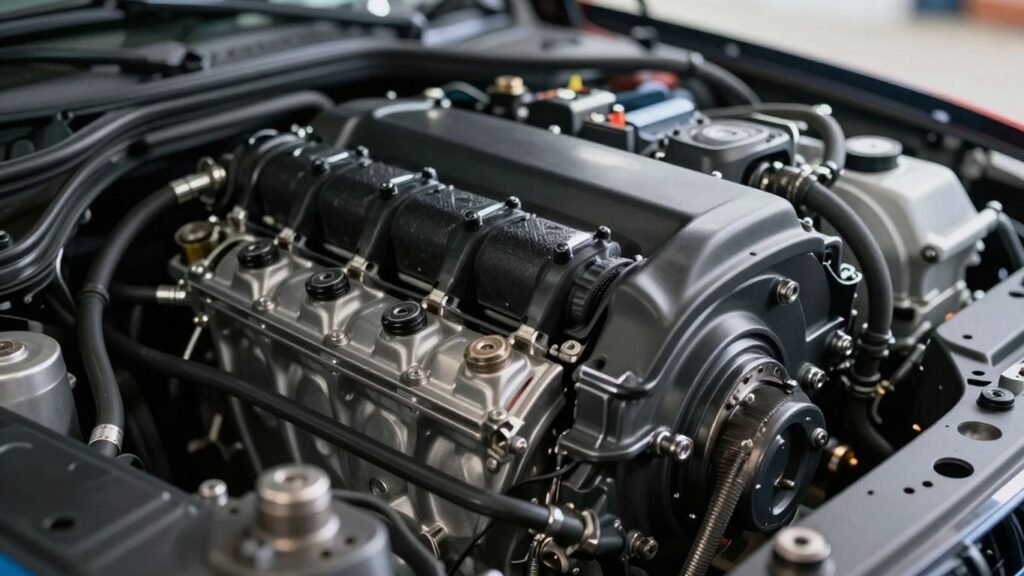
Looking for a used BMW diesel engine in Melbourne? You’ve come to the right place. Finding a good quality used engine can save you a lot of money compared to buying new, and BMW diesels are known for being pretty tough. This guide will walk you through where to look, what to check, and how to make sure you get a solid engine for your car. We’ll cover everything from understanding the specs to avoiding common pitfalls, so you can drive away with confidence.
Key Takeaways
- Melbourne has several specialist suppliers and online platforms where you can find used BMW diesel engines for sale.
- Always check engine specifications, compatibility, mileage, and overall condition before buying.
- Inspect the engine thoroughly, looking at its service history and any signs of wear or damage.
- Understand the warranty and return policies offered by the seller.
- When buying, negotiate the price, arrange transport, and make sure all legal paperwork is in order.
Finding Used BMW Diesel Engines in Melbourne
Why Choose a Used BMW Diesel Engine?
So, you’re looking for a BMW diesel engine in Melbourne, huh? Smart move. These engines are known for their durability and fuel efficiency, making them a solid choice if you’re looking to replace a worn-out unit or maybe even do a swap. Buying used can save you a pretty penny compared to a brand-new engine, and with a bit of careful searching, you can find a gem that still has plenty of life left in it. It’s all about finding that sweet spot between cost and reliability.
Benefits of Diesel Power
Diesel engines, especially those from BMW, have a reputation for being workhorses. They tend to offer more torque than their petrol counterparts, which is great for pulling power and generally makes them feel more responsive, particularly at lower speeds. Plus, they’re often more fuel-efficient. This means fewer stops at the petrol station and, over time, some decent savings on running costs. For many drivers, the blend of performance and economy is a big win.
Popular BMW Diesel Models in Melbourne
When you’re hunting for a used BMW diesel engine in Melbourne, you’ll likely come across engines from a few popular series. The 3 Series, like the 320d and 330d, are common finds. You’ll also see plenty of X3 and X5 models, particularly the xDrive20d and xDrive30d variants, which are popular SUVs. Even some of the 1 Series and 5 Series models feature these diesel powerplants. Knowing which models are common can help you narrow down your search.
Here’s a quick look at some models you might find:
| Model Series | Common Diesel Engine Variants |
|---|---|
| 3 Series | 320d, 330d |
| X3 | xDrive20d |
| X5 | xDrive30d |
| 1 Series | 118d, 120d |
| 5 Series | 520d, 530d |
Keep in mind that engine codes can vary even within the same model year, so always double-check compatibility with your specific vehicle. It’s not just about the model, but the exact engine code and its specifications.
Where to Source Used BMW Diesel Engines
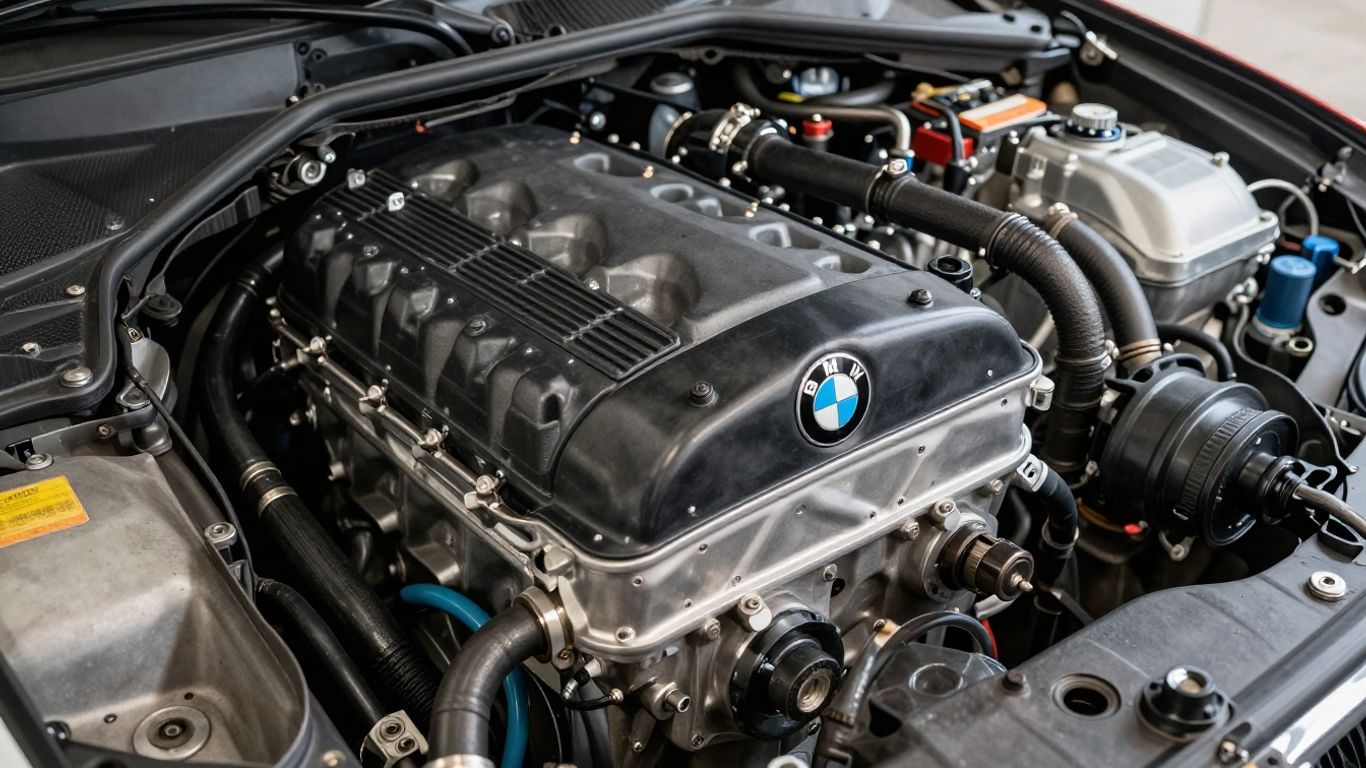
So, you’ve decided a used BMW diesel engine is the way to go for your project or replacement. That’s a smart move, especially if you’re in Melbourne. Now, where do you actually find one? It’s not like they’re on every street corner. You’ve got a few main avenues to explore, and each has its own pros and cons.
Specialist Melbourne BMW Parts Suppliers
These guys are your go-to for anything BMW. They often have a good stock of used engines, sometimes pulled from cars that have been written off or are being dismantled for parts. Because they specialize, they usually know their stuff and can help you figure out exactly what you need. They might also have a better handle on the engine’s history. It’s worth calling around to a few of the bigger, well-established BMW specialists in the Melbourne area. They might not always have the exact engine you’re after immediately, but they can often source it for you.
Online Marketplaces for Used Engines
This is where things get interesting. Websites like Gumtree, eBay, and dedicated auto parts marketplaces are full of listings. You’ll find everything from individual sellers offloading an engine from a project car to larger wreckers advertising their stock. The biggest advantage here is the sheer volume of options. You can often find a wider range of models and years, and sometimes at a better price. However, you really need to be careful. It’s a bit of a wild west out there, so doing your homework on the seller and the engine is super important. Always ask for as much detail as possible.
Independent Mechanics and Workshops
Don’t underestimate the power of a good independent mechanic, especially one who works on European cars or specifically BMWs. They often have connections with parts suppliers and wreckers. Sometimes, they might even have an engine sitting in their workshop that they’ve removed from another job or taken in trade. They can also be a great resource for advice on what to look for and can even help you inspect an engine before you buy it. If you find a mechanic you trust, they can be a real asset in your search.
Finding a used engine can feel like a treasure hunt. It’s all about knowing where to look and being persistent. Don’t be afraid to ask questions and get a second opinion if you’re unsure about anything. A little bit of effort upfront can save you a lot of headaches down the road.
Here’s a quick look at some common BMW diesel models you might find, and what to expect:
| Model | Common Engine Size | Typical Years | Notes |
|---|---|---|---|
| BMW X5 (E70/F15) | 3.0L (xDrive30d) | 2007-2018 | Popular SUV, good for towing |
| BMW X3 (E83/F25) | 2.0L (xDrive20d) | 2004-2017 | Compact SUV, fuel efficient |
| BMW 3 Series (E90/F30) | 2.0L (320d) | 2005-2019 | Sedan/Wagon, great all-rounder |
| BMW 5 Series (E60/F10) | 3.0L (530d/535d) | 2003-2017 | Executive sedan, comfortable and powerful |
Remember, compatibility is key, so always double-check the engine codes and specifications against your vehicle’s requirements.
Key Considerations When Buying
Engine Specifications and Compatibility
Before you even start looking, you need to know exactly what you’re after. BMW has used a lot of different diesel engines over the years, and they don’t all just swap in. You’ve got to match the engine code, the transmission type, and even the electronic systems. Trying to fit the wrong engine can turn into a massive headache, costing you way more time and money than you planned. Always double-check that the engine you’re looking at is compatible with your specific BMW model and year. It’s not just about the engine block; think about the wiring harnesses, the ECU, and any sensors. They all need to play nice together.
Mileage and Condition Assessment
When you’re looking at a used engine, the odometer reading on the car it came from is a starting point, but it’s not the whole story. A low-mileage engine that was poorly maintained can be worse than one with higher miles that had regular oil changes and care. Look for signs of leaks, rust, or damage. If you can, ask to see the engine running. Listen for strange noises – knocking, ticking, or grinding sounds are bad news. A visual inspection is important, but if you can get a mechanic to look it over, even better.
Don’t just trust the seller’s word on how good the engine is. Do your own digging. Ask for proof of maintenance if possible. Sometimes, a higher mileage engine with a solid service history is a safer bet than a low-mileage one with no records.
Warranty and Return Policies
This is a big one. Buying a used engine is always a bit of a gamble. What happens if you get it home, install it, and it’s got a problem? A good seller will offer some kind of warranty, even if it’s just for a short period, like 30 or 90 days. This covers you against major defects that were present when you bought it. Also, understand their return policy. Can you return it if it doesn’t fit, or only if it’s faulty? Make sure you get all of this in writing before you hand over any cash. It could save you a lot of grief down the track.
Inspecting Your Potential Engine Purchase
So, you’ve found a used BMW diesel engine that looks promising. That’s great! But before you hand over your cash, a thorough inspection is a must. Don’t skip this step; it could save you a lot of headaches down the road.
Visual Inspection Checklist
When you’re looking at the engine, give it a good once-over. Check for any obvious signs of damage, like cracks in the block or head. Look for leaks – oil, coolant, or fuel – around seals, gaskets, and hoses. Are the belts and hoses in decent shape, or do they look cracked and worn out? Check the condition of the wiring harness; frayed or damaged wires are a red flag. Also, take a peek at the turbocharger if it’s still attached. Spin the impeller by hand if you can; it should spin freely without any grinding or excessive play. Look for any signs of corrosion, especially around electrical connectors.
Understanding Service History Records
This is where you get a feel for how the engine has been treated. Ask for maintenance records. A well-documented service history, showing regular oil changes and filter replacements, is a good sign. Pay attention to the type of oil used; BMWs can be a bit particular. If the records are spotty or non-existent, that’s a bit of a gamble. You want to see evidence that the previous owner cared for the engine.
Signs of Wear and Tear
Beyond the visual check, listen for any unusual noises if the engine can be briefly run. Knocking, ticking, or excessive smoke from the exhaust (especially blue or black smoke) are bad signs. Check the oil dipstick; the oil should be clean, not milky (which could indicate coolant contamination) or sludgy. Look at the coolant reservoir; it should be clean, not oily. If there’s a lot of carbon buildup around the exhaust manifold or turbo, it might suggest the engine has been run hard or not maintained properly.
Buying a used engine is always a bit of a risk, but doing your homework can really lower that risk. Think of it like buying a used car – you wouldn’t buy one without looking it over, right? The same applies here. A little extra time spent inspecting can prevent a costly mistake.
| Component | What to Look For |
|---|---|
| Engine Block | Cracks, significant corrosion, oil/coolant leaks |
| Cylinder Head | Warping, cracks, gasket leaks |
| Turbocharger | Impeller play, oil leaks, excessive carbon buildup |
| Hoses & Belts | Cracks, fraying, signs of wear |
| Wiring Harness | Frayed wires, damaged connectors, corrosion |
| Oil | Milky, sludgy, or excessively dark appearance |
| Coolant | Oily residue, rust particles |
| Exhaust Manifold | Cracks, heavy carbon buildup |
The Purchasing Process in Melbourne
So, you’ve found the perfect used BMW diesel engine for your project right here in Melbourne. Awesome! Now comes the part where you actually make it yours. It’s not just about handing over cash; there are a few steps to get through to make sure everything goes smoothly.
Negotiating the Price
This is where you can potentially save a bit of money. Don’t be afraid to talk to the seller about the price. If you’ve done your homework and know what similar engines are going for, you’ll have a good starting point. Look for any minor issues you spotted during your inspection – maybe a scuff mark or a slightly worn hose – and use that as a reason to ask for a small discount. Always aim for a price that feels fair to both you and the seller. It’s better to meet somewhere in the middle than to walk away because of a few hundred dollars.
Arranging Transportation
Once you’ve agreed on a price, you’ll need to figure out how to get that engine from its current location to your garage. If you bought it from a dealer or a workshop nearby, they might offer delivery services, sometimes for an extra fee. If you’re picking it up yourself, make sure you have the right vehicle. We’re talking about a heavy piece of machinery here, so a trailer with a winch or a suitable truck is probably what you’ll need. Don’t underestimate the weight – it’s easy to get this wrong and end up in a bind.
Ensuring Legal Compliance
When you buy a used engine, especially if it’s from a private seller or a smaller workshop, you need to be clear about what you’re getting. Make sure you get a receipt or invoice that clearly states the engine’s details, including its serial number, the price paid, and the date of sale. This is your proof of purchase. If the engine is coming with any kind of warranty, get all those details in writing too. It’s also a good idea to check if the engine has any outstanding issues or if it’s been reported stolen, though this is less common when buying from reputable sources. A clear title means you own it fair and square.
Buying a used engine can feel a bit like a treasure hunt. You’re looking for that hidden gem that will bring your car back to life without breaking the bank. Taking your time with the purchase process, from haggling to getting it home, is just as important as the engine inspection itself. A little bit of planning goes a long way.
Maintaining Your Used BMW Diesel Engine
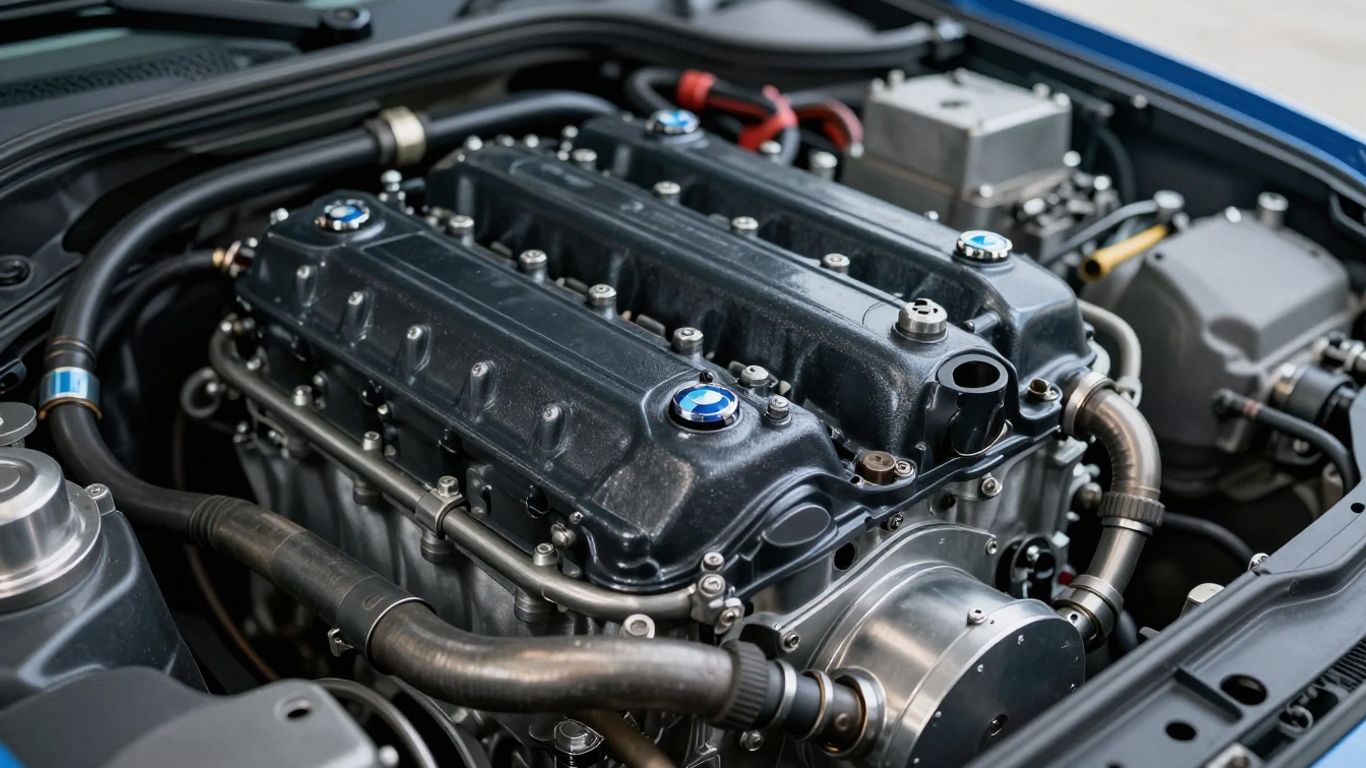
So you’ve found a good used BMW diesel engine and got it installed. That’s great! But now the real work begins, right? Keeping it running smoothly is key, especially with these German powerhouses. It’s not just about putting fuel in and hoping for the best.
Essential Maintenance Schedule
Sticking to a regular maintenance plan is probably the most important thing you can do. It helps catch small problems before they become big, expensive headaches. For a used diesel, you’ll want to pay extra attention to a few things. Oil changes are obvious, but how often? For most BMW diesels, every 10,000 to 15,000 kilometers is a good ballpark, but check your specific model’s recommendations. Fuel filters need attention too; they can get clogged up, especially if you’re not always sure about the fuel quality. A good rule of thumb is to replace them every 30,000 to 50,000 kilometers. Air filters are also pretty standard – swap them out when they look dirty, usually around the same time as your oil change or a bit longer. Don’t forget the coolant and brake fluid; these need flushing and replacing periodically too.
| Component | Recommended Interval (Kilometers) | Notes |
|---|---|---|
| Engine Oil | 10,000 – 15,000 | Use BMW-approved synthetic oil |
| Oil Filter | Every Oil Change | |
| Fuel Filter | 30,000 – 50,000 | Crucial for diesel engine health |
| Air Filter | 20,000 – 40,000 | Inspect regularly, replace when dirty |
| Coolant | 40,000 – 60,000 | Flush and replace |
| Brake Fluid | 2 years | Replace to maintain braking performance |
| Transmission Fluid | 60,000 – 100,000 | Automatic transmissions vary, check manual |
Choosing the Right Fluids and Filters
Using the correct fluids and filters isn’t just a suggestion; it’s pretty much a requirement for keeping your BMW diesel happy. BMW has specific requirements for their oils, especially for diesel engines. They often need oils with certain certifications like LL-04. Using the wrong oil can lead to poor lubrication, increased wear, and even damage to the emissions system. Same goes for fuel filters. A cheap, generic filter might fit, but it might not catch all the tiny particles that can eventually clog your injectors. Always try to get filters and fluids that meet or exceed BMW’s specifications. It might cost a little more upfront, but it’s way cheaper than fixing a blown engine down the line.
When you’re looking at fluids, think about the environment your car operates in. If you do a lot of short trips or drive in dusty conditions, you might need to service things a bit more often than the standard schedule suggests. It’s better to be a bit too careful than not careful enough.
Common Diesel Engine Issues and Solutions
Diesel engines, while generally robust, do have their quirks. One common issue is glow plug failure. If your engine is hard to start, especially when it’s cold, this could be the culprit. Replacing glow plugs is usually a straightforward job for a mechanic. Another thing to watch out for is injector problems. Clogged or faulty injectors can cause rough running, poor fuel economy, and reduced power. Regular fuel filter changes help prevent this. You might also encounter issues with the Diesel Particulate Filter (DPF), especially if the car isn’t driven regularly on longer runs, which is needed to help it regenerate. If the DPF gets too blocked, it can cause serious performance problems and expensive repairs. Making sure the engine gets a good run now and then can help keep it clear. And of course, keep an eye on any leaks – oil, coolant, or fuel – they’re usually a sign something needs attention.
Wrapping It Up
So, if you’re in Melbourne and on the hunt for a used BMW diesel engine, you’ve got options. We’ve looked at a few places and types of cars where you might find one. Remember to check the car’s history, get it looked at by a mechanic you trust, and don’t be afraid to ask questions. Finding the right engine can take a bit of time, but it’s totally doable. Happy hunting for that perfect BMW!