
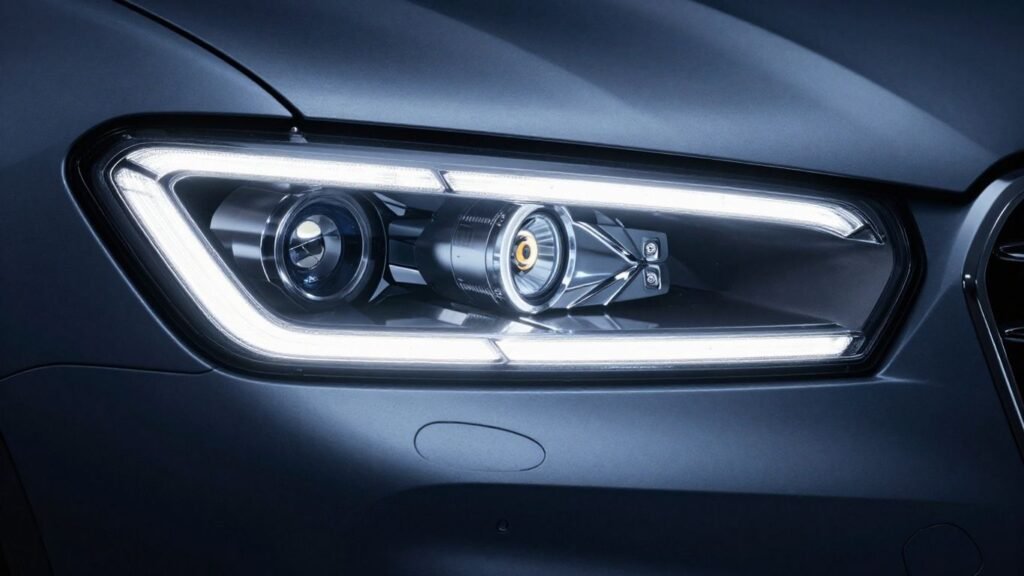
Key Takeaways
Acquiring replacement lighting components requires careful research into specific engineering standards and compatibility requirements unique to each vehicle. Following these steps helps maintain both functionality and aesthetic value.
- Understanding the difference between Halogen, Xenon, and LED systems is necessary for correct part identification.
- Always source components from reputable salvage yards or specialized independent vendors to ensure authenticity.
- Conduct a physical inspection of mounting tabs and seals to avoid potential performance issues after installation.
- Factor in the potential for electronic programming or coding requirements when budgeting for the replacement part.
- Protect your investment by verifying warranty terms and documenting the condition of components immediately upon delivery.
Understanding BMW lighting systems
BMW lighting technology has evolved significantly over the decades, transitioning from simple incandescent bulbs to complex adaptive electronic assemblies. Determining which system your vehicle utilizes is the first step toward a successful replacement process. Recognizing these variations ensures you stay within the engineering parameters required to avoid error messages or system failures.
Halogen vs. Xenon vs. LED differences
The most basic level of automotive lighting uses Halogen bulbs, which are cost-effective but generate significant heat. Xenon or HID technology produces a crisper, high-intensity discharge light profile but relies on fragile gas-filled bulbs and separate ballasts for ignition. Modern LED units offer the highest energy efficiency and provide sophisticated adaptive patterns. Identifying the specific output type on your vehicle is mandatory for electrical compatibility with existing wiring harnesses, as these systems operate under different voltage and control logic standards.
Identifying your specific part number
Every lighting assembly is tied to specific vehicle identification numbers to ensure the trim and feature set match your car. You should use the last seven digits of your VIN to cross-reference the parts catalog before committing to a purchase. Relying on visual resemblance alone can lead to missing adaptive cornering functionality or mismatching plug configurations that prevent proper installation.
Compatibility across BMW models and model years
Even between similar model years, minor internal changes often prevent direct swaps between different body styles or trim levels. A component from a sedan may occupy the same physical space as a unit from a coupe, yet the internal module programming rarely overlaps. Always consult a comprehensive parts lookup database to verify whether a donor vehicle shares the exact engineering revision as your current assembly.
Where to source premium second hand BMW headlights
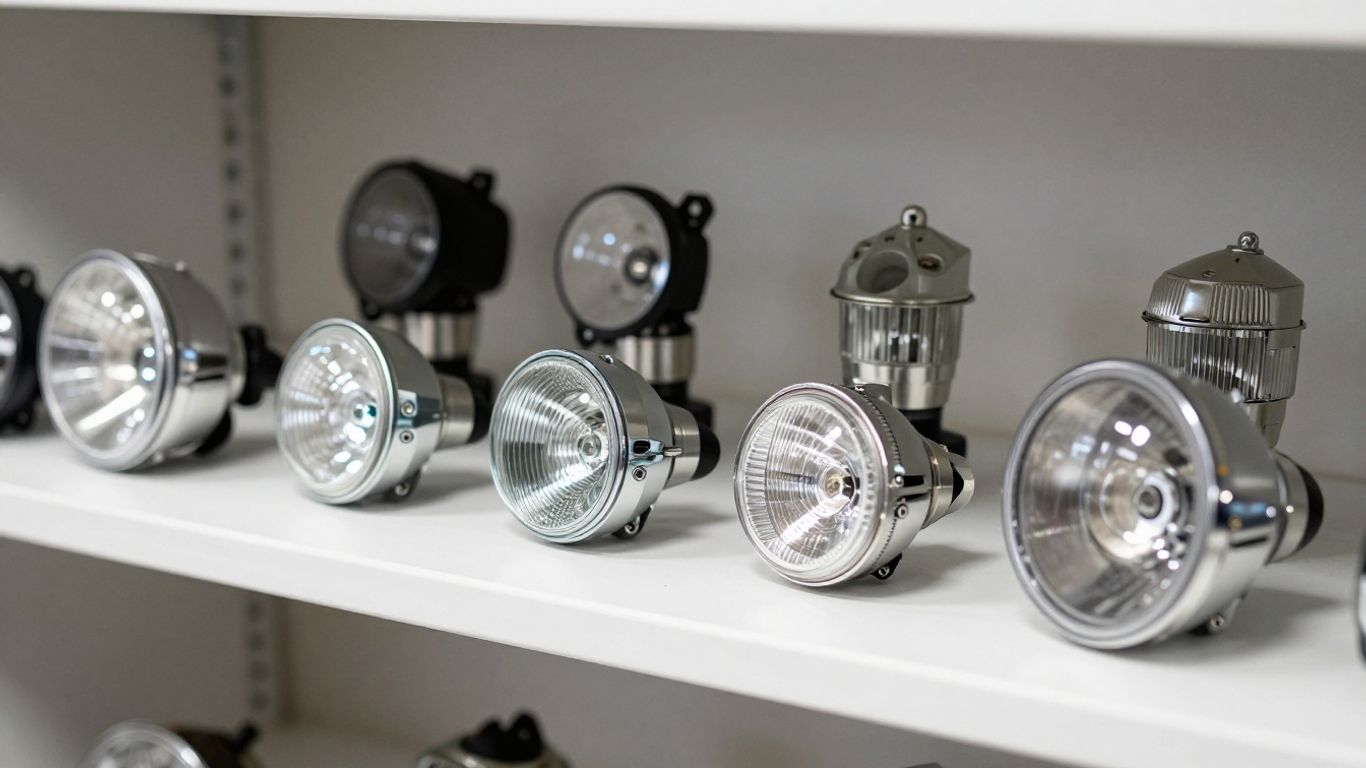
Finding high-quality components requires focusing on vendors that specialize in European automotive recycling rather than general scrap yards. Dedicated independent parts specialists typically provide deeper technical support and better documentation regarding the history of the donor vehicle. This careful selection process helps isolate parts that still retain their original structural integrity and clarity.
Evaluating certified salvage yards
Certified facilities often maintain detailed logs of vehicle mileage and accident history, which can provide insight into the potential wear on the electrical components inside the housing. By focusing on yards that specialize in dismantling luxury vehicles, you increase the likelihood of acquiring a unit that was functioning correctly before removal. Verify their cleaning procedures to ensure the assemblies arrive free of debris.
Leveraging online marketplaces and auctions
Online platforms provide access to global inventory, though they require a more critical eye regarding seller descriptions and images. Look for listings that display clear photos of the back housing, including any manufacturing date codes or part numbers. Transparency in these early stages often indicates a professional seller who understands the value of maintaining accurate condition reporting.
Identifying reputable independent BMW parts specialists
Specialized businesses often test electrical functions on a bench before listing the item for sale, which significantly reduces the risk of dead-on-arrival sensors. Building a relationship with a vendor that exclusively handles OEM automotive lighting ensures you receive support regarding compatibility or common failure points. Their expertise acts as a buffer against common mistakes when sourcing used equipment.
Inspecting used headlights for hidden damage
Once a potential component is identified, you must verify the physical state of the unit beyond just the outward lens appearance. Minor imperfections on the exterior may mask deep-seated electrical or structural vulnerabilities. Taking the time to perform this assessment prevents the frustration of installing a non-operational part.
Checking housing and mounting tab integrity
Mounting tabs are notoriously fragile and prone to stress fractures during vehicle collisions or improper removal procedures. If these tabs are broken or glued back together, the assembly may vibrate excessively or fail to seal properly against the bumper cover.
A headlight assembly is only as durable as its structural mounting points, as even small cracks in the housing can lead to long-term alignment issues and accelerated internal component degradation.
Prioritizing units with intact tabs and clean housing seams is essential, as structural repairs to these areas are generally not permanent and rarely restore full durability.
Detecting moisture ingress and seal degradation
Moisture ingress is often the silent killer of sensitive electronic ballasts housed within the assembly. Look closely at the ventilation ports for signs of mineral deposits or haze on the inside of the lens, which indicate past issues with humidity. If the factory seal appears brittle or uneven, the risk of short-circuiting your internal control modules remains high.
Assessing lens clarity and clarity restoration potential
Sun exposure and acidic rain can cause the polycarbonate lens to yellow or haze over time, which affects the brightness output of the light. While some surface oxidation can be polished away safely, deeper etching often requires professional refinishing to restore effective light dispersion. Always confirm that the haze is not delamination of the protective UV coating, as that damage is permanent and will return quickly after polishing.
Essential technical considerations for installation
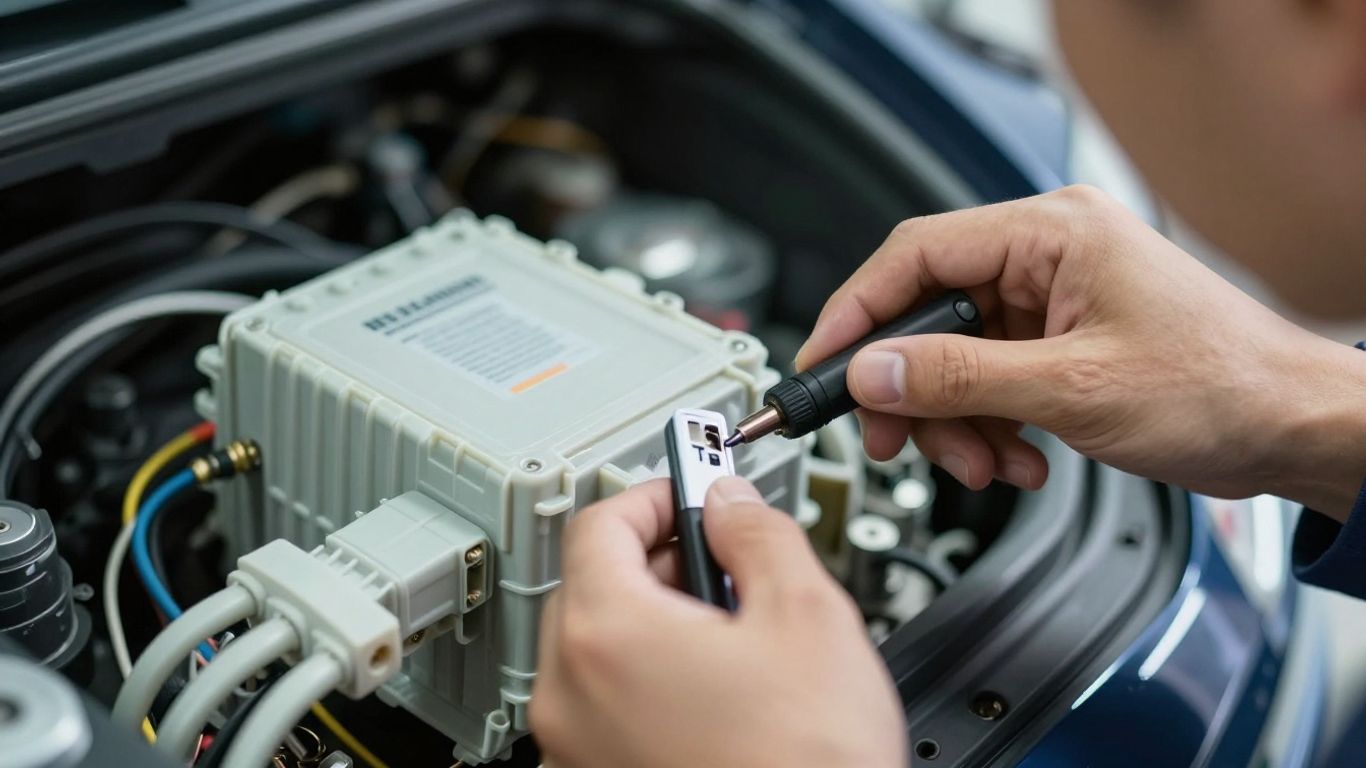
Successful installation extends beyond the physical bolt-in process, as many electronic modules require initialization to sync with your vehicle data. Modern light assemblies are controlled by the central electronic management system and often need status verification before they illuminate. Understanding these technical demands helps you map out the installation sequence effectively.
Understanding the requirement for coding and programming
Even if the physical connectors snap into place perfectly, the new module may conflict with your vehicle’s existing software configurations. Coding is frequently necessary to pair the new assembly to the car’s current firmware. Without this synchronization, you might face persistent warning lights on the dashboard or non-functional adaptive features.
Managing ballast and module compatibility
Ballasts and control modules are sensitive devices that must match the internal logic of your vehicle exactly. Attempting to swap modules between incompatible assembly versions can lead to immediate failure of the expensive control electronics. Always check if the donor unit includes the necessary modules, as transferring your old ones may not work if the hardware versions differ.
Safety precautions for high-voltage Xenon systems
Xenon systems utilize high-voltage igniters that pose significant risks if handled incorrectly during the installation process. Never touch the glass portion of a replacement bulb with bare fingers, as oils can cause hot spots and premature failure. Ensure the battery is properly disconnected during the entire procedure to prevent accidental electrical discharge and protect your internal system components from surges.
Cost analysis and value proposition
| Feature | Used OEM | Aftermarket Replica | OEM New |
|---|---|---|---|
| Build Quality | High | Variable | Highest |
| Fitment Precision | Excellent | Mixed | Perfect |
| Price Point | Moderate | Lowest | Highest |
Comparing different options helps you determine the best path for your budget and vehicle needs. Understanding these variables provides clarity on whether a component offers long-term reliability or immediate financial savings.
Price comparison between used and aftermarket alternatives
Used units provide an opportunity to install the original manufacturer equipment at a fraction of the cost associated with buying new parts. While aftermarket replicas might look similar online, they frequently suffer from poor weather sealing and subpar reflector materials. Balancing the lower price of these replicas against the longevity of genuine parts is a critical step in your decision process.
Residual value of genuine BMW parts
Genuine OE components tend to hold their value better than generic replacements, which can be an advantage if you intend to resell the vehicle in the future. Potential buyers often prefer consistent build quality and authentic electrical systems over repaired or low-cost alternatives. This makes genuine used components a more sound investment for those aiming to maintain the long-term desirability of their vehicle.
Hidden costs of cheap or non-functioning units
The true cost of an inexpensive headlight includes the price of potential repeated labor and the frustration of troubleshooting recurring error codes. If a unit requires further repair, specialized testing, or professional coding, the total expense can quickly exceed the cost of a higher-quality used assembly. Avoid the temptation to save money on units with transparent damage, as these parts rarely prove to be an economical choice in the long run.
Protecting your purchase
Final steps in the buying process revolve around minimizing risk through clear communication and verification before you start your project. Ensuring you have a clear path to return or exchange parts provides peace of mind when dealing with complex electronic components. These measures serve as your safety net during the transition to a new assembly.
Verifying seller reputation and warranty terms
Before finalizing payment, investigate store policies specifically regarding electronic parts, as many sellers have strict rules for these items. Look for guarantees that specifically cover the functionality of internal ballasts or modules rather than just the physical condition of the lens. Confirming these details in writing protects you if the part fails upon first testing.
Documenting shipping damage upon arrival
Shipping delicate optics requires professional packaging, and any signs of box trauma should be documented immediately upon arrival. Taking high-resolution photos of the condition of the box and the part before installation allows you to initiate an insurance claim if transport handling caused hidden cracks or internal damage. Quick action here ensures you are not held liable for damage that occurred while the item was in transit.
Navigating return policies for electronic car components
Expect that some specialist vendors may have restocking fees or specific testing requirements for returns, especially for electrical modules. It is prudent to ask about these conditions before your purchase to avoid surprises if the part turns out not to be the exact match for your vehicle requirement. Understanding these logistics early allows for a smoother resolution should any issues arise during your project.
Conclusion
Investing in quality pre-owned parts allows for significant savings while maintaining the high performance and design standards expected of the vehicle. By verifying part numbers, inspecting structural and electrical integrity, and ensuring proper installation, you can effectively revitalize your vehicle’s lighting setup. Careful planning and attention to detail serve as the best tools for a successful upgrade, ensuring that your component choice delivers both value and reliability for years of driving ahead.