
Key Takeaways
When your BMW’s battery is no longer holding a charge while the engine is running, sourcing a high-quality pre-owned alternator can save you hundreds of dollars. This guide helps you navigate the technical and practical steps to finding a reliable replacement.
- Finding the exact OEM part number on your existing unit is crucial because BMW frequently altered electrical specifications between model years.
- Matching the precise amperage rating is vital to avoid overtaxing your car’s delicate electronic modules.
- Physical inspections of the alternator’s pully, bearings, and casing are critical when shopping at salvage yards.
- Remanufactured units offer long-term reliability while used salvage options present the lowest initial cost footprint.
- Modern BMW charging systems require battery registration with the ECU after alternator and battery work to prevent charging cycle errors.
Understanding your specific BMW charging system
BMW vehicles are known for their intricate electrical architectures that rely on precise voltage control. Unlike older, simpler vehicles, a modern BMW utilizes an intelligent alternator system that communicates directly with the engine control unit to optimize fuel efficiency and battery life. Understanding how these components interact is the first step toward choosing the right replacement parts.
Identifying your alternator part number
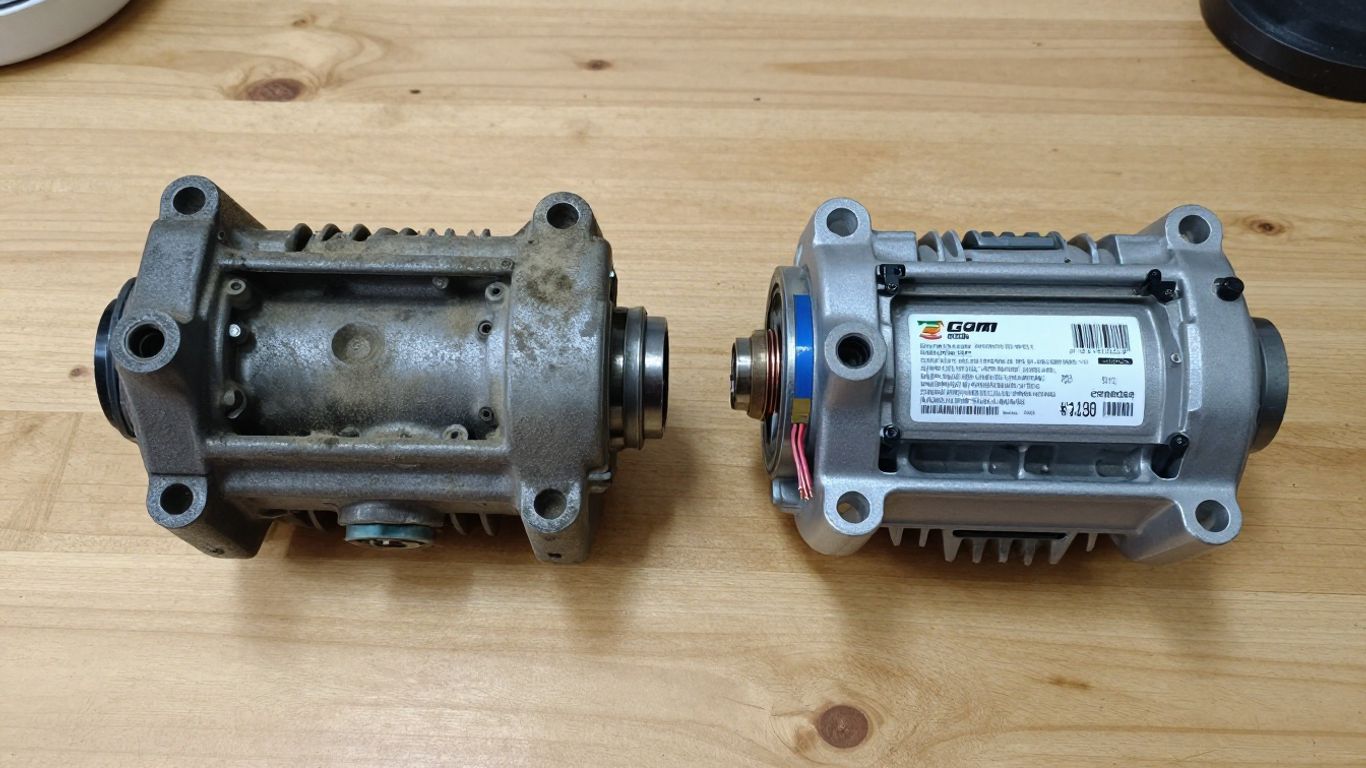
To find a direct replacement, you must locate the original manufacturer part number printed on the alternator’s housing label. Manufacturers like Bosch and Valeo produce these units for BMW, and minor variations in design can prevent a part from mounting correctly. Relying solely on vehicle year and engine type often results in ordering the wrong configuration.
Matching amperage ratings to your vehicle
BMWs are highly sensitive to amperage levels because of their extensive luxury and safety electronics. Lower-tier models might require a 150-amp alternator, while highly optioned vehicles or those with complex active suspension systems demand up to 210 amps or more. Installing an alternator with an insufficient rating will quickly lead to system instability, undercharged batteries, and electronic module malfunctions.
Common compatibility issues across BMW models
Compatibility issues crop up frequently because BMW uses different belt pulley offsets and electrical connector plugs even within the same engine family. For instance, an N55 engine in an F30 3 Series might use a different alternator chassis connection than an N55 in an F15 X5. Always verify the physical plug layout and mounting tab orientation closely before finalizing a purchase.
Evaluating the physical condition of a used alternator
When buying secondhand electronics, a hands-on physical assessment is your best insurance policy against receiving a defective part. While some internal defects cannot be spotted with the naked eye, a few key mechanical checkmarks can help you rule out obvious hardware failures right away.
Checking for signs of internal mechanical wear
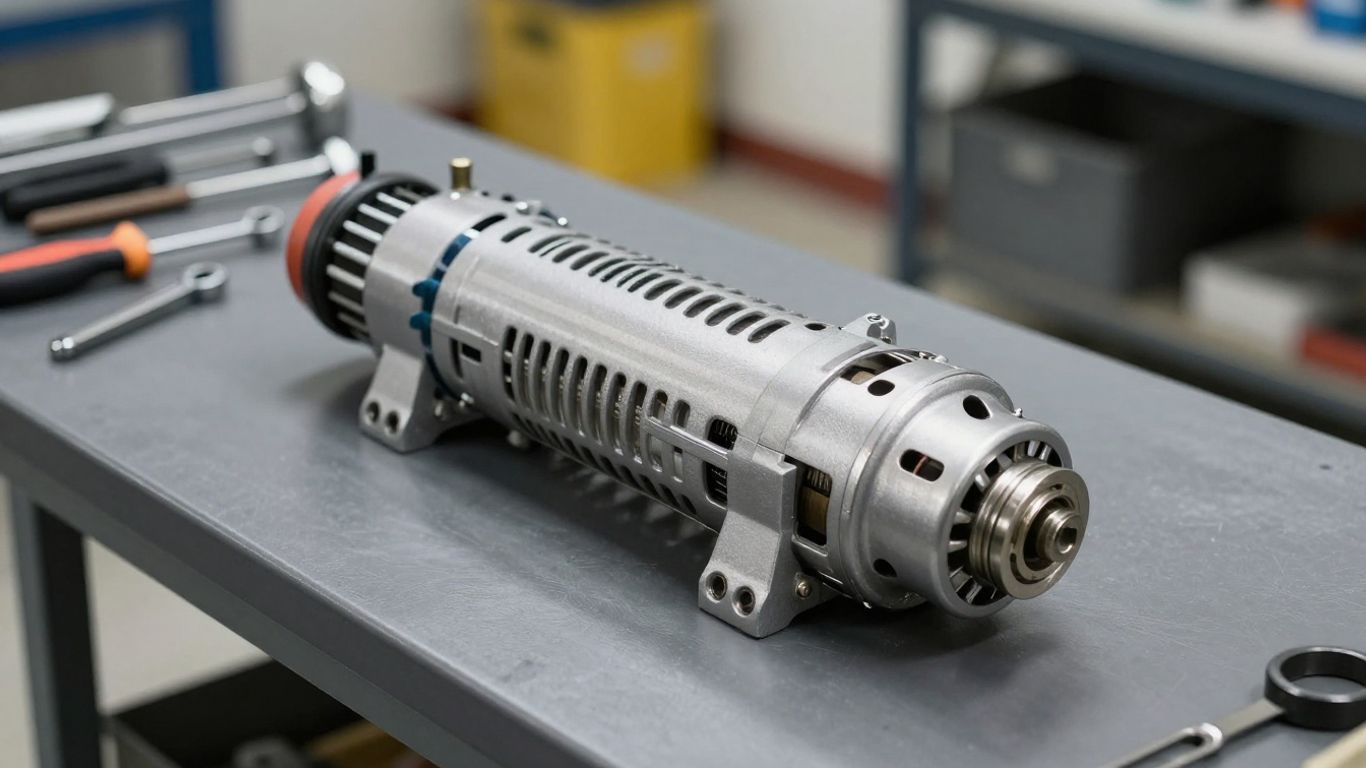
Begin your inspection by looking closely through the ventilation slots of the alternator housing to check the copper windings. The copper coils should look bright and clean, free from dark, blackened burn marks that suggest previous overheating. Additionally, peer inside to check the wear on the carbon brushes and slip rings if they are visible through the back casing.
Testing the electrical output of the voltage regulator
Testing a loose alternator’s voltage regulator requires specialized bench-testing equipment that most auto parts shops or specialized salvagers can run for you. The voltage regulator must maintain a steady output usually between 13.5 and 14.7 volts regardless of engine load fluctuations. If you have access to a digital multimeter during a bench test, ensure there are no wild voltage spikes, which point to a failing regulator chip.
Inspecting the alternator pulley and bearings for play
To perform a quick mechanical check on the bearings, grip the pulley firmly and spin it by hand. It should spin smoothly and silently without any grinding, catching, or resistance.
Mechanics often note that bad alternator bearings make a distinct whining noise under the hood that rises and falls with engine RPM. If there is any side-to-side play when you wiggle the pulley, the internal bearings are already worn out.
This simple manual test ensures you do not waste time installing an alternator that will immediately make a loud howling noise once your drive belt tensioner puts pressure on the shaft.
Sourcing reputable used BMW parts
Finding a trustworthy supplier is just as important as inspecting the physical part itself. Because electrical components are inherently sensitive, buying from the right source minimizes your financial risk and ensures you have recourse if the component fails configuration checks.
Dealing with specialized BMW salvage yards
Specialized European auto recyclers are the premier source for sourcing reliable used BMW alternators because they understand chassis codes and option packages. Unlike generic junk yards, specialized yards catalog parts by OEM numbers and often test components before shelving them. They are far more likely to provide you with the correct amperage unit for your specific vehicle sub-model.
Evaluating reliability in private seller listings
Private seller listings on online marketplaces can offer the lowest prices, but they also carry the highest amount of risk. Always ask the seller for the vehicle’s original VIN so you can independently verify compatibility and mileage history. Avoid listings where the alternator has been sitting unprotected outdoors, as moisture rapidly corrodes the internal copper wiring and delicate diode trio.
Verifying seller return policies and guarantees
Never buy a utilized electrical part without a clear, written return policy or exchange guarantee. A reputable seller should offer at least a 30-day exchange window to allow you time to install the alternator and verify its charging performance. Ensure you understand who covers the return shipping costs before handing over any money.
Cost-benefit analysis of used versus remanufactured units
Choosing between a recycled salvage part and a professionally remanufactured unit comes down to balancing your immediate budget against your long-term vehicle reliability goals. Both paths have distinct financial profiles that fit different ownership situations.
Price points for recycled electrical components
To help visualize how the costs stack up across different replacement options, consider the general market rates for these electrical components. Prices vary depending on your vehicle’s model generation and the rarity of the specific high-amperage alternator required.
| Part Class | Price Range | Expected Warranty | General Reliability |
|---|---|---|---|
| Used / Salvage | $50 – $150 | 0 – 30 Days | Moderate (Varies by mileage) |
| Remanufactured | $180 – $350 | 1 – 3 Years | High (Wear items replaced) |
| Brand New OEM | $450 – $800+ | 2+ Years | Maximum (Factory spec) |
These pricing tiers demonstrate that while salvage options keep initial out-of-pocket expenses exceptionally low, they do come with shorter warranty safeguards.
Long-term risks associated with budget salvage parts
Saves on upfront costs can be wiped out instantly if a cheap salvage element fails shortly after installation. You run the risk of getting stranded or damaging a freshly installed battery if the internal regulator fails and overcharges the vehicle’s electrical bus. Furthermore, if you are paying a professional mechanic for labor, repeating the installation twice easily defeats any initial parts savings.
Setting realistic expectations for part longevity
A used OEM alternator harvested from a low-mileage donor car can easily last another 50,000 miles or more, provided its mechanical bearings were clean. However, buyers should accept that these components are wear-and-tear items. Setting realistic lifespans prevents disappointment and helps you decide if a quick used fix makes sense for a car you plan to keep for several years.
Professional installation versus DIY replacement
Once you have acquired your replacement alternator, you must decide whether to tackle the installation yourself or hand the keys over to a professional BMW technician. Modern engine packaging makes this choice highly dependent on your tool inventory and mechanical confidence.
Core tools required for modern BMW alternator removal
To successfully swap out an alternator on a BMW, you will need a metric socket set, a set of Torx and external-Torx (E-Torx) sockets, and a reliable belt tensioner tool to release the drive belt. Many BMW models also require removing auxiliary cooling hoses or plastic air ducts, meaning hose clamp pliers and fluid catch pans are often necessary to keep the workspace clean.
Navigating tight working spaces in the engine bay
Modern BMW engine bays are notoriously cramped, leaving very little room to slide the alternator chassis past cooling fans and steering shafts. Patience is required to wiggle the mounting ears free from the engine block brackets without cracking surrounding plastic coolant pipes. Taking photos of the belt routing before releasing the tensioner will save you immense frustration when reassembling the drive system.
Importance of registering the battery with the ECU after installation
One of the most critical steps after changing an alternator or battery is updating the engine control unit’s charging profile. BMW uses an Intelligent Battery Sensor that adjusts the alternator’s output voltage based on the age and condition of the battery. If you skip registering a new battery or updating the charging system parameters, the alternator will likely overcharge the battery, shortening its lifespan dramatically.
Troubleshooting post-installation performance issues
Even after a successful physical installation, you must monitor the vehicle closely during its initial operating cycles. Electrical systems can sometimes take a short period to stabilize, but certain warning signs should never be ignored.
Recognizing early signs of a failing replacement unit
Keep a close eye on your dashboard instruments and headlight behavior during night drives. If you notice your headlights pulsing from bright to dim, or if your radio system cuts out intermittently, the replacement alternator is likely struggling under load. This unstable power delivery points to a weak internal diode board that cannot handle the vehicle’s operating current.
Diagnosing recurring charging system warning lights
If the red battery dashboard indicator illuminates after installation, use an OBD2 diagnostic scanner to read active manufacturer-specific fault codes. Look for communication errors involving the alternator’s BSD interface, which means the diagnostic bus is not receiving critical status telemetry from the voltage regulator. Ensure the small single-wire connector on the back of the alternator casing is fully seated.
Knowing when to upgrade to a new OEM replacement
If you find yourself troubleshooting multiple used alternators in an attempt to solve persistent electrical gremlins, it might be time to cut your losses. Modern electrical architectures do not tolerate slight voltage variations well, and upgrading to a new genuine OEM unit guarantees stable voltage levels. This final investment ensures peace of mind, especially before embarking on long road trips.
Conclusion
Buying a used alternator for your BMW is an excellent way to keep repair costs manageable, provided you take the time to verify part numbers, inspect physical wear, and match amperage specifications. While there is always a minor risk when buying recycled auto electronics, sourcing from reputable European recyclers and properly registering your charging system afterward ensures your Ultimate Driving Machine remains reliable for miles to come.