

Key Takeaways
Finding the right vehicle during your search requires careful planning and a deep understanding of common platform traits. These five points highlight how to navigate the complexities of owning this midsize luxury sedan.
- The F10 generation represents a significant evolution in design and engineering.
- Engine choice heavily dictates maintenance costs and long-term reliability expectations.
- Standard transmission units are highly regarded but require regular fluid services.
- Interior electronics and cabin materials are prone to age-related wear and glitches.
- A comprehensive pre-purchase inspection is the single best way to avoid hidden repair bills.
Understanding the F10 generation
The F10 generation marked a major shift for the brand, steering toward a more sophisticated and comfortable driving experience while transitioning away from the controversial styling of its predecessor. Production began in 2010 for the 2011 model year and lasted until 2017 when its successor arrived. Collectors and drivers today often look for low-mileage examples, as finding a clean F10 5 Series second hand can be surprisingly difficult given their popularity as daily drivers.
Timeline and production years
The initial rollout introduced a slate of powerful engines and a new chassis design that emphasized on-road refinement. Production kicked off in 2010, and the vehicle quickly gained a reputation for being a balanced luxury cruiser. Throughout its run, the architecture remained consistent while the manufacturer rolled out various software patches and trim adjustments.
Differences between pre-facelift and LCI models
The life cycle impulse (LCI), or mid-cycle refresh, arrived for the 2014 model year and brought notable refinements to the front fascia and taillights. Beneath the metal, the LCI models received updated cabin interface elements and enhanced engine tuning. These subtle changes often make the post-2014 models more desirable for those who prefer modernized aesthetics and updated software compatibility.
Key trim levels and popular packages
Buyers generally select between the 528i, 535i, and 550i variants, each offering a distinct level of power and luxury. The M Sport package remains one of the most sought-after configurations, adding aggressive styling cues and improved suspension components to the chassis. Many enthusiasts also look for the Premium and Executive packages to secure additional digital features and comfort-focused upholstery upgrades.
Engine reliability and common faults

Navigating the various powerplants available in this generation can feel daunting because each variant possesses unique mechanical characteristics that define the ownership experience. While some engines are recognized for their endurance, others demand a more aggressive approach to preventative maintenance. Understanding these quirks early on helps in setting a realistic budget for potential repairs over time.
N20 four-cylinder challenges
The N20 engine is the entry-level choice, offering a balanced mix of efficiency and reasonable power for daily commuting. However, prospective owners need to be aware of timing chain guide issues in early production models. Consistent oil change intervals are absolutely vital to ensure these components do not suffer premature wear or catastrophic failure.
N55 six-cylinder strengths and weaknesses
The N55 is widely regarded as one of the smoother powerplants produced by the manufacturer, balancing torque and performance effectively. It features a reliable single-turbo setup, though it still has some specific components that eventually require attention.
| Component | Potential Issue | Recommended Action |
|---|---|---|
| Water Pump | Electronic failure | Replace at 70k miles |
| Valve Cover | Oil leaks | Gasket replacement |
| Direct Injectors | Carbon buildup | Induction service |
It is often categorized as the sweet spot for performance regarding value and reliability. While minor leaks around the valve cover are common, the core architecture remains sound for those who keep up with the service intervals.
N63 V8 maintenance requirements
The N63 V8 offers immense power, but it is also the most demanding engine in terms of thermal management and complexity. Owners should anticipate frequent checks of the cooling system and turbo housing components, as the extreme heat often accelerates the degradation of rubber seals and plastic lines.
Diesel engine options for high-mileage drivers
The diesel variants offer exceptional torque and impressive fuel economy, making them favorites for those who cover high annual mileage. Issues usually revolve around the emissions hardware, such as the DPF and EGR systems, which require active driving cycles to remain clean. Consistent long-distance highway travel is the best way to keep these systems performing efficiently.
Transmission and drivetrain considerations
The transition to the ZF 8-speed automatic unit was highly praised across the automotive industry for its rapid shifts and impressive calibration. This transmission is generally robust and handles the power delivery across the range without significant drama. Even so, ignoring the fluid change schedule can shorten its lifespan significantly compared to those that receive proper care.
ZF 8-speed automatic reliability
Transmission mechanics often emphasize the importance of using high-quality fluids to maintain the internal seals and clutch packs. Many owners find that the unit stays snappy throughout its life, though a transmission service around 80,000 miles is a wise precaution.
The fluid inside the transmission serves as the lifeblood of the entire shifting mechanism. Regular changes prevent internal valve body damage and ensure that the gear transitions remain smooth and responsive over hundreds of thousands of miles.
By proactive flushing, owners avoid the common shuddering issues that can arise in neglected units. It remains a high point of the vehicle’s engineering portfolio.
xDrive system inspection points
The xDrive all-wheel-drive system provides superior traction but adds a layer of complexity to the drivetrain inspection process. During a test drive, you should look for any binding sensations during low-speed turns, as these may indicate issues with the transfer case. Ensure the differential and transfer case fluids are clean and topped off to prevent long-term mechanical stress.
Common suspension wear components
Suspension components are naturally prone to wearing out after years of traversing road imperfections and potholes. Bushings, control arms, and ball joints are the usual culprits that lead to vague steering feedback or clunking sounds. Refreshing these parts breathes new life into the car’s handling, restoring the precise feel that the chassis is known for.
Interior tech and common cabin issues
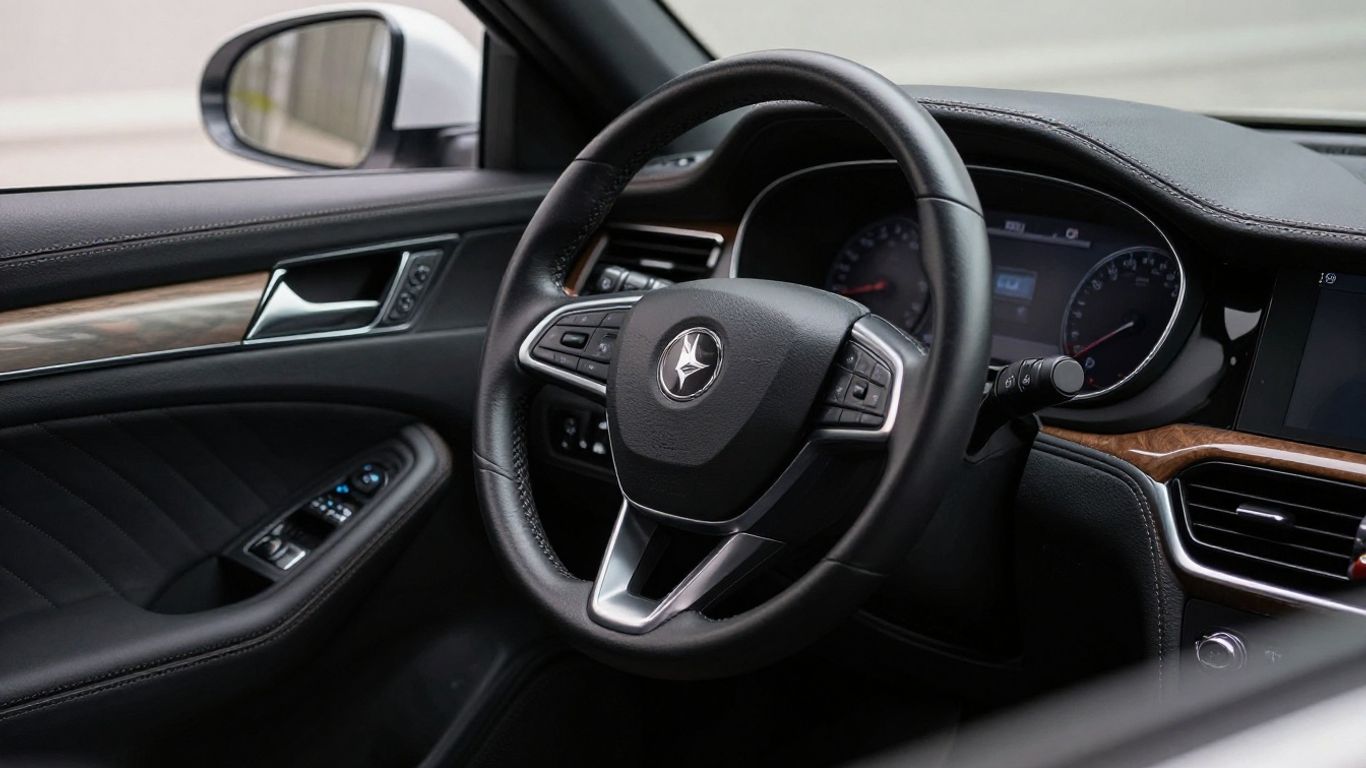
Inside the cabin, the experience centers around the iDrive interface and high-quality materials, though age inevitably takes a toll on these sophisticated systems. Technology has advanced rapidly since the vehicle was launched, meaning some connectivity options can feel dated without aftermarket integration. Focus on checking that every feature, from climate controls to seat adjustments, functions smoothly.
iDrive system updates and connectivity
The iDrive system was one of the most advanced interfaces of its time, though some early software versions suffer from lag or reduced functionality. Many owners choose to install Bluetooth or third-party adapters to improve mobile integration and audio streaming. Making sure the firmware is at a stable version can often solve minor glitches or screen freezes.
Common electronic gremlins to watch for
The complex wiring architecture can sometimes result in intermittent sensor errors or battery drain issues if the auxiliary systems fail. Keeping the battery in excellent health is the primary defense, as low voltage frequently triggers phantom dash warnings. If a module fails, it usually requires a targeted scan to identify which specific component needs repair.
Leather and trim wear typical of the F10
The interior surfaces generally age well, but high-contact points like the driver’s side bolster and the central shifter console can show signs of heavy usage. Trim pieces, especially those near the door handles, may show light scratching or peeling over high-mileage examples. A simple leather conditioning routine can go a long way in reversing minor dryness and keeping the cabin looking luxurious.
Conducting a thorough pre-purchase inspection
Before finalizing any agreement, checking the documentation and the mechanical state of the vehicle is essential. A car that has been neglected will always cost more to rectify than the initial savings on the purchase price. Trust your instincts during the evaluation process.
Checking service history records
The service history is a window into how the previous owner treated the vehicle. Look for consistent oil changes at intervals shorter than the factory recommendations, as these are excellent indicators of long-term mechanical health. Missing records or large gaps in maintenance logs should be treated as a warning sign.
Identifying signs of accident history
Carefully inspect the panels for any mismatched paint, uneven gaps, or signs of overspray that might indicate past body work. Examining the undercarriage for any distorted frame components or unusual rust patterns can also reveal issues not mentioned in the vehicle history report. Quality repairs are sometimes invisible, but a keen eye can often spot these subtle discrepancies.
The test drive—what to listen for
Always drive the car on a variety of road surfaces to hear for rattles or unusual noises coming from the suspension. Test the transmission by performing both light-throttle acceleration and moderately aggressive gear changes. Listen carefully to the engine note at idle, ensuring there are no rhythmic ticking or whining sounds that could point to internal issues.
Using an OBD-II scanner for hidden codes
Every serious buyer should bring an OBD-II scanner to the inspection to check for stored fault codes. Modern systems can hide errors that don’t trigger a dashboard light but signal potential failures that are waiting to happen. A clear diagnostic report provides peace of mind that the car’s computers are operating without significant faults.
Essential maintenance after purchase
Once the car is yours, starting with a clean slate is the most reliable path to trouble-free ownership. This step ensures that every critical consumable is fresh and that the platform is ready for your daily needs. Even for well-maintained vehicles, this initial investment in preventative care is mandatory.
Establishing a new service baseline
Resetting the maintenance clock starts with immediate fluid changes and a full inspection of the braking, cooling, and steering systems. Checking the condition of the tires and ensuring they match the requirements for your climate also plays a major role in safety. By starting fresh, you ensure that every part is within its life cycle as expected.
Fluid flushes and cooling system refreshes
Cooling system integrity is a major concern with these engines, so replacing any plastic hoses that show signs of brittleness is highly recommended. Flushing the coolant, brake fluid, and engine oil prevents the buildup of deposits that could lead to clogs or reduced performance. This work essentially secures the engine against sudden, heat-related failures.
Finding an independent BMW specialist
Developing a relationship with an independent specialist can transform your ownership experience and reduce ongoing costs compared to dealership pricing. These experts are often more familiar with the specific quirks and common failure points of the model, allowing them to perform more accurate diagnostic work. A trusted local shop is your best ally in keeping the vehicle in top shape for the long run.
Conclusion
Investing in this generation of midsize sedan is a rewarding experience if you prioritize thorough research and consistent maintenance. By paying close attention to engine-specific needs and the overall electronic health during your purchase, you can find a reliable and highly capable machine that balances comfort with genuine driver engagement.