

Key Takeaways
Restoring a classic BMW requires patience and a structured approach to sourcing. Follow these principles to ensure success during your project:
- Establish a clear budget before purchasing any hardware.
- Utilize digital parts catalogs for precise part number identification.
- Prioritize structural integrity and safety-critical components first.
- Seek out specialized vendors for difficult-to-find cosmetic trim pieces.
- Document every repair to maintain the long-term value of your vehicle.
Understanding the E36 parts landscape
Starting a project on a classic BMW requires a deep dive into the available market of components. Every enthusiast begins this journey by categorizing which repairs are immediate needs and which are aesthetic improvements. By organizing your search, you avoid common pitfalls like ordering the wrong generation of bolts or mismatched trim.
Identifying genuine vs. aftermarket manufacturers
Distinguishing between original factory equipment and third-party alternatives is vital for longevity. While some aftermarket producers replicate factory tolerances, genuine items are manufactured to specific OEM dimensions. You should evaluate each item based on its intended function, as high-stress mechanical components perform best when sourced directly from quality suppliers rather than budget knock-offs.
Navigating parts diagrams and ETK systems
Learning to use official electronic part catalogs is arguably the most valuable skill for an owner. These complex databases allow you to view exploded diagrams showing every clip, washer, and fastener in their exact assembly order. Mastering these charts eliminates guesswork when browsing online storefronts or inventory lists.
Sourcing rare or discontinued components
As these vehicles age, some plastic trim and rubber weather seals eventually disappear from standard dealer stock. Connecting with specialized salvage yards and persistent internet searching becomes necessary when production dates have long passed. Keep an eye on international supplier availability, as these parts often surface in European markets long after North American supply lines have dried up.
Essential body and chassis restoration parts
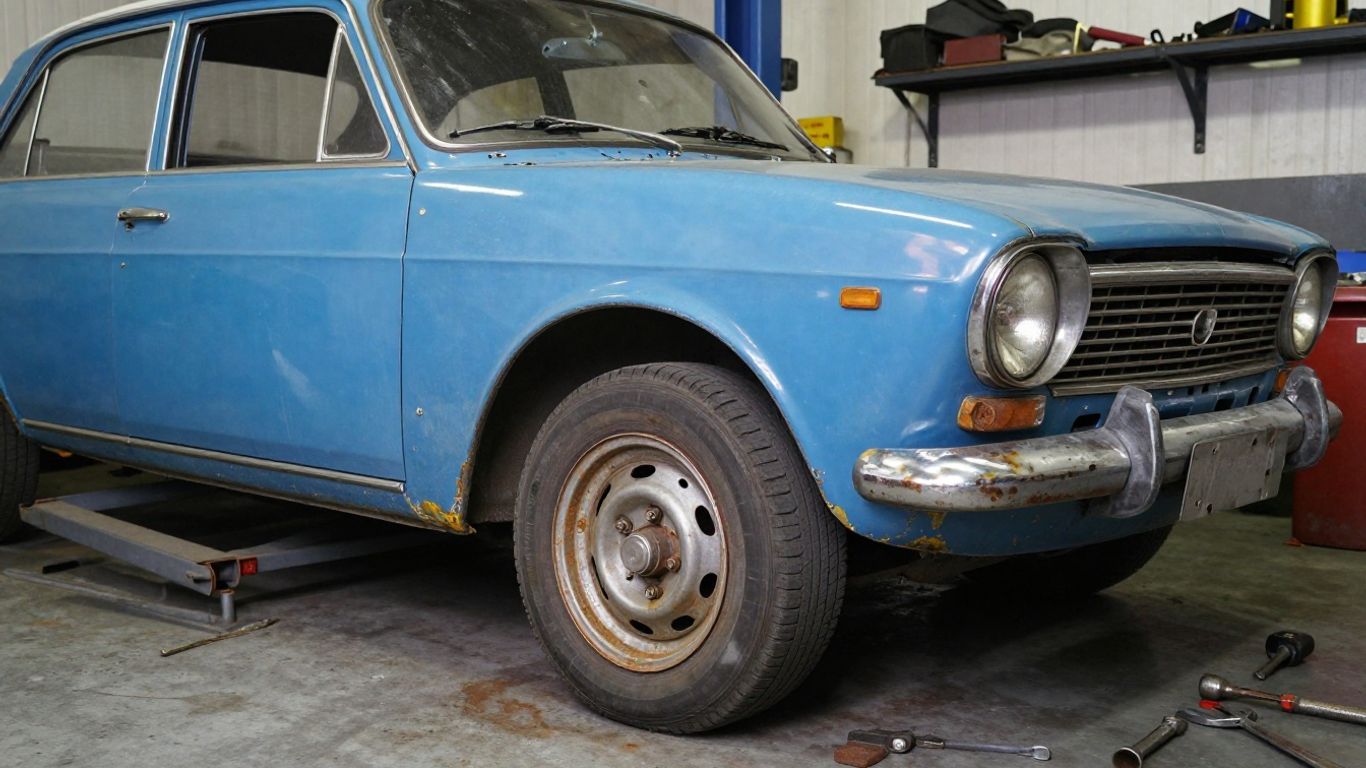
Restoring the sheet metal and underpinnings of an aging chassis demands focus on metal fatigue and oxidation. Because these vehicles are frequently driven in varied climates, frame stability often dictates the feasibility of the entire build. Careful inspection of mounting points will reveal the extent of necessary metal work before any painting takes place.
Repairing common E36 rust-prone areas
Corrosion frequently targets the rocker panels and the rear trunk floor near the battery tray. To address these vulnerabilities, owners often turn to companies like PartsForClassic for specialized rust repair parts that facilitate seamless panel replacement. Addressing these areas early ensures the foundational integrity of the car remains intact.
Sourcing OEM-spec replacement body panels
Finding panels that align correctly saves hours of labor during bodywork preparation. A clear identification strategy helps distinguish high-quality steel replacements from cheaper, poorly pressed metal that fails to sit flush. Consider the following common body panel categories:
| Part Type | Material | Fitment Note |
|---|---|---|
| Front Fenders | Stamped Steel | Requires factory holes |
| Door Skins | Raw Metal | Needs professional welding |
| Quarter Panels | Sheet Steel | High labor intensity |
You should consult a professional body shop for advice on welding techniques because modern steel requires specific heat management to avoid warping the surrounding frame.
Upgrading chassis bushings and reinforcement plates
Over time, factory rubber bushings perish, leading to imprecise handling and potential subframe damage. Enthusiasts often choose items from the Garagistic inventory, which offers parts for builders who want to compete with the best, to replace these worn mounts and add necessary structural reinforcement plates.
Revitalizing the E36 interior
Interior refurbishment transforms a tired cabin into a comfortable space for driving. You will need to remove seats and door panels to effectively clean hidden surfaces and address aging substrates. Taking your time with delicate plastic clips prevents them from shattering during the disassembly process.
Finding seat upholstery and foam replacements
Replacement cushions are frequently needed to restore the original bolstered support provided by factory seats. Many owners decide to source high-quality fabric or leather covers to match the existing interior color codes. Ensuring the foam density matches the original specifications keeps the driving posture correct throughout long trips.
Handling sagging headliners and pillar trim
Loose fabric overhead is a hallmark sign of an older cabin that requires immediate attention to stop further degradation. You can reach out to Rendition Design for their A, B, and C pillar trim repair kits, which offer a reliable fix for the plastic covers that frequently crack over years of thermal expansion. Removing the old adhesive cleanly remains the hardest aspect of this repair.
Sourcing non-sticky dashboard panels and door cards
Thermal cycles eventually cause the soft-touch coatings on the dashboard to become tacky and unsightly. Scouring local classifieds for clean, grey, or black panels salvaged from cooler climates is a popular way to find replacements in better condition. Be cautious when buying these, as shipping large plastic panels often results in damage to the delicate mounting tabs.
Engine and drivetrain mechanical restoration
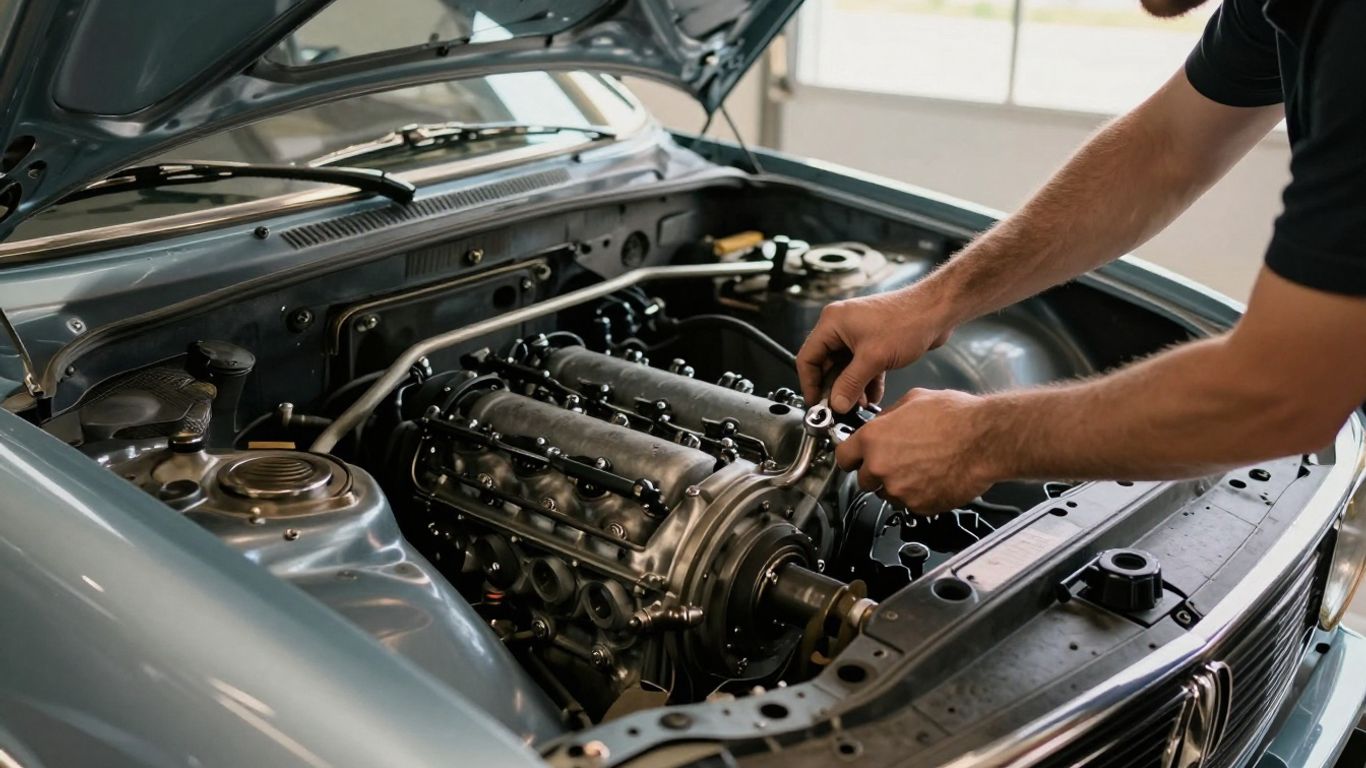
Mechanical health is the heartbeat of a successful rebuild project. Focus your efforts on cooling and oil delivery, as these systems prevent catastrophic damage to the cylinder head over time. Consistent maintenance routines are essential for keeping the drivetrain operating within factory specifications.
Selecting cooling system refresh kits
Plastic cooling components such as radiators, expansion tanks, and water pump impellers eventually turn brittle. Purchasing a complete refresh kit ensures that every failure point is replaced simultaneously, providing peace of mind during hot summer traffic. This prevents the heat-related engine failures that often plague this generation of cooling systems.
Sourcing seals, gaskets, and hoses for M50 and M52 engines
Maintaining a leak-free engine requires the systematic replacement of every rubber seal and gasket across the block and cylinder head. You should verify your specific engine code before ordering, as minor oil filter housing differences between models can lead to incorrect part shipments. A clean engine bay not only looks better but makes identifying future leaks significantly easier.
Replacing worn drivetrain mounts and flex discs
Excessive vibrations through the shifter or tunnel usually indicate that the transmission mounts or the flexible disc in the driveshaft are failing. Treating these items as wear components keeps the power delivery smooth and eliminates mechanical noise.
Proactive replacement of rubber drivetrain components preserves the longevity of the transmission tail shaft and prevents damaging harmonic imbalances during high-speed acceleration.
Replacing these parts now will significantly improve the crispness of your gear shifts and the overall refinement of the vehicle on the road.
Preservation of complex electrical and sensor systems
Older electrical systems require a methodical approach to track down ground faults and intermittent signals. Start by inspecting the main engine harness for signs of melted or hardened insulation before assuming a sensor has failed. A battery charger is essential to keep the system powered while you perform voltage testing on various modules.
Troubleshooting and replacing brittle wiring harnesses
Heat cycles within the engine bay turn wire insulation into a brittle material that eventually shorts out against metal surfaces. If you notice strange intermittent sensor readings, checking for exposed wires near the firewall should be your primary task. Always use automotive-grade high-temperature wiring for any repair to ensure it meets the original load requirements.
Selecting reliable electronic modules and sensors
When buying replacements, choosing known manufacturers is essential to avoid problematic readings or sensor failures. Cheap electronic sensors often provide inaccurate data to the engine control unit, causing rough idles or poor fuel economy. Stick to suppliers that provide parts with established history to guarantee signal accuracy.
Restoring pixelated instrument clusters and climate controls
Fading screen displays are notorious issues that diminish the usability of the interior. Many enthusiasts opt to send out their units for specialized restoration, as replacing the individual ribbons and LCD panels requires microscope-level precision and specific soldering equipment. This process brings the digital display back to full clarity without erasing the recorded mileage.
Best practices for budgeting for an E36 build
Managing your finances is the first step toward a complete build that stays on the road instead of sitting in the garage. Unexpected costs inevitably arise, so maintaining a contingency fund is vital for any project of this scale. Tracking every expenditure in a spreadsheet helps you monitor the gap between your goals and your remaining resources.
Prioritizing critical safety items over cosmetic parts
Brakes, suspension links, and cooling hardware must function perfectly before you spend money on paint or interior upholstery. A car that stops reliably and steers correctly provides a much better experience than a car that looks finished but carries significant risks. Once the chassis is sound, you can gradually move toward aesthetic upgrades.
Leveraging community classifieds and forum marketplaces
Connecting with established enthusiast communities remains the best way to find rare parts at fair prices. Engaging with long-term members often reveals better local deals than those found on general auction sites where competition drives prices up. Always verify the seller’s history before completing a transaction to avoid potential issues.
Weighing the cost of OEM versus performance-oriented upgrades
Deciding between factory-style restoration and performance modification impacts where you allocate your budget. Performance-oriented parts frequently carry a premium price, so ensure the benefits match your actual driving style before committing to a purchase. Balancing a factory feel with subtle performance tweaks often yields the most enjoyable final result.
Conclusion
Completing a comprehensive restoration requires diligence, effective resource management, and a focus on essential mechanical systems. By working through your planned repairs step-by-step and prioritizing safety over cosmetic additions, you secure the future of your vehicle for many years to come.