

Key Takeaways
Maintaining a luxury vehicle requires a strategic approach to parts sourcing, especially when managing older models. Choosing quality pre-owned components can provide significant value while keeping your SUV running reliably.
- Recycled parts offer a substantial reduction in expense compared to brand-new inventory.
- Sourcing genuine components supports circular economy principles and reduces overall production waste.
- Using original manufacturer parts ensures that your vehicle retains its intended performance characteristics.
- Accurate technical identification is crucial to finding components that match specific production parameters.
- Thorough physical and historical verification of donor parts prevents unnecessary complications during vehicle assembly.
Understanding the benefits of using recycled parts for your F15 X5
Choosing the right path for vehicle maintenance often involves balancing budget constraints against the desire for reliability. Many owners find that utilizing salvaged components allows them to sustain high-level performance without the steep overhead costs associated with brand-new inventory. Investing in quality used items can be a practical strategy for those who prioritize longevity and value in their daily driving experience.
Cost savings compared to dealership prices
When purchasing parts from a primary dealer, you are often paying a premium for brand-new manufacturing and packaging. Choosing pre-owned components provides a massive reduction in expenditure, often allowing for the purchase of higher-tier assemblies that might otherwise be out of reach. This price difference allows owners to allocate funds toward other essential maintenance or performance upgrades.
Sustainability and environmental impact of automotive salvage
Automotive salvage represents an essential pillar of the secondary market and environmental conservation efforts. By keeping salvaged parts in circulation, we reduce the demand for new resource extraction and raw material processing required for new manufacturing. This practice echoes the design philosophy of BMW, which focuses on engineering complex, long-lasting assemblies meant to withstand rigorous mechanical demands.
Maintaining OEM standards with genuine BMW components
It is essential to distinguish between aftermarket reproductions and genuine parts, as the latter are designed precisely for specific spatial and electronic configurations. By sourcing genuine BMW components from salvage, you ensure that every mechanical interface and mounting point matches the original plant specifications. Maintaining these standards results in a consistent driving experience for the vehicle owner over time.
Identifying compatible components for the F15 generation
Navigating the specifics of vehicle generation variances ensures that the parts you procure will function seamlessly once installed. The F15 platform involves specific engineering nuances that require careful attention during the selection phase of your repair project.
Utilizing BMW part numbers for accurate cross-referencing
Part numbers are the most reliable metric for verifying compatibility, as they represent the specific engineering iteration for every component. Before committing to a purchase, it is vital to cross-reference the unique identification numbers stamped or printed on the original piece. This methodology prevents the common mistake of ordering similar-looking components that lack the correct internal configuration for your specific engine or trim package.
Understanding common interchangeability with other BMW models
Some mechanical assemblies can be shared across different product platforms, assuming the underlying architecture aligns correctly. Understanding these shared components helps technicians find parts more easily, especially when certain units are rare for the specific F15 generation. Relying on professional catalog databases ensures that these crossover parts maintain the intended operating integrity for your specific vehicle.
Differentiating between minor production year variances
Even within the same generation, minor production updates can lead to different electrical connectors or mounting variations. Manufacturers often implement subtle revisions that only become obvious during the final stages of installation. Experienced buyers always compare the production date of the donor car against their current build to avoid these minor discrepancies.
Where to source high-quality F15 X5 recycled parts
Finding the right source for your parts is as important as identifying the parts themselves. Reliability, reputation, and transparency are the primary factors you should consider when vetting potential suppliers for your repair needs.
Evaluating reputable BMW-specific salvage yards
Specialized auto recyclers often possess a deeper understanding of the specific brand’s engineering idiosyncrasies. These yards typically catalog parts with more detail, often providing specific insight into the condition of the donor vehicle. A high-quality salvage yard will maintain organized, clean, and climate-controlled storage for sensitive electronic components.
Navigating online marketplaces and professional salvage databases
Global databases allow for a vast search range that far exceeds local physical inventories. Using professional B2B or consumer-facing salvage networks helps you compare availability and pricing from large-scale regional hubs. This digital access ensures you can find specific parts even if they have become scarce in your immediate geographic area.
Assessing the risks and rewards of buying from private sellers
Buying directly from individual vehicle owners can sometimes lead to lower acquisition prices for parts pulled from personal projects. However, this creates a higher burden on the purchaser to perform due diligence since private sellers rarely provide the same technical guarantees as professional dismantlers. Always evaluate the seller’s history and transparency regarding the mechanical state of the stripped vehicle.
Inspecting recycled parts before installation
Once a component has been secured, the final step before integration is a thorough physical verification of its integrity. Taking the time to examine these items saves significant labor and time later in the process.
Detecting physical signs of wear, fatigue, or impact damage
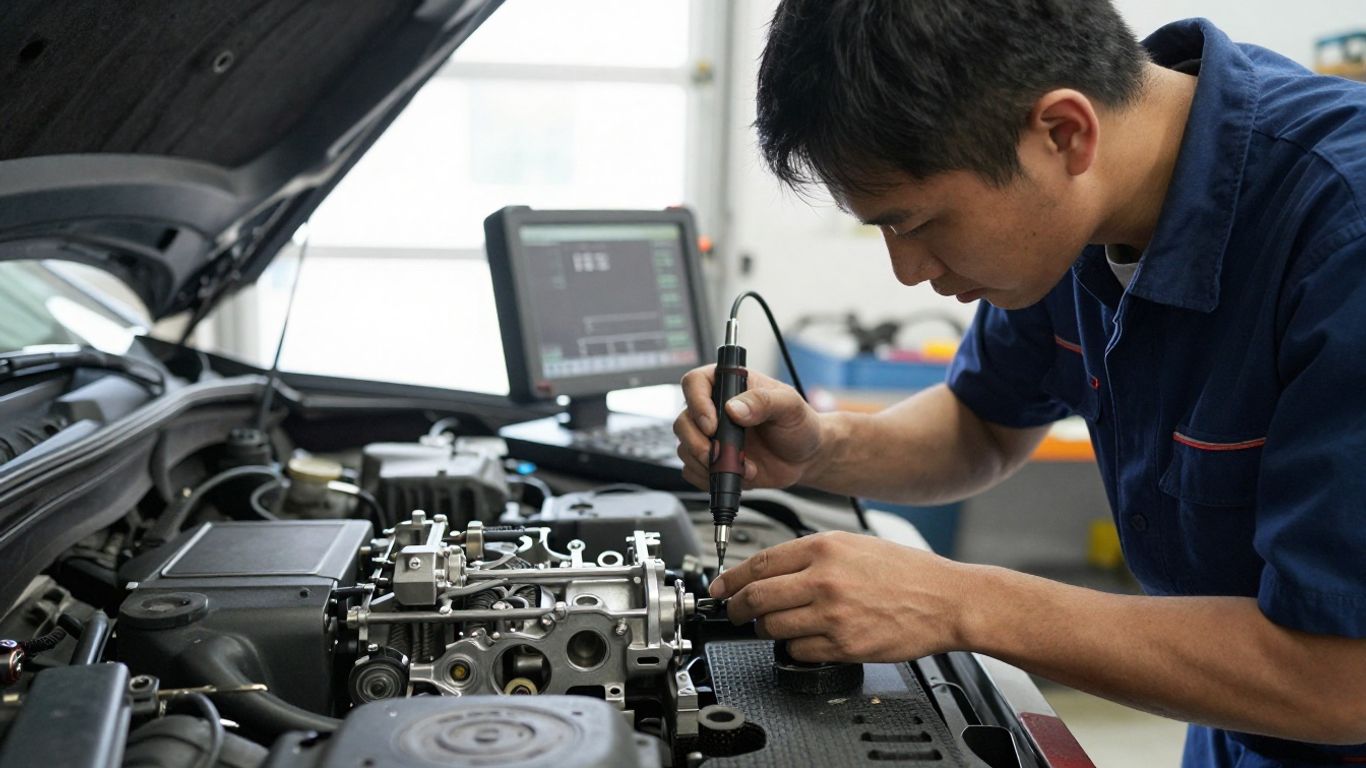
Visual inspection must prioritize identifying stress fractures, corrosion, or signs of previous impact. Even if a part appears functional, micro-cracks in housings or degraded cooling fins can eventually manifest into catastrophic failures. A professional inspection should always look for integrity in every structural mounting point or joint.
Verifying the mileage and service history of donor vehicles
Knowing the history of the donor car provides the best context for the expected remaining life of any mechanical component. High-mileage donor vehicles may have undergone significant fatigue that isn’t visibly obvious. Professional salvage sources often maintain records of the vehicle’s maintenance logs, which serve as an excellent record for future operation.
Testing modular electronics and sensors before final mounting
Electronic modules are typically the most delicate components to remove and re-install due to their internal circuitry. Before full installation, it is wise to test the modular connection for continuity or proper output if testing equipment is available. This verification confirms that the part’s internal processors are still in functional order and will communicate correctly with the vehicle’s central bus.
Best practices for installing recovered BMW components
Installation of recovered BMW components requires specialized care, particularly when dealing with intricate interior or engine bay assemblies. Using the wrong tools or skipping manufacturer-specified sequences can lead to premature wear or immediate failure of the reused part.
Recommended shop tools for non-destructive removal and replacement
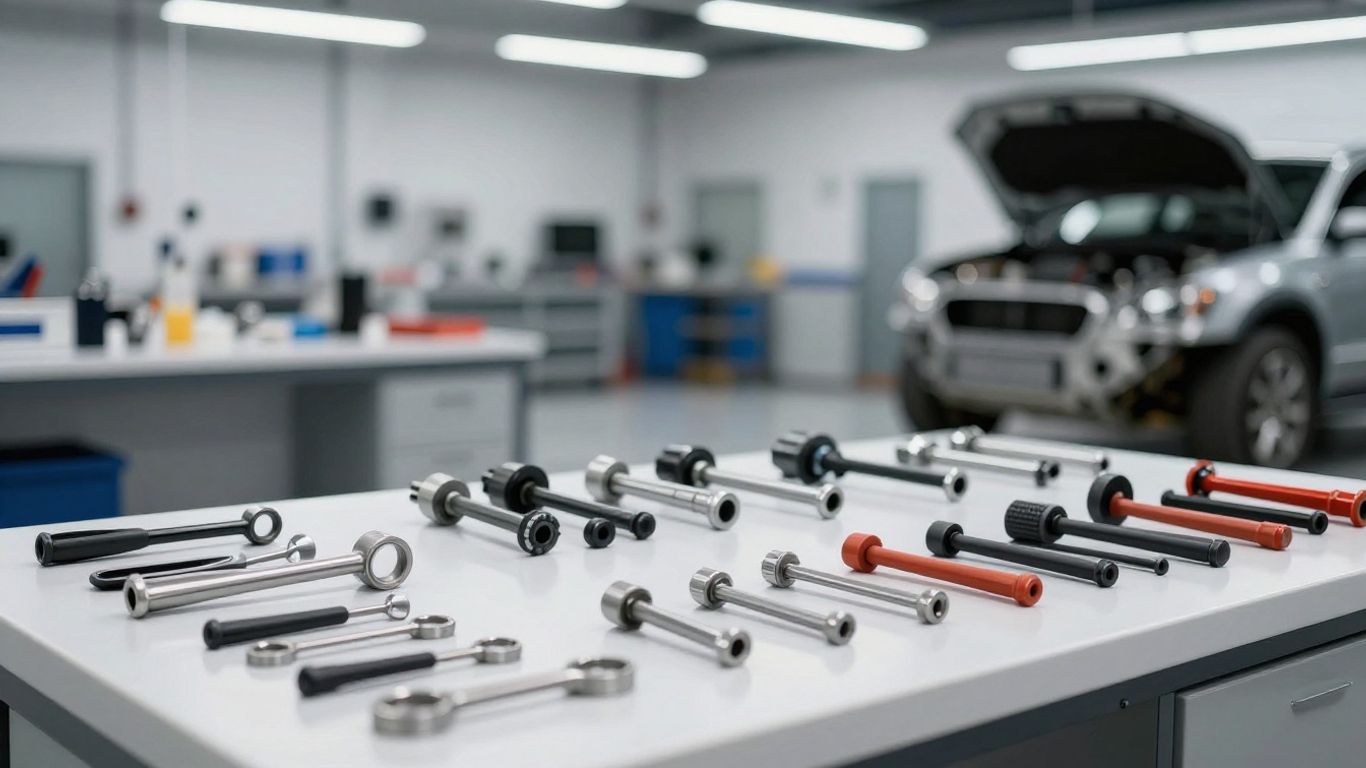
Proper tool selection is critical for protecting the delicate trim and sensitive housing materials during the swap. Using non-marring pry tools and exact-torque wrenches preserves the structural integrity of the components during removal and installation. Proper equipment ensures that the final assembly matches factory standards for fit and finish in every dimension.
Coding requirements when swapping sensitive control modules
Many electronic modules are VIN-locked or requires software synchronization to operate within a new network interface. Simply installing a component is rarely sufficient; you will often need to perform a software handshake so the system recognizes the hardware. Using the correct diagnostic software enables the car to calibrate the new module to current operating parameters.
Identifying one-time-use items like gaskets, seals, and stretch bolts
Engine repair and chassis work often requires replacing fasteners that lose their tension after a single use. The following table highlights common one-time-use components that should always be replaced during an install.
| Item Category | Component Type | Reason for Replacement |
|---|---|---|
| Fasteners | Stretch Bolts | Yields permanently after first tightening |
| Sealing | Rubber Gaskets | Compressive material loses elasticity |
| Fluid Systems | Copper Washers | Deforms to create a final liquid seal |
It is imperative to avoid the temptation of reusing these inexpensive items. Incorporating fresh seals and bolts guarantees the safety of the entire installation and prevents subsequent fluid leaks.
Navigating warranties and return policies for used parts
Even with the best selection efforts, some components may fail to meet expectations upon installation. Understanding the commercial agreements you enter into with a recycler provides peace of mind throughout the procurement process.
Understanding standard industry warranties for salvaged components
Professional recyclers typically offer short-term guarantees on major drivetrain items like engines or transmissions. These warranties are designed to cover early-onset failures that might not be detected during a simple visual inspection.
A professional agreement is built on the foundation of accurately represented quality and fair expectations for both parties involved in the transaction. This mutual understanding protects the restorer and ensures the long-term success of the vehicle build.
Transparency from the supplier regarding what is covered prevents disputes if a component requires replacement before it reaches its operational service life.
Required documentation to obtain from the professional dismantler
Always request the donor VIN, current mileage, and a receipt that explicitly matches the part description to your order. This documentation is crucial for both verification purposes and for satisfying any potential warranty claims later on. Maintaining an organized file for every acquired part simplifies future maintenance and confirms the history of the vehicle.
Handling defective or incorrect parts received from remote suppliers
When a part is delivered through a remote channel, verify its integrity immediately upon arrival. If the condition does not match the provided imagery or if the part is non-functional, contact the supplier immediately providing evidence of the issue. Most professional operations have dedicated procedures for processing these claims and handling the return shipping protocol efficiently.
Conclusion
Carefully selecting F15 X5 recycled parts allows owners to maintain their vehicles with genuine factory components while remaining budget-conscious. By vetting suppliers, verifying component compatibility, and following proper installation protocols, you can ensure a reliable outcome that honours the original quality of your vehicle.