

Key Takeaways
- Sourcing components for the E92 M3 requires understanding the compatibility of its specific V8 platform.
- Inspection of high-wear mechanical areas is essential to avoid unforeseen repair costs.
- BMW salvage yards often provide the best value for major body and drivetrain assemblies.
- Always verify electronic compatibility with your specific vehicle’s production date and software version.
- Online purchases necessitate strict scrutiny of seller histories and explicit return agreements.
Understanding the E92 M3 parts market
Navigating the world of used components for the E92 M3 demands a clear understanding of the vehicle’s unique engineering stature. Owners often turn to the secondary market to maintain these high-performance machines without paying the premium requested for brand-new dealer stock. Finding value requires distinguishing between components that reliably hold up over time and those prone to long-term degradation.
Identifying common wear and failure items
Certain components in the E92 chassis are notorious for requiring early intervention, most notably the rod bearings and throttle actuators. These mechanical weak points mean that sourcing replacements or preventative service kits creates a high baseline demand in the used parts industry. Experienced owners frequently check these items first when considering a donor vehicle for parts.
Distinguishing between OEM and aftermarket salvage
Discerning whether a salvaged part is original equipment or an aftermarket upgrade is crucial for maintaining the vehicle’s specific character. While factory equipment provides a guaranteed fit, many enthusiasts seek out lightweight modifications salvaged from high-performance builds. Distinguishing these types ensures you are accurately pricing the component based on its origin and performance utility.
The importance of the S65 engine heritage for parts value
As the final naturally aspirated V8 engine in the M3 line, the S65 carries immense value to enthusiasts. Components surrounding this engine, including cooling systems and exhaust manifolds, hold their price points far better than generic 3-series parts. Understanding this heritage is necessary to properly appraise used parts when browsing listings or visiting salvage specialized yards.
Where to find reliable E92 M3 second-hand parts
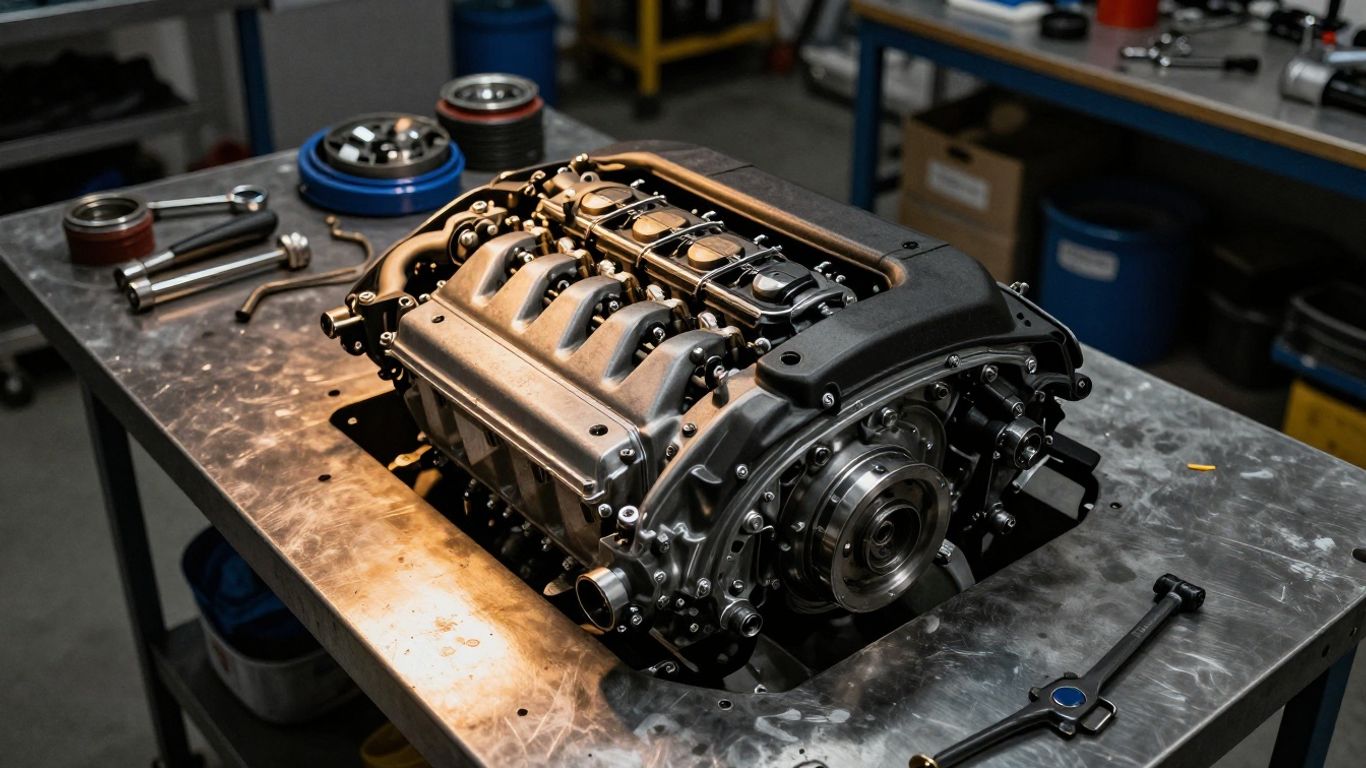
Finding high-quality components requires knowing where specialized inventory is kept, as not every breaker yard holds M3-specific hardware. Specialized operators like recycleBMWs maintain an inventory that is often cleaner and more reliable than typical general-purpose salvage yards. Building a network of consistent suppliers helps secure parts before they become widely listed.
Specialized BMW salvage yards and breakers
Professional dismantlers often test and verify mechanical components before putting them on the shelf, which can save considerable frustration during installation. When buying from them, it is smart to compare their standard shipping packages to ensure the protection of delicate parts during transit.
| Item Type | Estimated Condition | Reliability Metric |
|---|---|---|
| Transmission | Tested | High |
| Drivetrain Control Module | Verified | High |
| Interior Trim | Fair | Medium |
Selecting a reputable yard often depends on their transparency regarding how the vehicle was initially disabled. Shops that provide clear evidence of a car’s operating state before disassembly are generally preferred for larger mechanical purchases.
Online enthusiast forums and marketplace groups
Community forums often act as the first point of contact when a fellow enthusiast finishes their build and has spare components to sell. These sources are frequently more personal, allowing you to ask direct questions about the part’s history and performance. Engaging within these groups requires community participation but can result in finding rare parts that never reach mainstream auction sites.
Established auction sites and dedicated parts networks
Large networks such as Redline Auto Parts serve as a central hub for those looking for a broader variety of body and interior components. These platforms are usually the best choice for finding specific body panels or wheels without needing to navigate individual private sellers. They streamline the procurement process by offering standardized logistics and secure checkout procedures.
Evaluating the condition of used E92 M3 components
Assessing the physical integrity of a used part requires moving beyond simple photographs and understanding the specific stresses the component faced in its lifetime. Whether it was taken from a track-focused vehicle or a daily driver dictates the potential residual life of the equipment. Always prioritize sellers who detail the donor vehicle’s usage environment completely.
Inspection criteria for mechanical components
Mechanical units should be cleaned and checked for any signs of fluid weeping or excessive heat discoloration before integration into your own vehicle. For complex assemblies, verify that all auxiliary sensors are included, as these can be unexpectedly expensive to replace separately. Documentation of a recent overhaul or service history on the donor engine often adds significant value.
Identifying hidden damage on carbon fiber and body panels
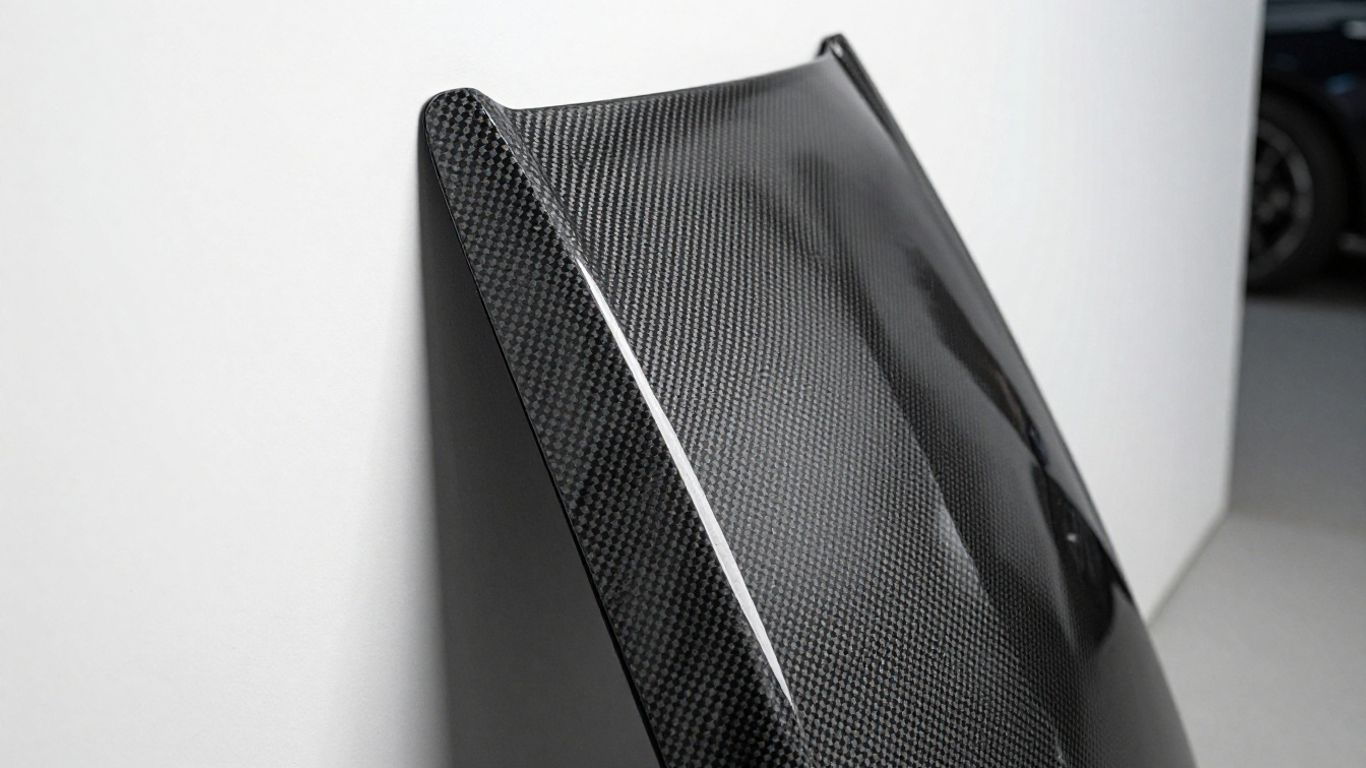
Bodywork on the E92 M3 often includes lightweight materials that may suffer from micro-fractures during impacts that don’t immediately appear in photos. A close inspection of mounting tabs and hidden mounting points can often reveal signs of previous accidents or poor removal techniques.
Careful inspection of backing composite material often identifies stress fractures that remain invisible to the naked eye under standard lighting conditions during initial assembly.
Checking these deeper structural points ensures the panel can be properly aligned on your own vehicle without repetitive, costly fitting attempts. Using a bright, indirect light source can help highlight these inconsistencies in surface texture or finish.
Verifying mileage and maintenance history of donor vehicles
Cross-referencing the mileage of a used part against the general age of the donor vehicle is a vital step in predicting future performance. If a listing lacks service documentation, look for indicators of regular care, such as clean interior condition or well-maintained wheel wells. Reliable sellers typically readily provide VIN data, allowing you to run your own background checks on the history.
Navigating compatibility and part revisions
Updates during the E92 manufacturing run frequently led to mid-cycle changes in sensors and interior modules. Assuming all M3 parts are universally interchangeable across every single year of production is a common error that can cause significant re-work. Always compare your chassis build date to the part’s listed application year.
Pre-facelift versus facelift component differences
Minor cosmetic and electrical tweaks were implemented after the facelift, affecting items such as taillights and infotainment interfaces. These changes mean that a late-model part might not plug directly into an earlier harness without modification. Understanding these subtle differences is key to project success.
Decoding BMW part numbers and ETK listings
Using the official electronic parts catalog allows you to cross-reference your specific vehicle’s equipment level with prospective used parts. This step is the most accurate way to guarantee compatibility for non-obvious components like suspension bushings or specific interior clips. It removes the guesswork that often comes from buying based on visual similarities alone.
Ensuring electronic components match your ECU software
Module compatibility is one of the most complex areas of sourcing used parts for the M3, as electronic components often require coding to sync with your specific hardware. Shops like AUTOcouture Motoring focus on high-performance integration and remind users that electronic modules must be matching in terms of software versions and feature sets. Without proper alignment, a replacement part may cause non-functional errors or conflict with other vehicle systems.
Essential tips for safe purchasing online
Protecting your time and money requires following strict protocols whenever you buy goods from non-local sources. The increased prevalence of remote transactions means that the burden of investigation lies entirely on the buyer. Exercising caution at each stage of the transaction minimizes the risk of receiving unusable components.
Protecting yourself against fraudulent listings
Be wary of prices that sit significantly below market value, as these are often indicators of poor-quality goods or outright scams. Always request high-resolution photos that include a timestamp or your username to confirm that the seller indeed possesses the item. Using payment methods that offer buyer protection provides a necessary layer of financial security if the order is never fulfilled.
Negotiating shipping for large body panels and wheels
Transportation of oversized items such as bumpers or full wheel sets requires specialized freight handling to prevent damage. Always clarify who is responsible for logistics before finalizing the transaction, and confirm that the seller has adequate packaging materials like custom pallets or structural crates. Assuming standard shipping is sufficient for these large parts is a common mistake that often results in delivery breakage.
Understanding return policies and seller warranties
Explicitly confirming the return window and conditions before you send any payment is the final barrier against disappointment. Even if a seller offers a warranty, clarify whether it covers the functionality of the part or simply the initial arrival state. Having written confirmation of these terms preserves your rights if the installed component fails diagnostic testing despite being correctly identified in the initial listing.
Conclusion
Building an E92 M3 using selective second-hand parts requires patience and diligence in verifying the origin and condition of every component you acquire. By leaning on established networks and confirming compatibility through official technical databases, you can maintain the performance of this iconic platform for years to come without relying solely on expensive new parts. Taking the time to properly inspect every piece ensures your final result remains true to the original engineering quality of the M3 series.