
Key Takeaways
Starting an automotive dismantling project requires careful preparation and technical knowledge to maximize the utility of donor parts. Here are the core focus areas for working with this platform:
- Identifying accurate trim levels is essential for component matching.
- Maintaining a clean and organized workspace ensures technician safety.
- Using proper documentation for mileage tracks the value of mechanical parts.
- Electronic modules require specialized handling to prevent static damage.
- Compatibility descriptions drive success in the secondary market.
Understanding the E70 X5 platform for parts
Transitioning an older vehicle for parts allows other owners to maintain their cars using authentic components. The platform offers a variety of interchangeable systems that remain relevant for repairs even years after production. Developers and mechanics often target these vehicles to recover modules that are no longer available from the manufacturer.
Common mechanical failure points in E70 models
Engine cooling systems and suspension bushings are frequent areas of inspection when assessing a donor vehicle. Cooling components tend to degrade over time due to high thermal cycles, making the housing and reservoir units prime candidates for replacement. Owners often look for verified low-mileage cooling kits to extend the life of their own vehicles.
Interchangeability between X5 and X6 structural components
Many body and frame components translate effectively between the X5 and X6 due to their shared platform architecture. Chassis bracing and specific suspension control arms often feature identical mounting points regardless of the exterior aesthetic. Recognizing these overlaps allows for a wider inventory of usable parts that fit multiple body styles within the BMW lineup.
Identifying trim levels and engine variants for part compatibility
The engine variant significantly impacts the compatibility of drivetrain components, particularly between the N55 and N63 configurations. Trim packages also dictate the availability of interior electronics and seat adjusters that may not feature in base models. Careful verification of the VIN ensures that parts are correctly cataloged and easily identified for potential buyers later in the process.
Preparing the donor vehicle for dismantling
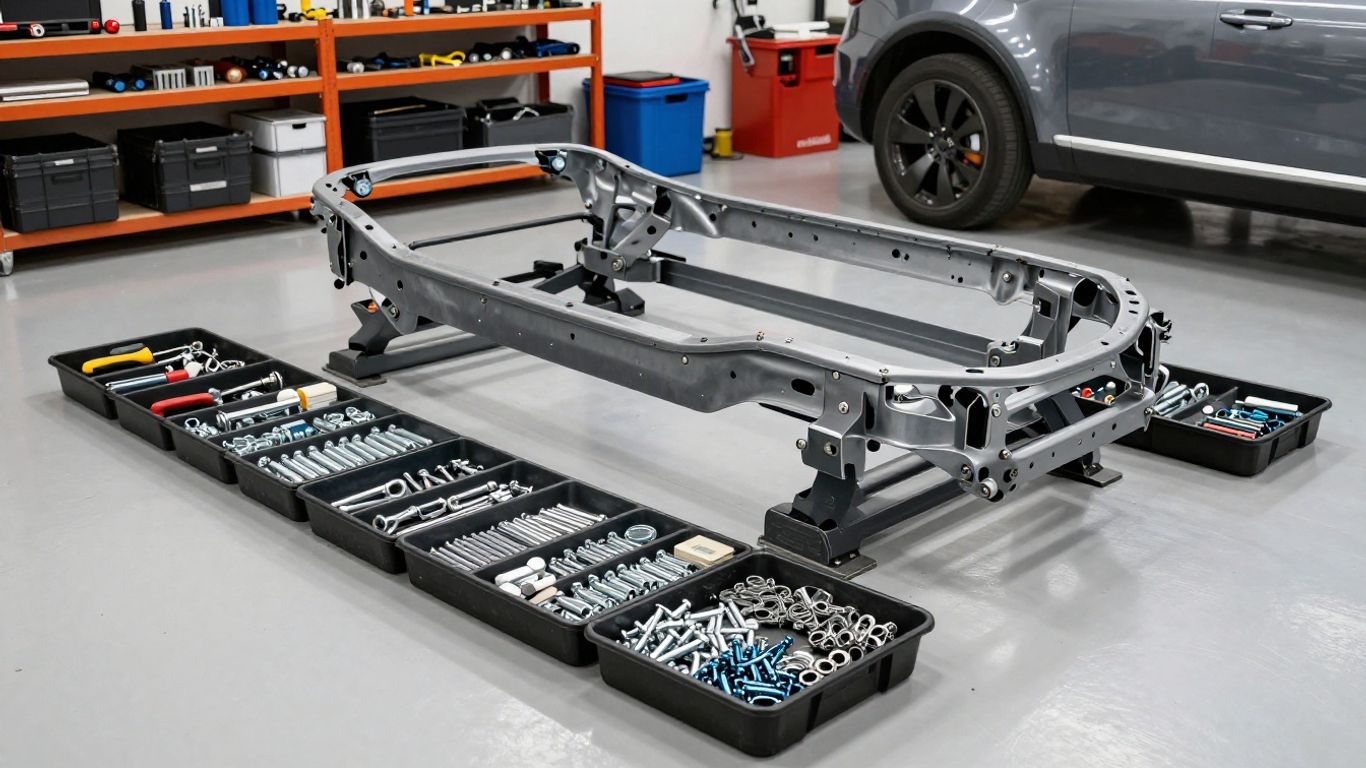
Establishing a structured environment is the first step in successful reclamation projects. A well-organized garage prevents the loss of small hardware and keeps the work area free of tripping hazards for a more efficient workflow throughout the duration of the project. Safety protocols must be consistently applied to both the technician and the integrity of the collected parts.
Essential safety equipment and workspace requirements
High-quality support stands and reliable hydraulic lifts are non-negotiable for stable vehicle elevation. Technicians should utilize nitrile gloves and eye protection to guard against residual fluids and sharp edges found in the engine bay. A clean floor surface makes it much easier to recover fasteners that might roll away during the hours of work.
Safely disconnecting high-voltage and electronic systems
Battery systems must be addressed immediately to protect sensitive electronic control units from voltage spikes. Once the main battery is isolated, capacitors in auxiliary modules often require a short drain period to fully dissipate stored energy. This prevents accidental shorts that could damage expensive circuit boards during the initial phase of the teardown.
Fluid drainage and environmental compliance procedures
All liquids including engine coolant, transmission fluid, and brake fluid must be removed using appropriate catch pans. Storing these materials in labeled containers for proper disposal prevents contamination of the surrounding soil and shop environment. Proper fluid management is a core responsibility for anyone performing an E70 X5 dismantled vehicle audit.
Systematic interior component removal
Interior cabins harbor many high-demand switches, modules, and comfort accessories. The focus here is on non-destructive removal methods that preserve the plastic clips and delicate mounting points. Taking time to map out every fastener location simplifies the process of reinstallation for any future end-user of these recycled goods.
Dashboard and center console dismantling techniques
Working inward from the door sills allows for a clear path toward the center stack and dashboard assemblies. Using specialized trim removal tools prevents the scratching of soft-touch surfaces that are difficult to refurbish. Each harness connector hidden behind these panels must be unplugged with care to avoid tension damage to the wires.
Safely extracting SRS airbag modules and seat assemblies
Weight-sensitive occupant detection sensors require extreme care to ensure they are not damaged during seat removal. Airbag modules are strictly handled with established protocols to prevent accidental deployment during transport or storage. Ensuring these safety-critical items remain pristine is vital for anyone who might eventually purchase them as replacement components.
Managing complex fiber-optic and electrical wiring harnesses
Modern vehicle wiring forms a complex web that connects every module to the central gateway. Following the original cable routing paths ensures that the harness remains intact and ready for another vehicle. These looms are often unique to specific equipment levels, so tracking their exact origin during extraction is helpful for future troubleshooting.
Extracting high-value mechanical drivetrain components
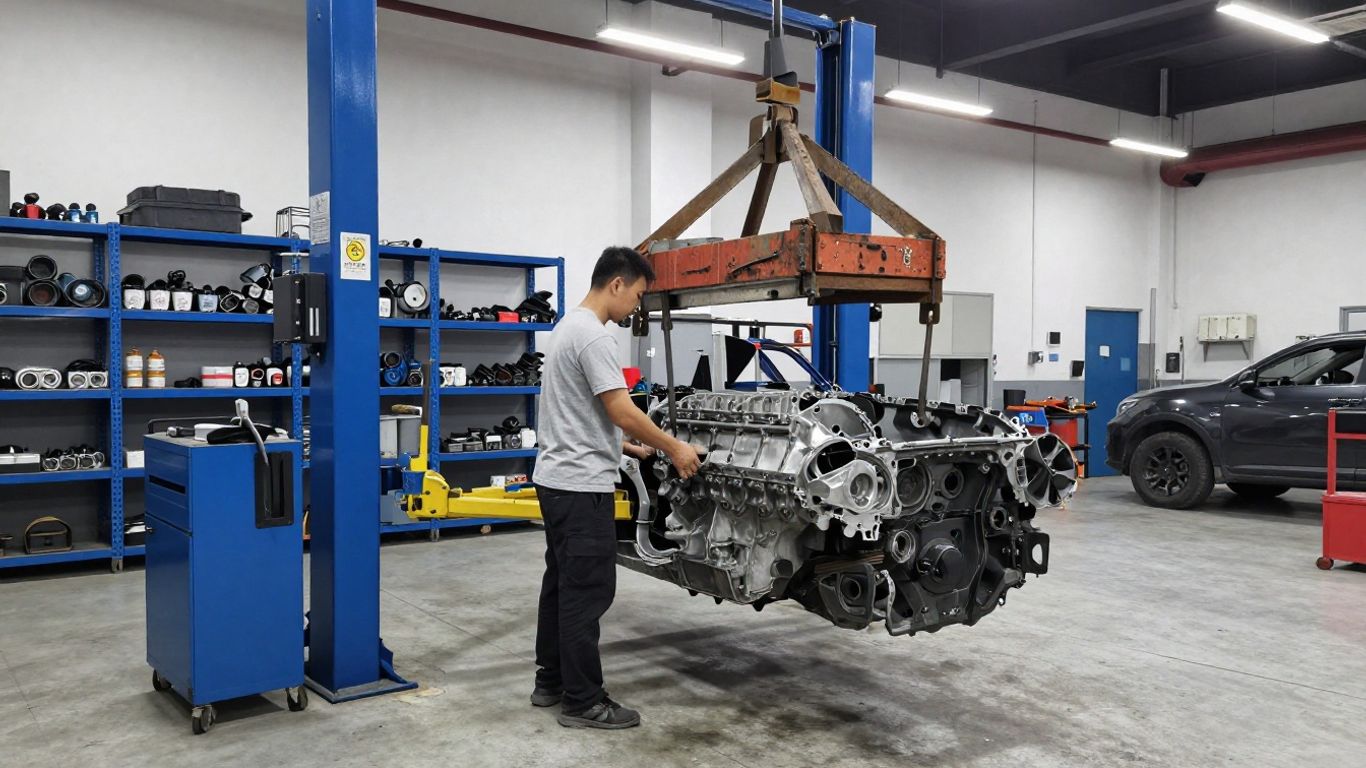
Mechanical units provide the highest return on investment if removed with complete associated hardware. Leaving the primary sensors and mounting brackets attached to the engine block simplifies the transfer process for the next owner. Proper rigging is required to move these heavy assemblies from the chassis to the storage transport structure.
Procedures for removing the engine and transmission block
Removing a powertrain requires a synchronized approach to ensure all disconnects are finalized before lifting. The following table summarizes the key checkpoints to confirm before clearing the workspace:
| Checkpoint | Status | Priority |
|---|---|---|
| Exhaust Disconnect | Clear | High |
| Driveshaft Removal | Clear | Medium |
| Harness Labeling | Pending | High |
After ensuring every mounting bolt is accounted for, the load can be safely shifted. Carefully inspect the engine mounts during the extraction process as these often provide early clues regarding the engine’s operational history.
Separating transfer cases and differential units from the chassis
Transfer cases must be removed in tandem with the transmission if they are bolted as a single assembly, or detached separately if the configuration allows. These heavy units require stable jack supports to prevent misalignment during removal from the subframe. Keeping the breather tubes and electrical sensors sealed during this transition prevents debris from entering the internal gear housings.
Documenting mileage and maintenance history for resale
Compiling a folder with service records and mileage verification significantly increases the market appeal of a used drivetrain. Potential buyers rely on this information to establish the remaining service life of the unit. Providing these details transparently helps build trust and ensures that parts are correctly valued in the marketplace.
Salvaging electrical modules and sensors
Electronic parts represent a significant portion of the value found in modern BMW designs. These units need to be kept dry and static-free at all times to maintain their operational integrity. Once removed, each module should be tested if the equipment is available to ensure it remains a functional asset.
Locating and removing the DME, CAS, and FRM modules
These critical modules regulate communication between the engine, entry systems, and lighting networks throughout the car. Accessing these requires careful navigation of the firewall area and interior kick panels where these boxes are typically secured.
Advanced electronic modules are extremely sensitive to electrostatic discharge and require proper anti-static storage containers. Keeping components in a climate-controlled room prevents long-term oxidation of the contact pins and preserves the internal memory of the units for the next installation.
Following these handling guidelines keeps the modules viable for long-term storage or immediate shipment to end users.
Best practices for testing sensitive electronic control units
Bench testing modules provides a clear answer regarding their current status before they are listed for sale. Technicians use dedicated diagnostic software to verify that the unit communicates with existing vehicle networks without throwing persistent fault codes. This validation builds confidence for professional mechanics purchasing parts for their clients.
Labeling and storage protocols for salvaged electronics
Each module MUST be clearly indexed with the part number, donor vehicle build date, and specific trim origin. Storing these items on high-density shelving away from moisture ensures they remain stable until the point of sale. Plastic bagging individual components with desiccants provides an extra layer of protection against the elements.
Marketing and selling parts from an E70 X5 dismantled vehicle
Success in the parts market depends on clear, accurate information and professional customer support. Buyers look for transparency regarding the condition of recycled items compared to new inventory. Using clear images and detailed compatibility lists reduces the number of returns and questions regarding part fitment.
Best platforms for listing recycled BMW components
Specialized automotive forums and dedicated parts marketplaces allow sellers to reach audiences who specifically understand how to use BMW parts effectively. These platforms usually have established reputation systems that reward sellers who provide detailed, honest descriptions. Consistency in your listings is key to building a positive seller history.
Crafting accurate compatibility descriptions for potential buyers
Descriptions should include exact years, engine types, and specific options that the original vehicle featured. Cross-referencing part numbers against official catalogs helps prospective buyers confirm that the component is the correct match for their specific configuration. This level of detail reduces the risk of incorrect orders, benefiting both the seller and the buyer.
Logistics and freight considerations for heavy automotive parts
Heavy mechanical units like transmissions or complete engine assemblies require careful palletizing to prevent damage during transit. Partnering with reliable freight carriers specializing in automotive parts ensures that the cargo arrives safely. Clearly communicating the weight and dimensions to the buyer upfront avoids surprises during the delivery phase.
Conclusion
Carefully disassembling a vehicle to recover high-quality parts is a complex project that benefits the larger community of owners. By following safe, systematic, and well-documented processes, you ensure that every salvaged component retains its value and utility. This approach not only maximizes the potential of an E70 X5 dismantled vehicle but also supports the continued operation of fine automotive engineering for years down the road.