

Key Takeaways
Finding quality components for your vehicle doesn’t have to be a struggle if you know where to source them. This guide outlines the essential steps for navigating the local salvage market effectively.
- Quality sourcing requires inspecting mileage and history.
- Physical inspection prevents buying damaged or useless hardware.
- Building relationships with wreckers helps secure better pricing.
- Compatibility checks for N20 and N55 engines are mandatory.
- Professional installation remains the safest route for electronic systems.
Types of F30 used parts to look for
Sourcing components for your BMW requires an understanding of what components maintain their value and function after removal. Owners often look for parts that remain reliable even after years of street use. Focusing on these common categories helps narrow your search in the local area.
Engine components and mechanical blocks
Engine parts like cylinder headers and engine covers are frequent targets for those looking to repair their vehicles. These components are often salvaged from donor cars that have undergone low-impact accidents.
Interior trim and electronic modules
Replacing worn aesthetic trim is a common upgrade for older vehicles. Electronic control units and display screens are also highly sought after because they provide a cost-effective way to restore cabin tech.
Body panels and exterior accessories
External components like bumpers, mirrors, and door panels are essential for cosmetic repairs. Finding these in the correct paint code can save significant time and money on body shop labor costs.
Suspension and braking systems
Subframes, control arms, and brake calipers are frequent requests for those maintaining their vehicle’s handling stability. Ensure you verify the mounting points for any signs of fatigue or collision trauma.
How to verify the condition of F30 recycled parts
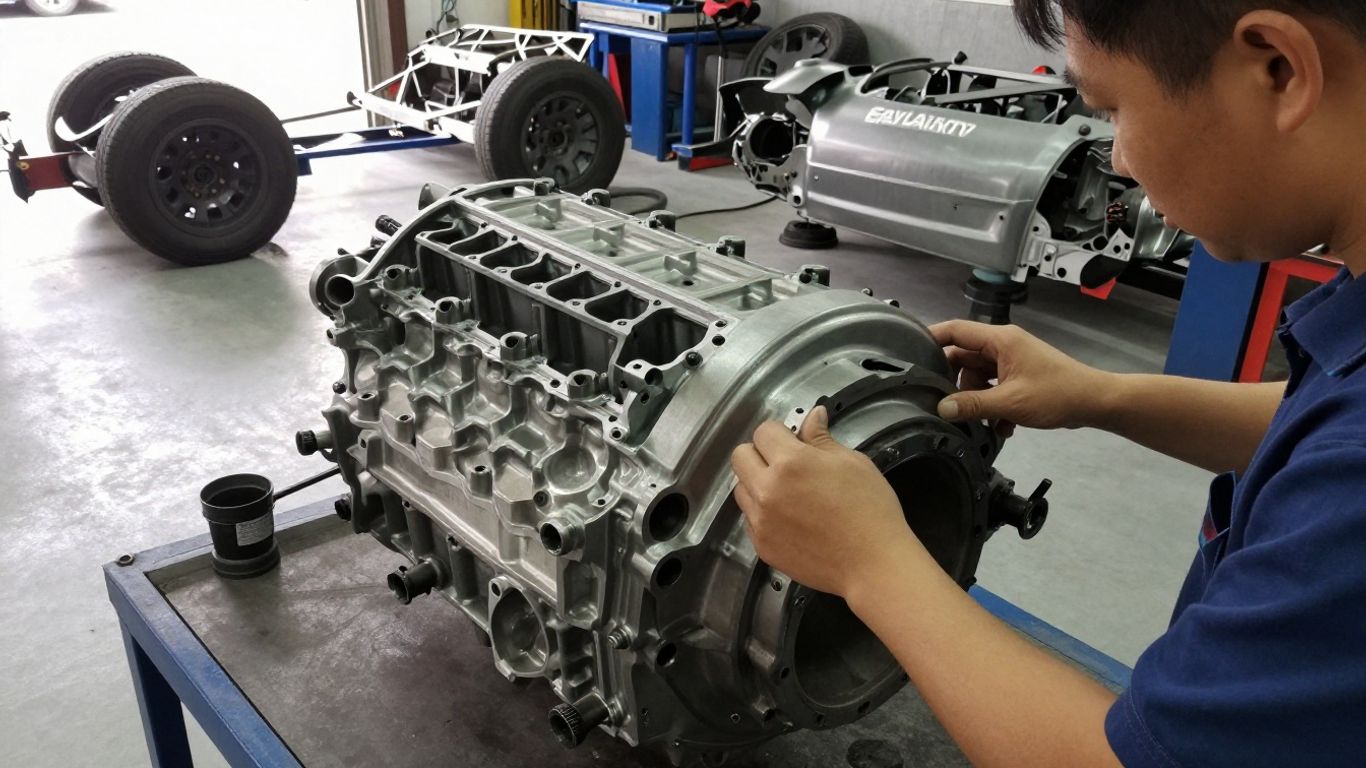
Verifying that a part is suitable for reuse is the most important step in the buying process. You must look beyond the surface to ensure the component will last. Taking the time to examine these items before hand-over is common when you search for F30 used parts Melbourne.
Checking mileage and vehicle history logs
Understanding the source vehicle’s life cycle is vital. Look for parts from cars that have been meticulously maintained throughout their service life.
Inspecting for structural damage or corrosion
Rust is a silent killer for metal components. While surface oxidation is manageable, deep structural corrosion suggests that the part has been exposed to extreme conditions and should be avoided.
Identifying original BMW part numbers
Matching the part number to your VIN ensures guaranteed fitment. Authentic components are stamped with identifiers that prove their quality and origin.
Testing electronic components before purchase
Electronics should be tested whenever power can be applied. While a full harness test isn’t always possible, verifying that the pin configuration is pristine is a good indicator of health.
Navigating Melbourne wrecking yards for BMW parts
Visiting a professional yard in person offers a different experience than shopping online. You can physically assess the state of the inventory and speak directly to staff members. Knowing how to communicate your needs will yield better results during your visit.
Choosing between local wreckers and online marketplaces
Local wreckers provide the advantage of seeing parts firsthand before purchase. Online markets offer breadth, but local yards offer immediacy which is beneficial for active repairs.
Understanding stock rotation and inventory availability
Inventory changes rapidly, so checking in frequently is helpful. Yards that maintain high turnover rates often have fresh arrivals daily.
Importance of visiting the dealer in person
There is no substitute for walking the floor. Engaging with experts face-to-face provides insights that a product listing cannot convey about the component’s history or potential issues.
Negotiating prices with local wrecking yards
Developing a relationship can play a role in your total cost. Yards are often willing to adjust pricing for regular buyers or those who purchase multiple items at once.
Avoiding common pitfalls when buying used BMW parts
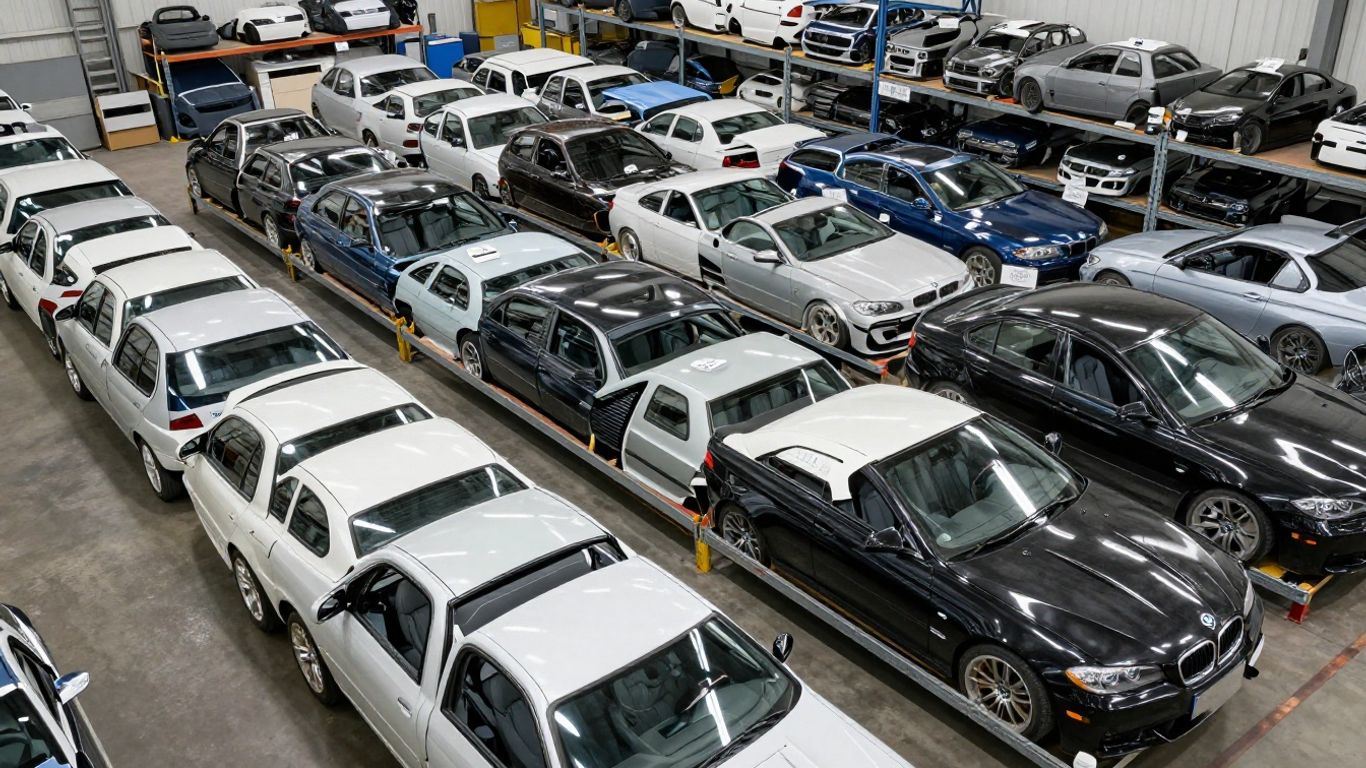
Identifying the difference between quality items and those that should have been scrapped involves a keen eye. Many buyers unknowingly purchase components that are near the end of their service life. Keeping these considerations in mind protects you from making expensive mistakes.
Distinguishing between aftermarket and original equipment
Original equipment provides the performance consistency expected from your vehicle. Aftermarket copies may fail to provide the exact fitment or durability required.
Warning signs of salvaged parts from insurance write-offs
Insurance vehicles may have hidden damage from a wreck that isn’t immediately obvious. Checking the point of impact is necessary to ensure no latent stresses exist in the metal.
Ensuring compatibility with specific N20 or N55 engines
Matching engine components to your specific power plant is non-negotiable. Even small variations between model years can result in significant integration failures.
Considering the risks of wear-sensitive components
Some parts are designed to be replaced at specific intervals and purchasing these used is rarely a wise decision. Refer to the standard replacement cycle table below to understand which items you should always buy new to avoid recurring failures.
| Part Type | Replacement Frequency | Recommendation |
|---|---|---|
| Rubber Bushings | 80,000 km | Always buy new |
| Tensioners | 100,000 km | Always buy new |
| Cooling Hoses | 120,000 km | Always buy new |
It is crucial to prioritize fresh components for items that move or manage high temperatures. These parts are likely to fail shortly after installation if sourced second-hand, rendering your labor cost wasted.
Warranty and return policies in the Melbourne market
Understanding the terms of your purchase is essential before handing over payment. While most yards stand by their inventory, clarity regarding what constitutes a faulty item is key. Always confirm the return policy in writing whenever possible.
Standard dealer warranties for recycled parts
Reputable operators like BM Spares offer warranties that guarantee the quality of their dismantled items. These warranties protect you if a component is found to be non-functional upon installation.
Documenting the installation process for claims
Maintaining detailed records of your installation is a smart practice. Documenting how and who performed the work can be required if you need to submit a claim for a defective part.
Dealing with electrical component restocking fees
Many yards charge these fees because testing electrical components is time-consuming and labor-intensive. Be prepared for this potential cost if you order the incorrect module for your specific trim level.
Importance of clear communication regarding faulty items
Establishing a rapport with the shop manager simplifies the process if an item does not function. A professional tone often results in a smoother resolution than an adversarial one.
Transparency at the point of sale is the standard for successful transactions. Always verify the expected operating status of any item before leaving the premises, as written documentation will form the bedrock of any future service warranty claims.
Addressing issues early while maintaining a paper trail ensures that neither you nor the seller faces ambiguity if a part fails later.
Installation tips for F30 used components
Choosing the right technician to fit your components makes a difference in durability. Proper tools and software are necessary to ensure the new parts read correctly by the car’s central computer. Taking these extra steps ensures your car returns to the road reliably.
Benefits of professional BMW specialist installation
Specialists understand the technical nuances of your specific vehicle. Their experience with the wiring harnesses and mounting patterns saves you from amateur errors.
Resetting software and coding new electronic modules
New electronic parts will not communicate with your car’s system automatically. Coding is required to ensure that the new module is accepted and configured correctly for your vehicle’s specific settings.
Utilizing genuine BMW diagnostic tools for repairs
Standard tools often lack the depth needed for modern BMW electronics. Genuine diagnostic equipment allows for precise readouts of every sensor reading and error code stored in the system.
Essential maintenance steps after part installation
Completing a quick maintenance check once the part is fitted verifies everything is secure. Verify all fluid levels, torqued bolts, and electrical connections to ensure a clean finish and reliable performance.
Conclusion
Securing quality components for your vehicle in Melbourne requires patience and a cautious approach to verification. By focusing on low-mileage items, performing thorough inspections, and working with professional dismantlers, you can keep your car in top condition for years. Always prioritize safety and performance by sourcing reliable parts and utilizing expert installation services.