
So, you’re looking to buy parts for your BMW online and want to make sure you’re getting a good deal without getting ripped off? It can feel a bit like a minefield out there, with so many options and things to consider. We’ve put together some straightforward advice, covering the top tips for buying BMW parts online, to help you find exactly what you need and keep your car running right.
Key Takeaways
- Always check out the seller first. See what other people say about them online. A seller with good reviews is usually a safe bet.
- When possible, look for genuine OEM parts. They’re made to fit your BMW perfectly and work the way they should.
- Compare prices! Online stores and places that sell used parts are often much cheaper than dealerships.
- Before you buy, especially if it’s a used part, ask for clear pictures and check it over carefully for any damage or wear.
- Don’t forget to ask about warranties. A seller who stands behind their parts with a guarantee makes the purchase much less risky.
Research Reputable Sellers
When you’re hunting for BMW parts online, especially if you’re trying to save some cash, finding a seller you can actually trust is pretty important. It’s not just about the price tag; it’s about getting a part that works and won’t cause more problems down the road. Think about it like this: you wouldn’t buy a used car from just anyone, right? The same goes for car parts.
Look for sellers who have a solid history and good feedback from other buyers. Websites often have review sections, and taking a few minutes to read what people are saying can tell you a lot. Are they honest about the condition of the parts? Do they ship quickly? Do they handle returns without a fuss? These details matter. Some sellers specialize in BMWs, which can be a big plus because they often know the ins and outs of these cars better than a general auto parts store. They might even be able to offer advice based on common issues for your specific model.
Finding a reliable source for your BMW parts online means you’re more likely to get a component that fits correctly and performs as expected. It cuts down on the frustration of ordering the wrong thing or receiving a part that’s already on its last legs. A good seller is one that makes the process straightforward and offers support if you need it.
It can be helpful to compare a few different sellers. You might find that one has a wider selection, while another offers better shipping rates or has more positive reviews. Don’t be afraid to reach out to their customer service with questions before you buy. How they respond can be a good indicator of the kind of service you can expect if something goes wrong.
Guaranteed Genuine OEM Quality
When you’re looking for BMW parts online, sticking with genuine Original Equipment Manufacturer (OEM) quality is a big deal. Think about it – these are the exact same parts that went into your car when it was brand new. They’re made to BMW’s specific standards, so you know they’ll fit right and work the way they’re supposed to. Using anything less can sometimes lead to problems down the road, like parts not fitting correctly or not lasting as long as they should. It’s really about keeping your BMW running like a BMW.
The integrity of your vehicle relies on parts that meet exact engineering specifications. Non-OEM components might seem like a good idea at first, but they can sometimes cause performance issues or even safety concerns later on.
Choosing genuine OEM parts means you’re not compromising on the quality that makes a BMW a BMW. It’s about maintaining that perfect fit, peak performance, and all the safety features the car was designed with. You want to be sure that whatever you put into your car will uphold its reputation for reliability and performance. It just makes sense to go with what the manufacturer intended.
A Comprehensive Inventory
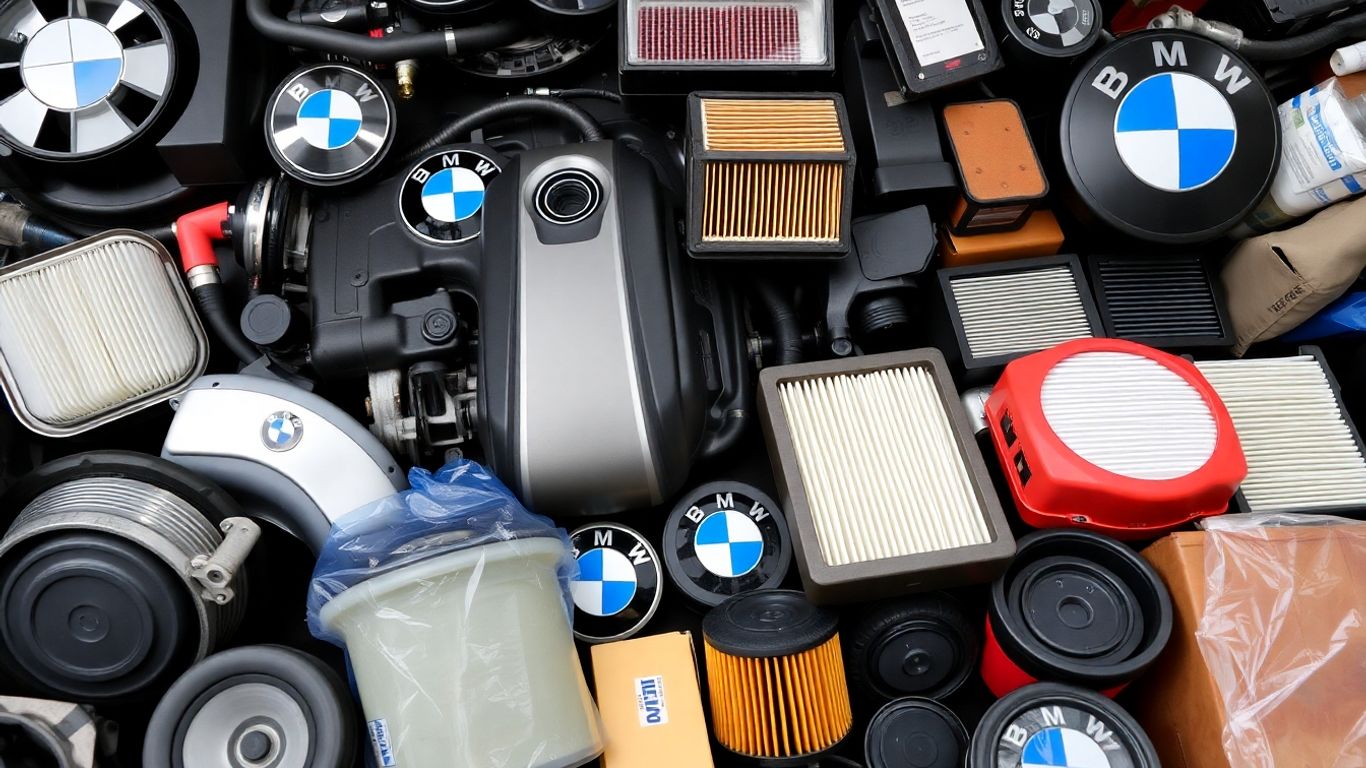
When you’re hunting for BMW parts online, you want a place that has, well, everything. It’s a real pain when you find a seller who only stocks the basics. You need a supplier with a massive catalog that covers all the bases, from common wear-and-tear items to those hard-to-find specialty components. Think about it: the more parts they have readily available, the less time your BMW spends sitting in the shop waiting for a specific piece to arrive. This means quicker repairs and happier customers, or just getting your own ride back on the road faster.
Good online stores will list parts for pretty much every BMW model and year. They should have sections for engine bits, transmission stuff, brakes, suspension, electrical components, and even body panels and interior trim. It’s not just about having a lot of parts; it’s about having the right parts for your specific car.
Finding a seller with a deep stock means you’re more likely to get what you need without having to jump between multiple websites. This saves you time and hassle, making the whole repair or maintenance process much smoother. It’s all about convenience and getting the job done right the first time.
Savings Compared to Dealership Pricing
When it comes to keeping your BMW running right, the cost of parts can add up fast. Walking into a dealership for a replacement component often means paying top dollar. They have overhead, you know? All those fancy showrooms and service bays cost money, and that gets passed on to you. This is where buying parts online, especially from places that specialize in used or recycled BMW parts, can make a huge difference for your wallet.
You can often find the exact same part you need, in good working condition, for a fraction of what the dealership charges. Think about a common part like a headlight assembly or a brake caliper. At the dealer, it might be several hundred dollars. Online, from a reputable salvage yard or parts recycler, you could be looking at half that, or even less. It’s not just about the initial price, either. When you buy new, a part depreciates the moment it’s installed. With a used part, that steep drop in value has already happened, so what you pay is closer to its actual working value.
| Part Type | Dealership Price (Est.) | Online Recycled Price (Est.) |
|---|---|---|
| Alternator | $450 | $180 |
| Radiator | $600 | $250 |
| Fuel Pump | $300 | $120 |
| Control Arm | $200 | $75 |
It really pays to do your homework and compare prices. You might be surprised at how much you can save by looking beyond the dealership. This allows you to keep your BMW in great shape without breaking the bank, making maintenance much more manageable.
OEM vs. Aftermarket Recycled Choices
When you’re looking for a replacement part for your BMW, you’ll likely run into two main categories: OEM and aftermarket recycled. OEM, which stands for Original Equipment Manufacturer, means the part was made by BMW or a company that supplies parts directly to BMW. These are usually built to the same standards as the original parts, so you can expect a good fit and the quality you’re used to. Aftermarket recycled parts, on the other hand, are made by other companies. Some of these companies make really good parts, sometimes even better than OEM, and they can often be found at a lower price. It’s a good idea to do a little digging and check reviews for aftermarket brands before you commit, though.
Choosing between OEM and aftermarket recycled parts often comes down to balancing cost, brand reputation, and specific needs.
Here’s a quick look at what you might find:
| Part Type | Typical Cost (vs. New OEM) | Quality Expectation |
|---|---|---|
| OEM Recycled | 40-70% Less | Generally high, matches original factory standards. |
| Aftermarket Recycled | 50-80% Less | Varies by brand; research is important for reliability. |
When you buy a recycled part, you’re not just saving money; you’re also giving a perfectly good component a second life. This cuts down on the need to manufacture new parts, which uses a lot of energy and resources. It’s a simple way to be a bit kinder to the planet while keeping your BMW on the road.
Inquiring About Warranties and Guarantees
When you’re looking at used or even new parts online for your BMW, don’t forget to ask about warranties and guarantees. It’s a really important step that can save you a lot of hassle down the road. A seller who stands behind their parts usually offers some kind of protection. This could be a simple return policy if the part doesn’t fit, or it might be a longer warranty that covers the part if it fails within a certain time frame after you install it.
Think about it like this: if you buy a used engine part, and it breaks a week after you put it in your car, you’re stuck. But if the seller offered a 90-day warranty, you could get your money back or a replacement. That peace of mind is worth a lot.
Here’s a quick look at what to expect:
| Type of Protection | What it Covers | Typical Duration |
|---|---|---|
| Return Policy | Part doesn’t fit, wrong item received | 14-30 days |
| Limited Warranty | Part fails due to defect | 30-180 days |
| Extended Warranty | More comprehensive coverage | Varies (often longer) |
Always read the fine print. What exactly does the warranty cover? Does it include labor if a mechanic has to remove and reinstall a faulty part? What’s the process for making a claim? A seller who is upfront about these details is usually a good sign. If they seem cagey or don’t offer any protection at all, it might be best to look elsewhere. It’s better to be safe than sorry when you’re spending money on your BMW.
Buying parts, especially used ones, can feel like a bit of a gamble sometimes. You want to make sure you’re getting something that’s actually going to work and last. Asking about warranties and guarantees is your best bet for reducing that risk. It shows the seller has confidence in what they’re selling, and it gives you a safety net if something goes wrong.
Inspecting Parts for Wear and Damage
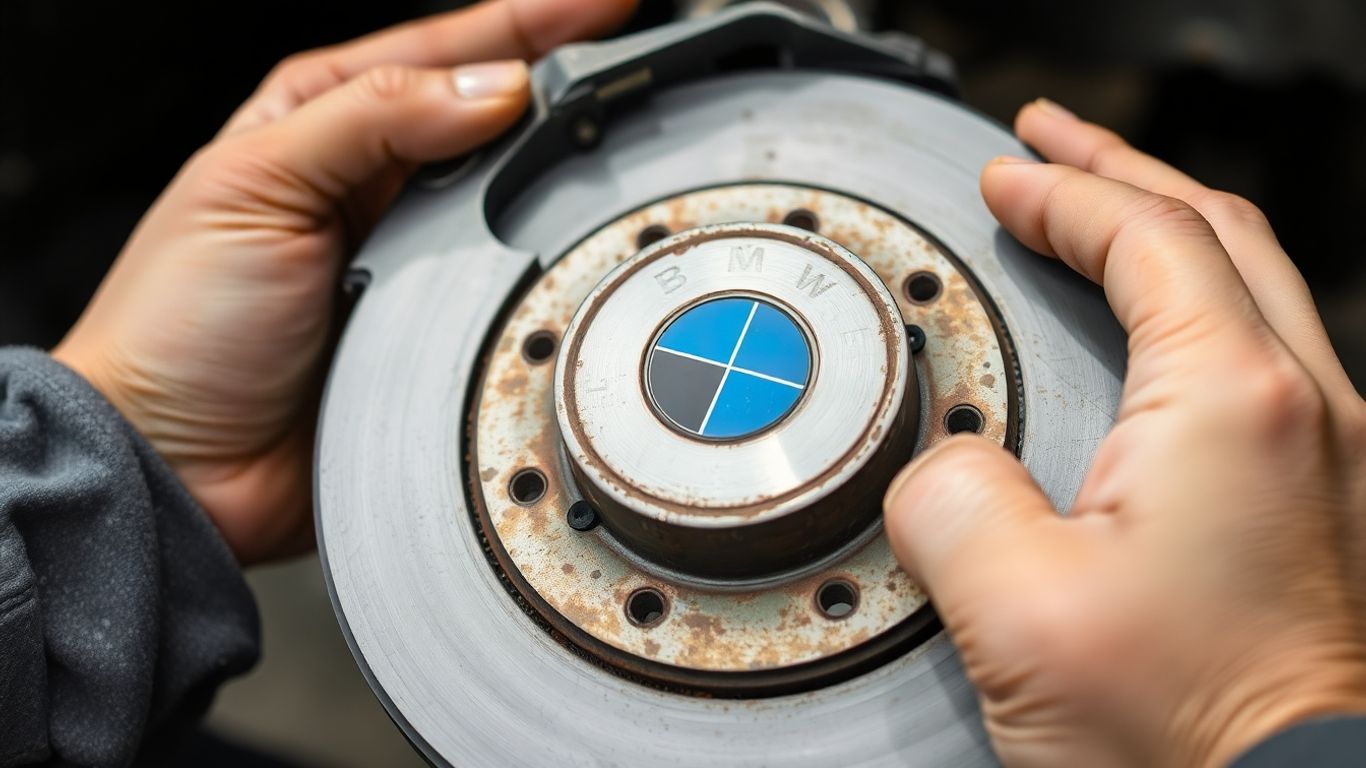
When you’re looking at used BMW parts online, it’s super important to give them a good once-over, even if the seller says they’re in great shape. Think of it like buying a used car – you wouldn’t just hand over the cash without checking it out, right? You need to be your own inspector before you buy.
For things like body panels, look closely for any signs of rust, especially in places where paint might be chipped or scratched. Even a small spot can mean rust is spreading underneath. Check for dents or bends that might not be obvious in a quick photo. If you’re looking at a mechanical part, like an alternator or a starter motor, try to see if it spins freely if possible. Listen for any grinding or rough sounds. For hoses and seals, look for cracks or signs of hardening, which means they’re likely to fail soon.
Sellers who are honest about a part’s condition will usually provide lots of clear pictures from different angles. If they’re hesitant or only show one or two blurry shots, that’s a red flag. Don’t be afraid to ask for more photos or specific close-ups of any areas that look questionable. A good seller wants you to be confident in your purchase.
When buying online, you can’t always touch and feel the part. So, pay close attention to the descriptions. Does the seller mention any specific issues, even minor ones? If they don’t mention anything, but the part looks worn in the photos, that’s something to consider. It’s better to be a little cautious and ask questions than to end up with a part that needs replacing again sooner than you’d like.
Guidance in Selecting the Correct Part
Finding the exact part you need for your BMW can sometimes feel like a treasure hunt. Most online sellers have search tools that are pretty helpful. You can usually type in your car’s model, the year it was made, and sometimes even your car’s VIN (Vehicle Identification Number) to narrow down the choices. This helps a lot in cutting down the options to just what might fit.
Don’t be afraid to ask for help if you’re still unsure; many suppliers have staff who know their stuff and can guide you. They can help you figure out if you need a specific filter, a brake part, or something a bit less common. They can also give you advice on whether an original (OEM) part or a good quality aftermarket one would be the better pick for your situation.
When you’re looking for a replacement part, it’s not just about getting something that fits. It’s about making sure your BMW keeps running the way it’s supposed to, so you can still enjoy that smooth ride. The parts you choose really do make a difference in how your car performs and feels on the road.
Sometimes, you might see parts listed as OEM or aftermarket. OEM parts are made by BMW or by a company that supplies parts directly to BMW. They’re usually built to the same standards as the original parts. Aftermarket parts are made by other companies. Some of these can be just as good, or even better, and often cost less. It’s a good idea to check out reviews for aftermarket brands before you buy, just to be sure you’re getting something reliable.
Customer Reviews and Testimonials
Before you click that ‘buy’ button for any BMW part online, take a moment to see what other people are saying. Seriously, this is where you can find out if that seller is legit or if that part actually works as advertised. It’s like getting advice from a friend who’s already been through it.
Reading reviews can save you a lot of headaches and money. You’ll often find details about the part’s fit, how long it lasted, and if the seller was easy to deal with. Sometimes, you’ll even see pictures or videos from other buyers, which is super helpful.
Here’s a quick look at what people often mention:
| Aspect | Common Feedback |
|---|---|
| Part Quality | "Fit perfectly," "Worked great for months," "Broke too soon." |
| Seller Reliability | "Shipped fast," "Good communication," "Item not as described." |
| Value for Money | "Great price," "Saved a lot compared to the dealer." |
Don’t just skim the good reviews. The bad ones can be just as informative, telling you what problems to watch out for. Sometimes a seller might have a few bad reviews but still be a solid choice if they address the issues well. It’s all about getting the full picture.
The Environmental Impact of BMW Recycled Auto Parts
When a BMW reaches the end of its road-worthy life, it’s not just scrap metal. It’s a complex machine with hundreds of components that might still have plenty of life left. Responsible wrecking yards focus on carefully taking these vehicles apart. They identify parts like engines, transmissions, body panels, alternators, and even smaller bits that are still in good shape. This careful salvaging means that usable parts get a second chance, rather than ending up in a landfill. It’s a practical way to cut down on the sheer volume of waste generated by the automotive industry. Every part that’s salvaged and reused is one less part that needs to be manufactured from scratch.
Making new car parts requires a lot of resources and energy. Mining raw materials, processing them, and then manufacturing the components all contribute to pollution and carbon emissions. By choosing recycled BMW parts, you’re directly reducing the demand for new manufacturing. This means less energy is consumed, fewer natural resources are extracted, and the overall environmental footprint of keeping your BMW on the road is significantly lowered. It’s a simple choice that has a ripple effect on the industry’s sustainability.
Cars contain various fluids like engine oil, coolant, brake fluid, and gasoline, as well as batteries. When vehicles are dismantled, these substances need to be handled with care. Reputable wrecking operations have procedures in place to safely drain and dispose of or recycle these materials. They ensure that harmful fluids don’t leak into the soil or water systems, and that batteries, which contain heavy metals, are processed correctly. This attention to detail in handling hazardous materials is a key part of the environmental benefit of using recycled auto parts.
The process of salvaging parts isn’t just about pulling things off a car; it’s about a methodical approach to resource management. It acknowledges that a vehicle’s life cycle can be extended through careful disassembly and reuse, turning potential waste into a valuable resource for other vehicle owners.
Wrapping It Up
So, buying BMW parts online doesn’t have to be a headache. By doing a little homework, checking out reviews, and knowing what you need, you can definitely find good deals. It’s all about being smart with your choices so your BMW stays in great shape without costing a fortune. Happy wrenching!