
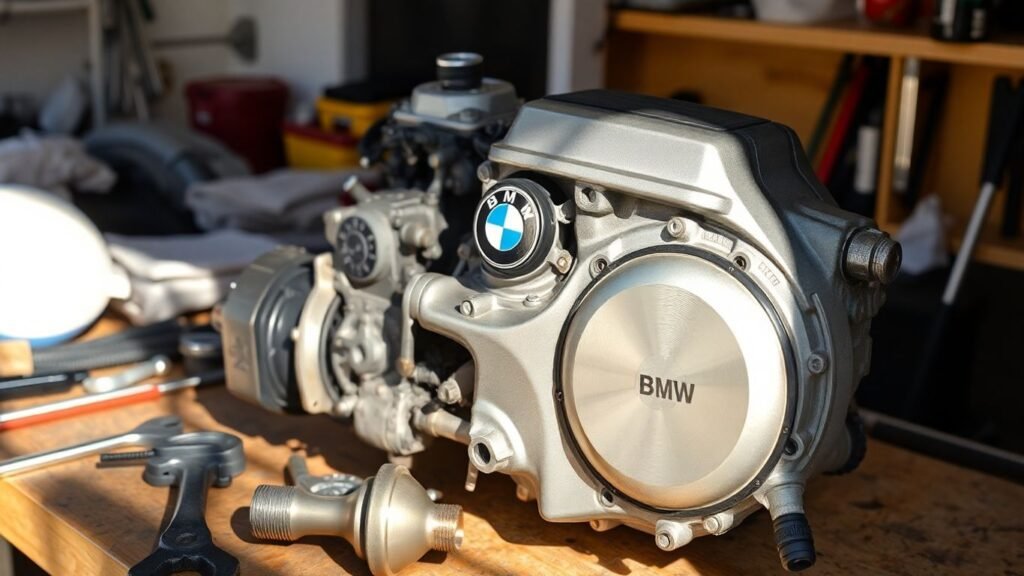
Thinking about bringing an old BMW back to life but worried about the cost? You’re not alone. Restoring a classic car can seem like a huge financial undertaking, but it doesn’t have to be. By smartly using used parts, you can significantly cut down on expenses while still achieving that showroom look and feel. This guide will walk you through how to approach rebuilding your BMW with used parts, making your dream restoration a reality without breaking the bank.
Key Takeaways
- Carefully inspect any used parts before buying. Look for damage, wear, and ensure they’re compatible with your specific BMW model.
- Online platforms like eBay Motors and dedicated BMW forums are great places to find a wide variety of used parts.
- Don’t forget local junkyards and salvage yards; sometimes you can find hidden gems for a fraction of the cost.
- When rebuilding, prioritize critical systems like the engine, transmission, brakes, and suspension for safety and performance.
- Documenting your restoration process, including all parts purchased and work done, is important for future reference and resale value.
Sourcing Quality Used BMW Parts
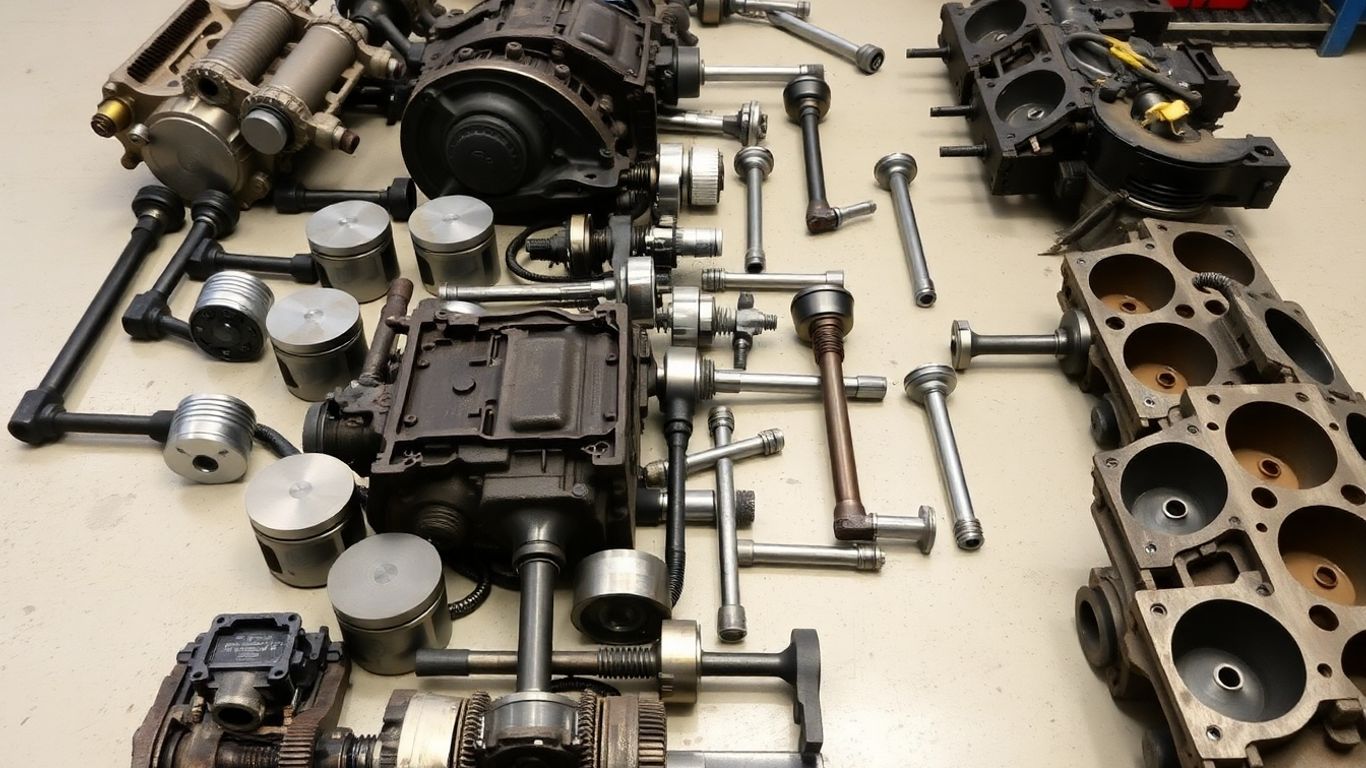
Finding the right parts for your BMW project can feel like a treasure hunt. You want good quality without paying brand-new prices. It takes a bit of digging, but it’s totally doable. The key is knowing where to look and what to check for.
Online Recyclers and Marketplaces
This is probably where most people start. Websites like eBay Motors and Car-Part.com are huge. You can find almost anything if you search hard enough. Just be sure to check seller reviews and part descriptions carefully. Sometimes you can get lucky and find someone selling a whole lot of parts for a specific model. It’s worth looking at Facebook Marketplace and Craigslist too, though you have to be more careful there. You might find a local gem, but always inspect parts in person if you can.
When buying online, always ask for part numbers and VINs if possible. This helps confirm compatibility and can give you a clue about the car the part came from. Don’t be afraid to ask the seller questions.
Local Junkyards and Salvage Yards
Don’t underestimate the old-school junkyard. Sometimes, you can find exactly what you need sitting on a shelf, waiting for you. It’s a bit more hands-on; you might have to pull the part yourself. This is great for common wear items or body panels. Call ahead to see if they have BMWs in stock, and what their policies are for pulling parts. It can be dirty work, but the savings can be significant.
Wholesale OEM Suppliers
These guys are a bit different. They often deal with larger shops, but some will sell to the public. They might have access to new old stock (NOS) parts or surplus OEM parts. The prices can be better than a dealership, but you’re still looking at OEM quality, which is usually top-notch. It’s worth checking if there are any reputable wholesale suppliers in your area. They might not have a huge online presence, so a phone call could be your best bet.
Essential Tools for Your BMW Restoration
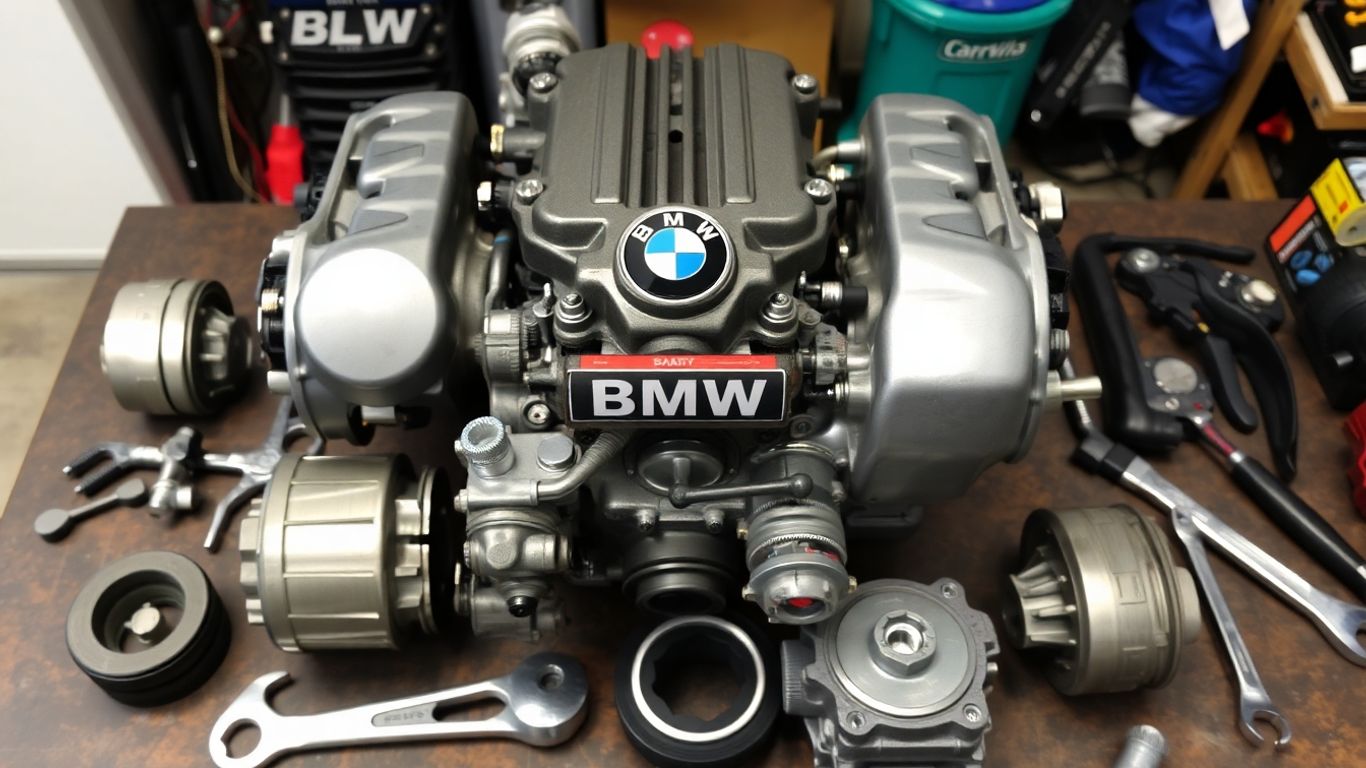
Getting your BMW back in shape means having the right gear. You don’t need a professional shop, but a few key tools will make the job much easier and help you avoid mistakes. Think of this as your basic toolkit for bringing a classic BMW back to life.
Diagnostic and Inspection Tools
Before you start wrenching, you need to know what’s wrong. A good OBD2 scanner is a must-have for any BMW from the mid-90s onward. It plugs into your car’s diagnostic port and can read trouble codes, giving you a starting point for repairs. Beyond that, a simple flashlight and a mechanic’s stethoscope can help you pinpoint noises or leaks. Don’t forget a good set of eyes and a methodical approach; sometimes the simplest inspection reveals the biggest problems.
A thorough inspection checklist is your best friend. Go over the frame, suspension, brakes, engine, and all the electronics. Knowing the full scope of work upfront saves time and money down the road.
Mechanical and Repair Tools
This is where the bulk of your toolkit will come from. You’ll need a solid set of metric wrenches and sockets, from small sizes for sensors to larger ones for suspension components. A torque wrench is non-negotiable for tightening bolts to the correct specification, especially on critical parts like the engine and suspension. You’ll also want a good breaker bar for stubborn bolts, a set of screwdrivers, pliers, and wire cutters. For bodywork, panel removal tools are handy to avoid damaging trim pieces.
| Tool Type | Common Uses |
|——————|————————————————-|-
| Socket Set (Metric)| Engine, suspension, brake work |
| Wrench Set (Metric)| Various bolts and nuts |
| Torque Wrench | Engine internals, suspension, wheel bearings |
| Screwdriver Set | Interior trim, electrical connections |
| Pliers | Gripping, cutting, bending |
| Panel Removal Kit| Interior trim, exterior moldings |
Specialty Tools for BMWs
While many tools are universal, BMWs sometimes require specific items. For older models, you might need a special tool to remove the fuel pump or work on the cooling system. If you’re doing significant engine work, an engine hoist might be necessary, though you can often rent these. For brake jobs, a brake caliper piston tool can be helpful. Always check BMW-specific forums or repair manuals for any unique tools required for your particular model. Having the right tool for the job not only makes the work faster but also prevents damage to delicate components.
Engine and Drivetrain Rebuilding
This is where things can get really involved, but also really rewarding. Getting the heart of your BMW beating strong again is a major step. We’re talking about the engine and everything that makes the wheels turn – the transmission, driveshaft, differential, and axles.
Engine Block and Cylinder Head Considerations
When you’re looking at the engine itself, the block and the head are the big players. You might find a used engine that looks good on the outside, but you really need to dig deeper. Checking for cracks, warping, or excessive wear is super important. Sometimes, you can get a used block or head that’s already been machined, which can save you a lot of time and money. Things like decking the block or head to make them flat again are common procedures. You also have to think about the compression ratio and how that might change if you mill too much off. Valve pockets in the pistons might need to be cut if you’re changing things up, like using a different camshaft. It’s a balancing act to get everything to work together without parts hitting each other.
Rebuilding an engine isn’t just about slapping new parts in. It’s about understanding how each component interacts and making sure they’re all in sync. A good rebuild means the engine runs smoothly, has good power, and won’t leave you stranded.
Transmission and Clutch Overhaul
Your transmission is another complex beast. A used transmission might seem okay, but it could have worn gears or seals that are about to give up. Cleaning it up is a good first step – you’d be surprised what gunk can hide leaks. Replacing seals on the input and output shafts, and the shifter shaft, is often a good idea while it’s out. The clutch system is tied into this, of course. You’ll want to check the flywheel, pressure plate, and friction disc. Replacing the rear main seal on the engine and the pilot bearing behind the flywheel are jobs best done when the transmission is out anyway. Don’t forget the clutch slave cylinder and hydraulic line; these can fail too.
Fuel System and Intake Plumbing
While you’re in the engine bay, don’t overlook the fuel and intake systems. Old fuel lines can get brittle and leak, which is a fire hazard. Injectors can get clogged, leading to poor performance. The intake manifold might need cleaning, and any vacuum hoses should be inspected for cracks. Even something as simple as an oxygen sensor in the exhaust can cause issues if it’s old and crusty. Sometimes, these sensors seize up so badly that you need special tools, or even a mechanic, to get them out. Replacing them with anti-seize on the threads makes the next replacement much easier.
| Component | Common Issues | Replacement Strategy |
|---|---|---|
| Fuel Lines | Cracks, leaks, brittleness | Replace with new rubber or braided lines |
| Fuel Injectors | Clogging, inconsistent spray patterns | Clean or replace with new/rebuilt units |
| Intake Manifold | Gasket leaks, carbon buildup | Clean, replace gasket, check for cracks |
| Vacuum Hoses | Cracks, collapse, leaks | Replace all suspect hoses |
| Oxygen Sensor | Fouling, slow response, seizing | Replace, use anti-seize on new sensor threads |
Suspension and Brake System Refresh
Alright, let’s talk about getting your BMW’s suspension and brakes feeling right again. This is where the car really connects with the road, so it’s not something to skimp on. If your ride feels floaty, clunky, or just plain unsafe, it’s probably time to look at these systems.
Replacing Springs and Shocks
When you’re looking at worn-out suspension, the springs and shocks (or struts, depending on the corner of the car) are usually the first things to show their age. Over time, springs can sag, making the car sit lower than it should and messing with the handling. Shocks and struts lose their ability to control the spring’s movement, leading to that bouncy, uncontrolled feeling. You might notice leaks from the shock bodies or just a general lack of damping. Replacing these can make a world of difference. You can go with stock replacements, or if you want a sportier feel, there are aftermarket options that can lower the car a bit or stiffen things up. Just remember, if you lower the car, make sure it’s still practical for your daily driving.
When you pull apart your suspension, take a good look at all the rubber bits. Bushings, mounts, and pads often dry out and crack with age. These small parts play a big role in how the suspension feels and sounds. Replacing them along with the main components is usually a good idea.
Subframe and Bushing Maintenance
Underneath your BMW, you’ll find subframes that hold major suspension components. These subframes are usually attached to the car’s body with rubber bushings. These bushings isolate vibrations and noise, but like everything rubber, they degrade over time. When they get old and worn, you might hear clunks, feel vibrations, or notice sloppy handling. Replacing these bushings can be a bit more involved than just swapping out shocks, sometimes requiring the subframe to be removed or supported. It’s a job that can really tighten up the car’s feel.
Brake System Components
Your brakes are obviously super important for safety. When working on them, you’ll encounter a few key parts. First, there are the brake hoses – the flexible rubber lines that connect the rigid metal lines to the calipers. These can crack and weaken with age, which is a big no-no. Upgrading to steel-braided hoses can give you a firmer pedal feel. Then you have the hard lines that run along the car; these can rust or get damaged. Make sure they’re routed correctly and aren’t rubbing on anything. Don’t forget the parking brake system, which often uses cables that can stretch or break. And of course, there are the pads, rotors, and calipers themselves. If the brake warning light is on, it could be a worn sensor or a wiring issue, so check those too. A full brake fluid flush and bleed is also a good idea to get fresh fluid circulating and ensure a solid pedal feel.
Exterior Body and Cosmetic Repairs
Fixing up the outside of your BMW is where things start to look really rewarding. It’s not just about making it pretty, though; it’s about stopping rust in its tracks and making sure the body is solid. You’ll likely run into a few common issues when working with older cars.
Addressing Paint Imperfections
Paint problems are pretty common on cars that have seen better days. You might find rust spots that need attention, or areas where the clear coat has failed. For rust, you’ll want to cut out the bad metal and weld in new pieces. After that, it’s all about body filler to smooth things out, followed by primer, color coat, and clear coat. Getting the paint to blend well is the main goal here, not necessarily a show-car finish. If you have clear coat failure, sanding the area down to blend the edges and then reapplying primer, color, and clear can make a big difference. Sometimes, you can even fix minor issues like orange peel by wet sanding and buffing.
Working with paint can be messy. Make sure you have good ventilation and wear a respirator. Masking off areas properly is key to getting clean lines and avoiding overspray on parts you don’t want painted.
Replacing Damaged Body Panels
Rust loves to hide in places like floorboards, rocker panels, and wheel arches. You might find holes that need patching or entire sections that need replacing. For example, a rusted-out rocker panel will need a new piece of metal welded in. Wheel arches can be tricky, sometimes requiring you to fabricate new inner and outer sections to match the original shape. Even smaller things like a cracked air dam or a broken spring perch might need replacement parts. Don’t forget about the battery box area in the trunk; rust can eat through there too.
| Area Repaired | Common Issue | Repair Method |
|---|---|---|
| Rocker Panels | Rust-through | Cut out rust, weld in new metal patch |
| Wheel Arches | Rust, moisture damage | Fabricate and weld new inner/outer panels |
| Floorboards | Rust holes | Weld in new metal sections |
| Battery Box/Fascia | Rust hole | Re-form box, reconstruct fascia |
| Spring Perch | Rust hole | Weld in reinforcing patch |
Restoring Lighting Components
Lighting is another area that often needs some love. Cracked fog light lenses or inoperable units are common. Sometimes previous owners have done questionable
Interior Restoration and Electronics
Bringing the inside of your BMW back to life can make a huge difference in how it feels to drive. It’s not just about looks; it’s about comfort and making sure everything works like it should. We’ll look at seats, the dashboard, and all those little electronic bits that can make or break the experience.
Revitalizing Seats and Upholstery
Seats often take a beating over the years. Finding good used seats can be a win, but they might still need some love. Sometimes, the foam underneath is still okay, which is a relief. You might need to replace the seat covers entirely. This can be a bit of a finger workout, stretching new leather or vinyl over the frames. After getting the new covers on, a heat gun and a damp towel can help smooth out wrinkles. Don’t forget the steering wheel! Recovering one might seem tricky, but with some scrap leather and a sewing kit, you can make a big improvement. It’s a tedious job, but the result is worth it.
Instrument Cluster and Gauge Repair
That dashboard is the centerpiece of your interior, and a cracked or worn one really dates the car. Replacing the whole dashboard can be a messy job, but the visual payoff is huge. It really makes the interior feel new again. While you’re in there, check out the instrument cluster. Sometimes the gauges work fine, but the odometer might be stuck. Replacing small gears inside the odometer can get it ticking again. It’s satisfying to see all the lights and gauges working as they should.
Fixing up the interior often involves dealing with old wiring. The wiring harness is usually one of the last things to come out and the first to go back in, especially if the car is getting painted. It can seem daunting, but with patience, most wiring issues can be sorted out.
Functional Interior Components
Beyond the main parts, there are lots of smaller things that add up. Things like window regulators can break, leaving a window stuck. Replacing these with used parts is common. Even the radio antenna might get stuck, often due to a previous owner’s quick fix. Finding replacement parts for these can bring back some nice features. Also, check the blower motor for the heating and cooling system; a missing fan cage means no airflow. Broken interior door handles are usually easy and cheap to swap out. Don’t overlook the parcel shelf where speakers mount; finding one with original speaker boxes can give a more finished look.
Navigating the Rebuilt Title Process
So, you’ve put in the sweat, the tears, and probably a good amount of your savings to get your BMW back in shape. That’s awesome! But before you can legally drive it on the road again, there’s one more hurdle: getting a rebuilt title. This process can seem a bit daunting, but it’s really about proving your car is safe and roadworthy after a major repair.
Pre-Inspection Requirements
Before you even think about going to the DMV, you need to make sure your car is actually ready for inspection. This means all the major repairs are done and done right. Think about it: the inspectors are looking for safety issues. You’ll want to have your frame and alignment checked out, make sure the suspension and brakes are solid, and that the engine and transmission are running smoothly. Don’t forget the electrical stuff – all the lights, signals, and especially airbags need to be working correctly. A clean bill of health from your own thorough checks is your best first step. It’s also a good idea to take the car for a decent test drive to catch any little quirks you might have missed during the build.
State DMV Procedures
This is where things can get a little different depending on where you live. Every state has its own set of rules for getting that rebuilt title. Generally, you’ll need to bring in the original salvage title you got when you bought the car. You’ll also need to show proof of all the work you did. This usually means keeping all your repair receipts for parts and any labor you paid for. Some states might even want photos of the car before and during the repair process. Then comes the official state inspection. This is usually done by a certified inspector who will go over your car with a fine-tooth comb. Once you pass that, you’ll pay the necessary fees to get your new, rebuilt title.
It’s always best to check your specific state’s Department of Motor Vehicles (DMV) website. They usually have a section dedicated to salvage and rebuilt titles with all the exact requirements and forms you’ll need. Don’t be afraid to call them if something isn’t clear.
Documentation and Inspections
Good record-keeping is your best friend here. You’ll want to have a clear paper trail for everything. This includes the original salvage title, all receipts for parts and supplies, and any invoices from mechanics if you used outside help. If you took photos during the restoration, those can be helpful too. The official inspection is the big one. They’ll be looking at things like the structural integrity of the vehicle, the functionality of the safety systems (brakes, airbags, lights), and often emissions. Some states might require a VIN verification as well. Having all your ducks in a row with documentation makes the inspection process much smoother. It shows you’ve been diligent and taken the process seriously.
Was It Worth It?
So, you’ve gone through the whole process of finding parts, fixing things up, and maybe even getting a rebuilt title. It’s a lot of work, for sure. But looking at that finished BMW, knowing you brought it back to life yourself, is a pretty great feeling. It might not be perfect, and there might always be a little something else to tweak, but you’ve got a solid car that runs well and looks good. Plus, you probably saved a good chunk of change compared to buying something similar off the lot. It’s a rewarding way to keep these cars on the road and enjoy them for years to come.