
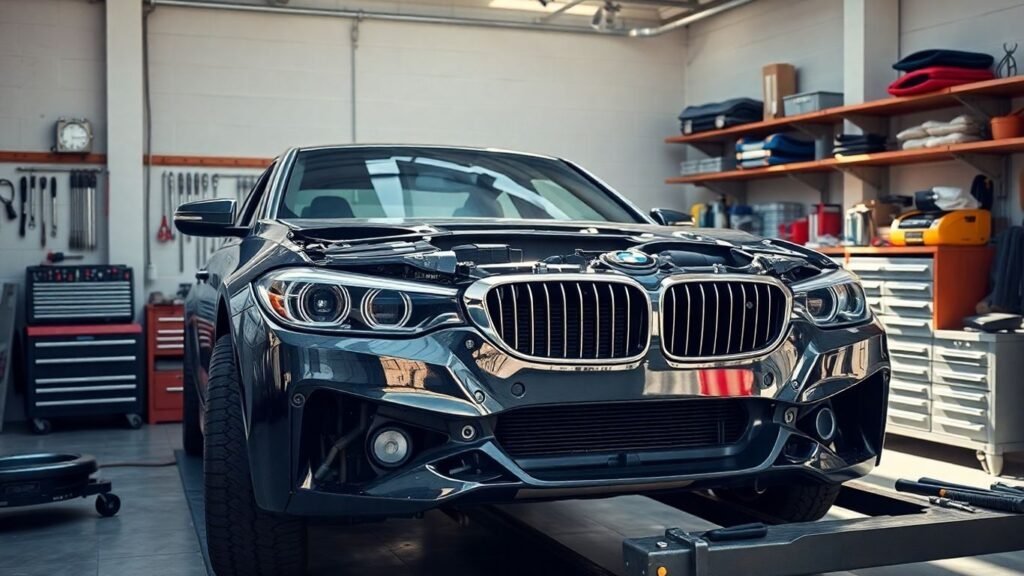
So, you’ve got a BMW project going on, huh? Maybe it’s a classic you’re bringing back to life, or perhaps a daily driver that needs a little TLC. Whatever the case, you know that BMW parts can get pretty pricey. That’s where the world of BMW salvage parts online comes in. It’s a smart way to find what you need without emptying your wallet. But, like anything, you want to make sure you’re getting good stuff, not just junk. Let’s talk about how to find quality used BMW parts for your car.
Key Takeaways
- Buying used BMW parts can save you a lot of money compared to new ones, especially for common repairs.
- Look for reputable online sellers and salvage yards that test their parts and offer some kind of warranty.
- Always double-check part numbers and use VIN checkers to make sure the salvaged component will fit your specific BMW.
- Common repairs like cooling system issues, oil leaks, and suspension problems are good candidates for using salvage parts.
- Comparing prices and understanding any available warranties can help you get the best value from BMW salvage parts online.
Finding Quality BMW Salvage Parts Online
So, you’re looking to fix up your BMW, maybe give it a new life, or perhaps just get it back on the road without emptying your wallet. That’s where the world of used BMW parts comes in. It’s a smart move, really. Instead of shelling out big bucks for brand new components, which let’s be honest, can cost a small fortune for a BMW, going the salvage route can save you a ton of cash.
Why Choose Used BMW Parts
Think about it: BMWs are built with quality in mind, and many parts are designed to last. When a car is retired, often it’s not because every single part failed. More likely, it was a major issue, or maybe just age. This means perfectly good components are often available. Buying used parts is a practical way to keep your BMW running without the premium price tag of new ones. It’s good for your budget and, honestly, it’s a bit more environmentally friendly too, giving parts a second life.
The Cost of BMW Repairs
Let’s not sugarcoat it, BMW repairs aren’t cheap. They use high-quality materials and advanced engineering, which translates to higher costs when something needs replacing. Specialty parts that aren’t common on other cars, plus the premium brands they often use like Bosch, all add up. Even simple things can get pricey when you factor in labor and the cost of the part itself. It’s not uncommon for a single repair to run into hundreds, or even thousands, of dollars.
Benefits of Sourcing BMW Salvage Parts Online
Going online to find these used parts opens up a whole new world. You’re not limited to what’s available at your local junkyard, which might not even have a BMW. Online marketplaces give you access to a much wider selection. You can compare prices from different sellers, find specific models or years you need, and often get detailed descriptions and even photos of the parts. It makes the whole process of finding that specific sensor or that hard-to-find trim piece much more manageable. Plus, many online sellers specialize in European cars, so they know their stuff.
When you’re hunting for used BMW parts online, it’s easy to get overwhelmed. But remember, many parts are still perfectly functional even if the car they came from is no longer on the road. The key is finding a reliable source that tests their components.
Navigating Online Marketplaces for BMW Salvage
Identifying Reputable Salvage Yards
When you’re hunting for used BMW parts, finding a salvage yard you can trust is pretty important. You don’t want to end up with a part that’s barely functional or, worse, completely useless. Look for yards that have been around for a while and have a solid reputation. A good sign is a yard that tests its parts before selling them. Some places even offer a warranty, which is a big plus. It’s worth spending a little extra time researching to avoid headaches down the road. Think about it like this: you wouldn’t buy a used car without checking its history, right? Same idea applies here.
Ensuring Part Authenticity and Quality
Getting the right part is one thing, but making sure it’s actually good quality is another. For BMWs, this often means looking for Original Equipment Manufacturer (OEM) parts if possible, even when buying used. These are parts made by BMW or for BMW, so they’re designed to fit and perform correctly. If OEM isn’t available or is too pricey, look for parts from well-known aftermarket brands that supply BMW. Many online sellers will clearly state if a part is OEM or aftermarket, and they might even mention the brand. Always check the part’s description carefully. Sometimes, a seller might even provide test results or details about how they checked the part’s condition.
Don’t be afraid to ask questions. A good seller will be happy to provide more information about a part’s history or condition. If they seem hesitant or can’t provide details, it might be best to look elsewhere.
Understanding Seller Reviews and Ratings
Online reviews and ratings are your best friends when shopping for used BMW parts. They give you a peek into what other customers have experienced with a particular seller. Look for patterns in the reviews – are people consistently happy with the quality of parts, the shipping speed, and the customer service? Pay attention to both the positive and negative feedback. Sometimes, a few negative reviews are normal, especially for busy sellers, but if there are a lot of complaints about faulty parts or poor communication, that’s a red flag. A seller with a high rating and a good number of positive reviews is usually a safe bet. It’s like getting recommendations from friends, but for car parts.
| Feature | Rating Scale | What to Look For |
|---|---|---|
| Overall Rating | 1-5 Stars | Consistently 4 stars or higher |
| Part Quality | Comments | Mentions of good condition, OEM, or reliable brands |
| Shipping Speed | Comments | Parts arriving on time or early |
| Customer Service | Comments | Responsive, helpful, and easy to deal with |
Essential BMW Components Available as Salvage
Engine and Transmission Salvage Options
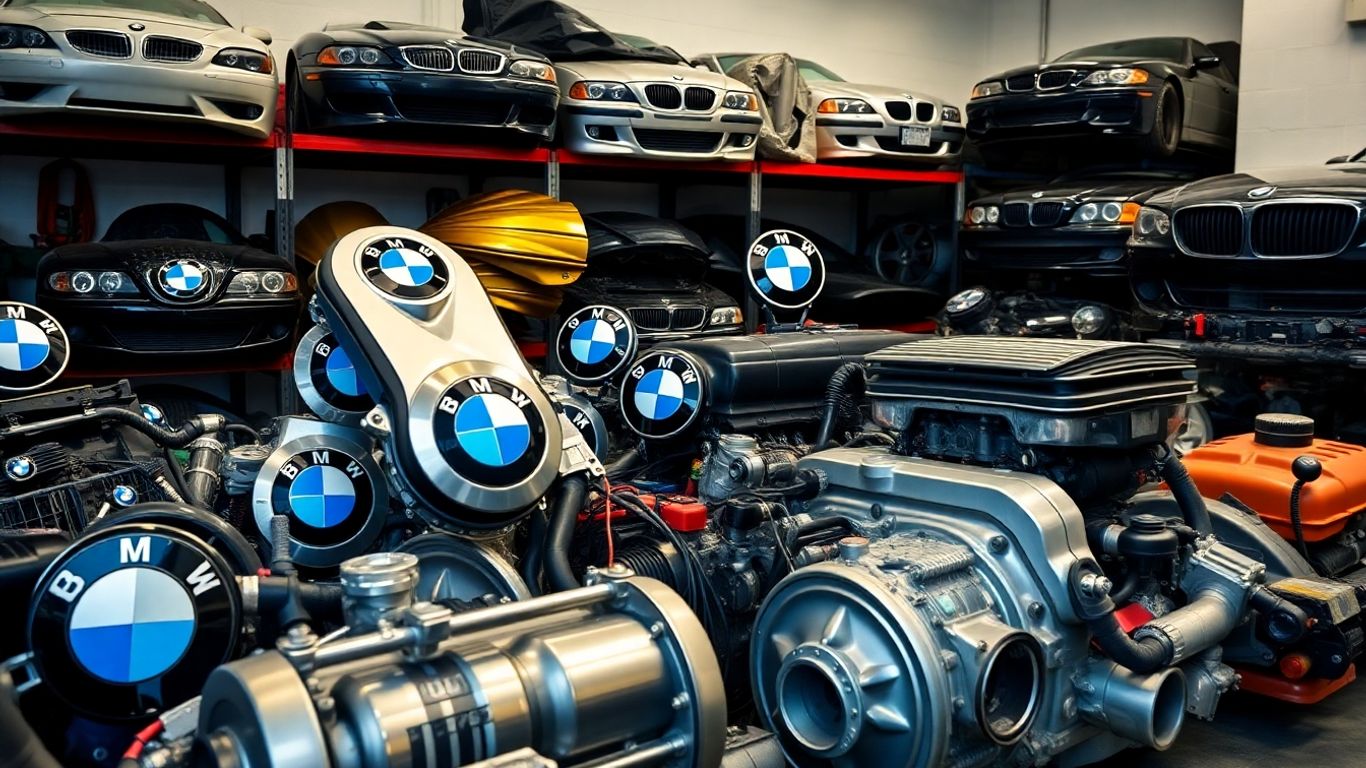
When your BMW needs a new heart or a smoother shift, looking at used engines and transmissions can save a significant amount of money. Many common BMW engine issues, like timing chain rattles on models such as the N20 or N55, or oil leaks from valve covers and oil filter housings, can often be fixed with individual salvage components. Similarly, if your Steptronic transmission is acting up, perhaps due to a mechatronic unit issue, a pre-owned transmission can be a smart alternative to a costly new one. You can find everything from used M3 engines to transmissions for an X5, often with a warranty to give you some peace of mind.
Sourcing a used engine or transmission requires careful attention to the specific model and year of your BMW to ensure compatibility. Always check the part’s history and condition if possible.
Suspension and Drivetrain Components
Keeping your BMW handling like the ultimate driving machine means paying attention to its suspension and drivetrain. Worn control arms, bushings, or ball joints can lead to clunks and alignment problems. Instead of buying new, you can often find quality used control arm kits or individual bushings from reputable salvage yards. Drivetrain parts like CV axles, driveshafts, and wheel bearings are also commonly available. These components are built to BMW’s precise standards, and finding a good used part can restore that smooth, quiet ride without breaking the bank.
Electrical and Body Parts for Your BMW
Beyond the mechanicals, many electrical and body parts for your BMW are readily available on the salvage market. Need a replacement headlight assembly, a window regulator, or a specific body panel? Salvage yards are a great place to look. Even smaller electrical components like mass airflow sensors, ignition coils, or climate control actuators can be found. These parts are often manufactured by well-known suppliers like Bosch or Hella, and sourcing them used can be a cost-effective way to fix electrical gremlins or cosmetic damage on your vehicle.
Ensuring Fitment and Compatibility
So, you’ve found a part that looks like it’ll work for your BMW project. That’s great, but before you hit that ‘buy’ button, you really need to double-check if it’s actually going to fit. Buying the wrong part is a waste of time and money, and nobody wants that. Getting the fitment right the first time saves a lot of headaches.
Utilizing VIN Checkers for Accuracy
Many online salvage yards and parts sellers offer a Vehicle Identification Number (VIN) checker. This is a super handy tool. You just punch in your BMW’s VIN, and it can help filter parts that are specifically made for your car’s year, model, and even its specific options. It’s like a direct line to knowing if that alternator or brake caliper is the right one. It takes the guesswork out of it.
Confirming Part Numbers Before Purchase
Even with a VIN checker, it’s always a good idea to confirm the part number. Your BMW will have a specific part number for almost every component. You can usually find this number on the old part itself, or by looking it up in a BMW parts catalog. Cross-referencing this number with the part number listed by the seller is the most reliable way to make sure you’re getting exactly what you need. It might seem like a small detail, but it’s a big deal.
Leveraging Online Fitment Tools
Beyond VIN checkers, some websites have more advanced tools. You might be able to input your car’s details and then see a list of compatible parts. These tools often pull from extensive databases that map parts to specific vehicle configurations. Some sites even let you compare part numbers directly within their system. It’s all about making sure that the part you’re buying is a perfect match for your specific BMW model and year.
Sometimes, even within the same model year, BMW might use different parts depending on the production date or specific options package. Always check the manufacturing date of the part if possible, or consult with the seller if you’re unsure. A little extra verification goes a long way in avoiding a costly mistake.
Common BMW Repairs with Salvage Parts
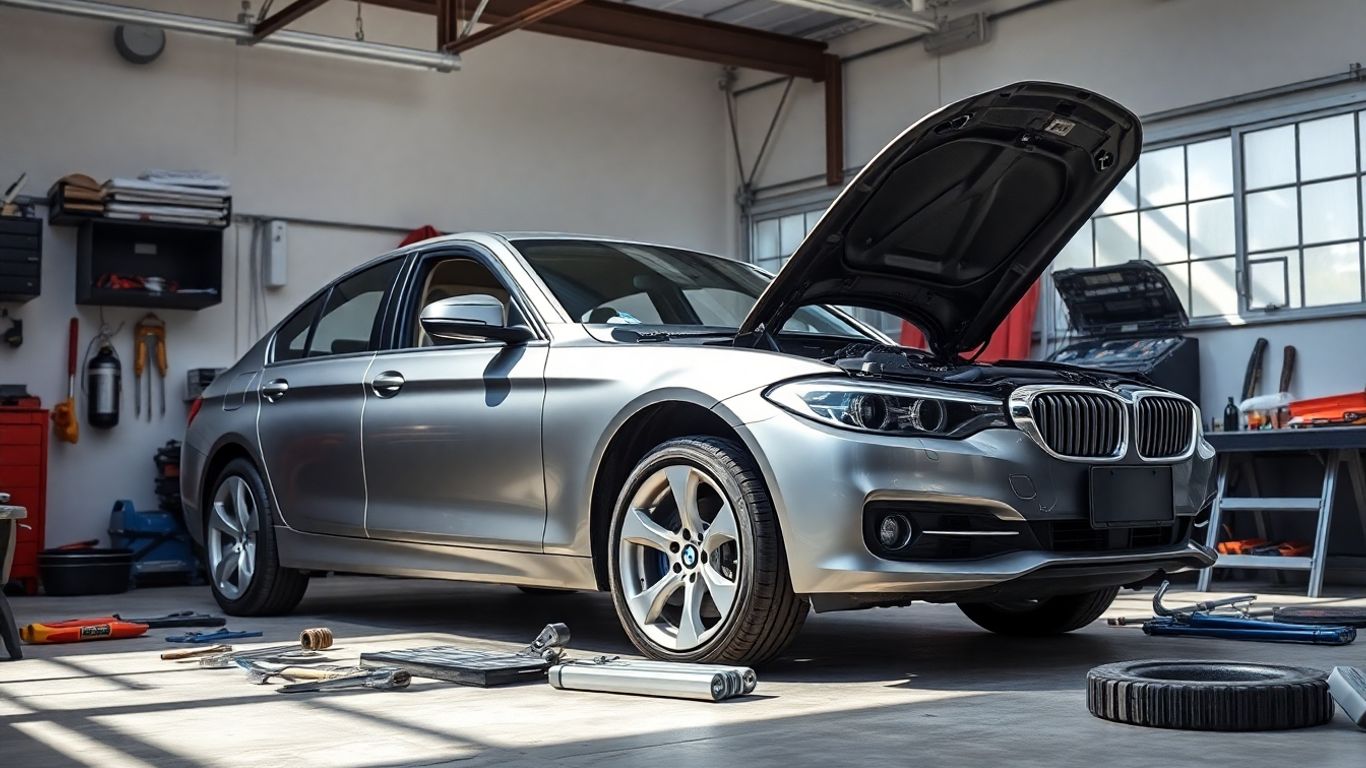
When your BMW needs some work, it’s not always about the big, flashy engine upgrades. Sometimes, it’s the everyday stuff that needs attention, and that’s where salvage parts really shine. Think about common issues that pop up on these cars. For instance, cooling system failures can be a real headache. Overheating can lead to all sorts of other problems, and replacing things like water pumps, thermostats, or even expansion tanks with used parts can save you a bundle. It’s a smart way to get your car back to running cool without breaking the bank.
Then there are those pesky oil leaks. BMWs can sometimes develop leaks from the valve cover gasket or the oil filter housing. These aren’t usually catastrophic, but they need fixing. Finding a good used valve cover or oil filter housing can be a much more affordable option than buying new, especially if you’re doing the work yourself. It keeps your engine bay cleaner and prevents oil loss.
Suspension issues are another big one. Clunks, rattles, or a general feeling of looseness in the steering often point to worn bushings or ball joints. You can often find perfectly good control arms or suspension components from a salvage yard that will restore that tight, responsive BMW feel. It’s a practical way to address wear and tear without the premium price tag of brand-new suspension parts.
Fixing common problems with used parts isn’t just about saving money; it’s about being practical. You’re getting functional components that have already proven their worth, and by choosing a reputable source, you can be confident in their condition. It’s a win-win for keeping your BMW on the road.
Here’s a quick look at some parts often replaced using salvage options:
| Component Type | Common Issues Addressed | Salvage Part Examples |
|---|---|---|
| Cooling System | Overheating, coolant leaks | Water pump, thermostat housing, radiator hoses |
| Engine Gaskets | Oil leaks, vacuum leaks | Valve cover gasket, oil filter housing, intake manifold gaskets |
| Suspension | Clunks, poor handling, alignment issues | Control arms, ball joints, sway bar links, strut mounts |
| Electrical | Sensor failures, intermittent issues | Mass airflow sensor, ignition coils, ABS sensors, window regulators |
Maximizing Value with BMW Salvage Parts Online
Comparing Prices for Used BMW Parts
When you’re looking to fix up your BMW without breaking the bank, hunting for used parts online is a smart move. It’s not just about finding a cheaper alternative; it’s about getting the most bang for your buck. You’ll find that prices can really swing depending on where you look and the condition of the part. Doing a little price comparison shopping across different online salvage yards can save you a significant amount of money. Some sites might have a great deal on an engine component, while another has a better price on a suspension part. It pays to spend a bit of time checking out a few different vendors before you commit to a purchase. Think of it like grocery shopping – you wouldn’t just grab the first thing you see, right? You check the flyers, compare brands, and look for sales. The same applies here.
Understanding Warranties on Salvage Components
It’s easy to get excited about a low price, but don’t forget to look into what kind of warranty, if any, comes with that used part. Some salvage yards offer a basic warranty, maybe 30 or 90 days, which can give you some peace of mind. This means if the part fails shortly after you install it, you might be able to get a replacement or your money back. Others might sell parts as-is, meaning once you buy it, it’s yours, no take-backs. Always read the fine print on the seller’s return and warranty policy before you click ‘buy’. A slightly higher price for a part with a decent warranty can often be a much safer bet in the long run.
Buying used parts is a great way to save money on BMW repairs. However, it’s important to remember that these are pre-owned components. While many are in excellent condition, there’s always a chance of unforeseen issues. A warranty can act as a safety net, protecting your investment and reducing the stress of unexpected problems after installation.
The Role of Expert Curation in Kits
Sometimes, instead of buying individual parts, you can find pre-assembled kits for common BMW repairs. These kits are often put together by people who really know their stuff about BMWs. They’ll include all the necessary bits and pieces you’ll need for a specific job, like a cooling system overhaul or a brake job. This saves you the hassle of trying to figure out every single little bolt, gasket, or sensor you might need. Plus, these curated kits often come from reputable suppliers, so you’re getting quality components that are known to work well together. It’s a way to streamline the repair process and often get a better overall value than sourcing each item separately.
Wrapping Up Your BMW Project
So, you’ve got a BMW project in mind, and you’re looking for the right parts without breaking the bank. We’ve talked about how BMWs can be pricey to fix, but finding good used or aftermarket parts online makes a big difference. Websites that offer a wide selection, like OEM and quality aftermarket options, can really help. Plus, using tools to check if a part fits your specific car takes a lot of the guesswork out of it. Don’t forget to look for places that have good reviews and maybe even a warranty on their parts. It means you can get your BMW back on the road or finish that project with more confidence and less stress.