Just BMW

Blog

Your blog category

BMW car emblem with auto parts
Blog

Unlock Savings: Top Tips for Buying BMW Parts Online

So, you’re looking to buy parts for your BMW online and want to make sure you’re getting a good deal without getting ripped off? It can feel a bit like a minefield out there, with so many options and things to consider. We’ve put together some straightforward advice, covering the top tips for buying BMW parts online, to help you find exactly what you need and keep your car running right. Key Takeaways Always check out the seller first. See what other people say about them online. A seller with good reviews is usually a safe bet. When possible, look for genuine OEM parts. They’re made to fit your BMW perfectly and work the way they should. Compare prices! Online stores and places that sell used parts are often much cheaper than dealerships. Before you buy, especially if it’s a used part, ask for clear pictures and check it over carefully for any damage or wear. Don’t forget to ask about warranties. A seller who stands behind their parts with a guarantee makes the purchase much less risky. Research Reputable Sellers When you’re hunting for BMW parts online, especially if you’re trying to save some cash, finding a seller you can actually trust is pretty important. It’s not just about the price tag; it’s about getting a part that works and won’t cause more problems down the road. Think about it like this: you wouldn’t buy a used car from just anyone, right? The same goes for car parts. Look for sellers who have a solid history and good feedback from other buyers. Websites often have review sections, and taking a few minutes to read what people are saying can tell you a lot. Are they honest about the condition of the parts? Do they ship quickly? Do they handle returns without a fuss? These details matter. Some sellers specialize in BMWs, which can be a big plus because they often know the ins and outs of these cars better than a general auto parts store. They might even be able to offer advice based on common issues for your specific model. Finding a reliable source for your BMW parts online means you’re more likely to get a component that fits correctly and performs as expected. It cuts down on the frustration of ordering the wrong thing or receiving a part that’s already on its last legs. A good seller is one that makes the process straightforward and offers support if you need it. It can be helpful to compare a few different sellers. You might find that one has a wider selection, while another offers better shipping rates or has more positive reviews. Don’t be afraid to reach out to their customer service with questions before you buy. How they respond can be a good indicator of the kind of service you can expect if something goes wrong. Guaranteed Genuine OEM Quality When you’re looking for BMW parts online, sticking with genuine Original Equipment Manufacturer (OEM) quality is a big deal. Think about it – these are the exact same parts that went into your car when it was brand new. They’re made to BMW’s specific standards, so you know they’ll fit right and work the way they’re supposed to. Using anything less can sometimes lead to problems down the road, like parts not fitting correctly or not lasting as long as they should. It’s really about keeping your BMW running like a BMW. The integrity of your vehicle relies on parts that meet exact engineering specifications. Non-OEM components might seem like a good idea at first, but they can sometimes cause performance issues or even safety concerns later on. Choosing genuine OEM parts means you’re not compromising on the quality that makes a BMW a BMW. It’s about maintaining that perfect fit, peak performance, and all the safety features the car was designed with. You want to be sure that whatever you put into your car will uphold its reputation for reliability and performance. It just makes sense to go with what the manufacturer intended. A Comprehensive Inventory When you’re hunting for BMW parts online, you want a place that has, well, everything. It’s a real pain when you find a seller who only stocks the basics. You need a supplier with a massive catalog that covers all the bases, from common wear-and-tear items to those hard-to-find specialty components. Think about it: the more parts they have readily available, the less time your BMW spends sitting in the shop waiting for a specific piece to arrive. This means quicker repairs and happier customers, or just getting your own ride back on the road faster. Good online stores will list parts for pretty much every BMW model and year. They should have sections for engine bits, transmission stuff, brakes, suspension, electrical components, and even body panels and interior trim. It’s not just about having a lot of parts; it’s about having the right parts for your specific car. Finding a seller with a deep stock means you’re more likely to get what you need without having to jump between multiple websites. This saves you time and hassle, making the whole repair or maintenance process much smoother. It’s all about convenience and getting the job done right the first time. Savings Compared to Dealership Pricing When it comes to keeping your BMW running right, the cost of parts can add up fast. Walking into a dealership for a replacement component often means paying top dollar. They have overhead, you know? All those fancy showrooms and service bays cost money, and that gets passed on to you. This is where buying parts online, especially from places that specialize in used or recycled BMW parts, can make a huge difference for your wallet. You can often find the exact same part you need, in good working condition, for a fraction of what the dealership charges. Think about a common part like a headlight assembly or a brake caliper. At the dealer,
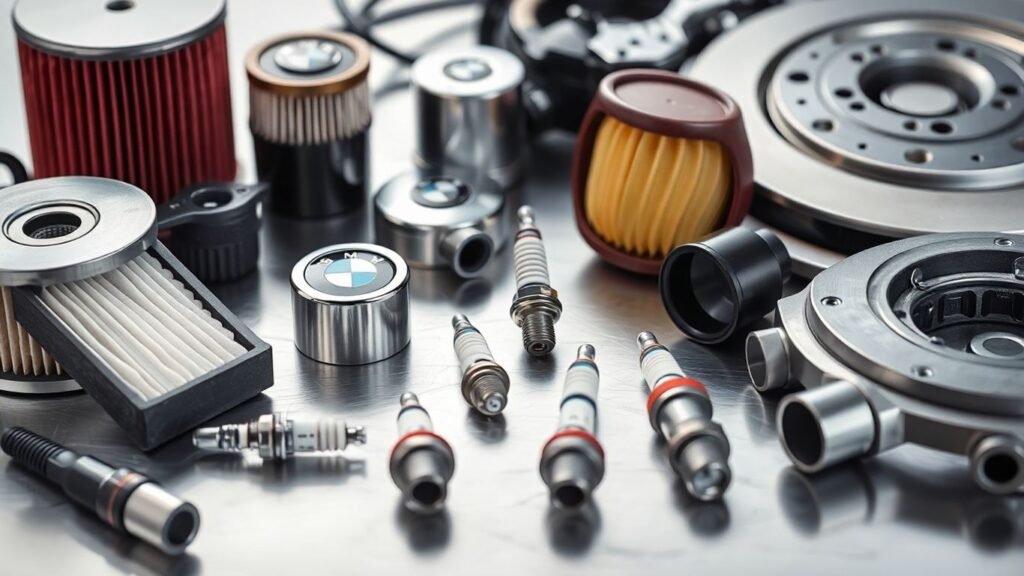
Essential BMW spare parts laid out neatly.
Blog

Unearthing Hidden Gems: Essential BMW Spare Parts You Might Be Missing

Finding the right parts for your classic BMW, especially something as unique as an Isetta, can feel like a treasure hunt. You might think you have everything you need, but often, there are small, overlooked pieces that make a big difference. We’re talking about those hidden gems in BMW spare parts that can really bring your project car back to life. It’s not always about the big, obvious components; sometimes, it’s the little things that are the hardest to find and the most satisfying to track down. Key Takeaways When restoring a BMW Isetta, pay attention to reinforcing the rear body panels, as this area can be a weak spot. Don’t overlook mechanical parts like motor mount brackets, Dynastart components, and voltage regulators, which can be hard to find. Interior elements such as original sound insulation and parcel shelf panels contribute to authenticity and can be rare finds. Exterior details like specific BMW roundels and correct bumpers are important for a faithful restoration. The value of pre-owned parts and thorough inspection of donor cars is high when searching for hidden gems in BMW spare parts. Essential BMW Isetta Body Components When you’re looking to get your BMW Isetta back in shape, the body is a big part of the puzzle. It’s not just about making it look good; it’s about making sure it’s solid and holds together right. Some areas can be a bit tricky, and you might not even realize they need attention until you’re deep into a restoration. Reinforcing Rear Body Panels The very back of the Isetta, especially around the taillights and where the rear bumper attaches, can be a weak spot. This part of the body shell isn’t directly bolted to the chassis, so it can flex and get stressed over time. Adding a bit of extra metal in key areas here can make a world of difference in its structural integrity. It’s a detail that’s easy to overlook, but it’s important for keeping the whole car from falling apart. Filling Unnecessary Holes Over the years, owners might have added things like dealer-installed mud flaps or luggage racks. When you remove these, you’re often left with holes that you don’t need anymore. You’ll want to fill these up to keep the body looking clean and original. Sometimes, you might even find holes you didn’t expect, and you might need to get a specific part just to cover them up properly. Preserving Original Welds Looking at the body panels, you’ll see where they’re joined together. Some people like to grind down the factory welds to make the body super smooth. But if you’re going for an authentic look, it’s better to keep those original welds. They show the car’s history and how it was put together. It takes a bit more care, but preserving them helps maintain that classic Isetta feel. Uncommon BMW Isetta Mechanical Parts When you’re deep into restoring a BMW Isetta, you’ll quickly find that some mechanical bits are harder to track down than others. It’s not just about finding a working engine; it’s about the smaller, often overlooked components that keep everything running smoothly. These are the parts that can really test your patience and your network of fellow enthusiasts. Sourcing Motor Mount Brackets The engine mounts on an Isetta are pretty simple, but finding original or even good reproduction brackets can be a challenge. These brackets connect the engine to the chassis, and over time, they can crack or corrode. If yours are damaged, you’ll need to be resourceful. Sometimes, you can find them attached to a donor engine, but often they’re already removed or damaged. Keep an eye on online forums and classifieds where Isetta owners often sell off parts from their projects. You might get lucky and find a set that just needs a clean-up and a fresh coat of paint. Locating Dynastart Components The Dynastart system is a neat piece of engineering, combining the starter motor and generator into one unit. This means there are specific components related to it that aren’t common on other cars. Things like the starter drive gear or the field coils can be difficult to find if they’re worn out or broken. The wiring connections for the Dynastart also need to be just right, and if you’re missing the correct connectors or terminals, it adds another layer of complexity. Getting the Dynastart working is key to actually starting your Isetta without needing a push. Finding Voltage Regulators Every car with a charging system needs a voltage regulator, and the Isetta is no different. While the concept is simple, finding an original or a suitable replacement for the specific Isetta unit can be tricky. These little boxes control the output of the generator to prevent overcharging the battery. If yours is faulty, you might experience battery issues or even damage to your electrical system. Sometimes, a generic regulator from a similar era might be adapted, but it requires careful research to ensure compatibility and correct voltage output. Don’t underestimate the importance of this small part; it’s vital for the car’s electrical health. Sometimes, the best way to find these uncommon parts is to connect with other Isetta owners. They might have spares lying around from past projects or know of a specialist who can help. Don’t be afraid to ask around in online communities or at car shows. You never know where a hidden gem might turn up. Rare BMW Isetta Interior Elements Finding Original Sound Insulation When you’re hunting for those hard-to-find Isetta parts, don’t overlook the bits that make the ride quieter. The original sound insulation, often found under the floorboards and behind the dashboard, can degrade over time or be removed during past repairs. Replacing this material is key to restoring that classic Isetta driving experience and reducing road noise. It might seem minor, but it makes a big difference. Sourcing Parcel Shelf Panels The parcel shelf, usually located behind the seats, is another piece that often goes missing. It’s a

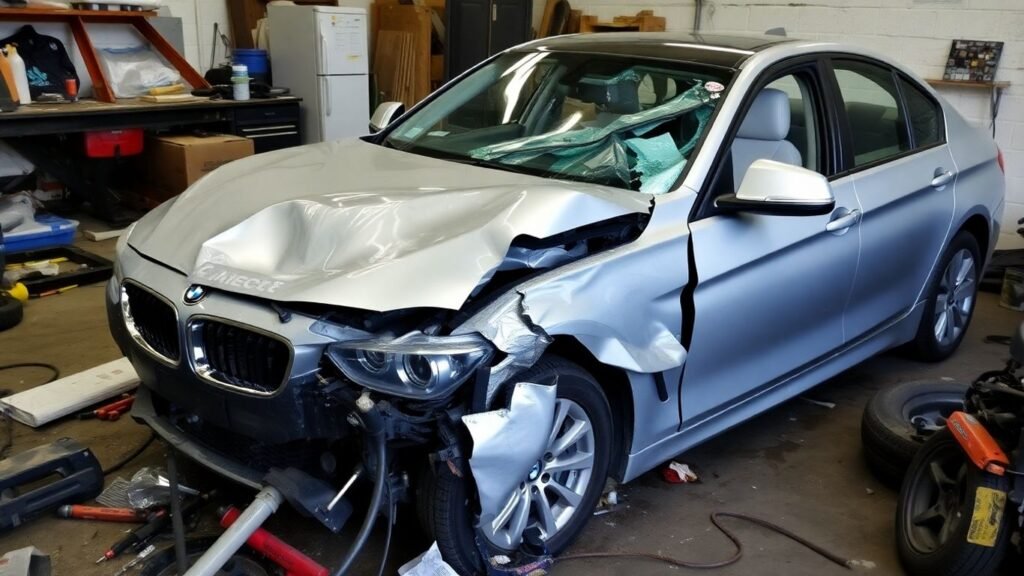
BMW car being fixed from salvage yard.
Blog

My Journey Fixing a BMW with Wreckers: From Salvage to Street-Ready

So, you’ve got a BMW that’s been through the wringer, maybe declared a total loss. It might look like the end of the line, but bringing it back from salvage to street-ready is totally doable. This guide is all about my journey fixing a BMW with wreckers, covering everything from understanding that salvage title to getting it legally back on the road. We’ll cover the paperwork, the repairs, and what it all means for your wallet. Key Takeaways A salvage title means a car was a total loss, but it can be repaired and retitled as ‘rebuilt’ to be driven again. You absolutely have to keep records of all parts and repairs done when fixing a salvage vehicle. Inspections focusing on safety and the car’s VIN are required before a salvage title can become a rebuilt one. Cars with rebuilt titles can be harder to finance and insure, often costing more. Doing your own repairs saves cash, but you must follow safety rules and document everything. Understanding Your Salvage BMW Defining A Salvage Title Vehicle So, you’ve found a BMW with a ‘salvage’ title. What does that really mean? It’s a car that an insurance company or a government agency has declared a total loss. This usually happens after a big event like a crash, a flood, or even if it was stolen and recovered. The cost to fix it was more than what the car was worth at the time. It doesn’t mean the car is completely useless, but it can’t be legally driven on public roads until it’s repaired and passes a tough inspection. Think of it as a car that’s been through a lot and needs a serious makeover. The Insurance Buyback Option Sometimes, after a car is written off as a total loss, the insurance company will sell it back. This could be to the original owner or at a salvage auction. This is often how people end up with a BMW that, while damaged, might have potential to be fixed. It’s a way for the insurance company to get some money back, and for a buyer, it can be a chance to get a vehicle for less than usual. But you have to be careful. Just because it’s an insurance buyback doesn’t mean it’s an easy fix. You’ll still need to follow all the official steps to make it roadworthy again. Flood Damage And Irreparable Branding This is a really important point. If a BMW has flood damage, it’s usually a permanent problem. In many places, cars with flood damage on their title can never be officially changed to ‘rebuilt.’ They are often marked as ‘non-repairable’ and are only good for parts. Even if the title doesn’t explicitly say ‘flood damage,’ you need to be very watchful. Look for signs like a musty smell, rust in odd places (like inside headlight housings), water stains under the seats, or dirt in the trunk. If you think a car might have flood damage, it’s often best to just walk away. It’s usually not worth the trouble or the risk to your safety. Preparing For The Rebuild Process Alright, so you’ve got a BMW that’s been through the wringer, maybe it’s got that salvage title hanging over its head. Before you even think about grabbing a wrench, you need to get organized. This isn’t just about fixing it up; it’s about making sure it’s safe and legal to drive again. That means getting your paperwork in order and knowing what the authorities expect. Documenting Repair and Parts This is where you become a super-detailed record keeper. Every single part you swap out, every bit of work you do, needs to be written down. Think of it like a car’s medical history. You’ll need receipts for all the new parts you buy. If you’re getting used parts, try to get some kind of proof of purchase, even if it’s just a bill from the salvage yard. For any work you do yourself, keep a log. Note the date, what you did, and what tools you used. This documentation is your proof that you’re putting this car back together the right way, and it’s key to getting a rebuilt title. Essential Rebuilding Records Beyond just receipts, you need a more formal record of the rebuild. This often involves a specific form from your local transportation authority. It’s like a plan for your repair job. You’ll list the damage the car had, the parts you’re replacing, and how you’ll do the repairs. If you’re doing big structural work, you might need to include photos or diagrams. This plan shows the authorities you’ve thought this through and aren’t just guessing. Provincial Rebuilding Work Plans Every province has its own rules for rebuilding cars. What’s needed in one place might be different somewhere else. You absolutely have to check with your local motor vehicle office. They’ll tell you if there’s a specific "Rebuilt Vehicle Work Plan" form you need to fill out before you start major work. Some places require an initial inspection just to approve your repair plan. It seems like a pain, but it’s much better than doing all the work and then finding out it doesn’t meet their standards. It’s like getting pre-approval for your project. Getting the right paperwork sorted upfront is the foundation for getting your BMW back on the road legally and safely. Don’t skip this step; it’s the difference between a successful rebuild and a very expensive pile of parts. Performing Your Own Repairs So, you’ve got a salvage BMW sitting there, and you’re thinking about doing the work yourself. That’s a solid plan if you’ve got the skills and the patience. Tackling the repairs on your own can really cut down on the costs. We’re talking about saving a good chunk of money compared to what a professional shop would charge. It’s not just about bolting on new parts; it’s about understanding what needs to be done and having the grit to see it

BMW engine parts and mechanic in a workshop.
Blog

Why BMW Wreckers Are Your Ultimate Lifesaver for Affordable Parts & Repairs

So, you’ve got a BMW, and that’s pretty cool. But when something goes wrong, or you need a replacement part, the costs can sometimes feel a bit much. It’s easy to think you’ll have to shell out a ton of cash. But what if there was a way to get quality parts and keep your car running without emptying your wallet? Turns out, there is. Why BMW wreckers are a lifesaver is something many owners discover when they need a fix, and it’s often the smartest route to take. Key Takeaways BMW wreckers offer access to genuine parts at prices much lower than new ones. Using recycled parts from wreckers is a budget-friendly way to handle BMW repairs. Reputable BMW dismantlers in Australia provide a wide selection of parts and models. Choosing wreckers supports environmental sustainability through auto recycling. Experienced recyclers can help locate even rare BMW components. Why BMW Wreckers Are Your Ultimate Lifesaver Accessing Genuine and Reliable BMW Parts When your BMW starts acting up, the thought of getting it fixed can be a bit daunting, especially when you consider the cost of new parts. That’s where BMW wreckers, or dismantlers as they’re often called, step in as absolute heroes. These specialists focus on taking apart retired BMWs to salvage perfectly good components. By choosing a reputable BMW wrecker, you’re tapping into a source of genuine BMW parts that were originally designed and built for your specific vehicle. This means you’re getting parts that are made to fit and function exactly as the manufacturer intended, unlike some aftermarket options that can be a gamble. Think of it as getting a second life for original equipment, often from cars that were only a few years old and retired due to minor issues, not major mechanical failures. It’s about getting that original quality without the brand-new price tag. Cost-Effective Solutions for BMW Repairs Let’s be honest, BMWs are fantastic cars, but their parts and repair bills can add up quickly. A trip to the dealership for a replacement part can often leave your wallet feeling significantly lighter. This is precisely why BMW wreckers are such a lifesaver. They provide a much more affordable alternative. You can find major components like engines or transmissions, or even smaller bits like mirrors or control modules, for a fraction of the cost of buying new. This makes keeping your beloved BMW on the road much more manageable, especially if you’re on a tighter budget or just want to avoid unnecessary expenses. It’s a practical way to handle repairs and maintenance without breaking the bank. Environmental Benefits of Auto Recycling Beyond the savings, there’s a really good reason to use BMW wreckers: it’s great for the environment. These businesses are all about recycling and giving parts a new purpose. Instead of a car ending up in a landfill, its usable components are salvaged and find a new home. This process significantly reduces the demand for manufacturing brand-new parts, which in turn conserves energy and natural resources. It’s a responsible choice that aligns with sustainable practices, helping to lessen the overall environmental impact of car ownership and maintenance. It feels good to know you’re making a choice that benefits both your car and the planet. Part Type Average Price Range (AUD) Engine $800 – $3500 Transmission $700 – $2500 Body Panels $100 – $800 Headlights $150 – $600 Alternator $100 – $300 When you’re looking for used BMW parts, it’s always a good idea to get a few quotes from different wreckers. This helps you compare not only prices but also the condition of the parts and the level of service you receive. Don’t be afraid to ask questions about the part’s history and any potential warranty. Finding Quality Used BMW Parts in Australia So, you need a part for your BMW and you’re trying to avoid the dealership prices. That’s totally understandable. Australia has a pretty good network of places that specialize in taking apart BMWs to sell the good bits. It’s not just about saving cash, though; it’s about finding parts that are still perfectly good to go. What to Look For in Australian BMW Wreckers When you’re on the hunt, don’t just go to the first place you find. Think about what makes a wrecker good. A place with a wide range of BMW models is usually a good sign, meaning they’ve likely got the specific car you need parts from. It’s also super helpful if they’re upfront about the condition of the parts. Do they tell you if a part has a few miles on it but is still solid? That’s better than a place that just says "it works." A clear return policy or even a short warranty can give you a lot of peace of mind, too. If you can visit the yard, even better – you can see the car it came from and the part itself. Inventory Size and Vehicle Range Think of it like a big supermarket for car parts. The bigger the store, the more likely they are to have what you need. For BMW wreckers, this means looking for yards that have a lot of different BMW models and years. Some places might focus on older models, while others might have newer ones. If you have a specific or older BMW, you might need to find a specialist. A large inventory means they’re probably dismantling a steady stream of vehicles, so their stock is always changing. Feature Importance Wide BMW Model Range Increases chances of finding your specific part Part Condition Clarity Helps in making an informed purchase Warranty/Return Policy Provides peace of mind and recourse if needed Physical Location Allows for inspection and direct communication Location and Accessibility of Yards Location matters, especially if you need the part quickly or want to pick it up yourself. Major cities like Sydney, Melbourne, and Brisbane often have several BMW wreckers. If you’re not near a big city, don’t despair. Many Australian wreckers operate online and

BMW emblem and engine parts for affordable replacement.
Blog

Your Guide to Finding Affordable BMW Replacement Parts Without Breaking the Bank

So, you’ve got a BMW, which is pretty cool. They’re known for being fun to drive, but let’s be real, keeping them on the road can sometimes feel like a challenge, especially when parts get pricey. It’s easy to think you have to pay a fortune for every little thing. But what if I told you there are ways to get the parts you need without emptying your wallet? This guide is all about finding affordable BMW car parts, so you can keep that Beemer purring without the financial headache. We’ll look at where to find them, what to watch out for, and how to make sure you’re getting good stuff. Key Takeaways Aftermarket parts can be a much cheaper alternative to Original Equipment Manufacturer (OEM) parts for your BMW, often without sacrificing quality. Focus on key areas like brakes, suspension, ignition, and cooling systems when looking for aftermarket replacements to maintain your BMW’s performance and safety. You can find affordable BMW car parts from online retailers, local auto shops, and specialized BMW parts suppliers. Always check the quality, ensure compatibility with your specific BMW model, compare prices, and understand warranty policies before buying aftermarket parts. Proper installation and regular maintenance of your BMW parts, whether done yourself or by a mechanic, are important for their longevity and your car’s overall health. Understanding Affordable BMW Replacement Parts Owning a BMW is a great experience, but keeping it running smoothly doesn’t always mean you have to spend a fortune. You actually have a lot of choices when it comes to getting replacement parts, and many of them are surprisingly budget-friendly without skimping on quality. It really just comes down to knowing where to look and what to look for. The Benefits of Aftermarket BMW Parts Aftermarket parts are made by companies other than BMW itself. This competition usually means lower prices compared to genuine BMW parts. Sometimes, these independent companies even focus on making specific parts better than the original. So, you might find upgraded brake pads that stop your car faster or an air filter that helps your engine get more air. It’s not just about saving cash; it’s about potentially getting more for your money. Aftermarket Versus OEM BMW Parts OEM, or Original Equipment Manufacturer, parts are made by BMW or companies that supply parts directly to BMW. You know they’ll fit and work exactly like the original part. Aftermarket parts, though, are made by independent companies. While they’re designed to work with your BMW, the quality can vary a bit more. The main differences are usually price and specialization. OEM parts typically cost more because of the brand name and the strict testing they go through. Aftermarket parts can be a lot cheaper, and some are even made to give your car a performance boost or last longer. Part Type Typical Cost (vs. OEM) Potential Benefits Brake Pads Lower Better stopping, less brake dust Air Filter Lower More airflow, maybe better gas mileage Suspension Bushings Lower Improved handling, less vibration Spark Plugs Similar to Lower Better ignition, smoother engine Key Considerations for Aftermarket Purchases When you’re looking at aftermarket parts, it’s smart to think about a few things. Always check reviews and brand reputation to get a sense of quality and reliability. Some aftermarket brands are just as good, if not better, than OEM, while others might not hold up as well. It’s also a good idea to understand what kind of warranty or return policy is in place, just in case something isn’t quite right. You want to make sure you’re getting a part that will last and perform well without any unexpected headaches down the road. It’s easy to get caught up in the idea that only genuine parts will do for a premium car like a BMW. But the reality is, the aftermarket offers a huge range of options that can save you a significant amount of money. The trick is to be a smart shopper, do a little research, and know what you’re looking for. You can keep your BMW running great without spending a fortune on every single component. Where to Source Affordable BMW Car Parts So, you need a part for your BMW, and you’re trying to keep costs down. It’s totally doable. You’ve got a few main avenues to explore, and each has its own good points. Navigating Online Retailers for BMW Parts Online stores are often the go-to for a lot of people these days, and for good reason. You can find a massive selection of parts without even leaving your couch. Most websites have pretty good search functions, so you can usually pinpoint exactly what you need for your specific BMW model and year. Because these online shops don’t have the same overhead as a brick-and-mortar store, they can often offer more competitive prices. Plus, shipping times have gotten a lot better, so you usually don’t have to wait too long. Local Auto Parts Stores for Immediate Needs Sometimes, you just need a part now. That’s where your neighborhood auto parts store shines. They might not have the sheer variety of an online giant, but they’re fantastic for common items. You can also talk to a real person, which is a big help if you’re not 100% sure about what you’re looking for. And hey, you might even stumble upon a local shop that has exactly what you need in stock. Specialty BMW Parts Suppliers When you’re hunting for something a bit more specific or hard to find, specialty suppliers are your best bet. These places usually focus just on BMWs, or sometimes even a particular type of BMW. The folks who work there often know these cars inside and out. They can help you track down obscure parts or give you advice on upgrades. They might cost a little more sometimes, but for those rare components, they’re often the only place to turn. Always take a moment to confirm that the part you’re looking at is listed

BMW car at a wrecking yard
Blog

Navigating BMW Wreckers Near Me: Your Ultimate Experience Guide for 2025

Planning a trip to experience the BMW Ultimate Driving Experience this year? It’s a fantastic way to get up close with the latest models and maybe even improve your driving skills. We’ve put together a guide to help you make the most of it, covering everything from what to expect on the driving courses to how to get comfortable in the driver’s seat. Think of this as your go-to for everything related to the BMW Ultimate Driving Experience, including how to find events near you. It’s all about getting the most out of your BMW wreckers near me experience. Key Takeaways The BMW Ultimate Driving Experience offers hands-on driving activities like Autocross, Street Tours, and The Sprint, letting you test various BMW models with expert guidance. The 2025 tour spans 18 cities across the U.S., starting in New Jersey, with a full schedule available on BMW’s official website for easy registration. Focus on sharpening your driving skills, experiencing new BMW vehicles like the X3 M50, and learning about performance and safety features. Don’t forget about comfort; learn how to adjust lumbar support and seat settings for a better driving experience during your BMW journey. Explore BMW’s full lineup, from performance SUVs to electric sedans, across all vehicle types during the event. Understanding The BMW Ultimate Driving Experience Engaging Driving Activities The BMW Ultimate Driving Experience isn’t just about looking at cars; it’s about getting behind the wheel and feeling what a BMW can do. You’ll get a chance to try out different driving scenarios, all with professional instructors guiding you. Think of it as a chance to really push the limits in a safe, controlled environment. For instance, the Autocross course lets you tackle a coned track, seeing how quickly you can navigate it in vehicles like the new X3 M50 or the all-electric i4 and i5. Then there’s ‘The Sprint,’ a new exercise focused on car control and driver skill, offering a variety of BMW models to try across different segments. These activities are designed for drivers 18 and older, giving you a real taste of performance driving. Interactive Vehicle Exploration Beyond the driving, there’s a whole section dedicated to exploring the cars up close. Product experts are on hand to show you the ins and outs of BMW’s latest technology and design. You can get hands-on with the vehicles, checking out the interior and exterior details. It’s a great way to see what makes a BMW a BMW, from the materials used to the advanced tech features. This part of the experience is open to everyone, offering a different perspective on the ‘Ultimate Driving Machine.’ This whole event is really about connecting with the cars on a deeper level. It’s not just about the speed, but the engineering, the feel, and the overall experience of driving a premium vehicle. You get to see and feel the quality firsthand. Expert Coaching and Instruction What really sets the Ultimate Driving Experience apart is the access to BMW’s professional driving instructors. These aren’t just regular folks; they’re trained experts who know these cars inside and out. Whether you’re on the Autocross course or taking a Street Tour, they’re there to teach you. They’ll help you understand how to handle the car better, improve your driving skills, and get the most out of the vehicle’s performance. For the Street Tours, where you test drive various models on local roads, instructors accompany you, pointing out features and demonstrating capabilities. This personalized guidance is a big part of what makes the experience so special, especially for those looking to learn more about driving dynamics and vehicle control. Navigating The 2025 BMW Driving Tour Stops The annual BMW Ultimate Driving Experience tour is back for 2025, and it’s hitting 18 cities across the country. This is your chance to get behind the wheel of some seriously cool BMWs, with professional instructors showing you the ropes. They’ve got a packed schedule with 57 days of driving activities planned, so there’s a good shot they’ll be near you. Nationwide Tour Schedule BMW kicked off the 2025 tour in April, and it runs through the year. They’ve spread out the events across the U.S., so keep an eye on the official BMW UDE website for the most up-to-date schedule. The first stop was in New Jersey at MetLife Stadium, but they’re hitting major spots like Atlanta, Denver, Philadelphia, and Dallas, among others. It’s a pretty extensive run, aiming to give as many people as possible a taste of what BMW driving is all about. Key City Locations While the full list is on BMW’s site, expect to find the tour making stops in major metropolitan areas. Cities like Atlanta, Charlotte, Denver, Philadelphia, San Diego, and Dallas are confirmed. They’re choosing locations that can handle the setup and draw a good crowd, so if you’re in or near one of these hubs, you’re in luck. It’s worth checking the schedule early because spots can fill up. Program Details and Registration So, what can you actually do at these events? There are a few different activities. You can try the Autocross course, where you’ll get to push the new X3 M50, the electric i4, and the i5. It’s timed, and you get coaching, which is pretty neat. Then there are Street Tours, where you take a guided drive on local roads in various models. They also have ‘The Sprint,’ a new exercise focused on car control. You’ll need to be 18 or older for Autocross and The Sprint, and 25 or older for Street Tours. Registration details and specific times are all on the BMW UDE website. Signing up in advance is highly recommended. Getting hands-on with the latest BMW tech and performance is the main draw here. It’s not just about driving; there are also interactive displays where you can check out the car’s design and technology up close with product experts on hand. It’s a well-rounded experience for any car enthusiast. Maximizing Your BMW Wreckers Near Me

Genuine BMW parts and emblem
Blog

Locating the Best Place to Buy Genuine BMW Spares: A Comprehensive Guide

Owning a BMW means you have a car that’s pretty special. It’s all about how it drives and how well it’s made. To keep it running like that, you need the right parts. This isn’t always easy, though. Sometimes you need a specific part, and you just want to find the best place to buy genuine BMW spares without any hassle. We’re going to look at how to do just that, whether you’re looking online or around town. Key Takeaways Always go for genuine BMW parts to keep your car running right and maintain its value. Authorized BMW dealers are the safest bet for authentic parts, though they might cost more. Independent shops and specialized suppliers can offer good prices and variety, but check part authenticity carefully. Online stores provide convenience and a wide selection, but be sure to buy from trusted sellers and check return policies. Used BMW parts can save money, but inspect them thoroughly for condition and compatibility before buying. Understanding the Importance of Genuine BMW Spares Ensuring Optimal Performance and Reliability When you own a BMW, you’re driving something special. It’s built with precision and designed for a certain kind of experience. To keep that feeling alive, using genuine BMW parts is really important. These aren’t just random bits and pieces; they’re made specifically for your car, meeting BMW’s own high standards. Think of it like this: a high-performance engine needs high-performance fuel, right? It’s the same with parts. Using parts that aren’t quite right can mess with how your car runs, making it less smooth, less powerful, and honestly, just not as enjoyable to drive. Genuine parts are designed to work perfectly with your BMW’s systems, keeping everything running as it should. Maintaining Vehicle Warranty and Resale Value It’s easy to overlook this, but using non-genuine parts can actually cause problems down the line, especially with your warranty. Many manufacturers, including BMW, can void your warranty if they find that you’ve used aftermarket parts that caused an issue. That’s a big risk to take. Beyond that, think about selling your BMW later on. People who buy these cars often know what they’re looking for, and a car that’s been serviced with genuine parts tends to hold its value better. It shows you’ve taken good care of it, and that peace of mind is worth something. The Role of Genuine Parts in Vehicle Longevity Your BMW is an investment, and you want it to last. Genuine parts play a big role in that. They’re built to last and to fit precisely, which means less wear and tear on other components. When you use a part that’s a bit off, it can put extra strain on connected systems, leading to premature failure. It’s like trying to fit a square peg in a round hole – it might work for a bit, but it’s not ideal and will likely cause issues eventually. Sticking with genuine BMW spares helps your car stay in good shape for years to come. Choosing genuine parts isn’t just about keeping your car running today; it’s about protecting your investment for the future and maintaining the driving experience you paid for. Navigating the BMW Spare Parts Market When it comes to keeping your BMW running like the day it rolled off the assembly line, knowing where to get your parts is half the battle. It’s not just about finding a part, it’s about finding the right part, and that means understanding the different places you can look. Authorized BMW Dealerships: The Trusted Source Let’s be honest, the most straightforward way to get genuine BMW parts is to go straight to the source: an authorized dealership. They have direct access to BMW’s official inventory, meaning they can get you exactly what your car needs, whether it’s a common filter or a more obscure sensor. The folks working there are usually pretty knowledgeable about BMWs, so they can help you pinpoint the correct part number, which is a lifesaver when you’re not entirely sure yourself. Plus, you know you’re getting the real deal, which is important for maintaining your car’s performance and warranty. Independent Shops: Variety and Competitive Pricing Beyond the dealerships, there’s a whole world of independent repair shops and parts suppliers. These places can sometimes offer a wider selection, especially if they specialize in European cars or BMWs specifically. You might find that prices are a bit more competitive here, which can be a nice perk, especially if you’re doing a lot of work on your car. It’s a good idea to do a little digging to find reputable independent shops in your area. Ask around, check reviews – you want to make sure they’re stocking quality parts and have mechanics who know their stuff. Specialized Suppliers in Key Regions Depending on where you live, you might find specialized suppliers that have built a reputation for carrying a vast array of BMW parts. Think of places that have been around for ages, focusing solely on German car components. These suppliers often have deep knowledge and can source even hard-to-find items. For example, if you’re in a major metropolitan area or a region with a strong car culture, you’re more likely to find these niche suppliers. They can be a goldmine for specific parts, sometimes even offering options that aren’t readily available through dealerships. Finding the right place to buy your BMW spares isn’t just about convenience; it’s about making sure the parts you install will keep your car performing safely and reliably for years to come. Always prioritize quality and authenticity, even if it means a little extra effort to find the right supplier. Type of Supplier Pros Cons Authorized Dealership Genuine parts, expert advice, warranty Often higher prices, limited selection Independent Shops Competitive pricing, wider selection Part authenticity can vary, requires research Specialized Suppliers Niche parts, deep knowledge, good prices May require shipping, location dependent The Convenience of Online Procurement for BMW Parts Let’s face it, sometimes you just don’t have the

Wrecked BMW in a repair shop
Blog

Bringing a Wrecked BMW Back to Roadworthy: A Comprehensive Guide

So, you’ve got a BMW that’s seen better days, maybe even a total loss. It might seem like the end of the road, but with the right approach, you can bring that wreck back to life. This guide is all about taking a damaged BMW, from wreck to roadworthy, and getting it back on the street legally. We’ll walk through what you need to know, from understanding the title to passing inspections and what it all means for your wallet. Key Takeaways A salvage title means a vehicle was declared a total loss, but it can be repaired and rebranded as ‘rebuilt’ to become roadworthy again. Documenting all repairs and parts used is a mandatory step in the rebranding process. Structural integrity and VIN verification inspections are required before a salvage title can be changed to rebuilt. Rebuilt vehicles may face challenges with financing and insurance, often with higher costs or limited coverage options. Performing your own repairs can save money, but all work must meet safety standards and be well-documented. Understanding Your Salvage BMW Defining a Salvage Title Vehicle So, you’re looking at a BMW that’s been tagged with a ‘salvage’ title. What does that actually mean? Basically, it’s a vehicle that an insurance company or licensing authority has declared a total loss. This usually happens after a significant event like a collision, a flood, or even theft, where the cost to repair it was more than its market value. This doesn’t automatically mean the car is junk, but it does mean it can’t be legally driven on the road until it’s fixed up and passes a rigorous inspection. It’s like a car that’s been through the wringer and needs a serious comeback story. The Insurance Buyback Option Sometimes, after a car is declared a total loss, the insurance company will sell it back to the original owner or to a salvage auction. This is where you might find a BMW that, while damaged, could potentially be brought back to life. It’s a way for the insurance company to recoup some costs, and for a buyer, it can be an opportunity to get a vehicle at a much lower price than you’d normally find. However, you need to be really careful here. Just because it’s an insurance buyback doesn’t mean it’s an easy fix. You’ll still need to go through all the official channels to get it roadworthy again. Flood Damage and Irreparable Branding Now, this is a big one. If a BMW has flood damage, it’s usually a permanent red flag. In many places, including Canada, vehicles with flood damage on their title can never be rebranded as ‘rebuilt’. They’re essentially marked as ‘non-repairable’ and are only good for parts. Even if the title doesn’t explicitly say ‘flood damage,’ you’ve got to be super vigilant. Look for signs like musty smells, rust in weird spots (like inside headlight housings), water stains under seats, or silt in the trunk. If you suspect flood damage, it’s often best to walk away. It’s just not worth the headache or the risk to your safety. When a vehicle is declared a total loss, it gets a ‘salvage’ title. This isn’t the end of the road, but it’s a clear signal that significant work is needed before it can be driven legally again. The process to change that title to ‘rebuilt’ involves detailed documentation and strict inspections. Preparing for the Rebuild Process Alright, so you’ve got a BMW that’s seen better days, maybe a bit banged up or with a salvage title. Before you even think about turning a wrench, you gotta get your ducks in a row. This isn’t just about slapping on a new fender; it’s about making sure this car is safe and legal to drive again. That means paperwork, planning, and knowing what the authorities expect. Documenting Repair and Parts This is where you become a detective and a meticulous record-keeper. Every single part you replace, every bit of labor you do, needs to be logged. Think of it like a medical chart for your car. You’ll need receipts for all the new parts you buy – the bigger the part, the more important the receipt. If you’re sourcing used parts, try to get some kind of documentation, even if it’s just a bill of sale from a salvage yard. For any work you do yourself, keep a detailed log. Note the date, what you did, and what tools you used. This isn’t just busywork; it’s your proof that you’re putting this car back together the right way. This documentation is your golden ticket to getting a rebuilt title. Essential Rebuilding Records Beyond just receipts, you need a more formal record of the rebuild. This often involves a specific form provided by your provincial transportation authority. It’s like a blueprint for your repair job. You’ll detail the damage the car sustained, the parts you’re replacing, and the methods you’ll use for repairs. If you’re doing major structural work, you might need to include diagrams or photos. This plan shows the authorities that you’ve thought through the entire process and aren’t just winging it. It’s a roadmap for the rebuild, and it needs to be thorough. Provincial Rebuilding Work Plans Every province has its own flavor when it comes to rebuilding vehicles. What’s required in Alberta might be slightly different in Ontario or British Columbia. You absolutely need to check with your local motor vehicle authority. They’ll tell you if there’s a specific "Rebuilt Vehicle Work Plan" form you need to fill out before you start major repairs. Some provinces require you to get an initial inspection just to approve your repair plan. It’s a bit of a hassle, but it’s way better than doing all the work and then finding out it doesn’t meet their standards. Think of it as getting pre-approval for your project. It saves a lot of headaches down the road. Getting the right paperwork sorted upfront is key. It might seem tedious, but it’s

BMW car part held by mechanic's hands
Blog

How I Saved Big Bucks Using BMW Wreckers for Parts

Owning a BMW is a great experience, but let’s be honest, the repair bills can be pretty steep. I’ve been looking for ways to keep my car running without emptying my bank account. My search led me to BMW wreckers, and I found out you don’t always need brand-new parts to keep your car in good shape. This article shares what I learned about buying BMW parts from wreckers and how you can save money too. How I saved money with BMW wreckers is the main focus here. Key Takeaways Buying used parts from BMW wreckers is a smart way to cut down on repair costs. Always check the condition of a used part carefully before you buy it. Bring your own tools to the wrecker’s yard if you plan to remove parts yourself. Understand the warranty and return policy of the wrecker before making a purchase. Recycling car parts is good for the environment and can save you money. Discovering Affordable BMW Parts Through Wreckers Unlocking Value: The Appeal of Used BMW Components Owning a BMW is a dream for many, but the reality of maintenance costs can be a bit of a shock. When a part fails or you need a replacement, the price tag from a dealership can be eye-watering. This is where BMW wreckers, also known as salvage yards or auto dismantlers, become incredibly useful. These places are essentially treasure troves for perfectly good components that have been removed from vehicles that are no longer roadworthy. Think of a car that’s been in an accident; while the body might be ruined, many of its internal parts could still be in excellent condition and ready for a second life. It’s a smart way to keep your BMW running without emptying your bank account. The Financial Advantages of Pre-Owned BMW Parts Let’s cut to the chase: new BMW parts are expensive. Sometimes, a single component can cost more than a small vacation. Buying used parts from a wrecker is a game-changer for your budget. You can often find the exact same part you need for a fraction of the cost of a new one. This isn’t about settling for inferior quality; it’s about being savvy with your money. You get the reliability and quality associated with BMW, but without the premium price tag. This makes repairs and even minor upgrades much more achievable. Part Type New Price (Est.) Used Price (Est.) Headlight Assembly $500 – $1200 $150 – $400 Brake Caliper $300 – $700 $75 – $200 Alternator $400 – $900 $100 – $300 Door Panel $600 – $1500 $100 – $350 Savings Compared to Dealership Pricing When you compare the prices at a BMW dealership to those at a reputable wrecker, the difference can be quite dramatic. Dealerships have higher overheads, which naturally get passed on to the customer. Independent salvage yards, especially those specializing in BMWs, can offer similar quality components for significantly less. It truly pays to shop around and compare prices before committing to a purchase. You might find that a part costing several hundred dollars at the dealership can be found for half that, or even less, from a trusted wrecker. It makes a huge difference to the overall cost of repairs. Finding parts for older BMW models can be particularly challenging. Dealerships may no longer stock them, and ordering from overseas can be slow and costly. Salvage yards often have a wider variety of inventory, including those hard-to-find components, making it much easier to maintain your car. Maximizing Your Savings with Wrecked BMWs Owning a BMW is a dream for many, but the reality of maintenance and repair costs can be a bit of a wake-up call. When something breaks or needs replacing, those dealership prices can make you sweat. That’s where the world of BMW wreckers really comes into play. It’s not just about finding a part; it’s about getting a perfectly good component for a fraction of what you’d pay new. This can be the difference between keeping your beloved car on the road or letting it sit. The Cost-Effectiveness of Pre-Owned Components Let’s face it, new BMW parts are expensive. Sometimes, a single component can cost more than a small vacation. Buying used parts from a wrecker is a smart way to get your car fixed without emptying your bank account. You’re getting the same quality part, often with plenty of life left in it, but at a much lower price. It makes owning and maintaining a BMW much more realistic. Top-Notch Components at Discounted Rates Don’t think that just because a part is used, it’s automatically low quality. Many cars end up at wreckers due to accidents or minor issues, not because their major components have failed. You can often find things like engines, transmissions, alternators, and even body panels that are still in excellent working condition. These are the same parts that would cost you a fortune from a dealership. Here’s a rough idea of what you might save: Part Type New Price (Est.) Used Price (Est.) Headlight Assembly $500 – $1200 $150 – $400 Brake Caliper $300 – $700 $75 – $200 Alternator $400 – $900 $100 – $300 Door Panel $600 – $1500 $100 – $350 Access to Old Components Sometimes, you just need a specific part for an older BMW model. Dealerships might stop stocking these, or they might be incredibly hard to find. Wreckers often have a treasure trove of older parts that are no longer available elsewhere. This access to discontinued or hard-to-find components is a huge benefit for owners of classic or older BMWs. Finding the right used part can sometimes take a bit of searching, and you might not always get a long warranty, if any. Many wreckers sell parts as-is. However, some might offer a short return window, maybe 30 days, especially if they’ve tested the part. It’s always a good idea to ask about their policy before you pay. Knowing what happens if the part doesn’t work

Rare BMW emblem on a vintage car part
Blog

Your Guide to Finding Rare BMW Parts in Australia

So, you’ve got a BMW in Australia and you’re on the hunt for a specific part. Maybe it’s for a classic model, or perhaps something just isn’t available through the usual channels. Finding rare BMW parts in Australia can feel like a treasure hunt, but don’t worry, it’s totally doable. This guide will help you figure out where to look, whether you’re after something brand new or a good quality used piece. We’ll cover everything from official dealerships to online communities, making sure you can keep your ‘Ultimate Driving Machine’ in top shape. Key Takeaways For guaranteed genuine parts, BMW Australia is the direct route, though it might be pricier and require appointments. Trusted local workshops often have good connections with parts suppliers and can help with custom options. Online marketplaces and third-party suppliers offer a wide range of parts, but always check their trustworthiness and return policies. Connecting with BMW clubs and online forums can lead you to fellow enthusiasts who might have the rare parts you need or know where to find them. When buying used parts from salvage yards or wreckers, carefully check the condition and warranty, and understand what influences the price. Sourcing Genuine BMW Parts Directly When you need a part for your BMW, going straight to the source, BMW Australia, is often the most straightforward path. This guarantees you’re getting genuine parts, made specifically for your vehicle. It’s like getting a direct recommendation from the car’s maker. You know it’ll fit and function as intended. However, this direct route can sometimes come with a higher price tag. Manufacturer pricing reflects the quality and brand, but it’s worth comparing. You might find that certain parts are more expensive than you expected. Also, when it comes to customisation, your options might be limited. If you’re looking for something a bit different, like a specific colour or a performance upgrade, BMW Australia might not have those choices readily available. Another thing to consider is availability and scheduling. Getting an appointment at a BMW dealership to have parts fitted can sometimes take time, depending on your location and how busy they are. It’s not always a quick fix, especially if you need the car back on the road fast. Buying directly from BMW Australia offers peace of mind regarding part authenticity and compatibility, but it’s wise to be aware of potential costs and lead times. Here’s a general idea of what you might expect regarding pricing and options: Part Category Typical Pricing Customisation Options Availability Appointment Needed Standard Replacement Parts Higher Limited Generally Good Yes Performance Parts Varies Some Varies Yes Cosmetic/Accessory Parts Varies Limited Generally Good Yes Leveraging Trusted Workshops for Parts Sometimes, the thought of hunting down a specific BMW part can feel like a full-time job. For many owners, the easiest route is to let their go-to mechanic handle it. Workshops that have been working on BMWs for a while often have solid connections with parts suppliers all over Australia. They know the cars, they know the parts, and they know where to find them. Building Relationships with Mechanics Think of your mechanic as a partner in keeping your BMW running smoothly. When you have a good relationship with a workshop, they’re more likely to go the extra mile to find what you need, especially for older or less common models. They understand the nuances of your car and can often identify the exact part required, saving you the headache of ordering the wrong thing. Accessing OEM Parts Suppliers These workshops usually have established accounts with Original Equipment Manufacturer (OEM) parts distributors. This means they can often get genuine BMW parts faster and sometimes at a better price than an individual buyer. They know the difference between a genuine part and a cheap imitation, which is pretty important when you want your BMW to perform as intended. Exploring Customisation Options Through Professionals Beyond just standard replacements, a good workshop can also be your gateway to customisation. If you’re looking for something a bit different, maybe a performance upgrade or a specific aesthetic modification, your mechanic can advise on what’s available. They’re often aware of aftermarket specialists and custom part manufacturers that you might not find on your own. They can help source these parts and even fit them for you, making the whole process much simpler. When dealing with workshops, it’s always a good idea to ask about their parts sourcing process. Understanding where they get their parts and what brands they typically use can give you peace of mind. Don’t hesitate to ask if they can source genuine BMW parts specifically, especially if that’s your preference. Part Type Typical Cost (New OEM) Typical Cost (Workshop Sourced) Notes Engine Component $500 – $5000+ Often slightly less, depends on supplier relationship Can vary wildly based on rarity and specific part Body Panel $300 – $1500+ Similar to new, potential for better pricing Availability can be an issue for older models Electrical Module $200 – $1000+ Similar to new, potential for better pricing Requires precise part number for compatibility Exploring Third-Party Suppliers Sometimes, the official channels or your go-to mechanic just don’t have what you need, especially for older or more obscure BMW models. That’s where third-party suppliers come in. These can be online stores, independent parts dealers, or even specialist importers. They often stock a wider variety of parts, including those no longer produced by BMW. Online Marketplaces for BMW Spares When you’re hunting for a specific part, the internet is your best friend. Numerous online marketplaces in Australia list BMW parts. You can often find everything from common wear-and-tear items to those hard-to-find components for your classic Beemer. Many of these sites have search functions that let you filter by your car’s year, make, and model, which really speeds things up. Some even let you search by part number if you know it. Verifying Supplier Trustworthiness It’s a bit of a wild west out there sometimes, so you’ve got to be careful. Not all

Scroll to Top