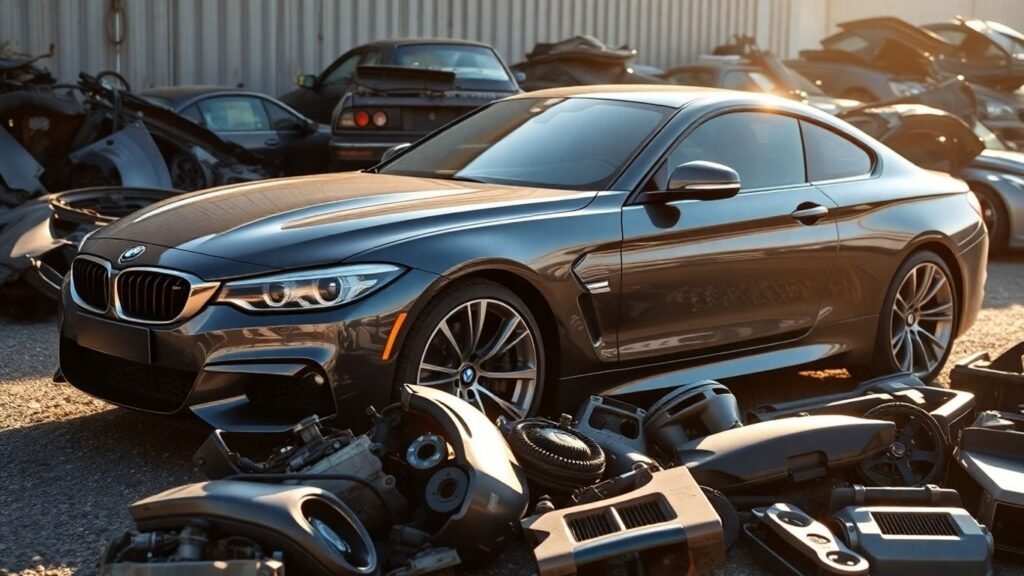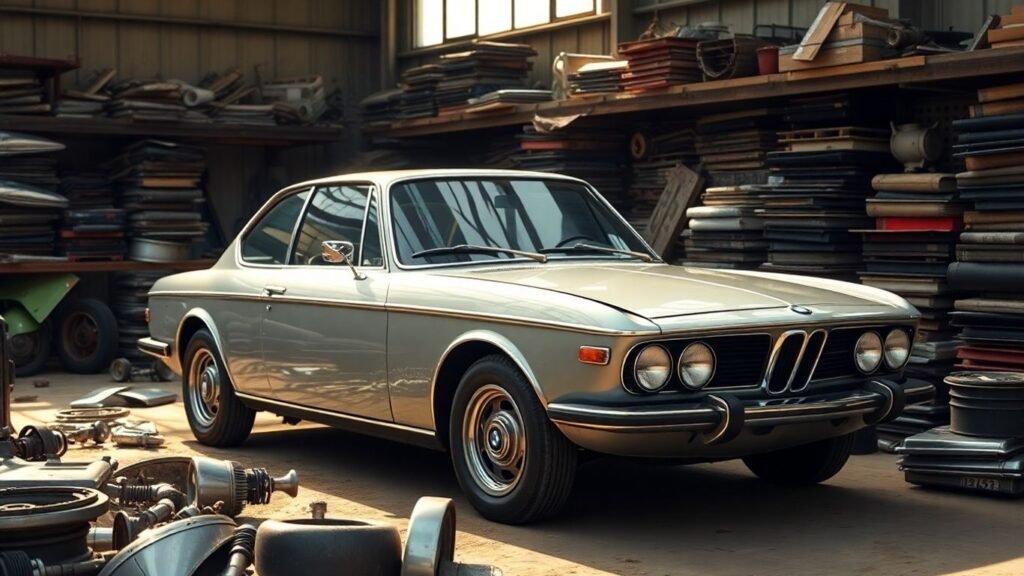
Finding BMW Wreckers for Classic Models: Your Guide to Rare Parts
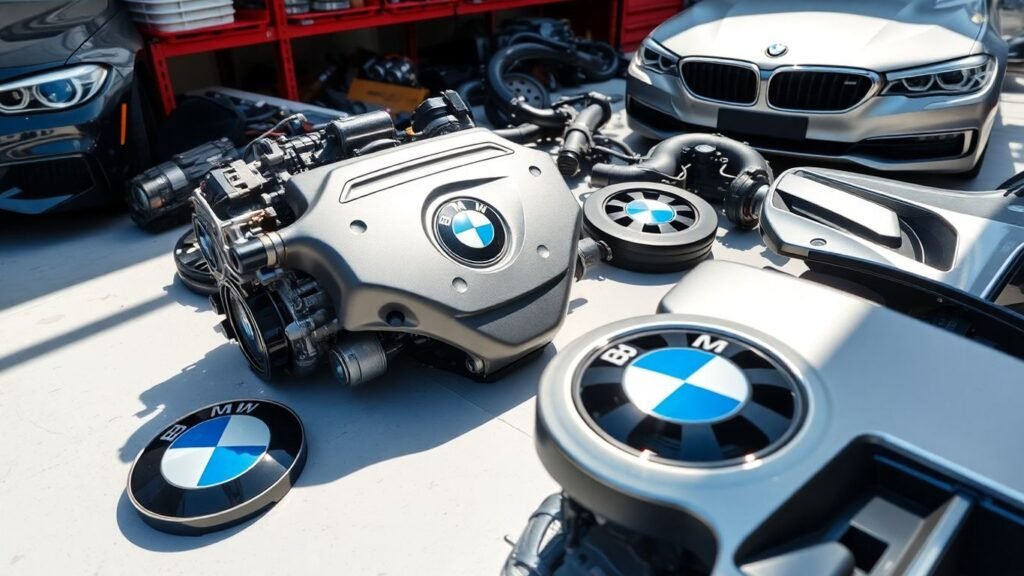
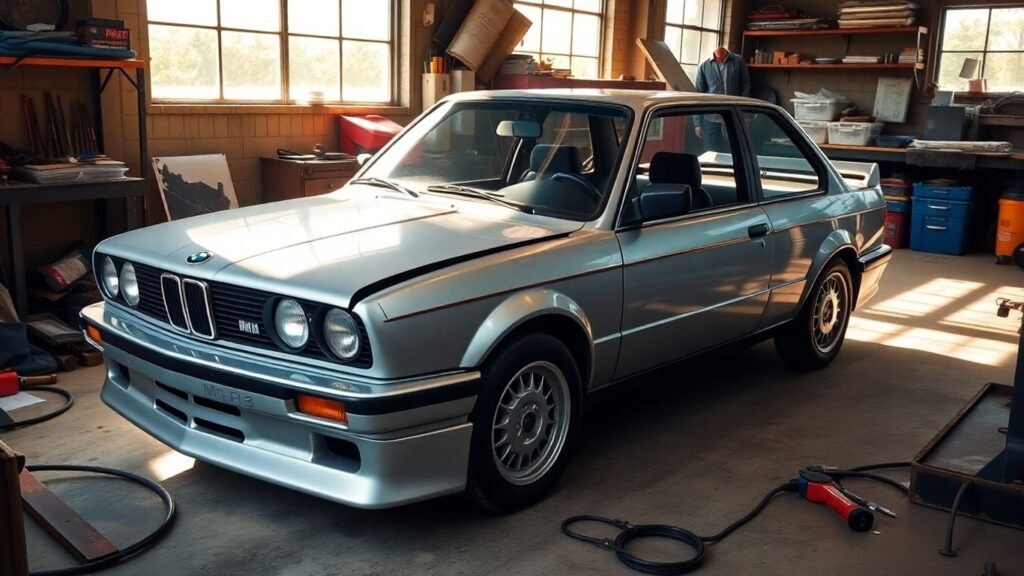
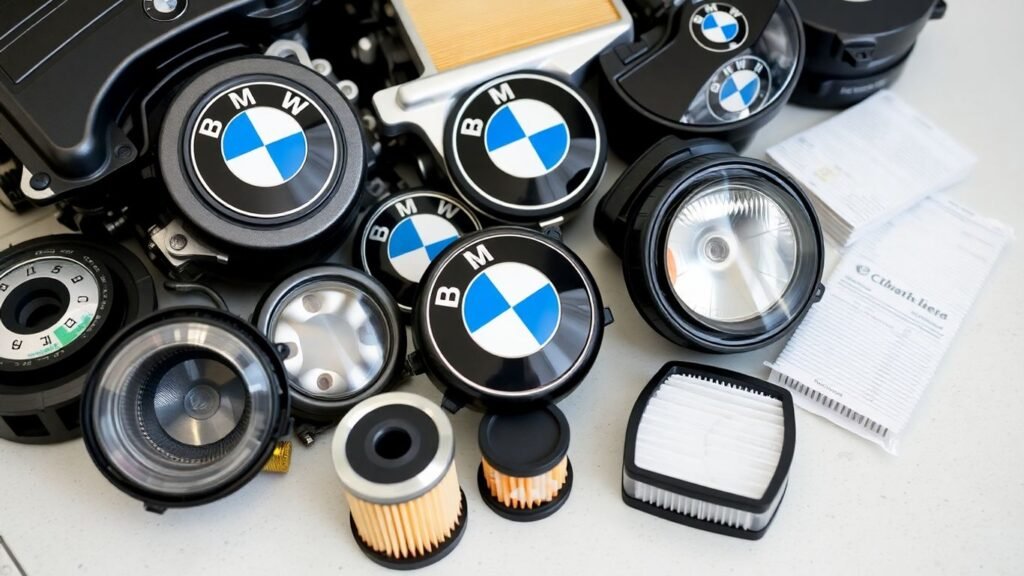
So, you’ve got a classic BMW and you’re on the hunt for a specific part. Maybe it’s for a rare model, or perhaps something just isn’t made anymore. Finding these BMW parts in Australia can feel like a treasure hunt, but don’t worry, it’s totally doable. This guide will help you figure out where to look, whether you’re after something brand new or a good quality used piece. We’ll cover everything from official dealerships to online communities, making sure you can keep your ‘Ultimate Driving Machine’ in top shape. Key Takeaways For guaranteed genuine parts, BMW Australia is the direct route, though it might be pricier and require appointments. Trusted local workshops often have good connections with parts suppliers and can help with custom options. Online marketplaces and third-party suppliers offer a wide range of parts, but always check their trustworthiness and return policies. Connecting with BMW clubs and online forums can lead you to fellow enthusiasts who might have the rare parts you need or know where to find them. When buying used parts from salvage yards or BMW wreckers for classic models, carefully check the condition and warranty, and understand what influences the price. Navigating The Used Parts Market For BMWs Sometimes, new parts just aren’t in the cards, either because they’re too expensive or simply not made anymore. That’s where the used parts market comes in. It can be a goldmine for finding those hard-to-get components for your BMW, and it’s often a lot easier than you might think, especially with the internet connecting us all. Finding Salvage Yards And BMW Wreckers Australia has a network of salvage yards and "wreckers" that specialise in dismantling vehicles and selling off the usable parts. These places are fantastic for finding original equipment manufacturer (OEM) parts that are no longer produced by BMW. You might need to do a bit of digging, and sometimes it’s a case of "you get what you find," but the savings can be substantial. Many yards now have online inventories, so you can often check what they have before you even visit. Finding a reputable wrecker is key to getting quality used parts. Assessing Condition And Warranty For Used Parts When you’re looking at a used part, always check its condition carefully. Ask for detailed photos, especially if you’re buying from afar. Look for signs of wear, damage, or previous repairs. A good seller will be upfront about the part’s history and condition. It’s also a really good idea to see if there’s any kind of warranty or return policy. Even a short, 30-day guarantee on a major component like an engine or transmission can give you peace of mind. If the part doesn’t fit or turns out to be faulty, you’ll want to be able to send it back. Part Type Typical Condition Check Engine Compression, oil leaks, unusual noises Transmission Smooth shifting, no grinding, fluid condition Body Panels Rust, dents, alignment Electrical Corrosion on connectors, signs of overheating Suspension Worn bushings, leaks, bent components Buying used doesn’t mean you’re settling for less. It’s about being smart with your money and finding quality components that still have plenty of life left. With a bit of research, you can get exactly what you need and keep your BMW running smoothly without breaking the bank. Understanding Pricing Factors For Used Parts The price of a used BMW part can vary quite a bit. Factors like the rarity of the part, its condition, the demand for it, and where you’re buying it from all play a role. A part from a very low-mileage car might cost more than one from a higher-mileage vehicle, even if they look similar. Also, a part that’s hard to find because it’s no longer made by BMW will naturally command a higher price than something that’s still readily available. Always compare prices from a few different sources if you can, and remember to factor in any shipping costs or potential return fees. Connecting With Fellow BMW Enthusiasts Sometimes, the best way to find that elusive part for your BMW isn’t through a catalog or a workshop, but through people who share your passion. Other BMW owners know the struggle of hunting down specific components, especially for older or less common models. They’ve likely been there, done that, and might even have the exact piece you need sitting in their garage. Local BMW Club Networks Joining a local BMW club can be a game-changer. These groups are full of dedicated enthusiasts who often have extensive knowledge about parts sourcing and might even be willing to trade or sell items from their own collections. Think of it as a community swap meet, but with more specific knowledge about Bavarian engineering. You’ll find people who understand the nuances of different E-series or F-series models, and they can point you in the right direction or even have the part you’re looking for. Online Enthusiast Platforms Beyond local clubs, the internet opens up a massive network of BMW fans. Forums dedicated to specific BMW models or general BMW discussion boards are goldmines for information. People often post about parts they have for sale, parts they’re looking for, or even tips on where to find rare items. Don’t underestimate the power of a well-placed post asking for help. You might be surprised by the responses you get from owners across the country. Platform Type Examples What to Look For Online Forums Bimmerforums, BMWLand Specific model sections, ‘For Sale’ or ‘Wanted’ threads Social Media Groups Facebook BMW Owner Groups (Country-wide/State) Posts from members, direct messaging for inquiries Building Trust Within The Community When you connect with other enthusiasts, remember that trust is key. Be clear about what you need and what you’re offering. A good reputation within the community goes a long way, and helping others find parts can often lead to them helping you in return. Buying used doesn’t mean you’re settling for less. It’s about being smart with your money and finding quality components that still