Unlock Savings with BMW Recycled Auto Parts: Your Guide to Quality Used Components
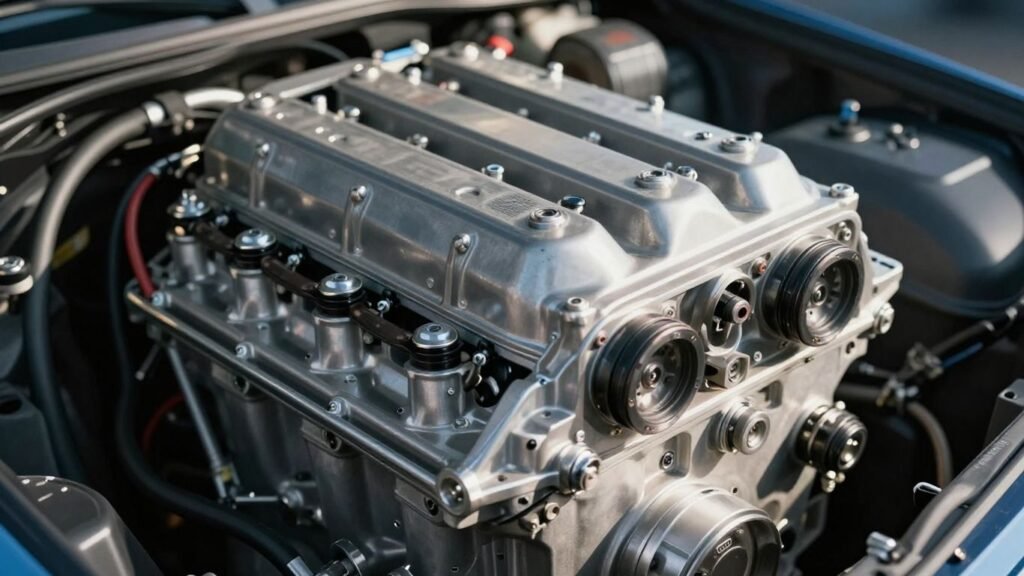
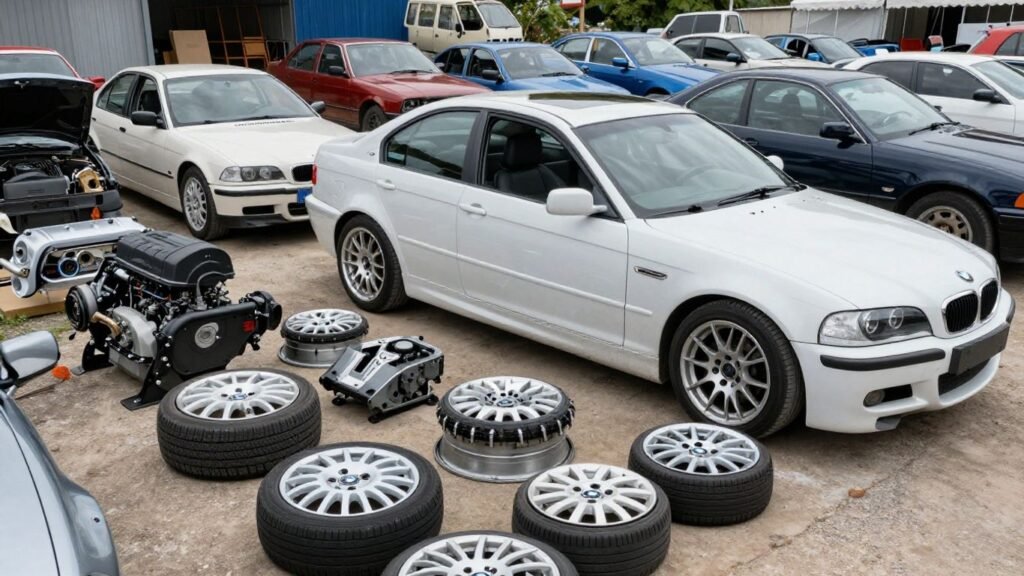
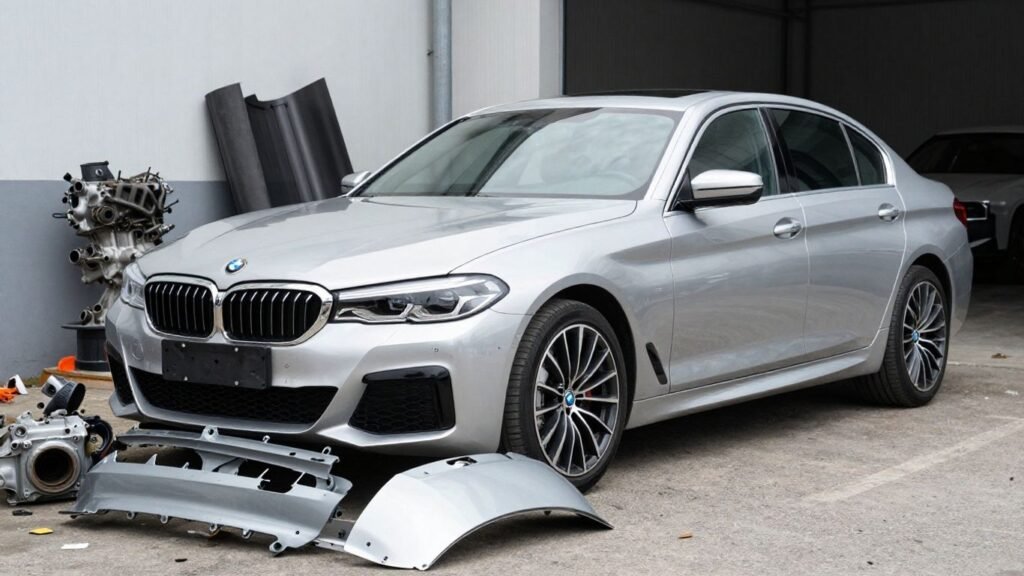
So, you’re looking to keep your BMW running smoothly without emptying your wallet? That’s where BMW recycled auto parts come in. It might sound a bit daunting at first, but honestly, it’s a really smart way to go. You can find quality components that are still perfectly good to use, and it’s way better for the environment than always buying new. Plus, it means you can keep your favorite German machine on the road for longer, which is always a good thing. Key Takeaways Using BMW recycled auto parts can save you a significant amount of money compared to buying new components. Expert wreckers have specialized knowledge to identify and salvage quality BMW parts from vehicles. Choosing recycled parts is an environmentally friendly option that reduces waste and manufacturing demand. Always research sellers and inquire about warranties to ensure you get reliable BMW recycled auto parts. Reputable suppliers offer both OEM and aftermarket recycled options, often at lower prices than dealerships. Understanding the Value of BMW Recycled Auto Parts When your BMW needs a new part, the first thought might be the dealership, but that can get expensive fast. That’s where recycled auto parts come in. Choosing used components can lead to significant savings compared to buying brand new. It’s not just about the initial price tag, either. Think about how quickly new car parts can lose value once they’re installed; with used parts, that rapid depreciation isn’t as much of a concern. Plus, by giving perfectly good components a second life, you’re also doing something good for the environment. It’s a practical way to keep your BMW running well while being mindful of your budget and the planet. Significant Cost Savings Compared to New Buying new parts for a BMW can really put a dent in your wallet. Dealerships often charge a premium for genuine parts, and even aftermarket new parts can be pricey. Recycled parts, on the other hand, offer a much more budget-friendly alternative. You can often find the exact same component, in good working order, for a fraction of the cost of a new one. This makes maintaining your BMW much more accessible, especially for older models where new parts might be harder to find or even more expensive. Environmental Benefits of Component Reuse Every time a part is reused, it means one less part needs to be manufactured from raw materials. Manufacturing new car parts uses a lot of energy and resources, and it also creates pollution. By opting for recycled components, you’re directly reducing the demand for new manufacturing. This helps conserve natural resources and lowers the overall carbon footprint associated with keeping cars on the road. It’s a simple yet effective way to contribute to a more sustainable automotive industry. Avoiding Rapid Depreciation on Parts New car parts, much like cars themselves, experience immediate depreciation the moment they are installed. A brand-new alternator or a fresh set of brake pads will never have the same resale value as they did when they were first purchased. When you buy a recycled part, this initial drop in value has already occurred. You’re essentially getting a component that has already gone through its steepest depreciation curve, meaning the value you pay for is closer to its functional worth, not its initial manufactured cost plus a premium. Expert Wreckers: The Key to Quality Salvage Specialized Knowledge of BMW Models A good wrecker knows BMWs inside out, from early 3-Series classics to the latest X models. They’re able to tell if a part is likely to last or if it’s already past its best, just by looking at it. This kind of know-how means only the most useful parts are picked and put up for resale. Instead of just grabbing any part, they focus on bits that are especially prone to wear—like cooling systems for the E46 or the electronic modules on newer models—making sure buyers aren’t left with a dud. With the right wrecker, you get a part that fits your exact model, often with advice about common weak points you wouldn’t find at a general junkyard. Identifying Usable Components It’s not just about pulling off whatever looks okay. Wreckers check for hidden problems—think worn bushings, oil leaks, or cracked housings. They’ll only keep parts that pass a certain standard. This screening is what keeps headaches to a minimum for those buying used. For example, good engines are checked for compression, panels for rust beneath the paint, and electronics for any glitchy signs. Responsible Dismantling Practices Responsible wreckers don’t just rip out parts. Fluids like oil, coolant, and even transmission fluid get drained the safe way—to prevent spills or leaks. Batteries, which are full of nasty stuff, are taken out and handled under the right recycling steps. Almost nothing gets wasted. If it’s able to be reused, they set it aside. Only what’s truly past saving ends up as scrap. Salvage Step Method Engine & Transmission Check Compression & Visual Fluid Handling Safe Containment Battery Removal Sent for Recycling Electronic Testing On-Bench Diagnostics Panel Inspection Look for Hidden Rust By focusing on this careful, detailed process, expert BMW wreckers do more than just save parts—they help keep more BMWs running strong, for much less money than new replacements ever could. Navigating Your Options for BMW Parts When it comes to keeping your BMW running smoothly, you’ve got a few paths you can take for parts. It’s not just about grabbing whatever fits; thinking about where the part comes from can make a big difference in your wallet and your car’s performance. OEM vs. Aftermarket Recycled Choices So, you’re looking for a replacement part for your BMW. You’ll often see two main categories: OEM and aftermarket. OEM, which stands for Original Equipment Manufacturer, means the part is made either by BMW itself or by a company that supplies parts directly to BMW. These are generally built to the same standards as the parts that originally came with your car, so you can expect a good fit and