
Key Takeaways
Maintaining a vehicle correctly requires familiarity with its core systems and hardware. Balancing performance needs with standard maintenance practices helps ensure long-term reliability.
- Engine components must be serviced using parts designed specifically for your model’s chassis.
- Suspension performance is heavily dependent on the condition of bushings and shock absorbers.
- Exterior trims serve both aesthetic purposes and aerodynamic functions for high-speed stability.
- Interior hardware should be replaced with exact-fit modules to maintain cabin electronic connectivity.
- Electrical sensors require precise calibration to communicate accurately with the engine control unit.
Engine and drivetrain components
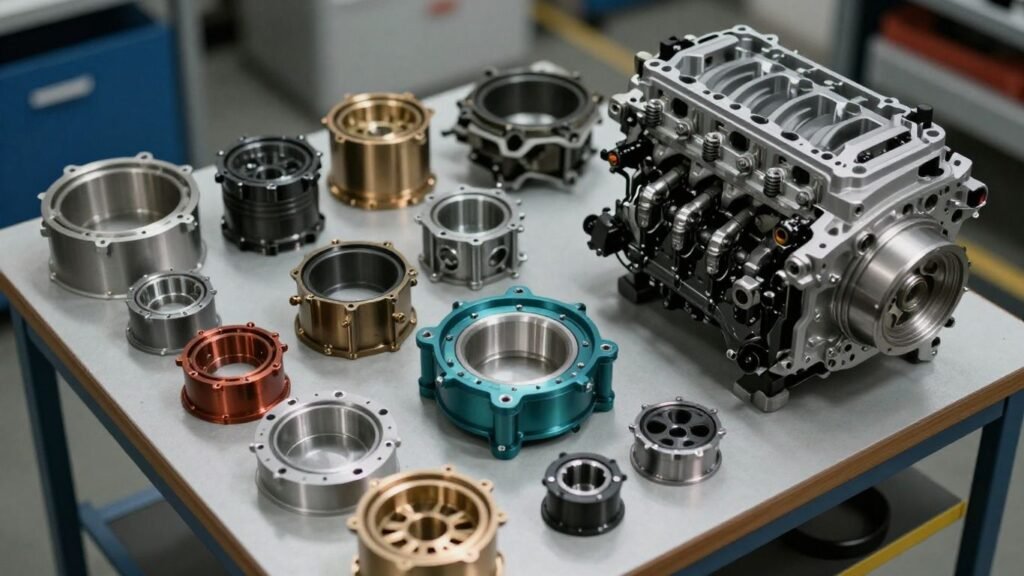
The internal workings of a vehicle rely on precise mechanical synchronization between various subsystems. Effective maintenance often requires selecting components built to factory specifications, as these items are specifically developed to work with the existing engine architecture.
Performance ignition and spark plug sets
Ignition systems convert electrical energy into the spark required for fuel combustion. Utilizing high-performance ignition components ensures that the engine maintains a stable idle and responsive acceleration under load.
Oil filtration and fluid management systems
Oil management involves directing lubricants through a filtered circuit to prevent premature wear on moving metal parts. Routine replacement of these filters protects the internal seals and keeps the engine oil free of debris.
Cooling system hardware and water pumps
Heat dissipation is a critical factor for maintaining engine life during heavy use. Cooling hardware functions as a closed loop that moves coolant through the engine block via the water pump.
| Component | Function | Replacement Cycle |
|---|---|---|
| Water pump | Fluid circulation | Every 75,000 miles |
| Radiator hose | Coolant transport | As cracks appear |
| Thermostat | Temp regulation | When stuck shut |
Selecting hardware that meets current manufacturer standards ensures the entire thermal system operates within the intended temperature range without risking overheating.
Turbocharger assembly and air intake parts
Turbochargers force compressed air into the intake manifold to increase power density during operation. Clean air intake paths are necessary to provide the assembly with the volume required to spool effectively.
Suspension and braking systems
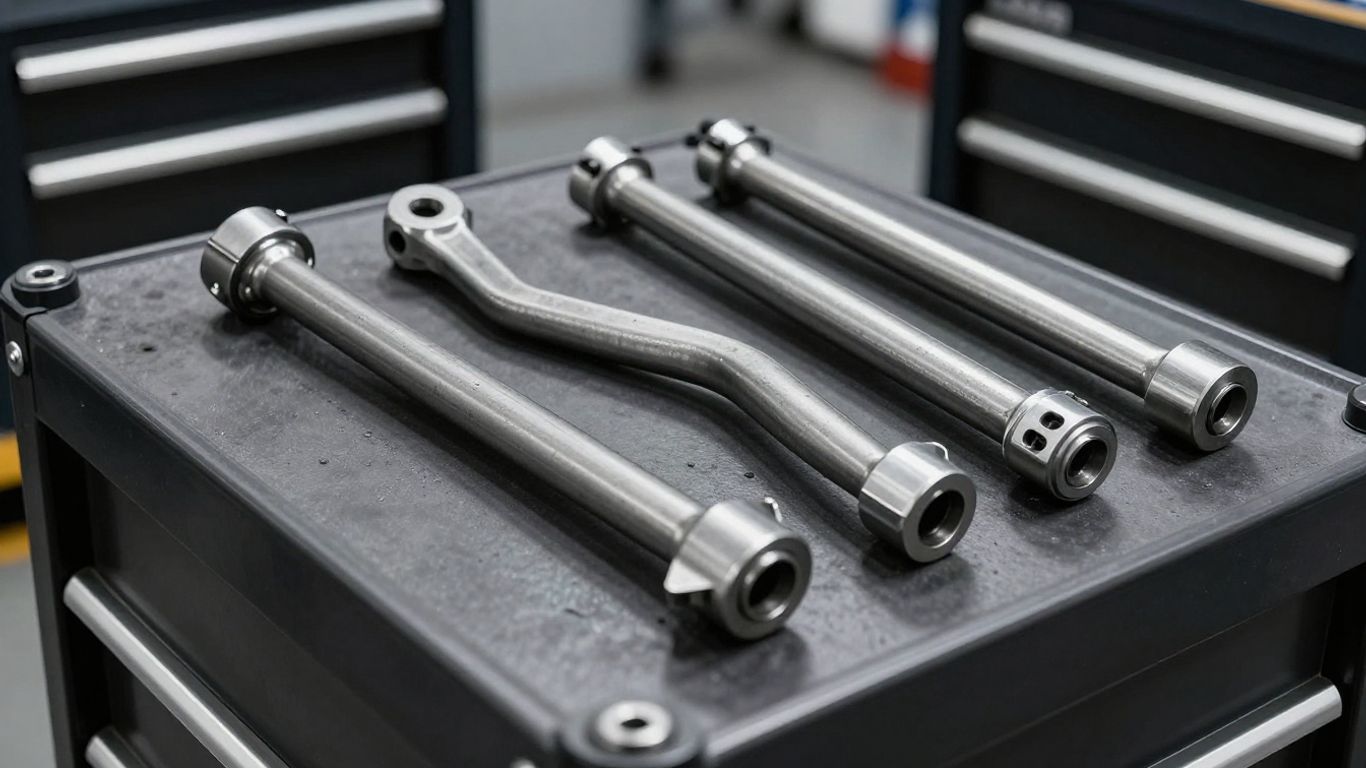
Handling characteristics depend on the geometry of the suspension and the stopping power of the brake system. Maintaining balanced articulation across all four corners allows the car to track straight and corner predictably even on uneven surfaces.
Control arms and chassis bushings
Control arms connect the wheel hubs to the frame while bushings dampen vibrations during travel. When these rubber elements degrade, they can negatively impact steering precision and ride comfort.
Shock absorbers and strut assemblies
Shock absorbers regulate the upward motion of the springs to stabilize the vehicle body over bumps. Using original parts maintains the manufacturer-intended damping rates for optimal road contact.
High-performance brake pads and rotors
Braking systems convert kinetic energy into thermal energy at the contact point between the pad and rotor. Consistent friction levels are essential for stopping reliably in diverse weather conditions.
Anti-lock braking system sensors
These sensors monitor wheel speed and relay information to the computer to modulate braking force. If a sensor fails, the system loses the ability to prevent wheel lock during emergency stops.
Exterior body and trim pieces
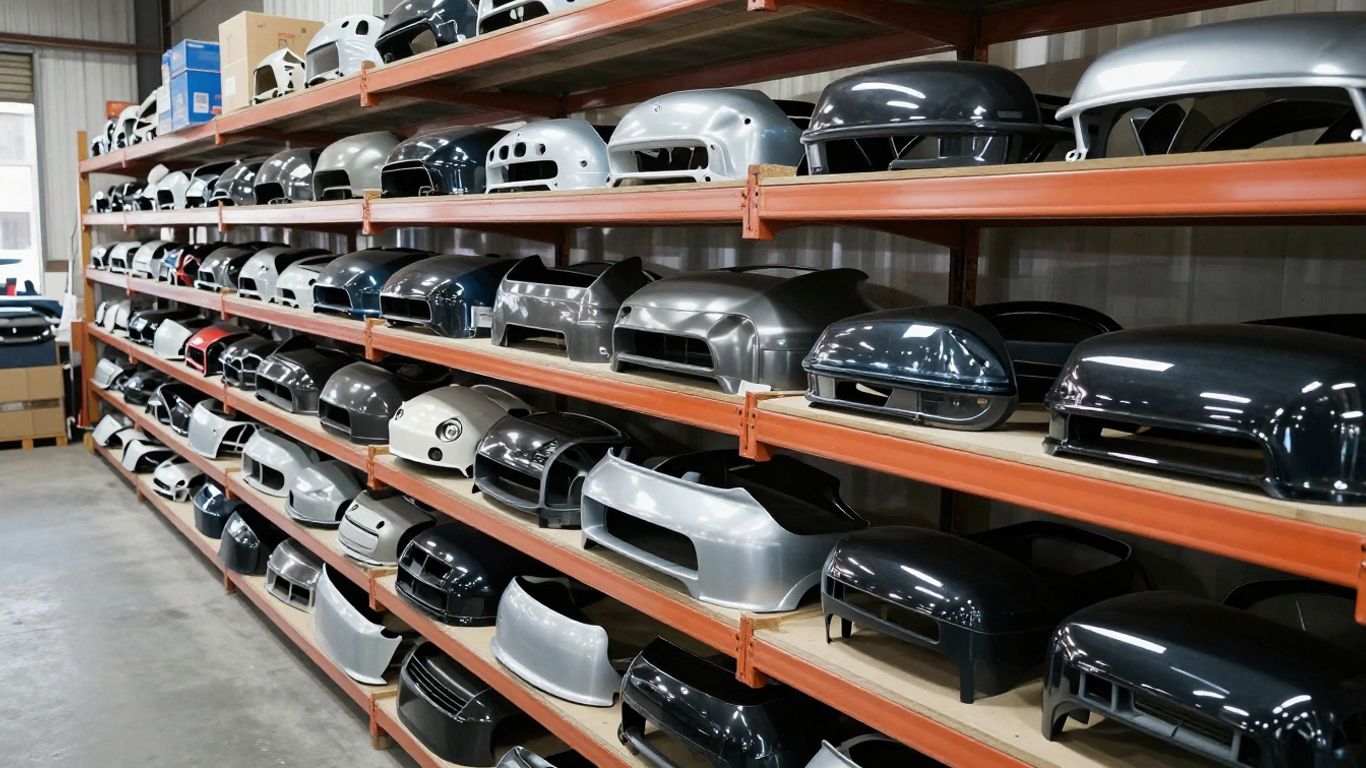
Body trim elements protect structural areas while contributing to the overall visual identity of the vehicle. Precision fitment for these external panels prevents air leaks and wind noise during highway travel.
Front grilles and aerodynamic bumper kits
Front grilles allow necessary airflow into the radiator while protecting the engine bay. Aerodynamic kits are designed to manage air pressure across the nose to reduce lift.
Lighting assembly and headlight modules
Headlight modules serve essential safety functions by keeping the road visible after dark and signaling your position to other drivers.
Routine maintenance of light housing prevents condensation buildup and protects internal wiring seals from environmental corrosion.
Properly sealed modules stop water from damaging the sensitive electronic controllers located behind the light assembly.
Mirror housing and rear-view glass attachments
Mirror assemblies provide the visibility needed for safe lane changes and parking maneuvers. Securely mounted glass attachments must remain vibration-free to deliver clear rearwards perspective.
Paint-matched body panels and trim liners
Trim liners fill the gaps between main body panels to protect the edges of the structural frame. Choosing paint-matched parts ensures the exterior finish remains uniform without noticeable color variances.
Interior and cabin accessories
Interiors are exposed to constant wear from occupant use and daily environmental factors. Cabin hardware serves as the interface between the vehicle and the driver, requiring functional buttons and clear visual displays for all systems.
Dashboard trim inserts and center console components
Trim inserts hide mounting points and provide a finished look to the cockpit. Center console assemblies house many of the controls for climate as well as secondary mechanical settings.
Seat upholstery panels and adjustment rails
Upholstery panels take the brunt of daily use, making them prone to wear over long periods. Adjustment rails allow for precise ergonomics, which remains a key feature of BMW original parts.
Steering wheel control modules and airbag trim
Control modules mounted to the steering wheel allow for radio and phone adjustments without removing your hands from the wheel. Trim pieces surrounding these modules protect the internal wiring harness from damage.
Infotainment display screens and integration hardware
Displays show navigation and system status information to the driver. Reliable hardware facilitates the connection between the vehicle’s onboard computer and the entertainment head unit for consistent software performance.
Electrical and sensor hardware
Electrical systems operate as the central communication network for nearly every aspect of the modern vehicle. Integration hardware must be matched carefully to the specific software version active in the engine control modules to function correctly.
Engine control modules and reprogramming units
Modules calculate fuel delivery and spark timing based on sensor inputs from throughout the engine. Reprogramming often involves flashing new parameters to support specific vehicle modifications.
Power window regulators and motor assemblies
Window motors draw electrical power to lift and lower the glass panes efficiently. These regulators are built to sustain constant cycles, though they eventually require service to keep movement smooth.
Battery management sensors and IBS cables
Sensors monitor current and discharge levels to adjust alternator output and preserve battery life. Proper functioning of these cables is essential for ensuring that the vehicle electronics power up during cold weather starts.
Wiring harness segments and connector pins
Wiring acts as the physical highway for data and power to travel between distributed control units. Connector pins must remain clean and tight to prevent signal degradation in the vehicle’s communication bus.
Conclusion
Choosing the right components across the various systems of your car ensures that the vehicle retains the performance and safety properties envisioned during its design. Whether utilizing premium M Performance Parts for a track drive or opting for BMW genuine spares during routine service, the focus remains on keeping each subsystem communicating effectively as a unified whole.