
Key Takeaways
Carefully selecting used components can save significant costs while maintaining your vehicle’s performance and aesthetic. Following these core principles ensures you find quality parts that fit your specific requirements.
- Establish a network of reputable salvage providers.
- Always verify part numbers against your specific VIN.
- Conduct thorough physical inspections for hidden fatigue.
- Prioritize OEM parts over generic aftermarket alternatives.
- Evaluate shipping costs and seller return policies beforehand.
Sourcing reliable G20 3 Series used parts
Finding components for your build involves navigating a market filled with varied inventory qualities. Success depends on identifying sources that track the provenance of their salvage inventory and prioritize authentic mechanical details.
Authorized salvage yards and dismantlers
Local and regional dismantlers remain a primary source for major assemblies. By visiting the source directly, you can often see how vehicles were handled, which offers peace of mind regarding the structural integrity of the harvested units.
Identifying reputable online marketplaces
Digital platforms aggregate inventory from across the country, expanding your reach for rare items. Sites like recycleBMWs.com specialize in OEM BMW used parts by processing salvaged vehicles in a predictable rhythm, allowing enthusiasts to find specific hardware that might be unavailable locally.
Assessing seller ratings and buyer feedback
High-volume sellers usually maintain public profiles that display their history with previous customers. Scanning these comments for mentions of packaging quality or item accuracy provides a baseline for the risks you might encounter, helping you avoid unreliable vendors who lack a history of transparency.
Essential components for G20 maintenance
Maintaining a modern performance vehicle requires a steady supply of well-preserved parts ranging from structural bodywork to complex electronic modules. Establishing a consistent supply chain helps you keep the car roadworthy without waiting for brand new replacements.
Exterior body panels and trim
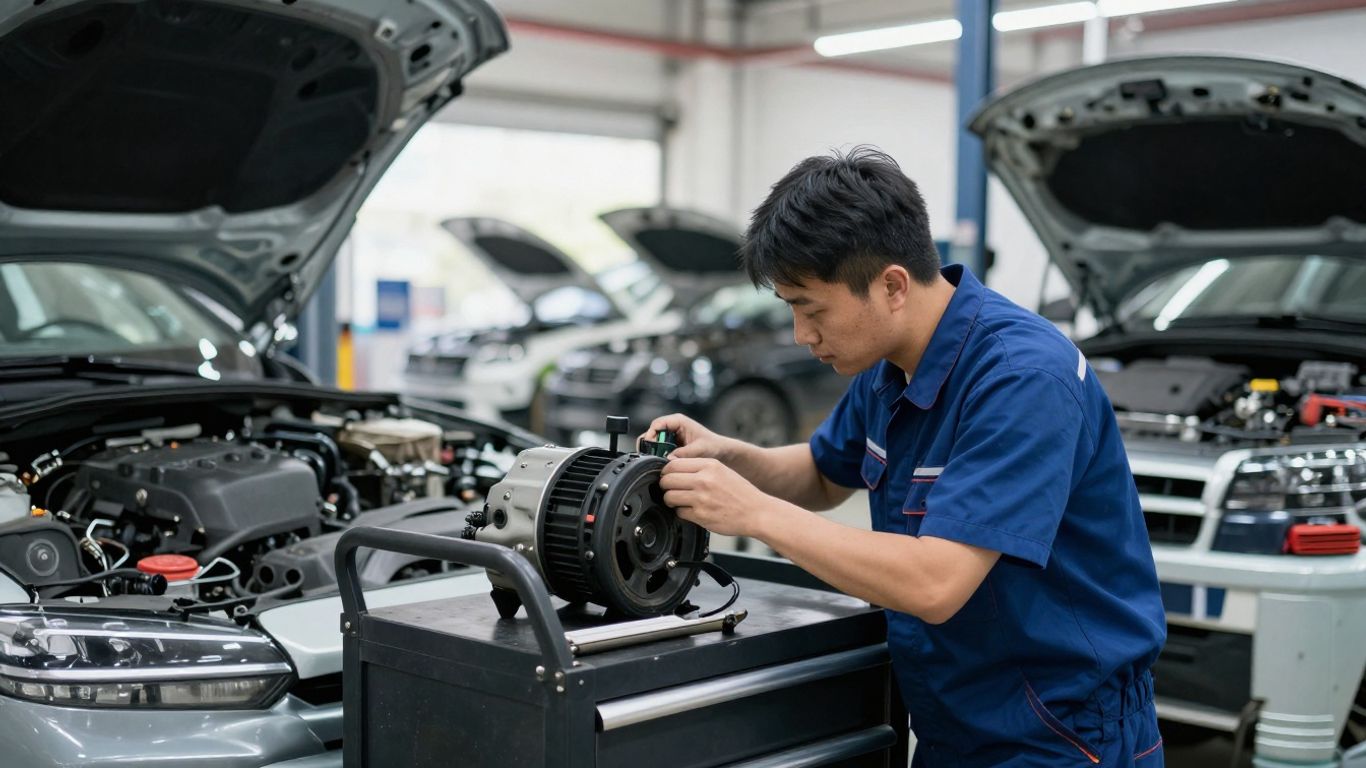
Body panels like hoods and fenders must be inspected for paint match issues and hidden mounting damage. If a panel is misaligned, the underlying crash structure may have been compromised during the previous incident, which impacts safety and fitment.
Aesthetic trim pieces rely on plastic clips that often shatter during removal, so sourcing these from professional dismantlers who use proper tools is essential for a clean installation.
When these components are sourced correctly, you can often restore a car’s factory look for a fraction of the cost associated with buying pristine body parts from a dealer.
Interior dashboard and electronic modules
Digital modules power modern BMW interfaces and must be handled with care to prevent electrostatic damage. It is critical to ensure that any replacement module matches your vehicle’s specific equipment level, as these systems are often heavily programmed for a single set of chassis options.
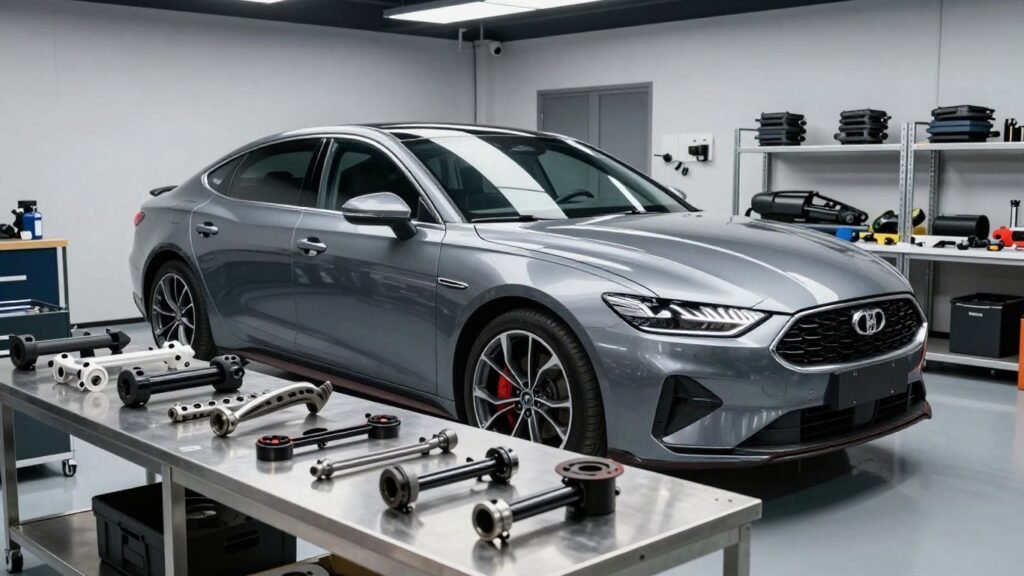
Suspension and drivetrain components
For performance-oriented upgrades, you might consider aftermarket solutions like downpipes from DCE Parts, which offers specialized exhaust flow hardware for various chassis iterations. Always combine these with high-quality used factory suspension components to keep your geometry aligned and stable across different road surfaces.
Verifying compatibility and part numbers
Compatibility is the most significant hurdle when sourcing G20 3 Series used parts. Even parts that look identical can possess subtle differences in firmware or structural design that prevent them from functioning across different build dates and trim levels.

Utilizing OEM catalog lookups
Accessing a digital parts catalog allows you to input your specific chassis details to find the exact part number. This step is mandatory because it prevents you from purchasing components that were only meant for pre-facelift or specific drivetrain configurations.
| Part Category | Verification Step | Essential Data Point |
|---|---|---|
| Electronic Modules | Review software version | Build date match |
| Suspension Arms | Check bushing type | Chassis code match |
| Body Trim | Verify paint code | Trim package match |
Using this clear verification process helps avoid unnecessary returns and time-consuming troubleshooting during the installation phase. It turns an ambiguous shopping experience into a precise technical process.
Cross-referencing VIN data with donor vehicles
The Vehicle Identification Number is the singular truth for part compatibility. By requesting the donor VIN, you confirm that the module or assembly was engineered specifically for a car with your equipment list, which prevents expensive installation errors during your project build.
Understanding G20 platform generation changes
Small revisions occur throughout the production lifecycle of any platform. You must be prepared to cross-reference specific production dates to ensure that sensor mounting points or wiring harness connectors have not changed, as these minor adjustments can derail your weekend projects.
Inspecting used parts for wear and damage
Once a part arrives, your role shifts from procurement to quality assurance. Even if the seller promises perfection, you should always perform an independent check to ensure the hardware is ready for service.
Detecting hidden structural damage in body panels
Small kinks in the metal or cracks in underlying support brackets can be hard to see under showroom lights. Thoroughly examine any panel for wavy surfaces or evidence of previous professional filler repairs, which often signal that the piece has sustained structural stress.
Testing functionality of electronic control units
Testing used control units is inherently difficult without specific scanning tools, but a quick visual check for corrosion on the pins is a great starting point. If the pins are clean and the housing is sealed without signs of moisture intrusion, the chances of the unit functioning correctly are significantly higher.
Examining mechanical wear on drivetrain components
Mechanical assemblies like control arms or steering racks should show even movement without grinding sounds or excessive play. A systematic approach to checking bushings and ball joints ensures you are not creating new vibrations in the steering column or suspension geometry.
Challenges and risks of purchasing used parts
Buying salvage inventory involves inherent risks that come with the territory. Awareness of these factors allows you to manage your expectations and safeguard your investment.
Dealing with counterfeit or non-OEM alternatives
Counterfeit parts often mimic branding but fail to meet the fatigue requirements of the factory specifications. Stick to parts that show clear evidence of original manufacture stamps to ensure the material strength remains consistent with what your vehicle design expects.
Warranty limitations on salvaged inventory
Most salvaged items are sold as-is with limited return windows, meaning you carry the full burden of functionality once the piece is installed. Always use a credit card that offers purchase protection in case a major component arrives in a state that was not accurately described.
Shipping and handling logistics for fragile items
Large body panels or complex electronics are prone to damage during transit if they are not boxed with sufficient cushioning. Communicate with your seller about their shipping practices to confirm they have a track record of safely moving delicate automotive goods across long distances.
Conclusion
Mastering the procurement of G20 3 Series used parts requires patience, technical research, and a willingness to perform detailed inspections. By staying disciplined with your verification processes and leaning on reputable sources, you can maintain your vehicle effectively while maximizing the value of your ongoing maintenance efforts. Always remember that the effort you put into selecting quality components directly translates to the longevity and reliability of your BMW for years to come.