
Key Takeaways
Sourcing salvage components for your vehicle requires careful research and a methodical approach to ensure compatibility and long-term reliability. By following these steps, you can save money without sacrificing the performance of your machine.
- Verify your specific chassis and engine variant using your VIN before ordering any components.
- Always source heavy mechanical parts from established dismantlers that provide thorough testing logs.
- Prioritize buying critical suspension and sensor components brand new to ensure complete system functionality.
- Inspect used body panels carefully for hidden structural damage or corrosion that may impede installation.
- Confirm return policies and warranty windows for electronic control modules to avoid financial loss on faulty hardware.
Understanding E87 1 Series compatibility
Navigating the component landscape for the E87 requires a solid grasp of how the platform has evolved since its initial release. Successful maintenance depends on recognizing that specific hardware changes often occurred during mid-cycle production shifts.
Identifying engine and chassis variants
The E87 structure utilizes a compact, rear-wheel drive architecture designed for balanced handling and responsive feedback. Owners should note that the engine options vary significantly by market and model year, impacting which intake systems or cooling parts are interchangeable. IND Distribution provides high-quality performance parts that integrate cleanly with this specific factory platform, helping enthusiasts maintain the driving feel they expect.
Decoding VIN numbers for part matching
Every vehicle carries a unique identification number that acts as the absolute reference for the parts it left the factory with. Entering this code into a reputable parts catalog ensures that replacements match your specific trim, transmission, and cooling package. Relying on visual comparisons alone can lead to frustration when dealing with subtle differences in mounting points or connector types.
Differences between pre-facelift and facelift models
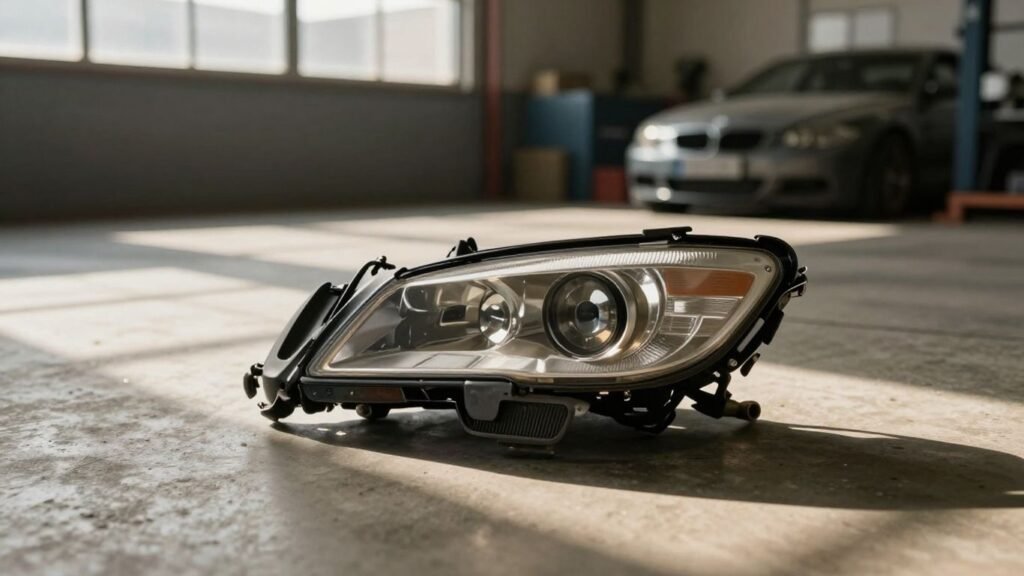
The transition between the early design cycle and the updated facelift versions introduced changes to headlamps, bumpers, and certain engine components. These visual and mechanical updates mean that a part from a 2005 model might not secure directly onto a 2010 counterpart. Always verify the manufacture month alongside the year to navigate these mid-cycle shifts accurately.
Where to find reliable E87 1 Series used parts
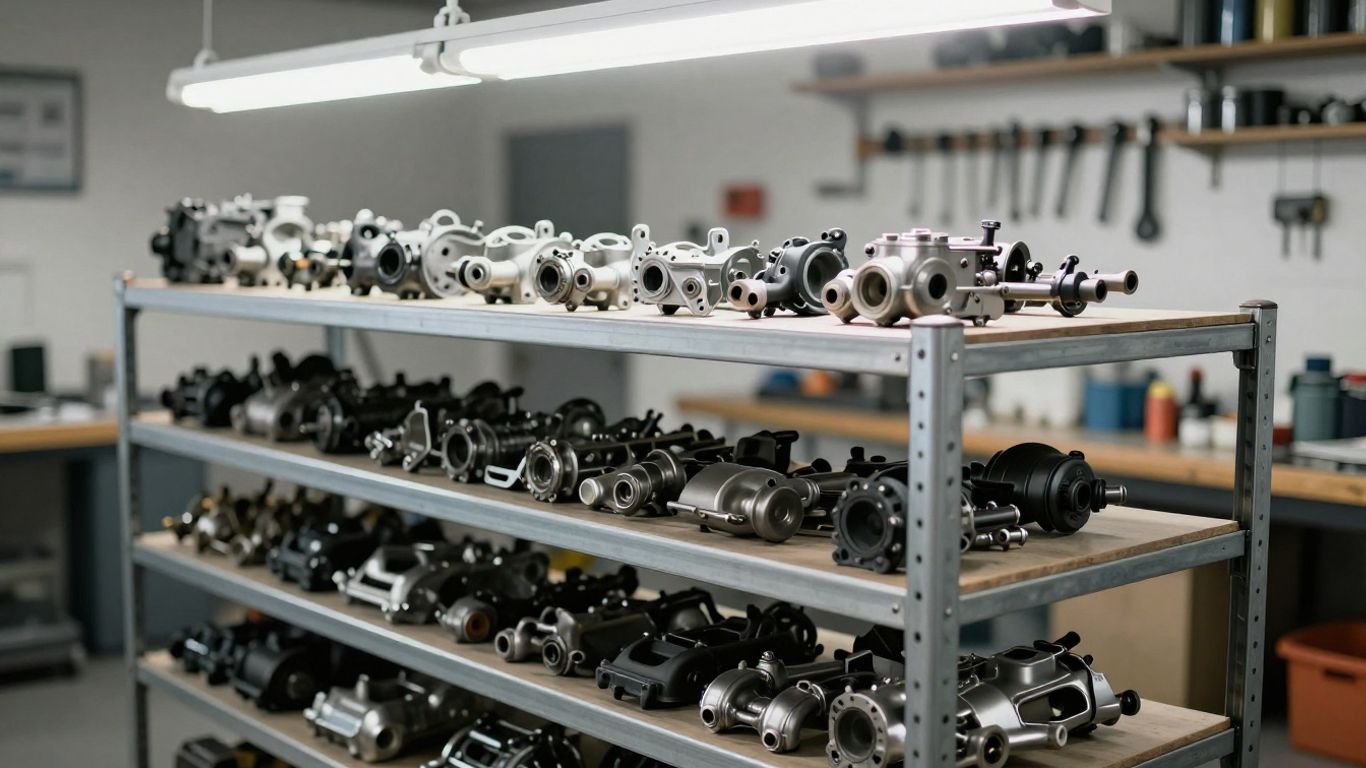
Finding quality components involves filtering through professional recyclers who understand the value of a well-maintained salvage vehicle. A professional source will typically document the history and condition of the parts they pull, which is essential for used automotive projects.
Reputable online BMW dismantlers
Companies like recycleBMWs.com focus on providing factory quality by meticulously dismantling salvage vehicles and offering engines, transmissions, and electronic modules with transparent condition reports. By purchasing through an established specialist, you benefit from a cleaner supply chain and a team that knows exactly what physical signs of wear to look for before listing an item.
Evaluating private seller listings
Private sales can offer competitive pricing, but they require much more vigilance from the buyer. You must ask direct questions about the donor car’s mileage, the reason for the assembly being dismantled, and whether the donor was a driving vehicle before the work began. Often, the best deals come with detailed photographic evidence of the specific part while it is still installed on the vehicle.
Benefits of local European scrap yards
Visiting a local yard allows you to physically touch the components before you spend a single cent. You can check for signs of accident impact, previous repair attempts, or fluid leakage that might not show up in an online thumbnail. This tactile approach often provides the best opportunity to find rare trim pieces or structural hardware that would be too costly to ship individually.
Inspecting used components before purchase
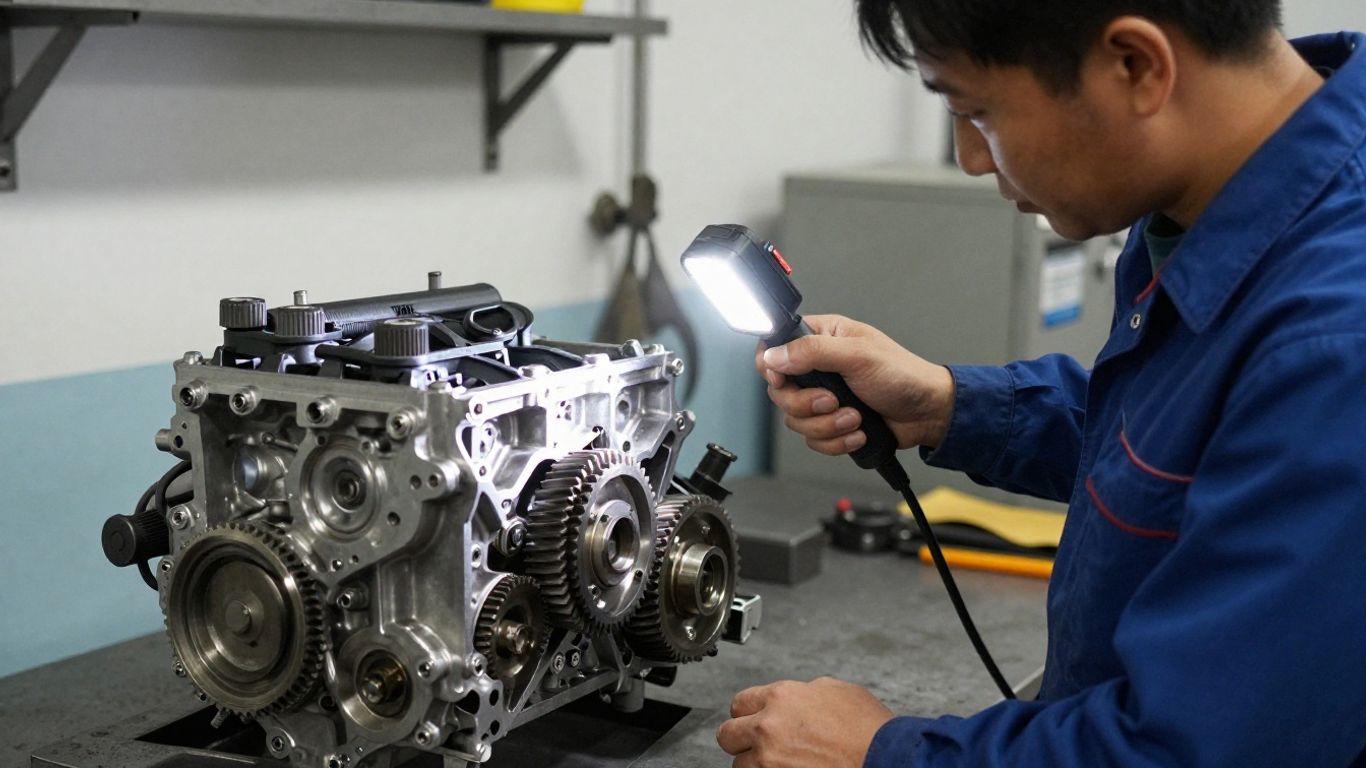
Thorough inspection is the only way to ensure that your salvage parts will actually perform once they are bolted into your vehicle. Taking your time during this phase saves hours of rework later on.
Checking engine and drivetrain wear
Start by inspecting input shafts, seals, and cooling fins for any signs of heavy oil accumulation or physical cracking. If you are inspecting a transmission, ensure that the shifting mechanism operates smoothly and there is no evidence of metal debris inside the lubrication ports. When looking at engines, check the condition of intake boots and wiring harnesses for signs of heat-related degradation.
Assessing electrical component integrity
Electronics are notoriously difficult to test without a fully functioning vehicle, so look closely at the connector pins for signs of corrosion or moisture entry. If a control module looks like it has been opened or resealed, it is best to avoid it entirely as internal moisture damage is often permanent and unpredictable. Trust your instincts when the condition of an electrical socket looks compromised.
Identifying rust or structural damage on body panels
Surface rust is manageable, but hidden structural corrosion on inner mounting points can prevent a panel from aligning correctly. If you are buying a replacement fender or bumper, ensure that the mounting tabs are intact and that there is no evidence of previous body filler or poor-quality repairs.
Verifying mileage and service history logs
A part’s history is often tied to the service log of the donor vehicle. Reputable sellers may be able to provide maintenance records that confirm the item was replaced or serviced shortly before the vehicle was decommissioned. Accessing these logs is a strong indicator that the component has lived a life of proper care, giving you a better measure of long-term reliability than a seller’s word alone.
Essential parts to buy new vs. used
Certain components perform a critical role in the safety and operation of the car and should generally be purchased new. While it is tempting to save everywhere, a hybrid approach between new and used parts usually yields the best balance of cost and vehicle performance.
| Component Type | Buy New | Buy Used | Why? |
|---|---|---|---|
| Suspension Bushings | Yes | No | Rubber degrades over time regardless of mileage |
| Exterior Body Panels | No | Yes | Functional fitment is the primary requirement |
| Electronic Sensors | Yes | No | Internal calibration suffers as components age |
| Interior Trim | No | Yes | Cosmetic items are ideal for recycling programs |
Selecting which parts to source from the salvage market requires understanding if the labor cost of replacing the item again is worth the initial discount. For items like bushings that are difficult to reach, use brand-new parts to maximize the time before the next service interval.
Suspension components and rubber bushings
Suspension rubber is subject to constant stress and environmental exposure. Buying these components used often puts you right back at the beginning of the wear cycle, meaning you could be looking at another replacement very soon after installation.
Sensors and electronic control modules
Sophisticated automotive electronics have a finite lifespan, and sensors are particularly prone to drifting out of spec as they age. Installing a used sensor can introduce intermittent faults that are incredibly difficult to diagnose, often costing more in diagnostic time than would have been spent on a new part.
Cosmetic trim and interior fixtures
Interior items like dash trim, seat controls, and door handles are perfect for the used market. These items perform non-critical roles and are easily checked for condition upon arrival, making them a safe way to refresh the aesthetic of your vehicle without paying premium factory prices.
Logistics, shipping, and return policies
Handling shipping and returns is a significant part of the sourcing process for used auto parts. You should clarify these terms with the seller before the transaction is finalized to avoid issues with damaged or incompatible hardware.
Packaging fragile automotive components
Poor packaging often converts a perfectly good part into scrap by the time it reaches your door. Specialized dismantlers have established protocols for padding electronic modules and protecting delicate brackets, but individual sellers may need a reminder of what constitutes safe shipping standards.
When sourcing components, always verify the policy for returns on hardware that arrives damaged or fails to function upon installation. A clearly defined return path protects your investment during the transit process and ensures you are not stuck with unusable, non-returnable equipment if the item’s condition was misrepresented.
Having an agreed-upon expectation for how items are secured and insured during transport is a practical step that avoids major headaches. Most legitimate parts dealers have calculated shipping costs down to an exact science based on the weight and dimensions of the specific assembly, so do not hesitate to ask for a tracking number and insurance verification.
Understanding seller warranty and return terms
Always ask if the seller provides a specific testing period once the part is installed on your vehicle. Reputable recyclers are often willing to stand behind their products because they have vetted them prior to disassembly, and this confidence is a hallmark of a sound business relationship.
Calculating shipping costs for oversized body parts
Large panels and bumpers require freight shipping rather than standard parcel services, which changes the economics of the deal significantly. Before agreeing to a price for a cheap hood or fender, get an accurate quote on the shipping cost, as the total investment can quickly climb past the price of a local refurbishing job.
Conclusion
Successfully sourcing parts for your vehicle relies on balancing the financial benefit of the used market with a clear understanding of which components demand factory-fresh replacements for your peace of mind.