
Key Takeaways
Keeping a classic BMW E60 on the road requires a strategic approach to sourcing components, especially as parts become harder to find new. This guide outlines how to navigate the salvage market efficiently.
- Understand which major chassis components offer the best longevity.
- Identify reputable specialist dismantlers to ensure you receive quality BMW hardware.
- Implement a rigorous inspection process for all mechanical and electronic salvaged components.
- Distinguish clearly between pre-facelift and LCI parts to prevent critical installation errors.
- Evaluate the long-term cost-benefit of used parts against labor and logistics requirements.
Understanding the E60 5 Series parts market
The E60 generation represents a significant leap in automotive engineering, blending high-performance dynamics with increasingly complex electronic ecosystems. For owners who value this era of design, maintaining the vehicle often means engaging with the secondary market rather than relying solely on dealership inventories.
The legacy of the 5 Series chassis
This vehicle remains a high-water mark for many enthusiasts due to its unique handling characteristics and engine output. Enthusiasts often look to RealOEM to verify part numbers and chassis-specific compatibility before sourcing any replacements. It is a car that rewards owners who commit to its upkeep through careful parts management and consistent maintenance.
Why salvage parts are often the best economic choice
When dealer-sourced components become economically unfeasible, the salvage market provides a practical alternative. By choosing used, you save significantly on the high manufacturing costs associated with discontinued or legacy stock. This approach allows you to restore performance without overextending your budget on parts that are already well-proven over time.
Common areas prone to failure in older E60 models
These vehicles frequently experience stress in cooling systems, suspension bushings, and specific sensor-laden electronic modules. Recognizing these failure points allows owners to prioritize their search when dealing with dismantlers. Proactive replacement of these items ensures that your maintenance remains preventative rather than reactive.
Where to find reliable E60 5 Series wreckers
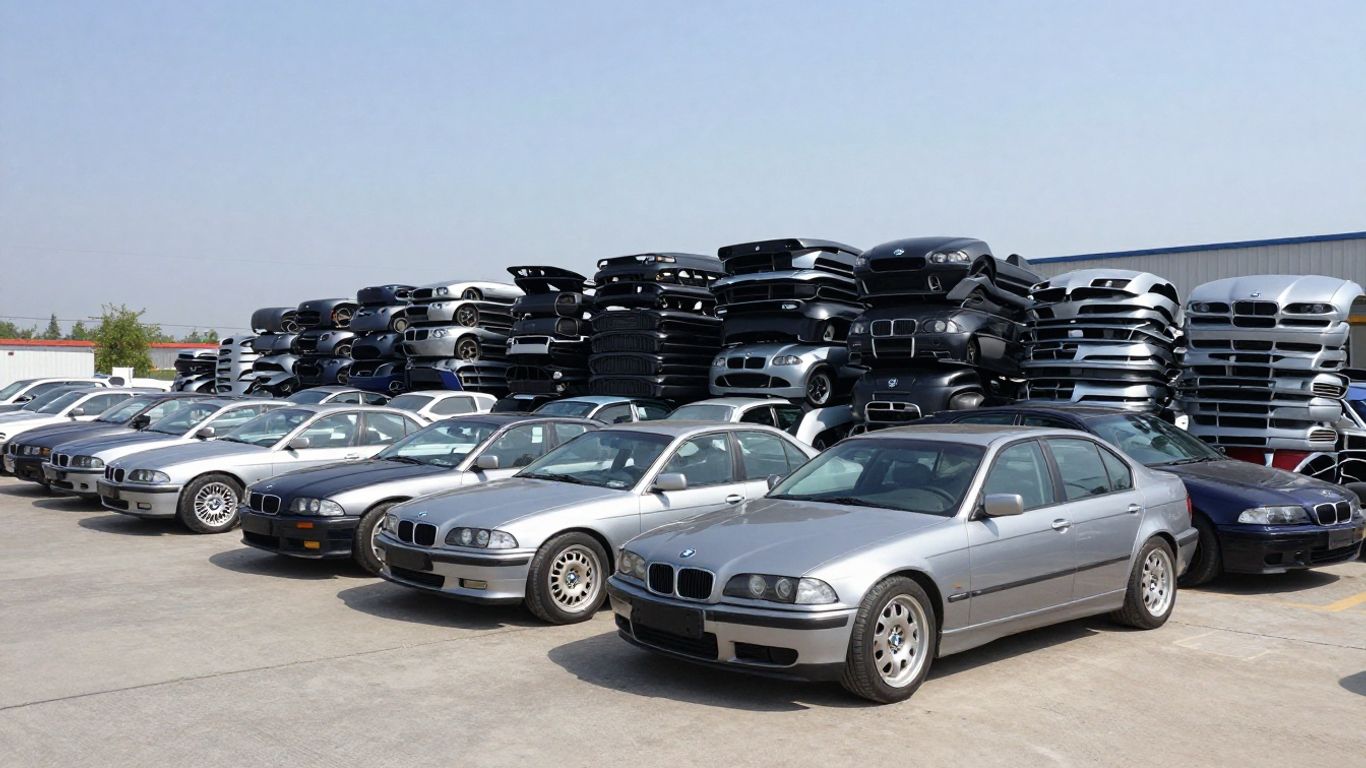
Finding the right source for your specific needs often requires filtering through general scrap sites to reach specialists. Professional dismantlers usually treat these vehicles with the care required for high-end European machines. Developing a relationship with companies that regularly handle BMW inventory ensures consistent access to the parts you need.
Identifying reputable specialist BMW dismantlers
Look for businesses that provide detailed information regarding the mileage and running state of the donor vehicle. A credible specialist will often provide a warranty on major components like engines or transmissions. Always check for a history of handling this specific generation, as familiarity with the electronics is critical for successful swaps.
Utilizing online marketplaces and national salvage databases
National databases connect individual owners with regional specialized yards that might have exactly what you are looking for. These platforms allow you to search by specific engine variants or production dates, which saves hours of manual hunting. Many sellers now list their inventory in real-time, allowing for a much faster procurement process.
Comparing self-service yards versus professional breakers
Self-service yards offer the lowest entry price but require significant effort and ownership of specialized tools to extract delicate components. Professional breakers, in contrast, provide pre-extracted parts that have already been cleaned and documented. For complex modules, the professional service is almost always the superior choice to ensure the part arrives intact.
Inspecting used parts before you buy
Careful evaluation at the moment of discovery differentiates a successful repair from a wasted investment. Even when buying from a reputable source, verifying the physical state of the component is an essential safeguard. Owners should bring necessary diagnostic equipment to confirm that parts like sensors or controllers are not dead on arrival.
Evaluating mechanical components for wear and internal damage
Mechanical items require a physical check to ensure there is no hidden fatigue or structural compromises that could lead to future failure. The table below represents standard inspection criteria for common mechanical salvage parts.
| Component | Primary Inspection Focus | Success Indicator |
|---|---|---|
| Alternator | Pulley bearing smoothness | No lateral movement |
| Suspension Arm | Bushing integrity | No cracking or tearing |
| Radiator | Plastic tank seals | Clear of white residue |
By following this method, you ensure that only the most reliable hardware makes it onto your chassis. It avoids the common pitfall of installing pre-worn parts that fail shortly after installation.
Assessing electronic modules and sensor functionality
Electronic components are notorious for failing if they are not stored correctly or if the donor vehicle had electrical shorts. Using a diagnostic scanner compatible with modern BMW systems, such as ISTA, provides an accurate reading of a module’s health before it is removed. A quick scan can identify internal code errors that aren’t apparent just by looking at the module.
Verifying the condition of interior trim and aesthetic panels
Interior components, while not critical to engine performance, are often the most difficult to source in pristine condition. Look closely at brittle plastic mounting points and sun-faded upholstery to determine if the part is worth the acquisition cost. When you find parts that look brand new, it is often a good move to purchase the full set to ensure color matching across the entire cabin.
Compatibility issues between pre-LCI and LCI models

Distinguishing between production cycles is a critical part of the sourcing process for these vehicles. The facelift, or Life Cycle Impulse (LCI), introduced subtle but defining changes to both the exterior lighting and the internal communication protocols of the vehicle’s computer modules.
Distinguishing between production years and facelift updates
Early production models and post-facelift versions often use different wiring harnesses and bumper mounting points. Understanding these visual changes helps you narrow your search significantly, saving you from purchasing a part that looks correct but fits poorly. Always reference the production year against your own vehicle’s identification number.
Common pitfalls when sourcing interchangeable body parts
Body parts like headlights and door mirrors often appear identical between pre-LCI and LCI cars, yet they possess internal differences in their connectivity. Forcing an incompatible part often leads to error codes in the lighting system that are difficult to clear. A good rule of thumb is to confirm compatibility for all exterior hardware using reliable parts catalogs.
Essential engine and electronic differences to monitor
The transition between engine iterations requires careful attention to the sensor layouts and the communication protocols of the engine management systems. Relying on generic parts without confirming the specific sub-variant of your motor is a frequent cause of project delays. Taking the extra time to match the engine build date to the module software is the only way to guarantee a smooth integration.
This specific level of attention to detail is how enthusiasts keep these complex machines running long into the future.
Logistics of acquiring large BMW components
Moving items like hoods, transmissions, or complete interior assemblies requires specialized logistics that casual scrappers might overlook. Properly crating or protecting these items ensures they don’t sustain damage that would make them useless during the transit phase. Professional shipping or a well-secured local transport setup is mandatory for these heavy components.
Packaging heavy items like engines and transmissions for transit
Engines and transmissions require secure mounting to a pallet and complete fluid drainage before transportation is even considered. Using heavy-duty straps and industrial film helps keep the assembly stable during transit. It is vital to protect sensitive electronic connectors and mounting tabs from crushing impacts.
Managing local pickups for hoods and bumper assemblies
Transporting large panels requires using dedicated roof racks or an enclosed trailer to avoid wind damage or road debris impacts. Bumper assemblies are especially fragile; they should be transported in a way that prevents any bending of the plastic tabs. When you use proper protective padding, you significantly reduce the risk of structural cracks.
Necessary tools and equipment for successful salvage yard extraction
Success in the yard relies on having a full set of metric sockets, trim removal tools, and a reliable headlamp to see deep into engine bays. For engines and transmissions, an engine hoist or a sturdy dolly is a absolute necessity to move the weight safely to your transport vehicle. Taking the time to gather the right gear beforehand keeps the workspace safe and efficient.
Cost-benefit analysis of salvage versus new parts
Every repair project involves choosing between the lower cost of salvaged parts and the peace of mind that comes with brand-new OEM hardware. While salvage can offer massive savings, it does require a calculation of your own time and the potential for increased labor hours. This balance is key for maintaining any high-performance vehicle on a budget.
Weighing the price difference against potential salvage risks
Salvage parts provide a path to returning a car to the road for a fraction of retail dealership prices, yet they carry a higher risk of hidden wear. If the part is something accessible, like a door handle, the risk is minimal. For something buried deep in the engine core, the lower price might not offset the cost of having to repeat the labor if the part fails.
Factoring in installation requirements and professional labor costs
Labor costs often dwarf the price of the part itself, especially for intensive tasks like transmission swaps or complex electronic rewiring. If you are doing the work yourself, the salvage price is a clear win. However, if you are paying a professional mechanic to install a used part, consider if the part’s potential early failure would result in double the labor fees.
Determining if OEM remanufactured alternatives are a viable compromise
Remanufactured parts provide the reliability of a new item with a price point that rests comfortably between cheap salvage and expensive dealership stock. This middle ground is often the best choice for critical systems like braking units or steering racks. It combines the rigorous engineering standards of the manufacturer with the economic benefits of a refurbished, high-quality component.
Conclusion
Sourcing from E60 5 Series wreckers is an art form that blends technical knowledge with careful shopping. By mastering the distinction between production years and prioritizing the health of your critical mechanical parts, you extend the life of your vehicle while preserving its authentic driving character. Whether you are hunting for rare trim pieces or high-demand mechanical hardware, a disciplined approach will see your 5 Series staying on the road for years to come.