
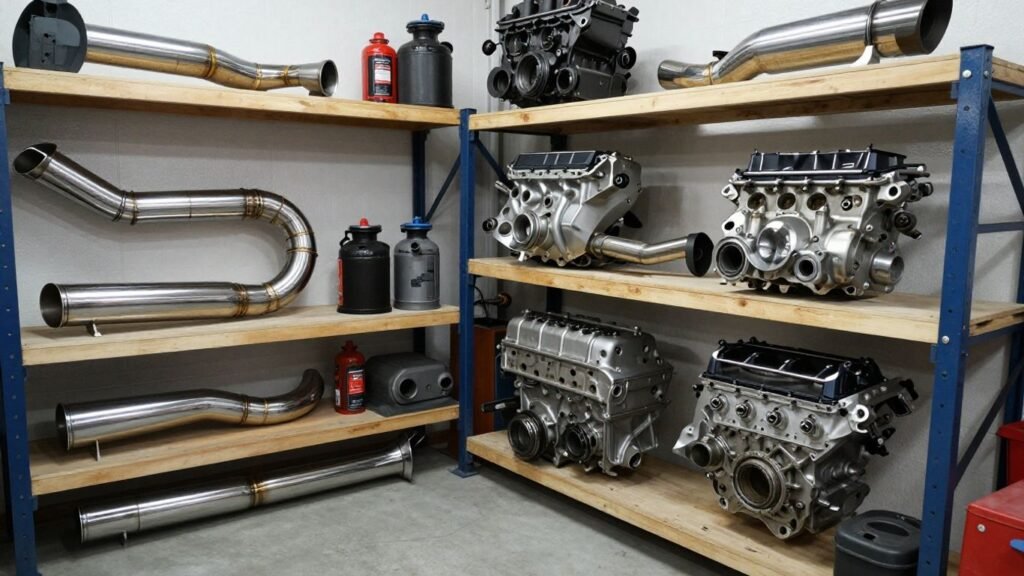
Looking for parts for your BMW? You don’t have to break the bank. Here’s what you need to know about finding good used parts.
Key Takeaways
- Look for specialized BMW salvage yards or check online marketplaces for used parts.
- Always inspect parts for any signs of damage or excessive wear before buying.
- Make sure the part you’re looking at is compatible with your specific BMW model and year.
- Consider major components like engines and body panels, as well as interior parts.
- Check seller reviews and return policies to make sure you have a good buying experience.
Where To Find Quality Used BMW Parts
So, you’re looking to keep your BMW running smoothly without breaking the bank. That’s a smart move. Finding good used parts can be a bit of a treasure hunt, but it’s totally doable. You’ve got a few main places to check out.
Specialty BMW Salvage Yards
These are often the best spots. Think of them as dedicated BMW graveyards, but in a good way! They specialize in dismantling BMWs, so they usually have a huge inventory of parts for all sorts of models, from older E30s to newer F-series cars. The folks who run these places usually know their stuff. They can often help you find exactly what you need and might even know if a part is in good condition. It’s worth calling ahead or checking their online inventory if they have one. Sometimes, you can even visit in person and pull the part yourself, which can save even more money.
Online Marketplaces for Used BMW Parts
This is where the internet really shines. Websites like eBay, dedicated BMW forums with classified sections, and even some larger auto parts reseller sites have tons of used BMW parts listed. You can find almost anything here. The trick is to be specific with your search terms and to really look at the seller’s ratings and read the descriptions carefully. Always check the part number if you can. It’s easy to get lost scrolling, but the convenience of shopping from your couch is pretty great.
Independent BMW Repair Shops
Don’t overlook your local independent BMW mechanic. Many of these shops keep a stock of used parts they’ve removed from cars they’ve worked on. They might have that obscure sensor or a clean interior trim piece you’ve been searching for. Plus, they’re mechanics, so they know the quality of the parts they’re holding onto. It’s a good idea to build a relationship with a trusted shop; they can be a great resource for both parts and advice.
Finding the right used part often comes down to knowing where to look and who to ask. Don’t be afraid to call around or do a little digging online. The savings can be significant, and you’re often getting a perfectly good component that just came off another car.
Here’s a quick look at what you might expect to pay, though prices can vary a lot based on rarity and condition:
| Part Type | New Price (Est.) | Used Price (Est.) |
|---|---|---|
| Alternator | $300 – $600 | $100 – $250 |
| Headlight Assembly | $400 – $800 | $150 – $350 |
| Catalytic Converter | $800 – $1500 | $300 – $700 |
| Brake Caliper | $200 – $400 | $75 – $150 |
Identifying High-Quality Used BMW Parts
Inspect Parts for Wear and Damage
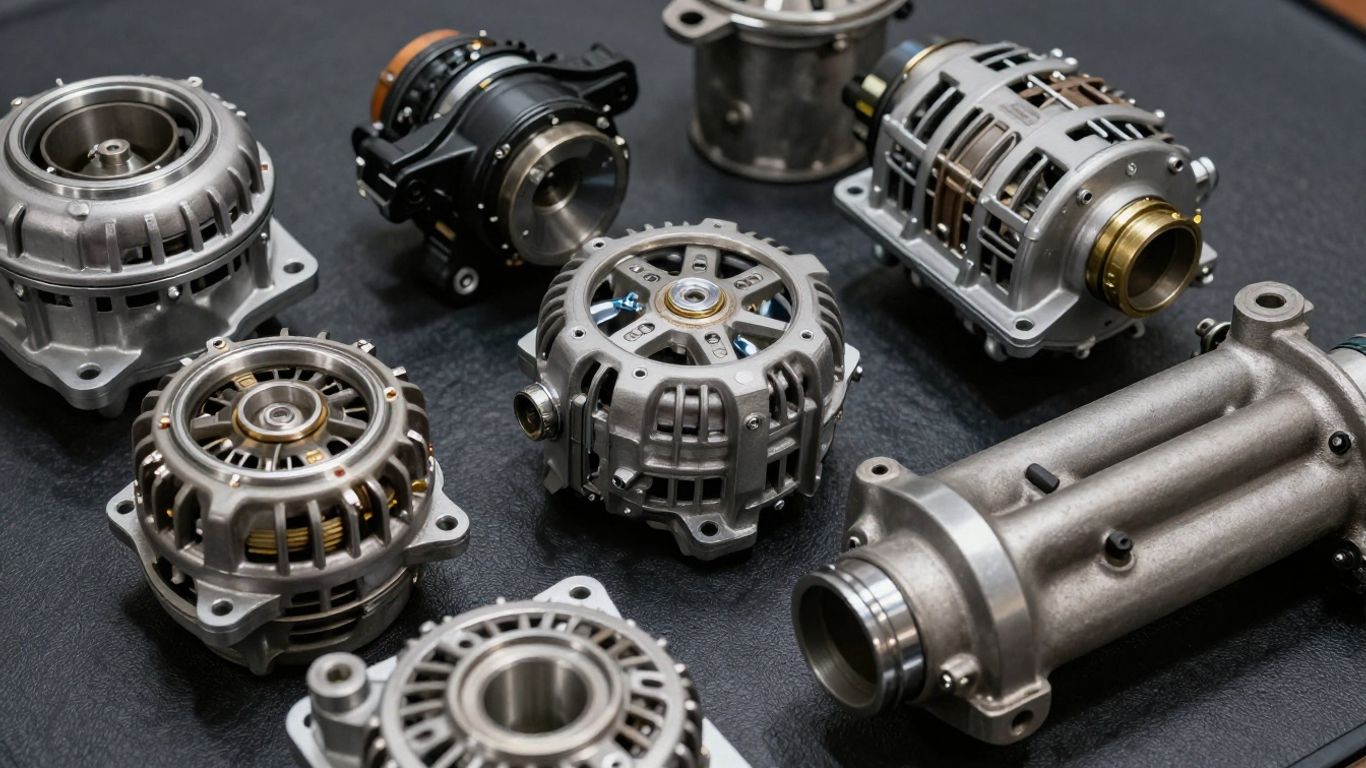
When you’re looking at used BMW parts, the first thing you’ll want to do is give them a good once-over. Think of it like checking out a used car – you’re looking for any signs that something isn’t quite right. A thorough visual inspection can tell you a lot about a part’s history and its remaining lifespan. Look for cracks, deep scratches, rust, or any other physical damage. For mechanical parts, like an engine component or a transmission part, check for excessive wear on gears, seals, or mounting points. If it’s an electronic part, see if there are any signs of corrosion on the connectors or damage to the casing. Sometimes, a part might look okay on the surface, but a closer look reveals issues that could cause problems down the road.
Verify Part Compatibility
This is super important. You don’t want to buy a part only to find out it doesn’t fit your specific BMW model and year. BMW has a lot of different models and sub-models, and even small changes between model years can mean a part won’t work. Always double-check the part number against what your car needs. Most sellers will list the compatible BMW models and years, but it’s always a good idea to cross-reference this information yourself. If you’re unsure, don’t hesitate to ask the seller for more details or even consult a BMW parts specialist. Getting this right the first time saves you a lot of hassle.
Check Seller Reputation and Reviews
Just like buying anything online, the reputation of the seller matters. Look for sellers who have a good track record, especially those specializing in BMW parts. Check out customer reviews and ratings if they’re available. Do other buyers seem happy with the quality of the parts and the service they received? Are there a lot of complaints about parts not being as described or issues with shipping? A seller with consistently positive feedback is usually a safer bet. If a deal seems too good to be true, it might be worth digging a little deeper into why before you click ‘buy’.
Sometimes, a part might look okay on the surface, but a closer look reveals issues that could cause problems down the road. Always ask questions if you’re not sure about a part’s condition or compatibility.
Key Used BMW Parts to Consider
When you’re looking to save some money on your BMW, focusing on specific parts can be a smart move. It’s not just about grabbing anything; it’s about knowing what to look for. Certain components tend to be more common in the used market and can offer significant savings without compromising too much on quality if you find a good one.
Engine and Transmission Components
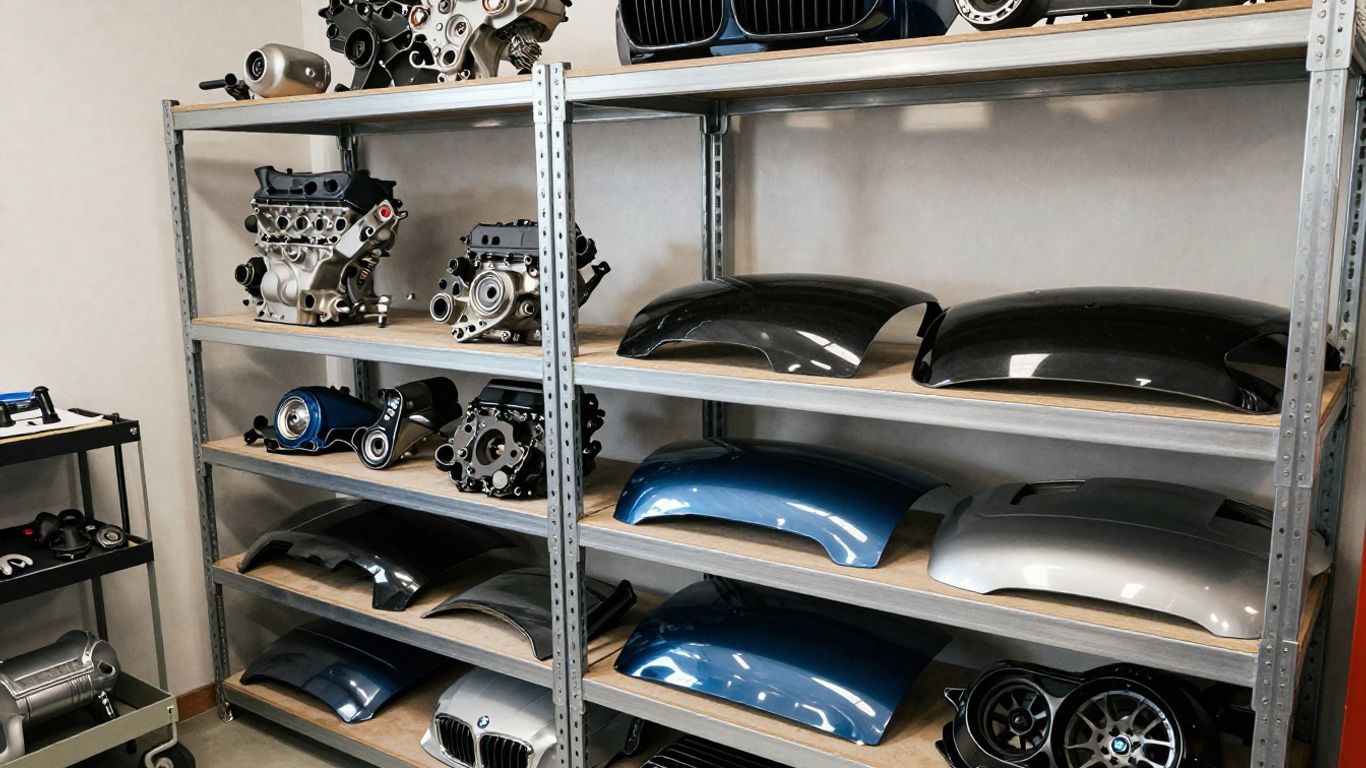
These are the heart and soul of your Ultimate Driving Machine, and they can be pricey when new. If your engine or transmission needs work, finding a used unit from a reputable source can be a game-changer. Look for parts from vehicles with lower mileage or those that were maintained well. Sometimes, a complete engine or transmission assembly is available, which can be a more cost-effective solution than repairing individual components.
It’s a good idea to get as much history on the donor vehicle as possible. Was it in an accident? Was it regularly serviced? This information can help you gauge the condition of the engine or transmission you’re considering.
Remember, even with used engine and transmission parts, a professional inspection before installation is highly recommended. This can catch potential issues you might not see.
Body Panels and Exterior Trim
Scratches, dents, or rust on your BMW’s exterior can be frustrating. Replacing these parts with new ones can add up quickly, especially for specialized trim pieces. Used body panels, like fenders, doors, hoods, and bumpers, are often readily available. The key here is to find panels that match your car’s color to minimize repainting costs, or be prepared for a paint job. Check carefully for any signs of rust, previous repairs, or significant damage that might not be immediately obvious.
| Part Type | Common Issues to Check For |
|---|---|
| Fenders & Doors | Dents, rust (especially wheel wells), alignment issues |
| Hoods & Trunks | Dents, rust, latch mechanism condition |
| Bumpers | Cracks, scuffs, mounting point damage |
| Mirrors & Lights | Cracks in glass/plastic, functional electronics (for lights) |
| Trim Pieces | Fading, cracks, missing clips, alignment |
Interior Electronics and Upholstery
Sometimes, the electronics inside your BMW can act up, or the upholstery might show signs of wear. Things like infotainment screens, control modules, or even seat covers can be found used. If you’re dealing with a specific electronic fault, sometimes a used module can be a direct replacement. For upholstery, you might be looking for a specific seat cover or even a full set of seats if yours are beyond repair. Always try to match the color and material as closely as possible to your existing interior.
When looking at used interior parts, pay attention to the condition. For electronics, ask if they were tested before removal. For upholstery, check for tears, stains, and the condition of any underlying padding or frame.
Benefits of Choosing Used BMW Parts
When you’re looking to keep your BMW running smoothly without breaking the bank, going with used parts can be a really smart move. It’s not just about saving a few bucks, though that’s a big part of it. You’re also doing something good for the planet, and sometimes, it’s the only way to find those older, hard-to-get components.
Cost Savings Compared to New
Let’s face it, new BMW parts can be pretty pricey. Buying used can slash those costs significantly. For example, a brand new transmission might set you back thousands, but a quality used one from a reputable salvage yard could be a fraction of that price. This makes major repairs much more manageable.
| Part Category | New Part Estimate | Used Part Estimate |
|---|---|---|
| Engine Control Unit | $500 – $1200 | $150 – $400 |
| Headlight Assembly | $300 – $700 | $100 – $250 |
| Alternator | $250 – $600 | $75 – $200 |
| Brake Caliper | $200 – $500 | $50 – $150 |
The financial relief from opting for used parts is substantial, allowing owners to maintain their vehicles without facing the steep depreciation associated with brand-new components. This approach makes luxury car ownership more accessible long-term.
Environmental Friendliness
Choosing used parts is a great way to reduce waste. Instead of manufacturing new parts, which uses energy and resources, you’re giving an existing part a second life. This helps cut down on landfill waste and the environmental impact of production. It’s a simple way to be a bit more eco-conscious with your car maintenance.
Availability of Discontinued Parts
Sometimes, BMW stops making certain parts for older models. If you’re driving a classic or even just a slightly older BMW, finding a new replacement part can be nearly impossible. This is where used parts shine. Salvage yards and specialized online sellers often have exactly what you need, even if it’s no longer available from the manufacturer. It means you can keep your beloved Ultimate Driving Machine on the road, even if it’s a bit vintage.
Ensuring a Smooth Transaction for Used BMW Parts
So, you’ve found the perfect used BMW part. Awesome! But before you hit that ‘buy’ button, let’s talk about making sure the whole process goes off without a hitch. It’s not just about the part itself; it’s about the whole experience from start to finish.
Understand Return Policies
This is a big one. What happens if the part you get isn’t quite right, or if it doesn’t fit your car like you thought it would? Always, always check the seller’s return policy before you pay. Some places offer a generous window, maybe 30 days, while others might be much stricter, or even have no returns at all. Look for details on whether you’ll get a full refund, store credit, or if you’ll have to pay a restocking fee. It’s good to know this upfront so you don’t end up stuck with something you can’t use.
Ask About Warranties or Guarantees
Beyond just returns, see if the seller offers any kind of warranty or guarantee on the used part. For bigger ticket items like an engine or transmission, this can be a lifesaver. A short warranty, even 30 or 90 days, can give you some peace of mind knowing that if the part fails shortly after installation, you’re not completely out of luck. It shows the seller stands behind their products, which is always a good sign.
Secure Payment Methods
When it’s time to pay, stick to payment methods that offer some protection. Credit cards are usually a safe bet because they often have buyer protection built-in. PayPal is another popular option that provides a layer of security. Avoid wire transfers or payment apps that don’t offer recourse if something goes wrong. Keeping your financial information safe is just as important as getting the right part.
Buying used parts can save you a good chunk of change, but it’s wise to be a little cautious. Taking a few extra minutes to sort out the details like returns and payment can save you a lot of headaches down the road. It’s all about being prepared and making smart choices so your Ultimate Driving Machine stays on the road without breaking the bank or your spirit.
Conclusion
Getting the right parts for your BMW doesn’t always mean buying brand new. There are plenty of ways to find quality used BMW parts that can save you money and help the environment. Just remember to do your homework, check the parts carefully, and buy from sellers you trust. Your Ultimate Driving Machine will thank you for it.