
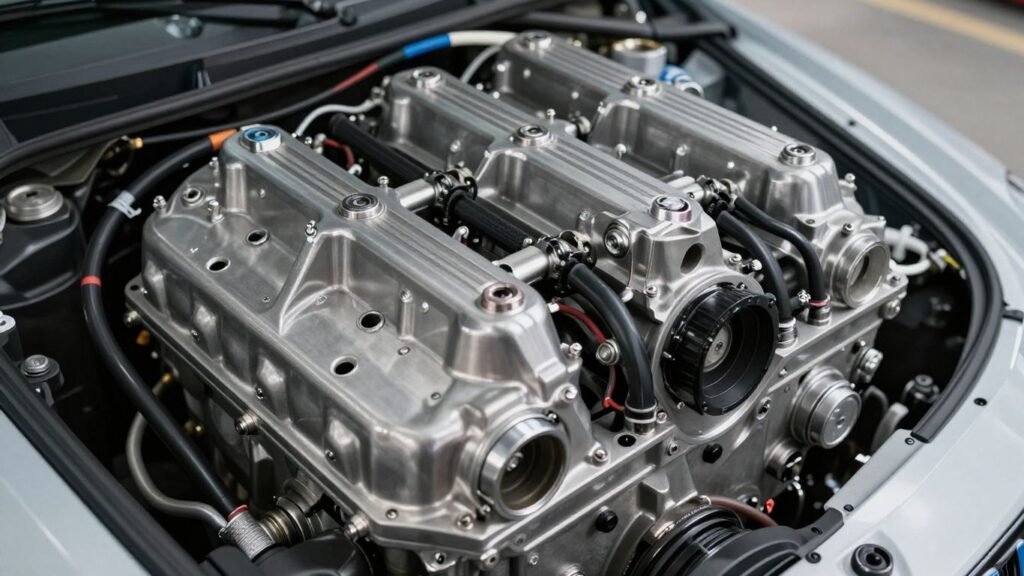
Thinking about getting a used engine for your BMW? Here are the main things to keep in mind to make sure you get a good deal and a reliable part.
Key Takeaways
- Buying a used BMW engine can save you a lot of money compared to a new one.
- Look for engines from trusted sources like auto recyclers or specialized BMW shops.
- Always inspect the engine and ask about its history and mileage before buying.
- Warranties and guarantees offer important peace of mind for your purchase.
- Know your BMW’s exact model and engine code to ensure compatibility.
Understanding Your Options for Used BMW Engines for Sale
The Value Proposition of Pre-Owned BMW Engines
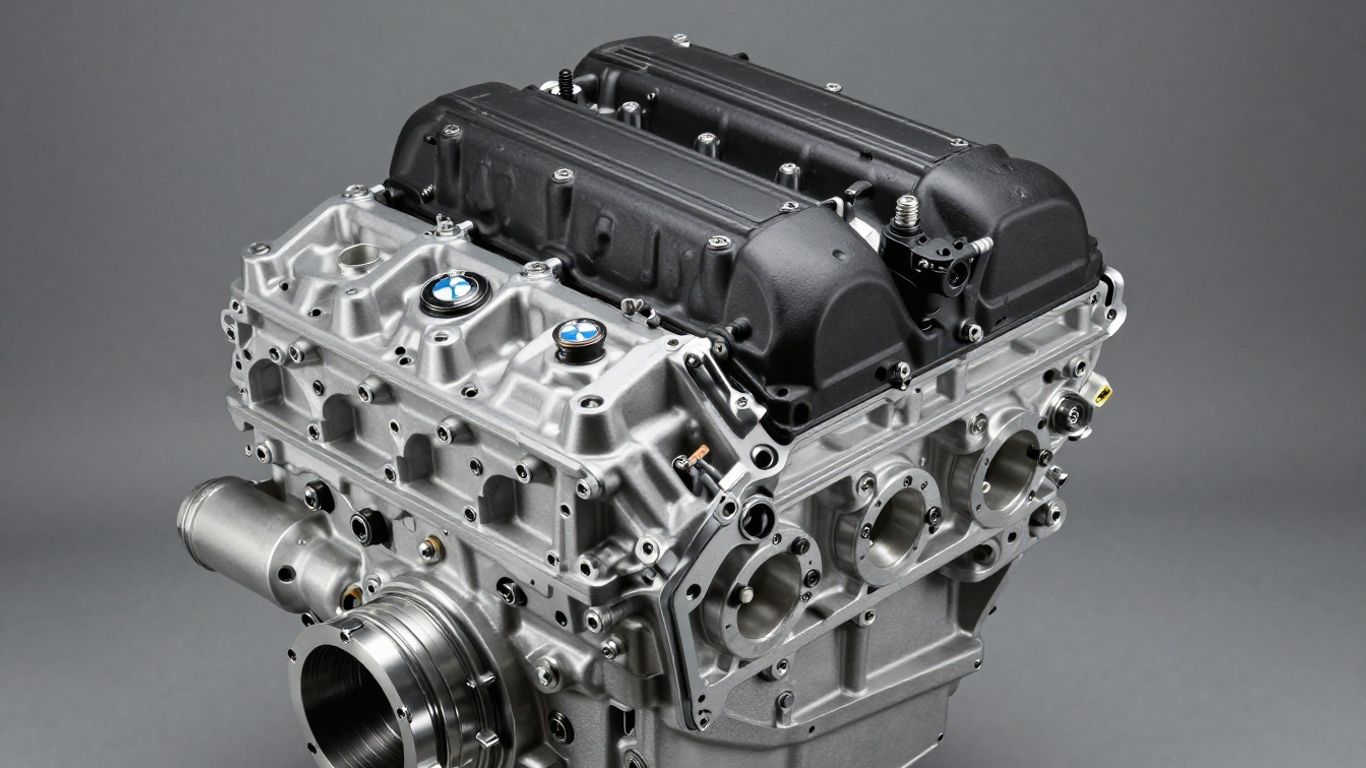
So, your BMW’s engine is making some unhappy noises, or maybe it’s just not performing like it used to. The first thought might be a brand-new engine, but let’s be real, that’s usually a huge hit to the wallet. That’s where looking at used BMW engines really starts to make sense. It’s a way to get your car back in shape without emptying your bank account. Think about it – BMWs are built with some serious engineering, and a quality used engine can bring back that smooth power and reliability for a fraction of the cost of a new one. It’s not just about saving money now; it’s about keeping your favorite car on the road for longer.
Navigating the Market for Used BMW Engines
Finding a used engine can feel a bit like searching for a needle in a haystack, especially when you’re dealing with a specific make like BMW. You’ve got a few main places to look. There are the big auto recyclers and salvage yards, which often have a wide variety of engines from cars that have been written off. Then you have specialized BMW dismantlers – these guys really know their stuff when it comes to BMWs and might have more carefully selected engines. And of course, there are online marketplaces. These can be super convenient, but you really need to do your homework to make sure the seller is legit and the engine is what they say it is. It’s a bit of a mixed bag out there, so knowing where to look is half the battle.
Key Considerations Before Purchasing
Before you hand over any cash for a used BMW engine, there are a few things you absolutely need to check. First off, know exactly what engine your BMW needs. Get the model, year, and engine code right – BMWs can be picky, and the wrong engine just won’t work. You’ll want to ask about the engine’s mileage; lower is generally better, but condition is more important than just a number. Also, find out if there’s any kind of warranty or guarantee. Even a short one can give you some peace of mind. It’s also smart to ask why the engine was removed from the original car. Was it a simple upgrade, or was there a major problem? Getting answers to these questions upfront can save you a lot of headaches down the road.
Buying a used engine means you’re getting a part that’s already seen some use. While this makes it cheaper, it also means you need to be extra careful about its history and current condition. Don’t be afraid to ask lots of questions and get as much information as possible before making a decision.
Where to Find Quality Used BMW Engines
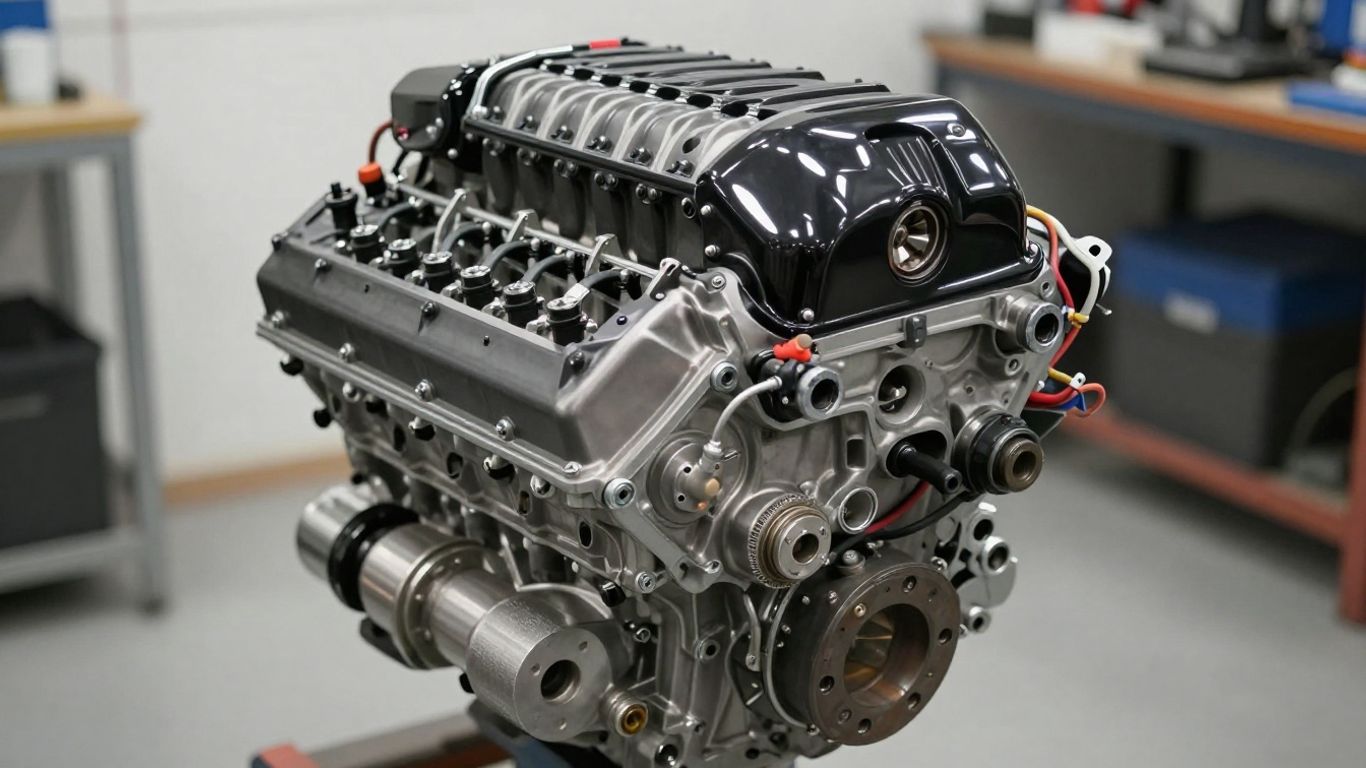
So, you’ve decided a used engine is the way to go for your BMW. Smart move, usually. Now, where do you actually find one that won’t give you more headaches than it solves? It’s not like you can just pop down to the corner store. You’ve got a few main avenues to explore, and each has its own pros and cons.
Reputable Auto Recyclers and Salvage Yards
Think of these places as the big warehouses of the automotive world. They take in vehicles that are no longer roadworthy, often due to accidents or age, and salvage usable parts. Many of these operations are quite professional and have systems in place to test and catalog their engines. Some even participate in certification programs, which is a good sign. You might find a gem here, but it can take some digging. You’ll want to ask about their testing procedures and any return policies they might have.
Specialized BMW Dismantlers
These are the folks who really know BMWs. They focus specifically on dismantling BMW vehicles, so they tend to have a deeper understanding of the models and their specific parts. Because they specialize, they often have a more curated inventory of BMW engines. They might be a bit more expensive than a general salvage yard, but the specialized knowledge and potentially better-sourced engines can be worth it. It’s like going to a specialist doctor versus a general practitioner – sometimes you need that focused attention.
Online Marketplaces with Vetting Processes
This is where things get interesting, and a bit more modern. You’ve got platforms that act as a middleman, connecting buyers with sellers. Some of these marketplaces do a decent job of vetting their sellers, requiring them to have good ratings, detailed descriptions, and sometimes even offering buyer protection. It’s convenient because you can browse from your couch, but you really need to do your homework on the seller. Look for established businesses with clear contact information and positive reviews. Don’t just go for the cheapest option you see without checking out the seller’s reputation first.
When you’re looking at online options, pay close attention to the seller’s history. A seller with a long track record of positive feedback and clear communication is usually a safer bet than someone new with a suspiciously low price. Always ask for proof of testing and details about the engine’s history if possible.
Ensuring Reliability in Your Used BMW Engine Purchase
Buying a used engine can feel like a bit of a gamble, right? You want to save some cash, but you also don’t want to end up with a lemon that causes more headaches than it’s worth. So, how do you actually make sure the engine you’re looking at is a good bet?
The Importance of Engine Inspection and Testing
Before you hand over any money, you really need to know what you’re getting. A reputable seller will have records of testing and inspection. This isn’t just a quick look-over; it means the engine has been checked for performance and any potential issues. Think of it like getting a report card for the engine. You want to see good grades, not a bunch of ‘needs improvement’ marks. Asking about the engine’s mileage is a big one too. Lower miles generally mean less wear and tear, which is exactly what you’re hoping for.
| Factor | What to Look For |
|---|---|
| Mileage | Lower is generally better, indicating less use. |
| Compression Test | Indicates the engine’s internal health. |
| Leak-Down Test | Checks for leaks in the cylinders. |
| Visual Inspection | Look for cracks, leaks, or obvious damage. |
Sometimes, a seller might say an engine is ‘tested,’ but what does that really mean? It’s worth asking for specifics. Did they just run it for a few minutes, or did they put it through a more thorough diagnostic process? Getting details here can save you a lot of trouble down the road.
Understanding Warranties and Guarantees
A warranty is your safety net. It’s a promise from the seller that if something goes wrong with the engine within a certain period, they’ll help you out. This could mean a repair, a replacement, or even a refund. Warranties can vary a lot, though. Some might only cover major internal components for 30 days, while others might offer longer coverage. Always read the fine print to know exactly what’s covered and for how long. A seller who offers a decent warranty is usually more confident in the quality of the engine they’re selling.
Identifying Red Flags from Sellers
There are definitely signs that should make you pause. If a seller is pushy, avoids answering your questions about the engine’s history, or doesn’t offer any kind of warranty or return policy, that’s a big warning sign. Be wary of sellers who can’t provide documentation about the engine’s mileage or maintenance. Also, if the price seems too good to be true compared to other listings, it probably is. It’s better to pay a little more for peace of mind than to save a few bucks and end up with a costly repair bill.
Factors Affecting Used BMW Engine Pricing
So, you’re looking to buy a used BMW engine. That’s a smart move to save some cash, but you’ve probably noticed the prices can swing quite a bit. It’s not just a random number; a lot goes into what makes one engine cost more than another. Let’s break down what influences the price tag.
Mileage and Overall Condition
This is probably the biggest one. An engine with fewer miles on it, especially if it’s been well-maintained, is going to fetch a higher price. Think about it like buying a used car – lower mileage usually means less wear and tear, right? The same applies here. You’ll want to look for signs that the engine hasn’t been abused or neglected. Things like a clean service history, no obvious leaks, and a general lack of damage are good indicators. An engine that’s been babied will cost more, but it might save you headaches down the road.
Engine Model and Specificity
BMW makes a lot of different engines, and some are definitely more sought after (and expensive) than others. A common engine for a standard 3 Series might be less costly than a high-performance engine from an M model or a rare V12 from a 7 Series. The specific engine code, its original application (like a turbo versus naturally aspirated), and its rarity all play a role. If you need a very specific or less common engine, be prepared to pay a premium for it.
Additional Costs: Shipping and Installation
Don’t forget that the sticker price of the engine itself isn’t the whole story. You’ll likely need to factor in shipping costs, which can add up, especially if the engine is coming from far away or is particularly heavy. Then there’s the installation. Unless you’re a seasoned mechanic yourself, you’ll need to pay a shop to put it in, and that labor cost can be significant. Some sellers might include a basic warranty, but that often comes at a slightly higher price point too. It’s wise to get quotes for all these extra bits before you commit.
When you’re comparing prices, always ask what’s included. Does it come with any accessories? Is there a warranty? What are the shipping charges? Getting a full picture of the total cost, not just the engine’s price, is super important for staying within your budget.
The Process of Acquiring a Used BMW Engine
So, you’ve decided a used engine is the way to go for your BMW. That’s a smart move for saving some cash. But where do you even start? It’s not like picking up a carton of milk. There’s a bit of a process involved, and doing it right means you’ll end up with a solid engine, not a headache.
Identifying Your BMW’s Specific Needs
First things first, you gotta know exactly what your car needs. This isn’t the time to guess. You need the full details: the exact model year of your BMW, the specific series (like a 3 Series, X5, or M model), and most importantly, the engine code. BMW uses different engines even within the same model line over the years, so getting this right is super important. You can usually find this info in your owner’s manual, on a sticker under the hood, or by decoding your VIN. Double-checking this against what a seller offers can save you a ton of trouble later.
Browsing Available Inventory
Once you know what you’re looking for, it’s time to hunt. This means checking out different places – think reputable auto recyclers, specialized BMW dismantlers, or even online marketplaces. You’ll be looking at engine descriptions, mileage, and any notes about its condition. It’s a bit like online shopping, but for car parts. You might see a few options that look promising, so keep a list of potential candidates.
Requesting Quotes and Finalizing the Purchase
Found a few engines that seem like a good fit? Now you need to get the nitty-gritty details. Reach out to the sellers and ask for a quote. This quote should ideally include the engine price, any associated fees, and shipping costs to your location. Don’t be shy about asking questions here – inquire about the engine’s history, if it’s been tested, and what kind of warranty, if any, comes with it. Once you’ve compared prices and terms, and you feel good about the seller and the engine, you can move forward with the purchase. It’s all about being thorough to make sure you’re getting a reliable replacement.
Buying a used engine is a balance. You’re looking for the best price, but you absolutely need to prioritize reliability. A cheap engine that fails quickly will cost you more in the long run.
Here’s a rough idea of what you might expect for pricing, though this can change a lot:
| Engine Type | Typical Price Range (USD) |
|---|---|
| Standard Sedan/SUV | $1,500 – $4,000 |
| Performance (M-Series) | $5,000 – $7,000+ |
| Specialty/Rare | Varies Significantly |
Benefits of Choosing a Used BMW Engine
Significant Cost Savings Compared to New
Let’s be real, buying a brand-new engine for your BMW can put a serious dent in your wallet. We’re talking thousands, sometimes tens of thousands, of dollars. A used engine, on the other hand, offers a much more approachable price point. You can often find a quality used BMW engine for a fraction of the cost of a new one. This makes keeping your beloved BMW on the road a lot more feasible, especially if you’re on a tighter budget. It’s a smart way to get the performance you expect without breaking the bank.
Extending Your BMW’s Lifespan
Your BMW is more than just a car; it’s an investment and a source of driving pleasure. When the original engine starts to give out, it doesn’t mean the end of the road for your vehicle. Swapping in a good used engine can effectively give your car a second life. It restores its power, its responsiveness, and that smooth driving feel you love. Instead of letting a worn-out engine sideline your car, a replacement can add many more years of service, letting you continue to enjoy your BMW for a long time to come.
Environmental Advantages of Reused Parts
Choosing a used engine isn’t just good for your wallet; it’s also a kinder choice for the planet. Manufacturing a new engine from scratch uses a lot of resources – think raw materials, energy, and water. By opting for a pre-owned engine, you’re skipping that whole production process. This means less mining, less manufacturing pollution, and less waste heading to landfills. It’s a simple way to reduce your environmental footprint and contribute to a more sustainable automotive future.
When you pick a used engine, you’re not just saving money; you’re also making a choice that benefits the environment by reducing the demand for new manufacturing and minimizing waste. It’s a win-win situation for your car and the planet.
| Engine Type | New Engine Cost (Est.) | Used Engine Cost (Est.) |
|---|---|---|
| Standard 4-Cylinder | $6,000 – $10,000 | $1,500 – $3,500 |
| Inline-6 | $8,000 – $12,000 | $2,000 – $4,500 |
| V8 | $10,000 – $15,000+ | $3,000 – $6,000+ |
Conclusion
So, you’ve got a BMW that needs a new heart. Instead of breaking the bank on a brand-new engine, looking into used BMW engines for sale is a smart move. You can save a good chunk of money, help the environment a bit, and get your car running smoothly again. Just remember to do your homework: check out reputable sellers, ask lots of questions, and try to get a warranty. It might take a little effort, but finding a solid used engine can be a real win.