
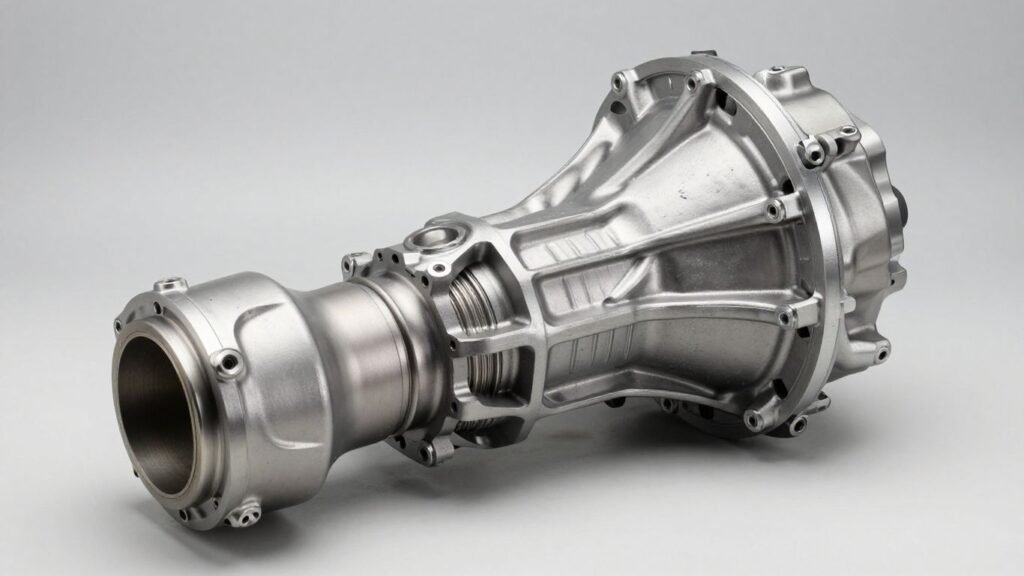
So, your BMW X3 needs some work on the differential or axles? That can be a real headache, especially when you start looking at the cost of new parts. If you’re on the Sunshine Coast and trying to keep things affordable, looking for used BMW X3 differentials and axles is a smart move. It’s not always easy to find exactly what you need, but there are definitely places and people who can help you out right here in the local area. This guide is all about making that search a bit simpler for you.
Key Takeaways
- When you need to replace parts like differentials and axles for your BMW X3, buying used can save you a good chunk of money compared to brand new components.
- On the Sunshine Coast, there are auto wreckers and specialist yards that often have a stock of used BMW parts, including those for X3 models.
- It’s important to check the condition of any used differential or axle you’re considering. Ask about warranties or guarantees if they’re offered.
- Finding a local mechanic or workshop that specializes in European cars or 4WDs can be helpful, as they might know where to source these specific used parts or can install them for you.
- Always try to verify the part number to make sure the used differential or axle you buy is compatible with your specific BMW X3 model and year.
Locating Used BMW X3 Differentials and Axles
Understanding Differential and Axle Components
The differential and axle assembly on your BMW X3 is a pretty important part of the drivetrain. It’s what allows your wheels to spin at different speeds when you’re turning, which is super handy for smooth cornering. The axle shafts connect the differential to the wheels, transferring power. When these parts start acting up, you might notice some weird noises, vibrations, or even handling issues. It’s not something you want to ignore, but buying brand new parts can really sting your wallet.
Why Choose Used Parts for Your BMW X3
Let’s be real, new parts for a BMW X3 can be pricey. That’s where used parts come in. You can often find perfectly good differentials and axles from a reputable auto dismantler for a fraction of the cost of a new one. It’s a smart way to keep your X3 running smoothly without breaking the bank. Plus, these parts have already been through their initial break-in period, so to speak.
Sourcing used parts is a practical choice for many BMW X3 owners looking to manage maintenance costs. It offers a balance between affordability and reliability when replacing worn or damaged drivetrain components.
Benefits of Sourcing Locally on the Sunshine Coast
If you’re on the Sunshine Coast, looking for parts locally makes a lot of sense. It cuts down on shipping times and costs, and you can often inspect the parts yourself before buying. Plus, you’re supporting local businesses. It’s a win-win situation for getting your BMW X3 back in top shape without a hassle.
Specialist Suppliers for BMW X3 Drivetrain Parts
Identifying Reputable Auto Dismantlers
Finding the right place to get used parts for your BMW X3 can feel like a treasure hunt. You want a supplier who knows their stuff, especially when it comes to European cars like BMWs. Look for auto dismantlers that specifically mention BMWs in their inventory or services. A good sign is a place that has a decent online presence, maybe with a searchable parts database or clear contact information. They should be able to tell you what models they typically carry and if they often have X3 parts in stock. Don’t be afraid to ask questions about their process for acquiring and testing parts. A professional operation will be happy to explain how they ensure the quality of what they sell.
What to Expect from BMW Breaker Yards
When you visit a BMW breaker yard, you’re essentially looking at a place that takes in old BMWs and salvages usable parts. Think of it as a large, organized junkyard, but focused on a specific brand. You might find anything from engines and transmissions to smaller components like sensors or interior trim. For differentials and axles, you’ll want to see if they have a dedicated section for drivetrain parts. Some yards are better organized than others, so it might take some digging. It’s common for these yards to have a wide range of parts for various BMW models, including different generations of the X3. Just remember, the condition can vary wildly, so a thorough inspection is always a good idea.
Ensuring Quality and Compatibility
Getting the right part is only half the battle; you also need to make sure it’s in good working order and will fit your specific BMW X3. Reputable suppliers will often test their major components, like differentials and axles, before putting them up for sale. Ask about any testing procedures they follow. Compatibility is key – you’ll need to know your X3’s exact model year and potentially its drivetrain configuration (like rear-wheel drive or all-wheel drive) to ensure the part will bolt right up. Some suppliers might even offer a limited warranty, which is a big plus. It’s always wise to get the part number if possible and cross-reference it with your vehicle’s specifications.
When sourcing used parts, especially for complex systems like differentials and axles, it’s important to have a clear understanding of what you’re buying. Don’t hesitate to ask for details about the part’s history, mileage, and any known issues. A little extra information upfront can save a lot of headaches down the road.
Key Considerations When Buying Used BMW X3 Parts
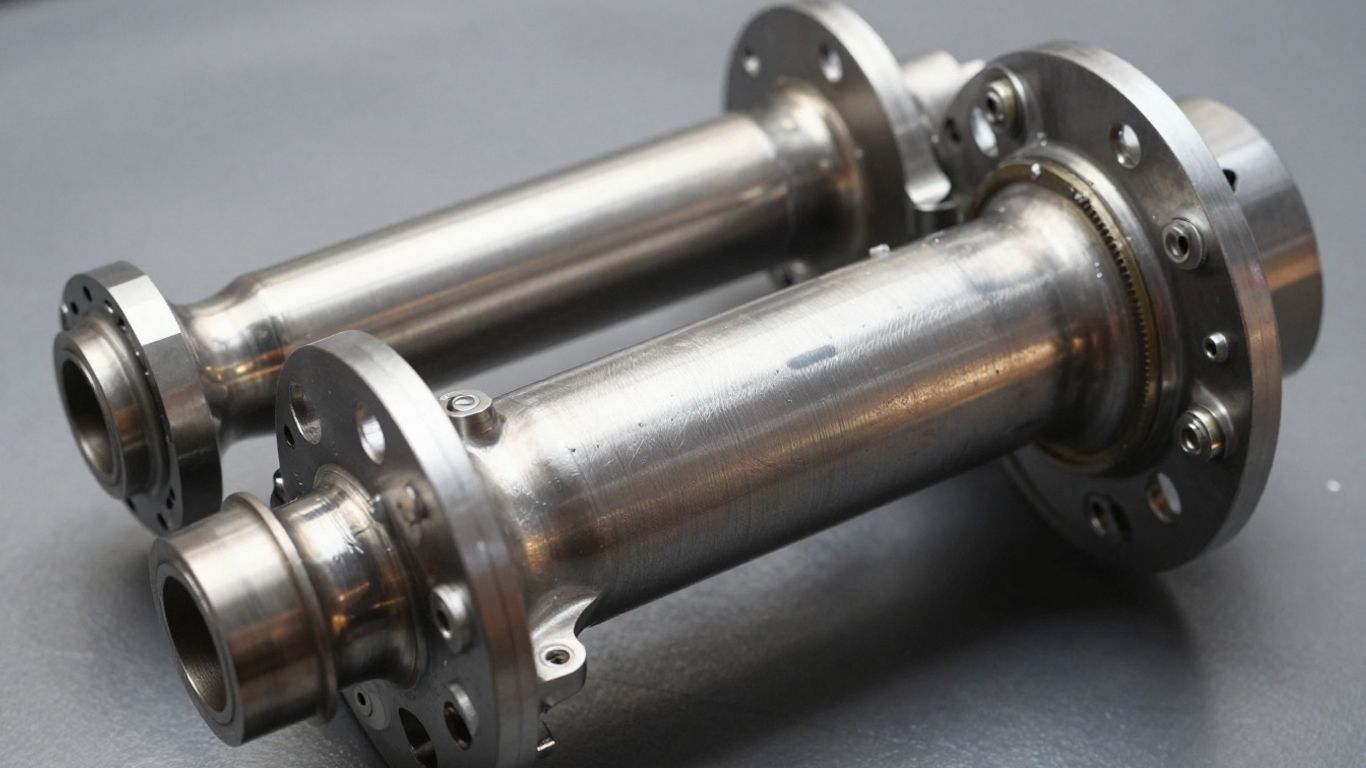
So, you’re looking for a differential or maybe some axles for your BMW X3 and you’ve decided to go the used route. Smart move, it can save you a pretty penny. But before you hand over your cash, there are a few things you really should think about. It’s not just about grabbing the first part you see; you want something that’s going to last and keep your X3 running smoothly.
Assessing the Condition of Differentials and Axles
When you’re looking at a used differential or axle, give it a good once-over. Look for any signs of damage, like cracks or dents on the housing. Spin the driveshaft flange if you can – it should turn smoothly without any grinding or clicking noises. Check the seals for any leaks; a little bit of weeping might be okay, but a steady drip means trouble. Also, see if there’s any play in the U-joints or CV joints if they’re still attached. The less wear and tear you can see, the better your chances of getting a part that’s still got plenty of life left in it.
Understanding Warranties and Guarantees
This is a big one. Some suppliers might offer a short warranty on used parts, maybe 30 or 90 days. This can give you some peace of mind, knowing that if the part fails shortly after installation, you’re not completely out of pocket. Others might sell parts strictly ‘as is,’ meaning once you buy it, it’s yours, no take-backs. Always ask upfront what kind of guarantee, if any, comes with the differential or axle. It’s better to know this before you pay.
Don’t be afraid to ask questions. A good supplier will be happy to tell you about the part’s history and any testing it’s undergone. If they seem hesitant or can’t provide details, it might be a sign to look elsewhere.
Verifying Part Numbers for Your X3 Model
BMW parts can be specific, even within the same model year. You absolutely need to make sure the part you’re buying is the correct one for your specific BMW X3. Look for the part number stamped on the differential or axle itself. Then, cross-reference that with the part number for your vehicle. You can usually find this information in your owner’s manual or by contacting a BMW dealership with your VIN. Getting this wrong means the part won’t fit, and you’ll be back to square one, probably out of pocket for return shipping.
Navigating the Sunshine Coast Automotive Scene
Workshops Specializing in European Vehicles
When your BMW X3 needs some attention, especially for specialized parts like differentials and axles, finding a workshop that knows European cars is a good start. While many general mechanics can handle basic services, a shop familiar with BMWs will have a better grasp of the specific engineering involved. They’re more likely to understand the nuances of German automotive design and have the right diagnostic tools. It’s not just about fixing things; it’s about fixing them the right way for your specific vehicle. Look for workshops that advertise European car servicing or specifically mention BMW expertise.
Finding 4WD Specialists with BMW Expertise
Since the X3 is an SUV with all-wheel-drive capabilities, a 4WD specialist can also be a great resource. These shops often deal with robust drivetrain components and understand how they work under stress. While their primary focus might be off-road vehicles, many have expanded their skills to include premium SUVs like the BMW X3. They might have experience with the specific types of differentials and axle setups common in these vehicles, especially if they’ve worked on performance-oriented SUVs before. It’s worth asking if they have experience with BMW’s xDrive system.
Local Garages Offering Part Sourcing Services
Don’t underestimate the local garages you see around town. Many of them offer part sourcing as part of their service. They have established relationships with auto wreckers and parts suppliers, both locally and further afield. If you tell them you’re looking for a used differential or axle for your BMW X3, they can often track it down for you. This can save you a lot of legwork. They’ll handle the communication, the inspection (or at least arrange it), and the purchase, then you just bring your car in for the installation. It’s a convenient way to get the job done without becoming a parts-finding expert yourself.
Finding the right mechanic is like finding a good doctor for your car. You want someone you can trust, who knows what they’re doing, and won’t try to sell you things you don’t need. On the Sunshine Coast, there are plenty of good options if you do a little digging. Asking around, checking online reviews, and even just popping in to chat with the service manager can give you a good feel for a workshop.
The Process of Acquiring Used BMW X3 Drivetrain Components
Contacting Suppliers for Availability
Once you’ve identified potential suppliers for your BMW X3 differential or axle, the next step is to get in touch. Don’t just assume they have what you need. Give them a call or send an email detailing the specific part you’re looking for, including your X3’s model year and any relevant VIN information. This helps them check their inventory accurately. Many yards specialize in certain makes, so confirming they handle BMWs, and specifically X3 models, is important. They can often tell you over the phone if they have the component in stock or if they expect to get one soon.
Arranging Inspections and Purchases
If a supplier confirms they have the differential or axle you need, it’s a good idea to arrange a time to inspect the part in person if possible. This allows you to check for any obvious damage, rust, or wear that might not be apparent from a description. Look for cracks, leaks, or signs of previous repairs. A visual inspection can save you a lot of trouble down the line. When you’re satisfied with the condition, you can proceed with the purchase. Be prepared to pay on the spot, as many used parts suppliers expect immediate payment.
Delivery Options Across the Sunshine Coast
Getting the part back to your workshop or home is the final hurdle. Many auto dismantlers on the Sunshine Coast offer delivery services, though this often comes with an additional fee. The cost and timeframe for delivery can vary depending on the size of the part and the distance. For larger items like differentials and axles, it’s worth confirming the delivery process and any associated charges upfront. Some suppliers might even offer next-day delivery for certain items, which can be a real lifesaver if you’re on a tight repair schedule.
Remember that while saving money is great, the quality of the used part is paramount. A cheap part that fails quickly will end up costing you more in the long run. Always prioritize a part that looks to be in good condition and comes with some form of guarantee if possible.
Cost-Effective Solutions for BMW X3 Maintenance
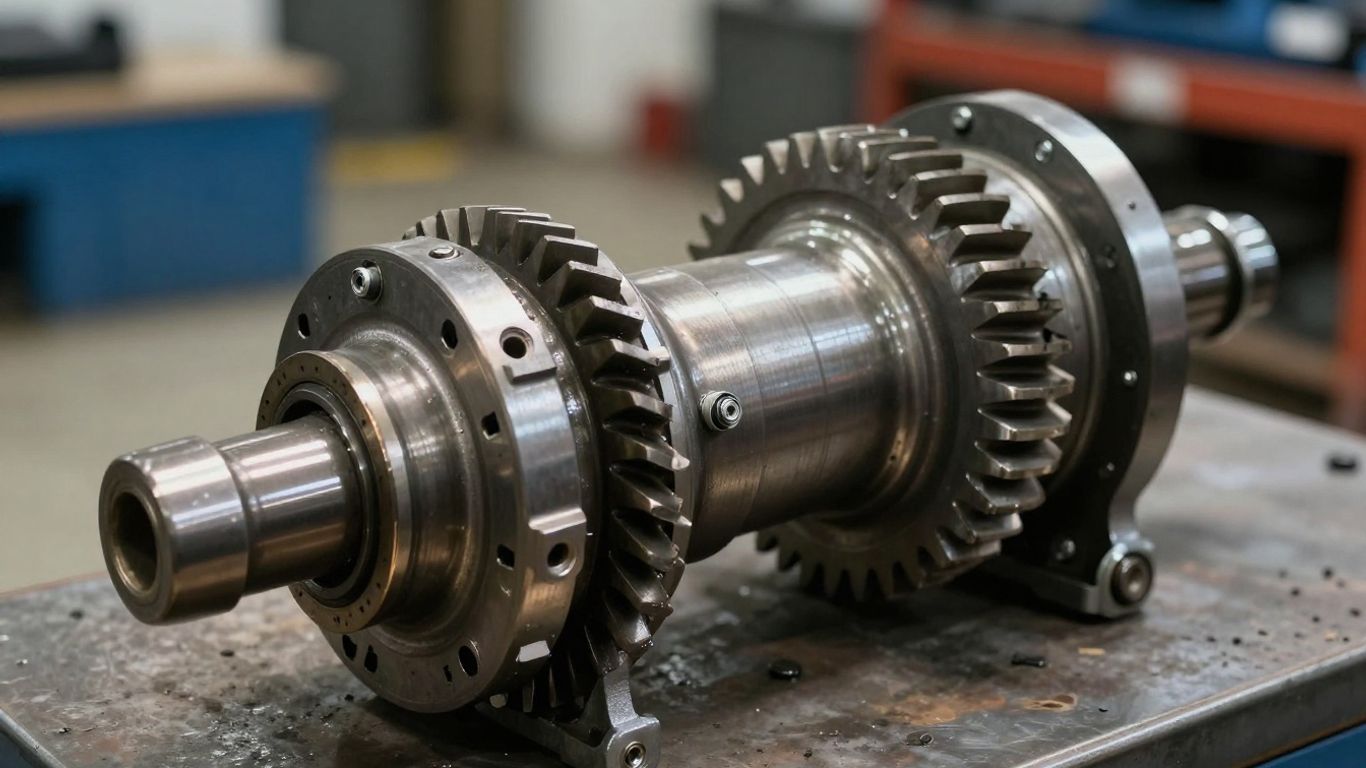
Comparing Prices for Used vs. New Parts
When it comes to keeping your BMW X3 running smoothly, the cost of parts can really add up. Nobody wants to spend a fortune on repairs, right? That’s where looking into used parts comes in. You can often find a used differential or axle for a fraction of the price of a brand-new one. It’s a smart way to save some cash without sacrificing the quality your BMW deserves. Think about it: a perfectly good part pulled from another X3 might just be exactly what you need, saving you a significant chunk of change.
The Value of Reconditioned Differentials and Axles
Sometimes, you might find parts that aren’t just ‘used’ but have been reconditioned. This means someone has taken a used part, checked it over, fixed any issues, and made sure it’s ready to go again. It’s kind of like getting a second life for a component. These reconditioned parts can offer a great balance between cost and reliability. You get a part that’s been professionally inspected and repaired, often coming with some sort of guarantee, which is a nice bit of security. It’s a step up from just buying a part off the shelf without knowing its history.
Budgeting for Installation and Related Repairs
It’s not just about the part itself, though. You’ve also got to think about getting it installed. Labor costs can vary, so it’s a good idea to get a few quotes from local mechanics, especially those who know their way around European cars. Don’t forget to factor in any other small bits and pieces that might be needed during the repair, like new seals or fluids. Planning for these extras helps avoid any nasty surprises when the bill comes. Being prepared with a realistic budget makes the whole repair process much less stressful.
When you’re looking at repair costs, it’s easy to get overwhelmed. But breaking it down helps. First, the part itself – used or reconditioned can save a lot. Then, the labor to put it in. Finally, those little extras that pop up. Thinking through each step makes the whole thing more manageable and less of a financial shock.
| Part Type | New Price (Estimate) | Used Price (Estimate) | Reconditioned Price (Estimate) |
|---|---|---|---|
| Differential | $1500 – $3000 | $400 – $1000 | $700 – $1500 |
| Axle Assembly | $500 – $1200 | $150 – $400 | $300 – $700 |
Wrapping It Up
So, if your BMW X3 needs a new differential or axle, don’t stress too much about the cost. Checking out local wreckers and specialist yards on the Sunshine Coast is a smart move. You can often find good quality used parts that will get your car back on the road without emptying your wallet. Give them a call, see what they have in stock, and get your X3 sorted.