
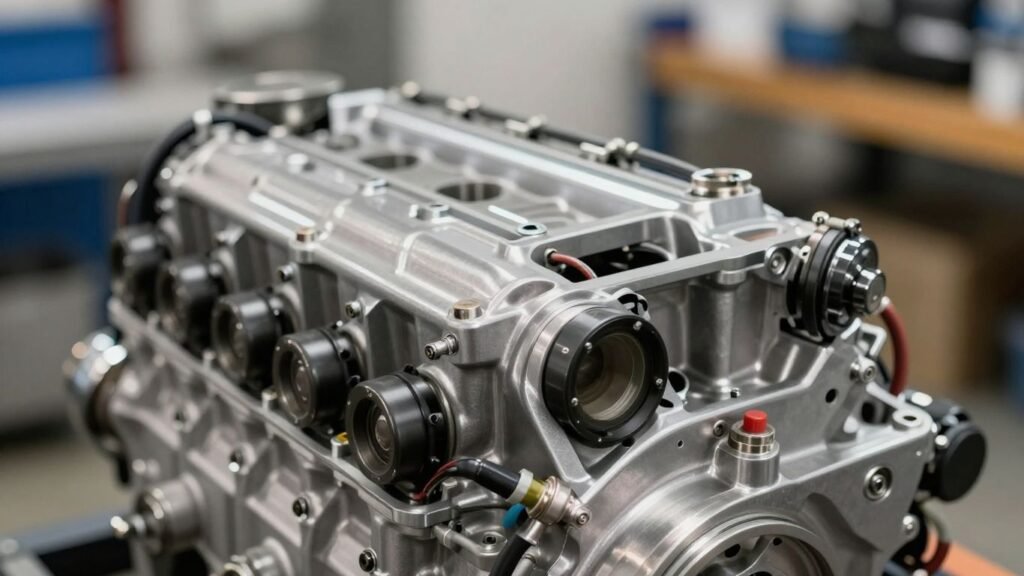
So, your BMW is making some unhappy noises, and you’re looking for a replacement engine without breaking the bank? Finding cheap used BMW engines for sale in Melbourne can feel like a treasure hunt, but it’s totally doable. Whether you’re dealing with a classic model or something a bit more modern, getting the right engine at a good price is key to keeping your Bavarian beauty on the road. This guide is here to help you figure out where to look and what to watch out for, so you can get back to enjoying your drive.
Key Takeaways
- Melbourne has a good number of places that specialize in used BMW parts, making it a solid spot to search for engines.
- Always check the engine’s condition, including its codes and specs, before you buy it. Don’t skip this part.
- Look into the seller’s history and ask about any kind of warranty or guarantee they offer.
- The price of a used engine really depends on what model it is, how many kilometers it’s done, and who you’re buying it from.
- Factor in the cost of installation and any other parts you might need, not just the engine itself.
Finding Affordable Used BMW Engines in Melbourne
Understanding the Value of Used BMW Engines
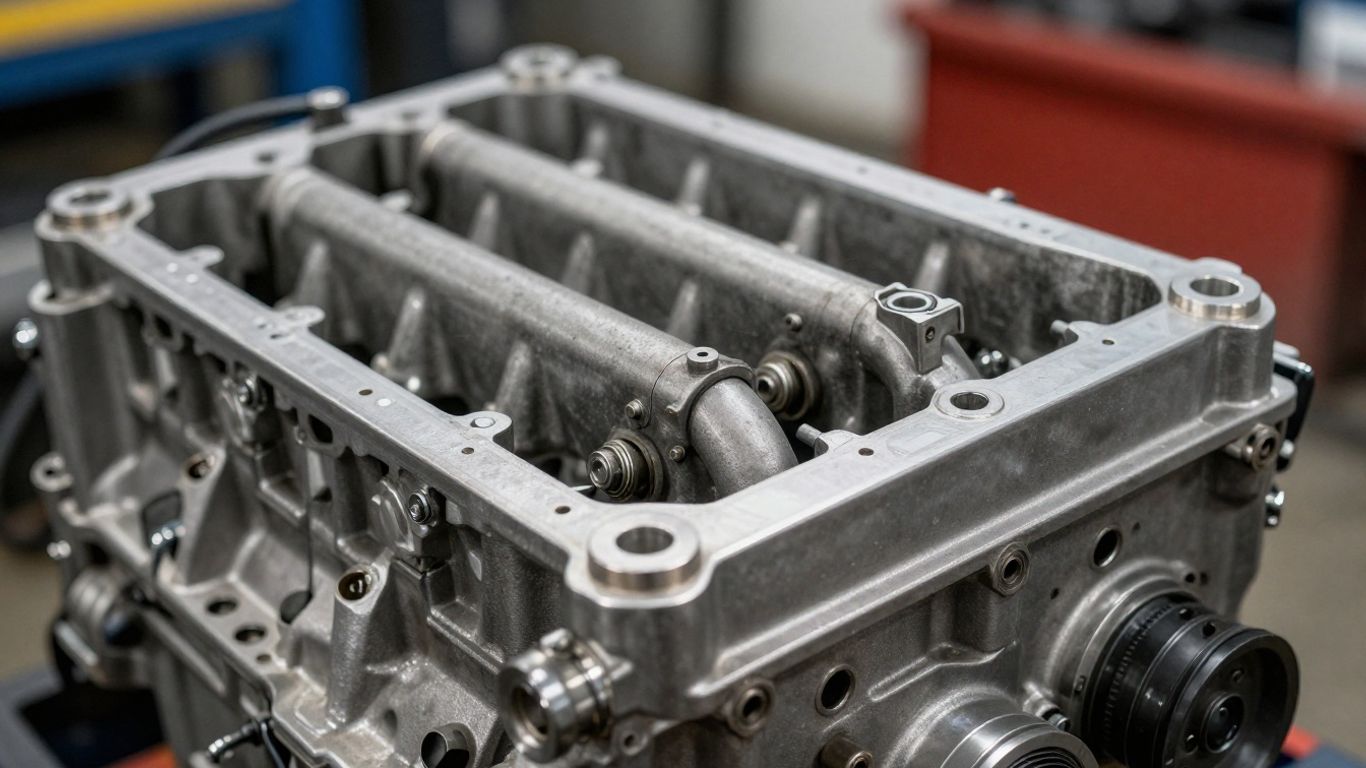
Buying a used engine for your BMW might sound a bit risky, but honestly, it’s a smart move for many people. New engines can cost a fortune, sometimes more than the car is even worth. A good quality used engine, on the other hand, can save you a massive chunk of cash. It’s all about finding that sweet spot between cost and reliability. Think of it like buying a refurbished phone – it’s been checked over, maybe had some parts replaced, and it’s ready to go for a lot less than a brand-new one. You’re essentially getting a second life for a component that’s still got plenty of miles left in it, which is great for your wallet and the environment.
Why Melbourne is a Hub for Used BMW Parts
Melbourne has a pretty solid reputation when it comes to car parts, and BMWs are no exception. There are a bunch of specialist wreckers and mechanics around the city who deal with European cars specifically. This means there’s a higher chance of finding the exact engine you need for your BMW model. Plus, with a larger market, you often get more options and a bit more competition between sellers, which can drive prices down. It’s not just about quantity, though; many of these places have been around for ages and know their stuff, so they can often help you figure out exactly what you need.
Key Considerations Before Buying
Before you hand over any cash, there are a few things you really need to think about. First off, what exactly is wrong with your current engine? Knowing this helps you pinpoint the right replacement. You’ll also want to know the engine code of the one you’re looking for – this is super important for compatibility. Don’t just grab the first thing you see. Also, think about the mileage on the used engine. Lower is generally better, but a well-maintained higher-mileage engine can sometimes be a better bet than a low-mileage one that’s been neglected. And always, always ask about the history of the engine if you can. Was it from a running car? Was it tested? The more info you have, the less likely you are to end up with a dud.
Getting the right engine is only half the battle. You also need to factor in the cost and effort of getting it installed. Sometimes, a cheap engine can become expensive if the labour costs are sky-high or if you need to buy a bunch of extra parts to make it fit.
| Engine Type | Typical Price Range (AUD) |
|---|---|
| 4-Cylinder | $800 – $2,500 |
| 6-Cylinder | $1,500 – $4,000 |
| V8 | $3,000 – $7,000+ |
| V12 | $5,000 – $10,000+ |
Where to Source Cheap Used BMW Engines for Sale Melbourne
Finding a good used BMW engine in Melbourne doesn’t have to be a wild goose chase. There are a few solid places to look, and knowing where to start can save you a lot of time and hassle. It’s all about knowing the right spots.
Specialist BMW Wreckers and Dismantlers
These guys are your go-to for a reason. They specifically deal with BMWs, meaning they often have a good stock of engines for various models. Think of them as the specialists who know their way around a BMW engine bay blindfolded. They’ll likely have engines from cars that have been written off or are too old to repair economically. It’s often your best bet for finding a specific engine model.
When you visit or call, be ready with your car’s exact model, year, and ideally, the engine code. This helps them narrow down what you need. They can usually tell you the mileage the engine came from and if it was running when removed. Some might even offer a short warranty, which is a big plus.
Online Marketplaces and Forums
Don’t underestimate the power of the internet. Websites like Gumtree, Facebook Marketplace, and even dedicated BMW forums can be goldmines. You’ll find private sellers, small independent mechanics, and even some wreckers advertising their stock online. It’s a bit more of a treasure hunt, but you can sometimes snag a real bargain.
Be extra careful here, though. Since it’s often a private sale, warranties are rare. You’ll need to be very thorough in your inspection and ask lots of questions. Look for sellers who provide detailed descriptions and photos. Sometimes, you’ll find people selling parts from a car they’re breaking down themselves, which can be a good source.
Independent Mechanics with Used Stock
Some independent mechanics, especially those who specialize in European cars or BMWs, might keep a small inventory of used engines on hand. They might pull an engine from a car they’re working on if a customer needs a replacement and they have a good donor car available. This can be a good option because they’re mechanics; they know what makes a good engine and what doesn’t.
They might have already done some basic checks on the engine, or even given it a quick test run. It’s worth calling around to the reputable independent BMW specialists in Melbourne to see if they have anything suitable. They can also be a great resource for advice on what to look for and can often help with the installation too.
Sourcing a used engine requires patience and a bit of detective work. Don’t rush into the first option you find. Compare prices, ask questions, and try to get as much information as possible about the engine’s history before you commit to buying.
Inspecting and Verifying Your Used BMW Engine Purchase
So, you’ve found a used BMW engine that looks promising. That’s great, but before you hand over your cash, you really need to give it a good once-over. It’s not like buying a toaster; this is a complex piece of machinery, and a bad buy can cost you a lot more than just the engine itself. Taking the time to inspect properly can save you a world of headaches down the road.
Essential Checks for Engine Condition
When you’re looking at an engine, start with the obvious stuff. Give the block a good look for any cracks or obvious damage. Check the oil pan for signs of impact or leaks. Pull out the dipstick – is the oil level okay? What color is it? If it looks milky, that could mean coolant is getting in, which is a big red flag. Also, check the coolant reservoir. Is it clean, or is it full of gunk? Smell the oil and coolant if you can; burnt smells are never good.
Understanding Engine Codes and Specifications
BMW engines have specific codes that tell you exactly what they are. You’ll see these codes on the engine block itself, often stamped into the metal. Knowing the code for the engine you need is super important. It confirms you’re getting the right model and year. For example, an S54 engine is very different from an M54, even though they might look similar at first glance. Make sure the code on the engine matches what the seller claims it is. You can usually find charts online that break down what each letter and number means for BMW engines.
The Importance of a Warranty or Guarantee
Buying a used engine without any kind of protection is a gamble. See if the seller offers a warranty. Even a short one, like 30 or 90 days, can give you some peace of mind. It means the seller has some confidence in the engine they’re selling. If something goes wrong shortly after you buy it, a warranty can mean the difference between a minor inconvenience and a major financial loss. Ask about their return policy too, just in case.
Factors Influencing Used BMW Engine Prices
Engine Model and Rarity
When you’re looking for a used BMW engine, the specific model and how common it is play a big part in the cost. Some engines, like those from older, sought-after models or special performance variants (think M-series), are naturally going to be more expensive. They’re just not made anymore, and enthusiasts are always looking for them. On the flip side, if you need an engine for a more common BMW model that was produced in large numbers, you’ll likely find more options and better prices. It’s a simple supply and demand thing, really.
Mileage and Overall Condition
This is a pretty big one. Just like buying a whole car, an engine with fewer kilometers on it will almost always cost more than one that’s seen a lot more road. An engine with, say, under 100,000 km is going to fetch a higher price than one with 200,000 km or more. But it’s not just about the odometer reading. The overall condition matters a ton. Was it well-maintained? Are there any visible signs of damage or wear? An engine that looks clean, has no obvious leaks, and appears to have been cared for will command a better price, even if it has a bit more mileage.
Seller Reputation and Location
Who you buy from makes a difference, too. A reputable specialist BMW wrecker or a well-known online seller who stands behind their products will often charge a bit more, but you usually get what you pay for – a better quality engine and some peace of mind. Buying from a private seller or a less established place might get you a lower price, but there’s a higher risk involved. Location can also factor in. Sometimes, engines might be priced differently depending on whether they’re readily available locally in Melbourne or if they need to be shipped from further afield, adding to the overall cost.
Remember, a cheap engine upfront can end up costing you more down the line if it’s not in good shape. It’s often worth paying a little extra for an engine that’s been properly inspected and comes with some sort of assurance.
Here’s a rough idea of how different factors might affect pricing:
| Engine Type | Typical Condition | Estimated Price Range (AUD) |
|---|---|---|
| Common 4-Cylinder | Good | $800 – $2,500 |
| Common 6-Cylinder | Good | $1,500 – $4,000 |
| Performance (e.g., N54, N55) | Good | $3,000 – $7,000+ |
| M-Series (S54, S65) | Good | $7,000 – $15,000+ |
| Very Low Mileage | Excellent | Add 20-50% to above ranges |
| High Mileage | Fair | Subtract 15-30% from above ranges |
Note: These are general estimates and actual prices can vary significantly based on availability, specific seller, and exact condition.
Preparing for Engine Installation and Beyond
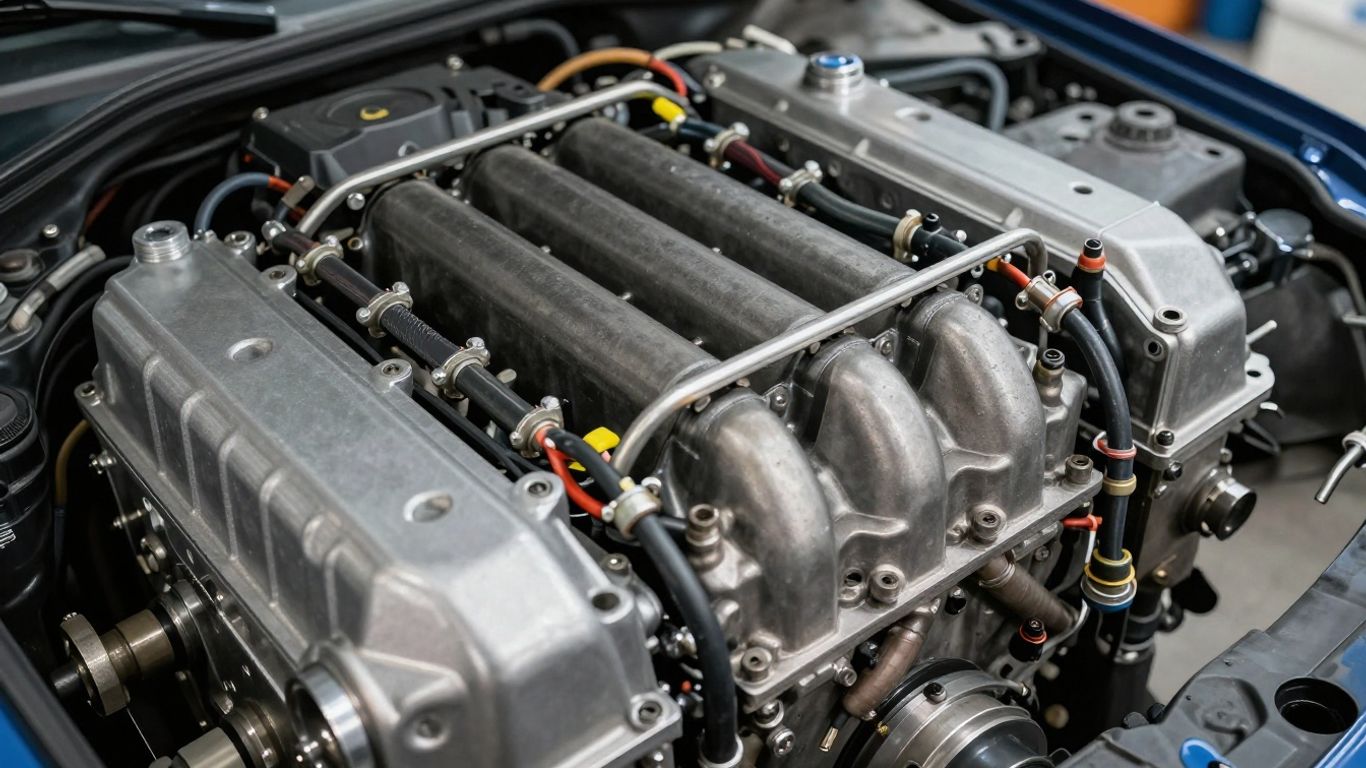
So, you’ve found the perfect used BMW engine in Melbourne. That’s a big step, but the journey isn’t quite over yet. Getting that new heart into your car requires some planning and the right help. It’s not just about bolting it in; there’s a bit more to it than that.
Finding a Qualified BMW Mechanic in Melbourne
This is probably the most important part after you’ve bought the engine. You don’t want just anyone working on your BMW, especially when it’s a complex job like an engine swap. Look for mechanics who specialize in European cars, or even better, BMWs specifically. Ask around, check online reviews, and see if they have experience with the type of engine you’ve purchased. A good mechanic can spot potential issues before they become big problems and will do the job right the first time. It might cost a bit more upfront, but trust me, it’s worth avoiding headaches down the road.
Budgeting for Installation and Ancillary Parts
When you buy a used engine, it often doesn’t come with everything you need. You’ll likely need new fluids, filters, gaskets, and maybe even some hoses or belts. Don’t forget the cost of labour for the installation itself. It’s easy to get caught up in the excitement of buying the engine and forget about these extra bits. It’s a good idea to set aside a separate budget for these items. Sometimes, buying a "donor" car or a package deal from a wrecker can include some of these parts, but always double-check what’s included.
Post-Installation Checks and Maintenance
Once the new engine is in and running, your job isn’t done. You need to keep an eye on things. The first few drives are critical. Listen for any strange noises, check for leaks, and monitor the temperature gauge. It’s also a good time to get all the fluids changed again after a short period, just to be safe. Regular maintenance is key to making sure your "new" used engine lasts as long as possible. Follow the recommended service schedule, and don’t skip oil changes.
Getting a used engine installed is a significant undertaking. It requires careful selection of your mechanic, a realistic budget for all the associated parts and labour, and diligent follow-up after the installation to ensure everything is running smoothly. Don’t rush the process; take your time and do it right.
Here’s a rough idea of what installation costs might look like, though prices can vary a lot depending on the mechanic and the complexity of the swap:
| Service Type | Estimated Cost (AUD) |
|---|---|
| Engine Removal & Installation | $1500 – $4000 |
| Fluid & Filter Replacement | $200 – $500 |
| Ancillary Parts (Hoses, Belts) | $300 – $1000 |
| Diagnostic Scan & Tuning | $200 – $600 |
Wrapping It Up
So, finding a good used BMW engine in Melbourne doesn’t have to be a total headache. We’ve gone over a few ways to track one down, from checking out local wreckers to looking online. Remember to do your homework, ask questions, and get as much info as you can before you hand over any cash. A little bit of effort now can save you a lot of trouble later. Happy hunting for that perfect engine!