
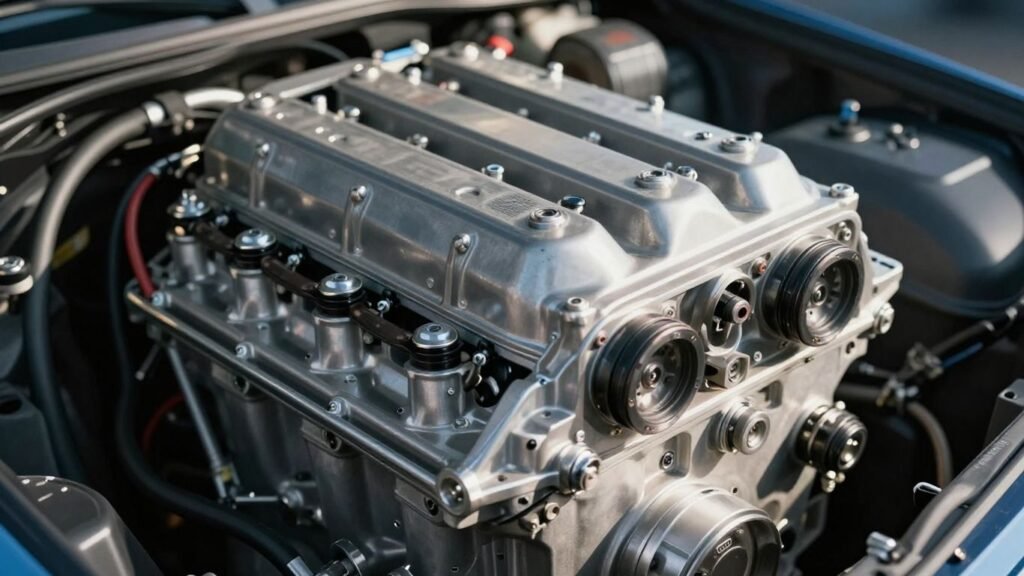
If you’re hunting for used BMW engines in Parramatta, you’re definitely not alone. BMW repairs can get expensive, especially when it comes to engine issues. A used engine can be a smart way to keep your car running without blowing your whole budget. But it’s not as easy as just picking the first engine you find online. There are a few things you’ll want to know before you buy, and getting it installed right is just as important as finding a good one. Here’s what you should keep in mind if you’re thinking about a used BMW engine swap in Parramatta.
Key Takeaways
- Used BMW engines in Parramatta can save you a lot compared to buying new, but you need to check the engine’s history and condition first.
- Local suppliers in Parramatta often know BMW models well and can help you find the right fit for your car.
- Always match the engine code and specs to your vehicle to avoid headaches later on.
- Professional installation is worth it—mechanics have the tools, know-how, and can spot issues before they become big problems.
- Ask about warranties and after-installation support so you know what you’re getting into if something goes wrong.
Finding Quality Used BMW Engines in Parramatta
Why Choose Used BMW Engines?
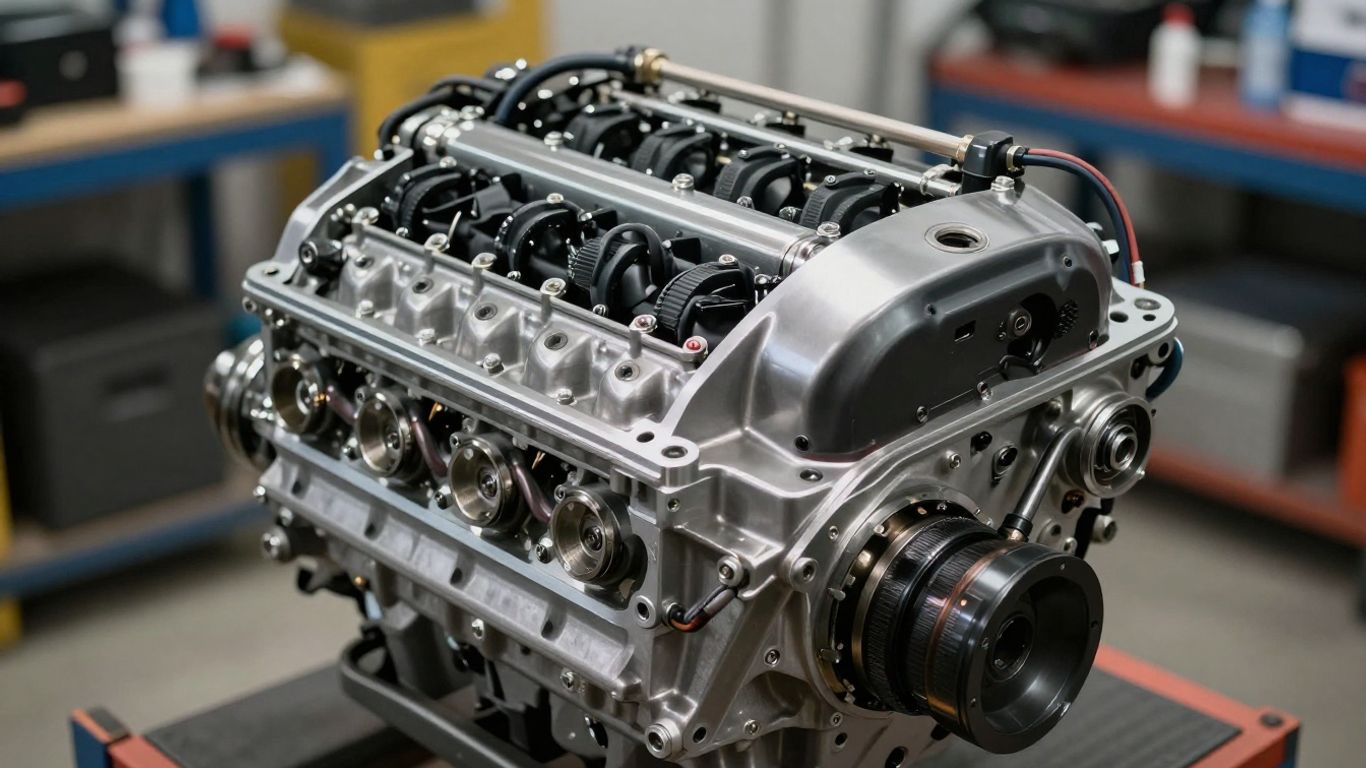
When your BMW needs a new heart, the idea of a used engine might pop up. It’s not always the first thought, but it can be a smart move, especially if you’re trying to keep costs down. New engines can cost a pretty penny, and sometimes, a well-maintained used one is perfectly capable of getting your car back on the road. Think of it like buying a refurbished piece of tech – often, it’s just as good as new but without the premium price tag. It’s about finding a balance between getting a reliable part and not breaking the bank.
Benefits of Sourcing Locally in Parramatta
Looking for a used BMW engine right here in Parramatta has its perks. For starters, it cuts down on shipping times and costs. If you need your car fixed quickly, having a local supplier means less waiting around. Plus, you can often visit the supplier in person, check out the engine yourself, and talk directly to the people who know their stock. This local connection can make the whole process feel a lot more straightforward and less like a shot in the dark.
Key Considerations for Used Engine Purchases
Buying a used engine isn’t something to rush into. You’ll want to know a few things before you hand over your cash. What’s the engine’s history? How many miles has it actually done? Has it been tested? These aren’t just small details; they can make a big difference in how long the engine lasts and how well it performs. It’s like buying a used car – you wouldn’t buy one without checking its service history, right? The same applies here.
Getting the right information upfront can save you a lot of headaches down the road. Don’t be afraid to ask questions and get details about the engine’s past life.
Here’s a quick look at what to think about:
| Factor | What to Check |
|---|---|
| Mileage | Lower is generally better, but condition matters more. |
| History | Ask about previous use, maintenance, and any known issues. |
| Source | Reputable dealers or wreckers are usually safer bets. |
| Warranty | See if any guarantee is offered for peace of mind. |
Expert Sourcing for Your BMW Engine Needs
Identifying Reputable Suppliers
Finding a good used engine isn’t just about picking the first one you see online. You really need to find someone who knows their stuff. Look for specialists who focus on BMWs, or at least European cars. They’ll have a better idea of what makes a good engine and what common issues to watch out for. Check out their reviews, ask for references if you can, and see if they have a physical location you can visit. A place that’s been around for a while and has a good reputation is usually a safe bet. Don’t be afraid to ask questions about their sourcing process – where do they get their engines from? How do they test them?
What to Expect from a Quality Part
A quality used BMW engine should look clean, not like it’s been sitting in a swamp. You want to see that it’s been properly stored, maybe even with some protective measures taken. It should be free from obvious damage, like cracks or major corrosion. If it comes with any accessories attached, like manifolds or turbos, they should also appear to be in good condition. A reputable seller will be able to provide details about the engine’s origin and any testing it has undergone.
The Importance of Engine History Checks
Just like buying a used car, knowing an engine’s past is super important. A good supplier will have some sort of history report or at least be able to tell you about the vehicle it came from. Was it in an accident? Was it maintained regularly? Did it have any known problems before it was removed? This information can tell you a lot about how the engine might perform and how long it’s likely to last. It’s better to pay a little extra for an engine with a clear history than to save a few bucks on a mystery unit.
Getting the right engine is half the battle. You don’t want to end up with something that’s going to cause more headaches down the road. Taking the time to find a good source makes all the difference.
Ensuring Engine Compatibility and Condition
So, you’ve found a used BMW engine that looks promising. That’s great! But before you hand over any cash, we really need to talk about making sure it’s the right fit and, you know, actually works. It’s not just about finding a motor that bolts in; it’s about finding one that’s going to keep your BMW running smoothly for a good long while. Getting this part wrong can lead to more headaches and costs down the road, and nobody wants that.
Matching Engine Codes and Specifications
This is probably the most important step. BMW engines have specific codes and configurations. You can’t just slap any engine into your car and expect it to work. Think of it like trying to fit a square peg in a round hole – it just won’t happen. You need to match the engine code on the used engine to the one that came out of your car, or the one your car is designed for. This code tells you everything about its size, its cylinders, its fuel system, and other key details. It’s usually stamped on the engine block itself. Also, check the year range the engine was made for. Sometimes, even within the same model, there can be slight variations from one year to the next that affect compatibility.
Assessing Mileage and Wear
Okay, so the engine code matches. Now, what about its life story? Mileage is a big indicator of wear. A lower mileage engine is generally better, but it’s not the whole picture. An engine with 150,000 miles that was meticulously maintained might be in better shape than one with 80,000 miles that was neglected. Look for signs of excessive wear, like play in the crankshaft pulley or unusual noises when it’s turned manually. If you can, ask about the maintenance history. Was the oil changed regularly? Were there any major repairs? A well-documented history can tell you a lot about an engine’s condition.
Pre-Purchase Inspections for Peace of Mind
If you’re serious about a particular engine, getting a pre-purchase inspection is a smart move. This is where a qualified mechanic takes a good look at the engine before you buy it. They can check for things you might miss, like internal damage, leaks, or worn-out components. They can also perform a compression test to see how well the cylinders are sealing, which is a good sign of overall engine health. It might cost a bit upfront, but it can save you a fortune if it prevents you from buying a dud.
Sometimes, a used engine might have a bit of oil in the intake or on sensors. A good mechanic will know how to check for this and clean it up properly. It’s also important to manually turn the engine over before you even think about starting it, just to make sure it’s not seized up. These checks are simple but can prevent big problems.
| Component Checked | What to Look For |
|---|---|
| Engine Block | Cracks, damage, correct stamping |
| Cylinders | Signs of wear, scoring |
| Crankshaft | Smooth rotation, no excessive play |
| Oil Seals | Leaks, dryness, cracking |
| Spark Plugs | Fouling, wear patterns |
| Sensors | Oil contamination, damage |
Professional Installation Services in Parramatta
Why Professional Installation Matters
Getting a used BMW engine installed isn’t like swapping out a lightbulb. It’s a complex job that needs the right tools, a clean workspace, and someone who really knows their way around a BMW engine. Trying to do it yourself without the proper training or equipment can lead to more problems and cost you a lot more in the long run. A professional installer makes sure everything is connected correctly, all fluids are topped up, and the engine is ready to go. They have the experience to spot potential issues before they become big headaches.
What the Installation Process Involves
When you bring your BMW and the sourced engine to a professional shop in Parramatta, they’ll start by carefully removing the old engine. This involves disconnecting all the hoses, wires, and mounts. Then, they’ll prepare the new (used) engine, making sure it’s clean and ready. This might include replacing seals or gaskets that are easily accessible before installation. The new engine is then carefully lowered into place and secured. All the connections are re-made, fluids are refilled, and the vehicle is prepped for its first start. It’s a detailed process that requires precision at every step.
Post-Installation Checks and Guarantees
After the engine is installed, the work isn’t quite done. A good mechanic will run the engine, check for any leaks, and listen for unusual noises. They’ll often take the car for a test drive to make sure it’s running smoothly under different conditions. This is also when they’ll check all the dashboard warning lights. Many reputable shops will offer a warranty on their installation work, giving you peace of mind. It’s always a good idea to ask about this before you agree to the service.
A professional installation isn’t just about getting the engine in; it’s about making sure it works correctly and safely with the rest of your car’s systems. This attention to detail prevents future issues and ensures your BMW performs as it should.
Cost-Effective Solutions for BMW Engine Replacements
Balancing Quality and Budget
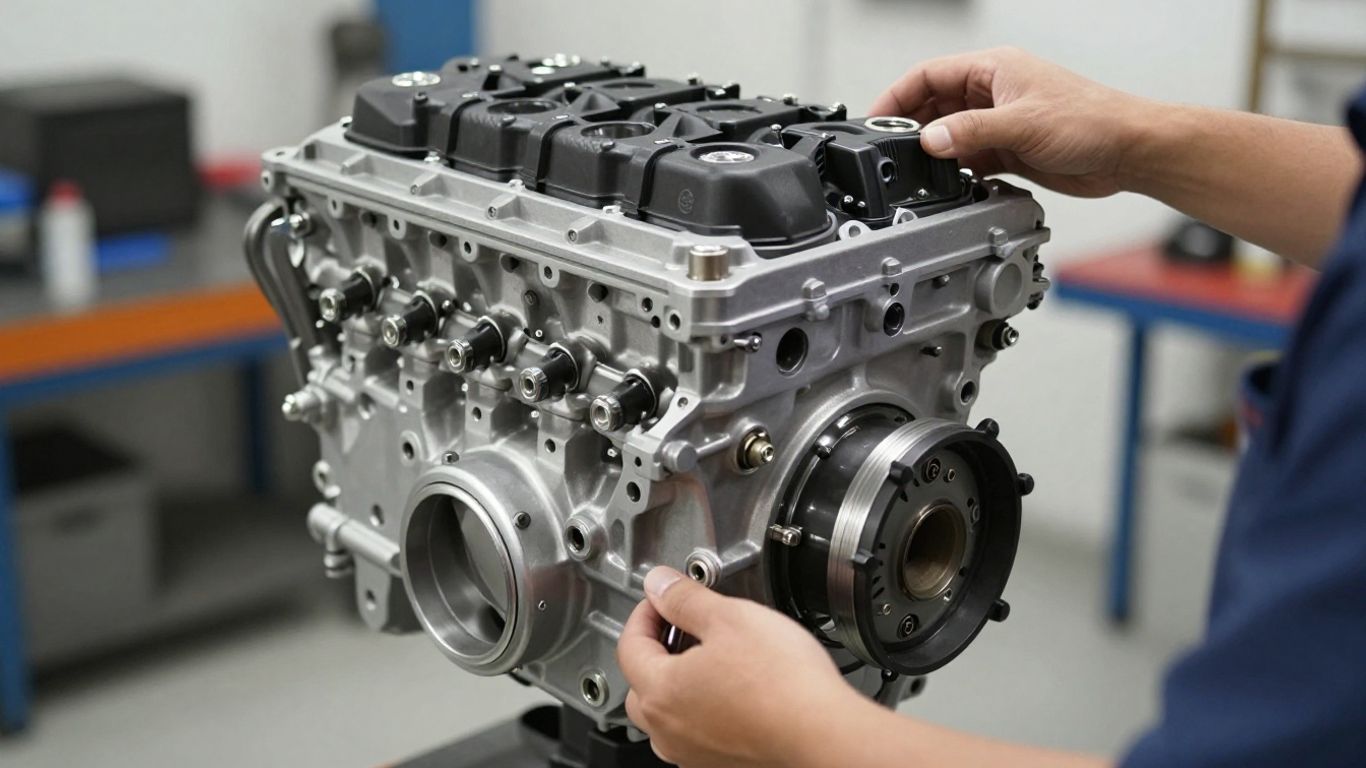
Replacing a BMW engine doesn’t have to break the bank. When you’re looking at a used engine, the goal is to find a balance. You want something reliable, something that will keep your car running smoothly, but you also need to keep an eye on the costs. It’s not just about the cheapest option; it’s about getting the most value for your money. A slightly more expensive engine with a solid history and a good warranty might save you a lot more down the line compared to a bargain that ends up needing more work.
Understanding Warranty Options
When you buy a used engine, especially in Parramatta, ask about warranties. Some suppliers might offer a short-term guarantee, maybe 30 to 90 days, covering major internal components. This can give you some peace of mind. It’s like an insurance policy against immediate problems. Always read the fine print to know exactly what’s covered and for how long. A good warranty is a sign that the seller stands behind their product.
Long-Term Value of a Reliable Engine
Think about the bigger picture. Putting a solid, dependable used engine into your BMW might cost more upfront than a quick fix, but the long-term benefits are significant. You’ll likely experience better fuel economy, smoother performance, and fewer unexpected repair bills. Investing in a quality used engine is an investment in your car’s longevity and your driving satisfaction. It means you can keep enjoying your BMW without the constant worry of breakdowns.
Getting a used engine isn’t just about the part itself. It’s about the whole package: the sourcing, the inspection, and the installation. When all these pieces fit together well, you get a solution that’s both affordable and dependable for the long haul.
Navigating the Used Engine Market
Common Pitfalls to Avoid
Buying a used engine can feel like a bit of a gamble sometimes. You want to get a good deal, but you also don’t want to end up with a dud. One big mistake people make is not checking the engine’s history. Just because it looks okay on the outside doesn’t mean it hasn’t had a hard life. Always ask for service records or any documentation that shows how the engine was maintained. Another trap is focusing only on price. The cheapest engine might seem appealing, but if it’s about to die, you’ll spend more in the long run fixing it or replacing it again. Also, be wary of sellers who can’t provide details about the engine’s origin or why it was removed from its original vehicle. That lack of transparency is a red flag.
Leveraging Specialist Knowledge
When you’re looking for a used BMW engine, it’s easy to get overwhelmed by all the options and technical details. That’s where talking to people who really know their stuff comes in handy. Think about mechanics who specialize in European cars, or even dedicated BMW forums online. These folks often have insights into common engine issues for specific models and can point you towards reliable sources. They might know which engine codes are generally more robust or which suppliers have a good reputation for quality used parts. It’s like having a cheat sheet for the whole process, saving you time and potential headaches.
The Advantage of Local Expertise
Getting your used BMW engine from a local supplier in Parramatta has some real perks. For starters, you can often go and see the engine yourself before you buy it. This lets you check for obvious damage or wear that might not be clear in photos. Plus, if there’s an issue down the line, dealing with a local business is usually much simpler. You can pop back in, talk to them face-to-face, and sort things out. It cuts down on shipping hassles and makes the whole experience feel a lot more secure. Local suppliers also tend to understand the specific needs of the Australian market and the types of vehicles common in the area.
Buying used parts, especially something as complex as an engine, is often about finding that sweet spot between cost and reliability. It’s not just about getting the cheapest option, but the one that gives you the best value and keeps your car running smoothly for a good while longer. Thinking about the long game makes a big difference.
Wrapping It Up
So, if you’re in Parramatta and your BMW needs a new heart, don’t sweat it too much. Finding a good used engine is totally doable, especially when you know where to look and what to ask for. It’s all about finding a place that not only has the part but also knows how to put it in right. Getting a solid engine means your BMW can get back to feeling like a BMW again, without costing you an arm and a leg. Just remember to do a little homework, ask questions, and you’ll be back on the road in no time.