
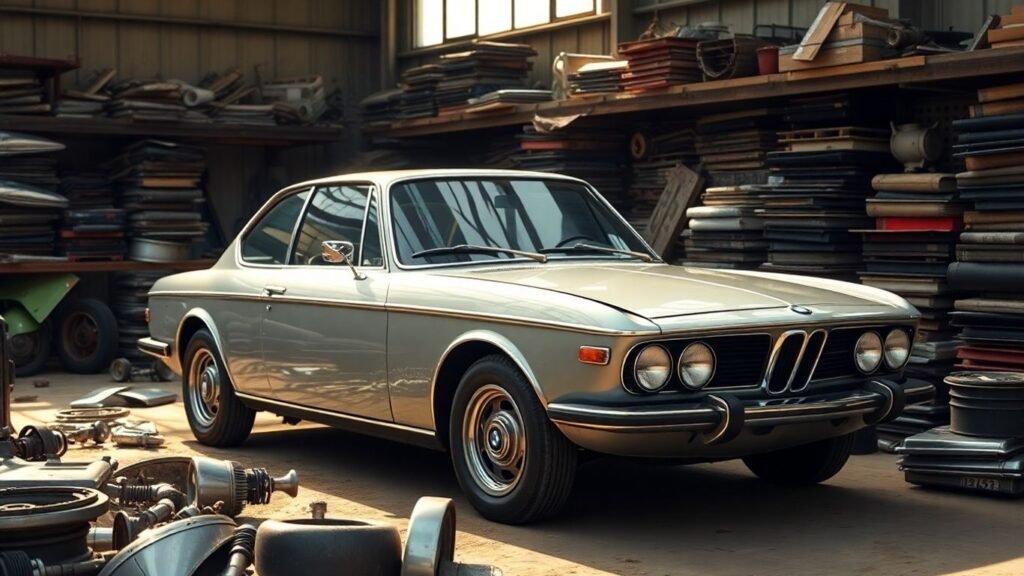
So, you’ve got a classic BMW and you’re on the hunt for a specific part. Maybe it’s for a rare model, or perhaps something just isn’t made anymore. Finding these BMW parts in Australia can feel like a treasure hunt, but don’t worry, it’s totally doable. This guide will help you figure out where to look, whether you’re after something brand new or a good quality used piece. We’ll cover everything from official dealerships to online communities, making sure you can keep your ‘Ultimate Driving Machine’ in top shape.
Key Takeaways
- For guaranteed genuine parts, BMW Australia is the direct route, though it might be pricier and require appointments.
- Trusted local workshops often have good connections with parts suppliers and can help with custom options.
- Online marketplaces and third-party suppliers offer a wide range of parts, but always check their trustworthiness and return policies.
- Connecting with BMW clubs and online forums can lead you to fellow enthusiasts who might have the rare parts you need or know where to find them.
- When buying used parts from salvage yards or BMW wreckers for classic models, carefully check the condition and warranty, and understand what influences the price.
Navigating The Used Parts Market For BMWs
Sometimes, new parts just aren’t in the cards, either because they’re too expensive or simply not made anymore. That’s where the used parts market comes in. It can be a goldmine for finding those hard-to-get components for your BMW, and it’s often a lot easier than you might think, especially with the internet connecting us all.
Finding Salvage Yards And BMW Wreckers
Australia has a network of salvage yards and "wreckers" that specialise in dismantling vehicles and selling off the usable parts. These places are fantastic for finding original equipment manufacturer (OEM) parts that are no longer produced by BMW. You might need to do a bit of digging, and sometimes it’s a case of "you get what you find," but the savings can be substantial. Many yards now have online inventories, so you can often check what they have before you even visit. Finding a reputable wrecker is key to getting quality used parts.
Assessing Condition And Warranty For Used Parts
When you’re looking at a used part, always check its condition carefully. Ask for detailed photos, especially if you’re buying from afar. Look for signs of wear, damage, or previous repairs. A good seller will be upfront about the part’s history and condition. It’s also a really good idea to see if there’s any kind of warranty or return policy. Even a short, 30-day guarantee on a major component like an engine or transmission can give you peace of mind. If the part doesn’t fit or turns out to be faulty, you’ll want to be able to send it back.
| Part Type | Typical Condition Check |
|---|---|
| Engine | Compression, oil leaks, unusual noises |
| Transmission | Smooth shifting, no grinding, fluid condition |
| Body Panels | Rust, dents, alignment |
| Electrical | Corrosion on connectors, signs of overheating |
| Suspension | Worn bushings, leaks, bent components |
Buying used doesn’t mean you’re settling for less. It’s about being smart with your money and finding quality components that still have plenty of life left. With a bit of research, you can get exactly what you need and keep your BMW running smoothly without breaking the bank.
Understanding Pricing Factors For Used Parts
The price of a used BMW part can vary quite a bit. Factors like the rarity of the part, its condition, the demand for it, and where you’re buying it from all play a role. A part from a very low-mileage car might cost more than one from a higher-mileage vehicle, even if they look similar. Also, a part that’s hard to find because it’s no longer made by BMW will naturally command a higher price than something that’s still readily available. Always compare prices from a few different sources if you can, and remember to factor in any shipping costs or potential return fees.
Connecting With Fellow BMW Enthusiasts
Sometimes, the best way to find that elusive part for your BMW isn’t through a catalog or a workshop, but through people who share your passion. Other BMW owners know the struggle of hunting down specific components, especially for older or less common models. They’ve likely been there, done that, and might even have the exact piece you need sitting in their garage.
Local BMW Club Networks
Joining a local BMW club can be a game-changer. These groups are full of dedicated enthusiasts who often have extensive knowledge about parts sourcing and might even be willing to trade or sell items from their own collections. Think of it as a community swap meet, but with more specific knowledge about Bavarian engineering. You’ll find people who understand the nuances of different E-series or F-series models, and they can point you in the right direction or even have the part you’re looking for.
Online Enthusiast Platforms
Beyond local clubs, the internet opens up a massive network of BMW fans. Forums dedicated to specific BMW models or general BMW discussion boards are goldmines for information. People often post about parts they have for sale, parts they’re looking for, or even tips on where to find rare items. Don’t underestimate the power of a well-placed post asking for help. You might be surprised by the responses you get from owners across the country.
| Platform Type | Examples | What to Look For |
|---|---|---|
| Online Forums | Bimmerforums, BMWLand | Specific model sections, ‘For Sale’ or ‘Wanted’ threads |
| Social Media Groups | Facebook BMW Owner Groups (Country-wide/State) | Posts from members, direct messaging for inquiries |
Building Trust Within The Community
When you connect with other enthusiasts, remember that trust is key. Be clear about what you need and what you’re offering. A good reputation within the community goes a long way, and helping others find parts can often lead to them helping you in return.
Buying used doesn’t mean you’re settling for less. It’s about being smart with your money and finding quality components that still have plenty of life left. With a bit of research, you can get exactly what you need and keep your BMW running smoothly without breaking the bank.
Exploring Third-Party Suppliers For BMW Parts
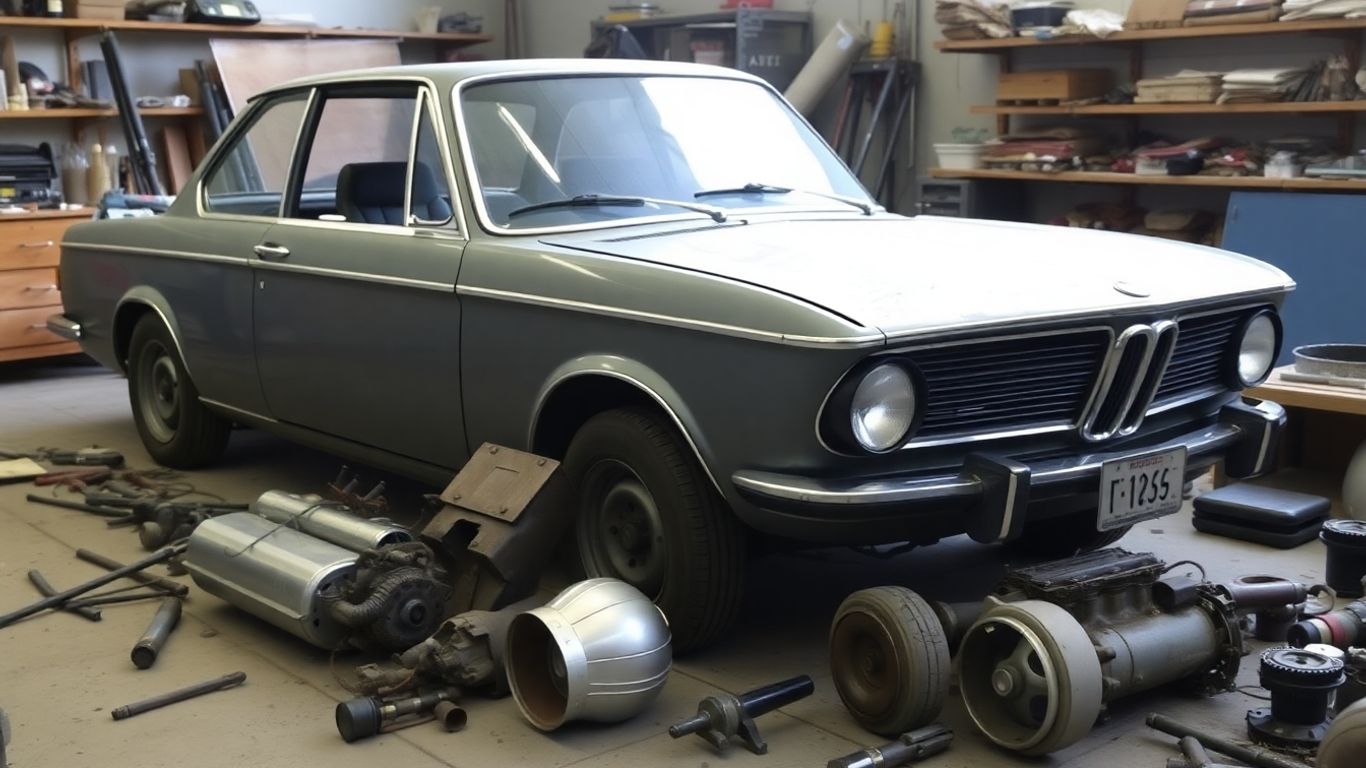
Sometimes, the official BMW channels or your usual mechanic just don’t have that specific piece you’re hunting for, especially if you’re working on a classic or a less common model. This is where third-party suppliers really come into play. These folks can be anything from online stores to independent parts dealers, and they often stock a wider range of items, including parts that BMW itself no longer makes.
Online Marketplaces For BMW Spares
The internet is a huge help when you’re on the hunt for a particular BMW part. There are tons of online places where people list BMW spares. You can often find everything from the usual bits that wear out to those really tricky components for your older Beemer. Many of these sites let you search by your car’s year, make, and model, which saves a lot of time. If you happen to know the part number, some even let you search by that too.
Verifying Supplier Trustworthiness
It’s a bit of a mixed bag out there, so you really need to be careful. Not every online seller is on the up and up. Look for suppliers that make it easy to find their contact details, maybe even a physical address if you can. Check out what other buyers are saying – good reviews are a strong indicator. If a price seems way too good to be true, it probably is. A seller who clearly lists their stock and provides good photos of the parts is usually a safe bet.
Understanding Return Policies
This is a big one. What happens if you order the wrong part, or if the part you get is faulty? A good supplier will have a clear return policy. Make sure you read it before you buy. Can you send it back if it doesn’t fit? How long do you have to do it? Are there any fees for sending it back? Knowing this upfront can save you a lot of hassle and money later on.
When you’re looking at third-party suppliers, remember that doing your homework on the seller and understanding their policies before you click ‘buy’ is key. It’s all about being smart and cautious to get the right part for your BMW without any unexpected problems.
Leveraging Trusted Workshops For Parts
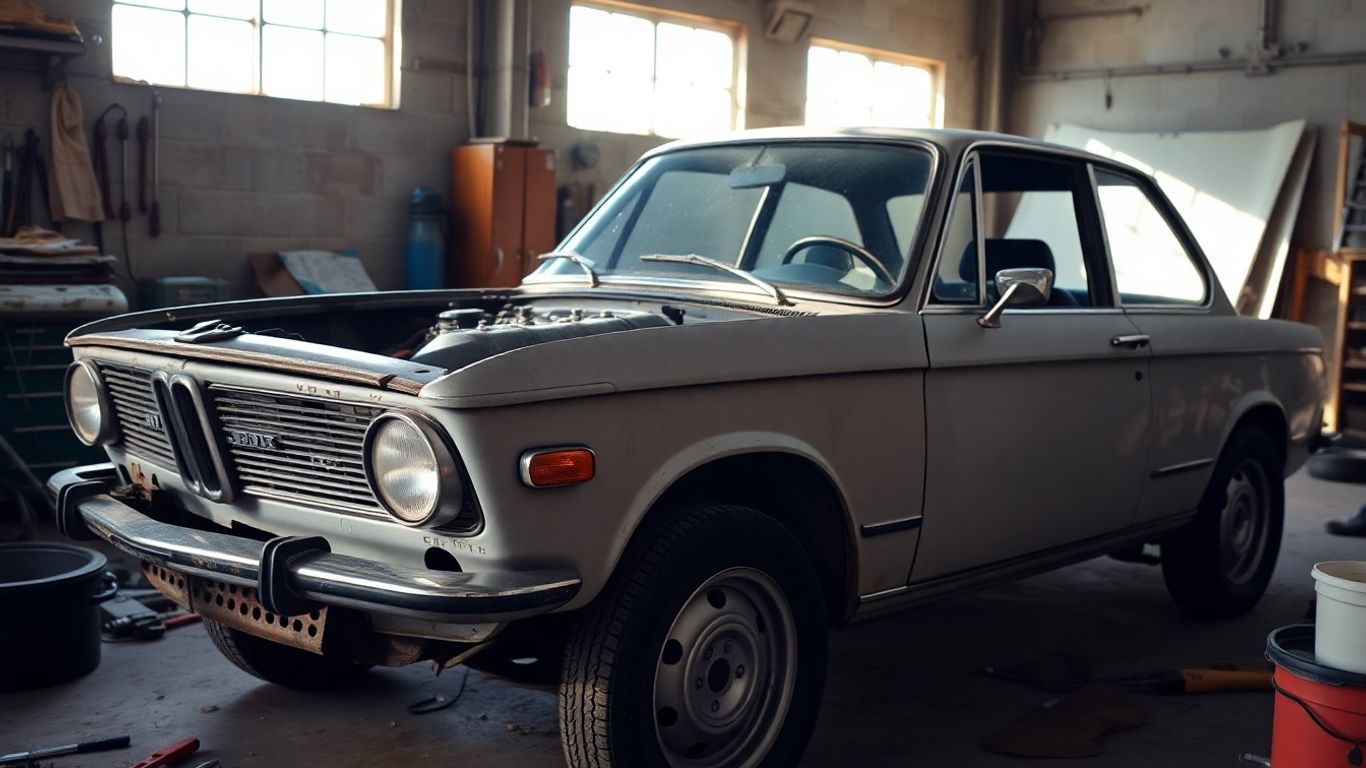
Sometimes, the thought of hunting down a specific BMW part can feel like a full-time job. For many owners, the easiest route is to let their go-to mechanic handle it. Workshops that have been working on BMWs for a while often have solid connections with parts suppliers all over Australia. They know the cars, they know the parts, and they know where to find them.
Building Relationships with Mechanics
Think of your mechanic as a partner in keeping your BMW running smoothly. When you have a good relationship with a workshop, they’re more likely to go the extra mile to find what you need, especially for older or less common models. They understand the nuances of your car and can often identify the exact part required, saving you the headache of ordering the wrong thing.
Accessing OEM Parts Suppliers
These workshops usually have established accounts with Original Equipment Manufacturer (OEM) parts distributors. This means they can often get genuine BMW parts faster and sometimes at a better price than an individual buyer. They know the difference between a genuine part and a cheap imitation, which is pretty important when you want your BMW to perform as intended.
| Part Category |
|---|
| Standard Replacement Parts |
| Performance Parts |
| Cosmetic/Accessory Parts |
Exploring Customisation Options Through Professionals
Beyond just standard replacements, a good workshop can also be your gateway to customisation. If you’re looking for something a bit different, maybe a performance upgrade or a specific aesthetic modification, your mechanic can advise on what’s available. They’re often aware of aftermarket specialists and custom part manufacturers that you might not find on your own. They can help source these parts and even fit them for you, making the whole process much simpler.
When dealing with workshops, it’s always a good idea to ask about their parts sourcing process. Understanding where they get their parts and what brands they typically use can give you peace of mind. Don’t hesitate to ask if they can source genuine BMW parts specifically, especially if that’s your preference.
Prioritising Genuine Over Counterfeit BMW Parts
When you’re on the hunt for those specific BMW parts, especially for a classic model, it’s easy to get swayed by a low price tag. You might see something that looks like it’ll work and think, ‘Why not?’ But honestly, sticking with genuine BMW parts is usually the smarter move in the long run. Counterfeit parts might seem like a steal at first, but they can cause a whole heap of trouble later on. They might not fit perfectly, they could wear out way faster than they should, or worse, they might even mess up other parts of your car. It really is better to spend a little more upfront for a part that was actually made for your specific BMW. You’re not just buying a piece of metal or plastic; you’re buying confidence that your car will work the way it’s supposed to.
Avoiding Universal Parts
Similar to dodging fake parts, you’ll want to steer clear of anything labeled ‘universal’. Your BMW is a finely tuned machine, and it was built with specific components in mind. A universal part might technically bolt on, but it’s highly unlikely to perform as well as the original. Think about it – a part designed to fit a huge range of cars probably wasn’t engineered to the same high standards as something made specifically for your E30 or your F90 M5. You might save a few bucks now, but you could end up with less-than-ideal performance or even cause damage. It’s always best to find a part made for your exact model and year.
Asking Key Questions Before Purchase
Before you hand over your money, especially when buying online or from someone you don’t know well, it’s worth asking a few questions. If you have the part number, check it and make sure it matches your car’s specs. Ask about the part’s history – was it taken from a car that was running fine? Was it ever damaged? If you’re buying used, see if there’s any kind of warranty or return policy, even if it’s just for a short period. Knowing where the part came from and its condition can save you a lot of headaches down the road. Don’t be shy; a seller who knows their stuff will be happy to answer your questions.
When looking for parts, especially for older cars, it’s easy to get caught up in the excitement of finding something rare. But always remember that quality and compatibility matter more than just getting a part. A part that fits perfectly and is made to BMW’s standards will save you time, money, and stress later on.
Sourcing Genuine BMW Parts Directly
Sometimes, the most straightforward path to getting the right part for your classic BMW is to go straight to the source: BMW itself. This method guarantees you’re getting genuine parts, made specifically for your car. It’s like getting a direct recommendation from the manufacturer, so you know it’ll fit and work the way it’s supposed to.
Understanding Pricing and Availability
Going direct can sometimes mean a higher price tag. Manufacturer pricing reflects the quality and brand, but it’s worth comparing. You might find certain parts cost more than you expected. Availability can also be a factor. Getting an appointment at a BMW dealership to have parts fitted can take time, depending on where you are and how busy they are. It’s not always a quick fix, especially if you need your car back on the road fast.
Here’s a general idea of what you might expect:
| Part Category | Typical Pricing | Availability |
|---|---|---|
| Standard Replacement | Higher | Generally Good |
| Performance Parts | Varies | Varies |
| Cosmetic/Accessory Parts | Varies | Generally Good |
Considering Lead Times and Appointments
When you order directly from BMW, especially for older or less common models, lead times can vary quite a bit. Some parts might be in stock at a regional warehouse, while others might need to be specially ordered from Germany. This can mean waiting weeks, or even months, for a specific component to arrive. It’s always a good idea to ask about the estimated delivery time upfront. Also, remember that getting a service appointment to have the part installed might also require some planning. Dealerships often book up in advance, so factor that into your timeline.
Buying directly from BMW offers peace of mind regarding part authenticity and compatibility. However, it’s wise to be aware of potential costs and lead times involved. Always ask for estimated delivery and installation schedules.
Wrapping It Up
So, finding that specific BMW part might take a bit of digging, but it’s totally doable. Whether you’re going straight to BMW, hitting up your trusted mechanic, or browsing online for deals from other enthusiasts, there are options out there. Just remember to double-check what you’re buying, especially if it’s an older or harder-to-find piece. Keeping your BMW in top shape is worth the effort, and with a little patience, you’ll get your ‘Ultimate Driving Machine’ back on the road in no time.