
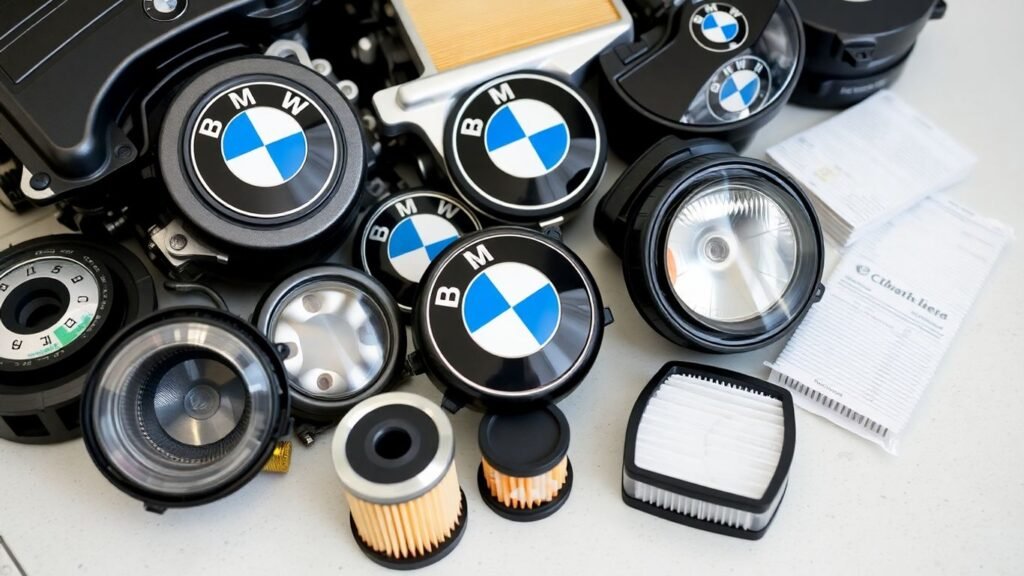
Owning a BMW is pretty sweet, right? It’s a car built for performance and luxury. But like any car, it needs upkeep. Finding the right parts can feel like a treasure hunt sometimes. You want stuff that works well and doesn’t break the bank. This guide is here to help you figure out the best places to get those BMW spare parts you need, so your car keeps running like the day you got it.
Key Takeaways
- Always go for genuine BMW parts when possible. They’re made specifically for your car, which means better performance and fewer headaches down the road.
- Authorized BMW dealerships are a safe bet for authentic parts, though they might cost a bit more.
- Online catalogs and specialized retailers can offer a wider selection and sometimes better prices, but do your homework on the seller.
- When looking at used parts, check them over carefully for any damage and make sure they’re compatible with your specific BMW model.
- Reputation matters. Look for reviews and ask around in BMW owner groups to find a reliable BMW spare parts supplier.
Understanding the Importance of Genuine BMW Spare Parts
So, you’ve got a BMW. That means you’ve got a car that’s built with a certain level of engineering and performance in mind. It’s not just any car, right? And because of that, when it needs a new part, whether it’s something small like a filter or a bigger deal like a brake component, you really want to make sure you’re putting the right stuff back in. Using parts that aren’t up to snuff can really mess with how your car runs, and honestly, nobody wants that. It’s like trying to fix a fancy watch with a hammer – it just doesn’t work.
Ensuring Optimal Performance and Reliability
Think about it: BMW designs its cars to work with specific parts. These aren’t just random pieces; they’re engineered to fit perfectly and function exactly as intended. When you use genuine BMW parts, you’re basically keeping your car’s systems working the way the engineers planned. This means your engine will run smoothly, your transmission will shift like it should, and all those little electronic bits will communicate properly. It’s all about keeping that driving experience you love intact. Using parts that aren’t made for your specific BMW model can lead to all sorts of headaches down the road, from weird noises to actual breakdowns. Sticking with genuine parts is the best way to keep your BMW performing at its peak.
Maintaining Vehicle Safety Standards
This one’s pretty straightforward, but super important. Your car’s safety features are there for a reason, and they rely on specific components working correctly. Take your brakes, for example. If you put in brake pads or rotors that aren’t designed for your BMW, they might not stop the car as quickly as they should. That’s a serious safety risk, not just for you but for everyone else on the road. The same goes for things like your steering components or even the tires. Genuine parts are tested to meet BMW’s safety requirements, so you know they’re going to do their job when you need them most.
When you’re looking at parts, especially for safety systems, it’s really worth the extra effort to get the real deal. It’s not just about the car; it’s about making sure you and your passengers are protected.
Preserving Your BMW’s Resale Value
Let’s say you decide to sell your BMW down the line. What do potential buyers look for? They want a car that’s been well taken care of. And a big part of that is knowing that it’s been serviced with the right parts. If a car has a history of using genuine BMW parts, it tells a buyer that the previous owner cared about the vehicle and didn’t cut corners. This can make a real difference in how much you can get for your car. It’s an investment in your car’s future value, plain and simple. You wouldn’t buy a used designer handbag if you suspected it was a fake, right? Same idea here.
Navigating Your Options for BMW Auto Parts
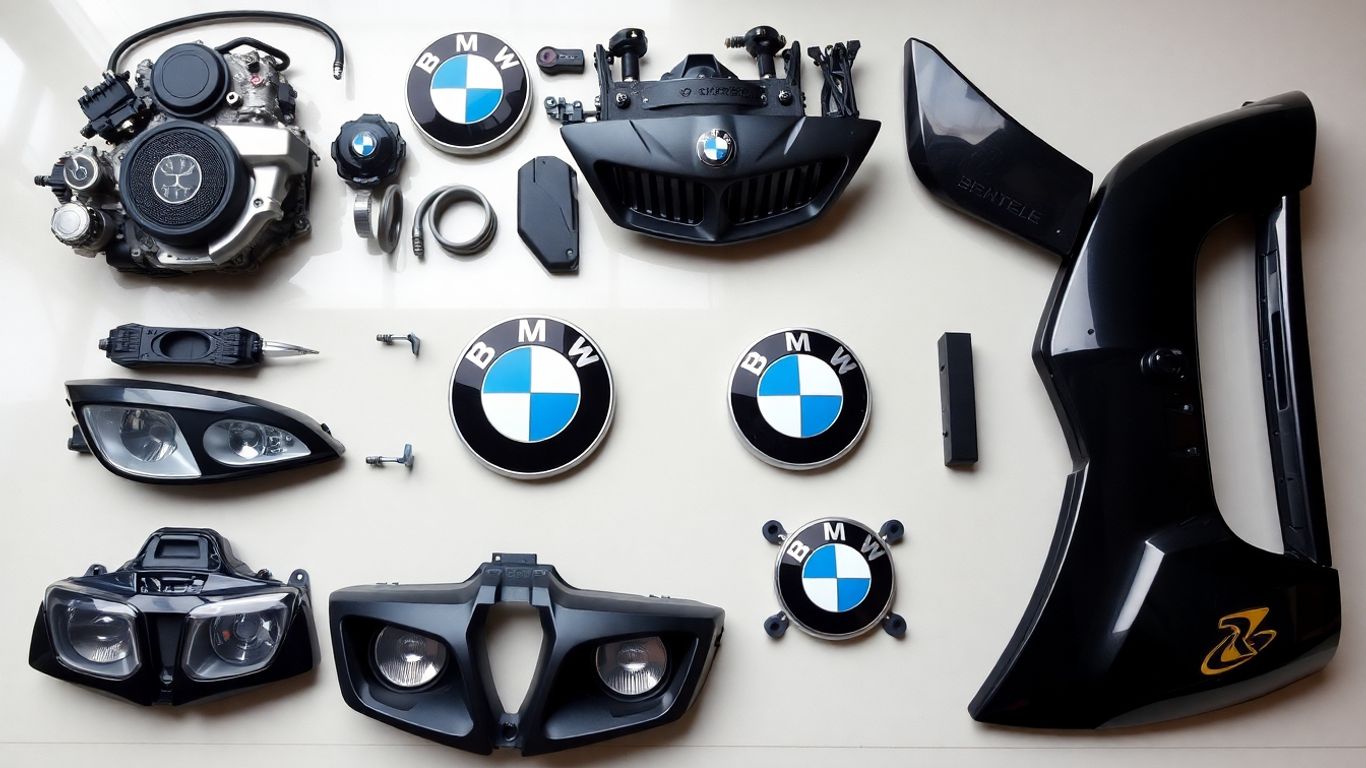
So, you need a part for your BMW. It happens to the best of us, right? Whether it’s a squeaky brake or something more serious, figuring out where to get the right piece can feel like a puzzle. But don’t worry, it’s not as complicated as it might seem. There are a few main roads you can take when looking for BMW auto parts, and each has its own perks.
This is usually the first place people think of, and for good reason. Dealerships are the official source. They stock parts made specifically for your BMW model, straight from the factory. This means you’re getting exactly what the car was built with. The downside? Well, you often pay a premium for that guarantee. It’s like buying a designer handbag versus one from a department store – you know it’s the real deal, but it costs more. Still, if you want absolute certainty and don’t mind the price tag, the dealership is a solid choice. They’ll have the part number, the right fit, and usually a warranty to back it up.
This is where things get interesting and potentially more budget-friendly. BMW and many of its parts suppliers have online catalogs. Think of it as a giant, searchable book of every part imaginable for your car. You can usually punch in your car’s model and year, or even a specific part number if you know it, and see exactly what’s available. It’s super convenient because you can do it from your couch. Plus, you can often compare prices from different online sellers easily. Just make sure you’re on an official or very reputable site to avoid fakes. It’s a great way to find specific items you might not see at a local shop.
Don’t forget about your neighborhood auto parts stores. Some of these places carry a decent selection of parts for various car brands, including BMW. They might not have everything a dealership does, but for common items like filters, brake pads, or spark plugs, they can be a quick and convenient option. The big advantage here is speed – if they have it in stock, you can often pick it up the same day. It’s worth a call to see what they carry for your specific BMW. Sometimes you get lucky and find a good quality part without the dealership markup.
Finding a Reliable BMW Spare Parts Supplier
So, you need a part for your BMW. It happens. The trick is finding someone who actually knows what they’re talking about and won’t sell you junk. It can feel like a real treasure hunt sometimes, trying to track down the right component without breaking the bank or getting ripped off. Let’s break down how to find a supplier you can actually count on.
Researching Seller Reputation and Reviews
This is probably the most important step, honestly. Before you even think about clicking ‘buy’ or handing over any cash, do a little digging. What are other people saying about this seller? Look for online reviews on their website, Google, or even BMW forums. Are people generally happy with the parts they received? Did the parts work as expected? Pay attention to comments about shipping times, customer service, and whether the parts were actually genuine. If a seller has a lot of negative feedback about quality or authenticity, it’s usually best to steer clear. A good reputation is worth its weight in gold when it comes to car parts.
Verifying Part Numbers and Compatibility
This one sounds obvious, but you’d be surprised how many people get it wrong. BMWs have a lot of different models and years, and sometimes even within the same model, parts can change. Always, always, always double-check the part number. If you can, get the exact part number from your car’s manual or by calling a dealership with your VIN. Then, make sure the part number the seller lists matches. Don’t just assume ‘it looks like the one I need.’ A quick search online for your BMW model and the part you need can often show you what to look for. Some online suppliers have tools where you can enter your VIN to ensure compatibility, which is super handy.
Understanding Warranty and Return Policies
What happens if the part you buy is faulty, or it just doesn’t fit right? This is where warranty and return policies come in. A good supplier will have a clear policy on returns and exchanges. Look for information about how long you have to return a part, if there are any restocking fees, and who pays for return shipping. A warranty on the part itself is also a big plus. It shows the seller stands behind the quality of what they’re selling. If a seller is cagey about their policies or doesn’t offer any kind of guarantee, that’s a red flag. You don’t want to be stuck with a useless part and no recourse.
Buying car parts can be a bit of a gamble. You want to get a good deal, but you also need parts that are going to work correctly and keep your car running safely. Taking a little extra time to research your supplier and verify the parts you’re buying can save you a lot of headaches down the road. It’s better to spend a bit more time upfront than to deal with a broken-down car and a pile of parts that don’t fit.
Here’s a quick look at what to expect from different types of suppliers:
| Supplier Type | Pros | Cons |
|---|---|---|
| Authorized BMW Dealership | Genuine parts, expert advice, warranty | Often the most expensive |
| Online BMW Parts Retailers | Wide selection, competitive pricing | Need to verify compatibility carefully |
| Local Auto Parts Stores | Quick access, can order parts | May not always have genuine BMW parts |
| Used Auto Parts Suppliers | Cost-effective | Condition varies, no warranty often |
Specialized Suppliers for BMW Spare Parts
So, you’ve got a BMW and you need a part. Maybe it’s something common, or maybe it’s a bit more obscure. While your local mechanic or the dealership can often help, sometimes you need to look a little further afield, especially if you’re trying to save a few bucks or find something specific. That’s where specialized suppliers come in. These folks really know their stuff when it comes to BMWs.
Discovering BMW Auto Parts Online Retailers
Online shopping has totally changed how we buy car parts, right? For BMWs, there are tons of online stores now. You can find everything from brand-new OEM (Original Equipment Manufacturer) parts to high-quality aftermarket ones. The trick is finding a site that’s legit and has what you need. Some sites are huge, like massive warehouses of car bits, while others might focus on a specific brand, like BMW. You can usually search by your car’s model and year, or even by the part number if you know it. It’s super convenient because you can do it from your couch, and often, you’ll find better prices than at a dealership. Just make sure the website looks professional and has clear contact information. Reading reviews from other buyers is a good idea too.
Connecting with BMW Enthusiast Forums and Clubs
This is a really cool way to find parts, especially if you’re looking for something a bit older or harder to track down. BMW forums and clubs are full of people who are just as passionate about their cars as you are. They often share tips on where they get their parts, and sometimes, members even sell parts they’ve taken off their own cars. You might find someone who’s done an engine swap and has the original engine for sale, or someone who upgraded their wheels and is selling the old set. It’s a bit more personal than just clicking ‘buy’ online. You can ask questions, get advice, and often find parts that are in great shape because the previous owner really took care of their car. It’s like a community marketplace.
Identifying Reputable Used Auto Parts Suppliers
Let’s be real, sometimes new parts are just too expensive. That’s where used parts come in. You can find suppliers who specialize in used BMW parts. These places often get parts from cars that have been totaled or are being parted out. The key here is finding a supplier you can trust. A good used parts supplier will inspect their components, tell you honestly about any wear or damage, and usually offer some kind of short-term warranty. You can often find great deals on things like body panels, transmissions, or even engines. It’s a smart way to save money, but you’ve got to do your homework on the supplier first. Ask them about the car the part came from, how many miles it had, and if they tested it. It’s worth the extra questions to avoid headaches later.
Buying used parts can be a gamble, but if you find a good supplier, you can get some really solid components for a fraction of the new price. Just be sure to check them over carefully before you buy, and don’t be afraid to ask for details about the part’s history.
Tips for Ensuring Quality When Purchasing Parts
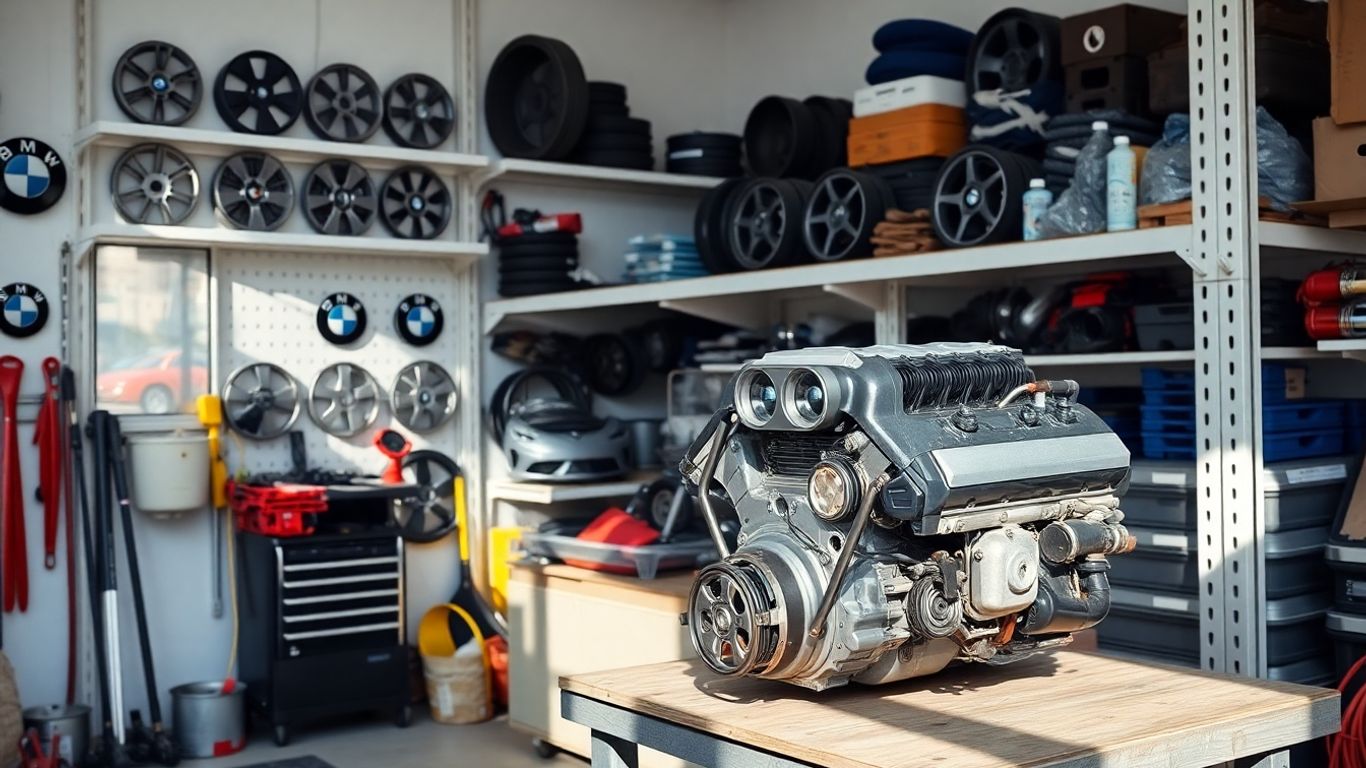
When you’re looking for parts for your BMW, especially if you’re considering used components, it’s smart to be a little careful. You want to make sure what you buy is going to work right and not cause more problems down the road. Always double-check that the part number matches what your car needs. It sounds simple, but it’s easy to overlook.
If you’re buying a used part, try to see it in person if you can. Give it a good look over for any cracks, rust, or signs that it’s been worn out. If you can’t see it yourself, ask the seller for lots of clear pictures from every angle. Sometimes, sellers might have some paperwork about the part’s history or the car it came from. Asking for this can give you a better idea of its condition.
It’s a good idea to understand the seller’s return policy before you buy anything. Things happen, and sometimes a part just doesn’t fit or work as expected. Knowing you can return it without a huge hassle can save you a lot of headaches.
When you’re comparing prices, keep in mind that the cheapest option isn’t always the best. Really low prices can sometimes mean the part isn’t genuine or it’s not made very well. It’s worth paying a bit more for something from a seller with good reviews. Look at what other people have said about their experience with the seller and the parts they bought. A seller who stands behind their products usually has a better return policy and is more upfront about the condition of the parts.
Key BMW Components to Consider
When it comes to keeping your BMW running like the finely tuned machine it is, certain parts just can’t be skimped on. It’s not just about replacing something that’s broken; it’s about making sure the new part works perfectly with everything else in your car. Think of it like a complex orchestra – every instrument needs to be in tune and playing its part for the music to sound right. For a BMW, that means paying attention to some specific areas.
Essential Brake System Components
Your brakes are pretty important, right? For a BMW, this means more than just pads. You’ve got rotors, calipers, and brake lines, all working together. If one part isn’t up to snuff, your stopping power can suffer. New rotors, for instance, can cost a pretty penny, but finding good quality used ones can save you a lot. Just make sure they aren’t worn down too much or warped. Getting the right brake components is non-negotiable for your safety.
Vital Engine Cooling Parts
An engine that overheats is a bad day for anyone. BMW engines are built to perform, and they generate heat. The cooling system has to keep up. This includes the radiator, water pump, thermostat, and hoses. A leaky hose or a failing water pump can quickly turn a minor issue into a major repair bill. If you’re looking at used parts here, check for any cracks or signs of wear, especially on rubber components.
Routine Maintenance Filters
These are the parts you’ll likely replace most often. We’re talking oil filters, air filters, and fuel filters. They might seem simple, but they do a big job. The oil filter keeps your engine oil clean, the air filter lets your engine breathe properly, and the fuel filter keeps gunk out of your fuel injectors. Using cheap, off-brand filters might save you a few bucks upfront, but they can end up costing you more down the line if they don’t do their job effectively. It’s usually best to stick with OEM or a reputable aftermarket brand for these.
When you’re looking at parts, especially for critical systems like brakes or engine cooling, don’t just grab the cheapest option. Think about how it fits into the whole system. Sometimes spending a little more on a quality part, whether new or used, saves you headaches and money later on. It’s about finding that balance between cost and reliability for your specific BMW.
Wrapping Up Your Search for BMW Parts
So, you’ve made it through the guide. Finding the right parts for your BMW doesn’t have to be a headache. Remember, sticking with quality parts, whether they’re brand new or carefully selected used ones, is key to keeping your car running smoothly and safely. Take your time, do a little research, and don’t be afraid to ask questions. Your BMW deserves the best, and with a bit of effort, you can find suppliers you can count on for the long haul.