
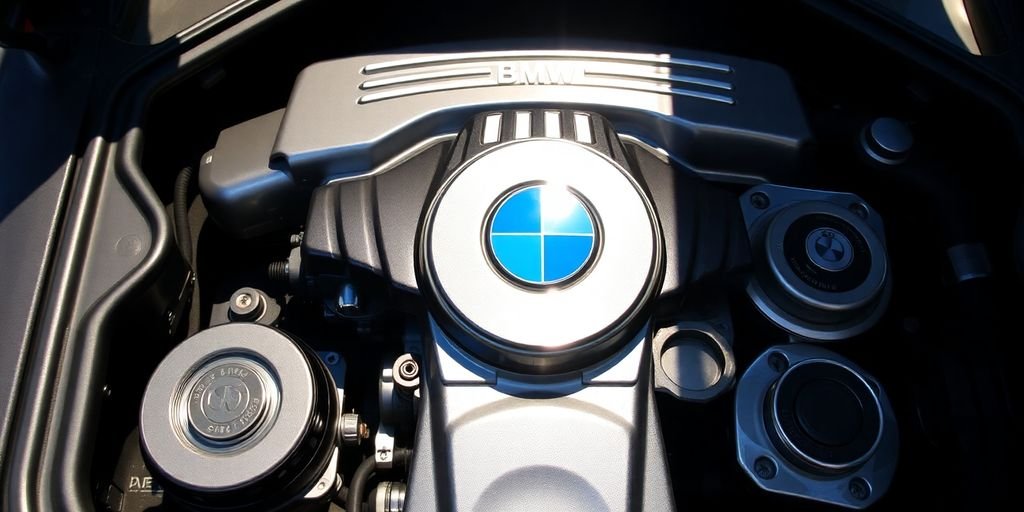
Owning a BMW means you care about how your car runs and looks. Keeping it in good shape means finding the right parts. It can feel like a puzzle sometimes, trying to figure out where to get good BMW spare parts suppliers. We’ve put together this guide to help make that process a lot less confusing. We’ll cover why genuine parts matter, how to spot trustworthy sellers, and the best places to shop, whether you’re online or in person.
Key Takeaways
- Using genuine BMW spare parts is important for your car’s performance, safety, and keeping its value.
- Look for suppliers with good reviews and ask about OEM certification and warranties.
- You can buy parts from dealerships, independent mechanics, or online stores, each with its own pros and cons.
- Always check that the parts fit your specific BMW model and year, and compare prices to avoid fakes.
- Take care of your BMW parts with regular checks, cleaning, and by following the manufacturer’s advice.
Understanding the Importance of Genuine BMW Spare Parts
Ensuring Optimal Performance and Reliability
When you own a BMW, you’re driving something built with precision. That engineering means it needs parts that are made to the same exact standards. Using parts that aren’t specifically designed for your BMW can really mess with how it runs. Think of it like this: if you have a high-tech gadget, you wouldn’t put just any old battery in it, right? Same idea here. Genuine parts fit perfectly and work with all the other systems in your car, keeping everything running smoothly and as the engineers intended. This means your car will perform the way it’s supposed to, day in and day out.
Maintaining Vehicle Safety Standards
Safety is a big deal, especially with cars that are built for performance like BMWs. Components like your brakes, steering, and suspension are directly tied to your ability to control the car. If you put in a brake pad that isn’t up to BMW’s standards, it might not stop as quickly as it should. That’s a serious risk. Genuine parts are tested rigorously to meet strict safety requirements. Sticking with them means you’re keeping your car’s safety features working at their best, which is good for you and anyone else on the road.
Preserving Your BMW’s Resale Value
Let’s be honest, a BMW is an investment. When it comes time to sell it, you want to get the most you can for it. Buyers looking at a premium car like a BMW usually want to see that it’s been well cared for. Using genuine parts for maintenance and repairs is a clear sign of that care. It shows the car has been kept to a high standard, using only the best components. This can make a big difference when someone is deciding whether to buy your car or another one. It’s a simple way to protect your investment over the long haul.
Identifying Reputable BMW Spare Parts Suppliers
Finding the right place to buy BMW parts can feel like a treasure hunt, right? You want good quality without breaking the bank, and you definitely don’t want to end up with something that doesn’t fit or breaks after a week. So, how do you sort the good guys from the not-so-good ones?
Evaluating Brand Reputation and Customer Feedback
When you’re looking for parts, checking out the supplier’s reputation is a big deal. Think about it: if a company has been around for a while and other BMW owners generally have good things to say, that’s usually a good sign. You can often find reviews on their website, or even better, on independent forums or review sites. Look for comments about the quality of the parts, how accurate the descriptions were, and if the company was easy to deal with. Sometimes, a company might have a few bad reviews, but if the overall picture is positive and they seem to address complaints well, that’s usually okay. It’s the pattern of consistent issues that should make you pause.
Paying attention to what other customers say can save you a lot of headaches down the road. It’s like getting advice from friends before you buy something expensive.
Verifying OEM Certification and Quality Standards
Original Equipment Manufacturer (OEM) parts are made by the same company that made the original parts for your BMW. These are usually the safest bet for fit and performance. Some suppliers will clearly state if their parts are OEM or equivalent. You might also see terms like ‘aftermarket’ which means they’re made by a different company. Not all aftermarket parts are bad, but you need to be more careful. Look for suppliers who are transparent about where their parts come from and what standards they meet. Some might even have certifications that show they meet certain quality benchmarks.
| Part Type | OEM Availability | Aftermarket Quality Indicator |
|---|---|---|
| Engine Components | High | ISO 9001 Certified |
| Braking Systems | High | TÜV Approved |
| Electrical Parts | Medium | E-Mark Certified |
Assessing Warranty and Return Policies
This is super important. What happens if the part you buy is faulty or just doesn’t work with your car? A good supplier will have a clear warranty policy. This means if the part fails within a certain time, they’ll replace it or refund you. Also, check their return policy. Can you send a part back if you ordered the wrong one by mistake, or if it’s not what you expected? A supplier that makes returns easy is usually a sign they stand behind their products and care about customer satisfaction. If a supplier doesn’t offer a warranty or has a really strict, unclear return policy, it might be best to look elsewhere.
Navigating Different Avenues for BMW Parts
So, you need a part for your BMW. Where do you even start looking? It can feel like a maze, but really, there are just a few main paths you can take. Each has its own good points and maybe a few not-so-good ones, depending on what you’re after.
The Advantages of Authorized Dealerships
Going to the dealership is often the first thing people think of, and for good reason. They’ve got the direct connection to BMW, so you know you’re getting exactly what the car was designed with. This means perfect fitment and the highest quality, pretty much guaranteed. Plus, if your car is still under warranty, using dealership parts is usually the only way to keep that warranty valid. It’s the safest bet, no question.
| Part Type | Price Range | Availability | Warranty |
|---|---|---|---|
| OEM Engine Components | $$$ | High | Manufacturer |
| OEM Body Panels | $$$ | High | Manufacturer |
| OEM Electronics | $$$ | High | Manufacturer |
Dealerships are great for peace of mind, especially if you’re not super familiar with car parts or if your BMW is still new. They handle everything, and you don’t have to worry about whether the part will actually work.
Exploring Independent Specialist Shops
These are the guys who really know their BMWs, but they aren’t the official dealership. Think of them as the knowledgeable mechanics down the street who happen to specialize in German cars. They often stock a good range of parts, both OEM and sometimes high-quality aftermarket options. The big plus here is that they usually have more personal service. You can talk to someone who actually works on cars, not just someone reading from a screen. They can often give you good advice on which parts to use, and their prices might be a bit better than the dealership.
Leveraging Online Marketplaces for BMW Spares
This is where things get really interesting, and maybe a little tricky. The internet has opened up a massive world of parts. You can find almost anything you can imagine, often at prices that are hard to beat. Websites range from huge general auto parts stores to very specific BMW parts suppliers. The key here is doing your homework. You need to be sure the seller is legit and that the parts they’re selling are what they say they are. Checking reviews and return policies is super important before you click ‘buy’. It’s a bit like shopping at a giant flea market – you can find treasures, but you also need to be careful.
| Online Platform Type | Typical Price | Selection | Risk Level |
|---|---|---|---|
| Large Online Retailers | $$-$$$ | Very Broad | Medium |
| Niche BMW Specialists | $$-$$$$ | Focused | Low-Medium |
| General Auction Sites | $-$$$$ | Extremely Broad | High |
Key Considerations When Purchasing BMW Parts
When you’re looking to buy parts for your BMW, there are a few things you really need to think about. It’s not just about grabbing the first thing you see, you know? Making sure you get the right stuff can save you a lot of headaches down the road.
Ensuring Compatibility with Your Specific BMW Model
This is a big one. BMWs have a lot of different models, and even within a model, there can be variations depending on the year or specific options. You can’t just assume a part for a 2018 3 Series will fit a 2020 3 Series, or even a different trim level of the same year. Always double-check the part number against your car’s VIN (Vehicle Identification Number). Most reputable suppliers will have a tool on their website where you can enter your VIN to see exactly what fits. It’s like trying to fit a square peg in a round hole if you get it wrong; it just won’t work and could even cause damage.
Comparing Prices and Avoiding Counterfeit Products
Price is definitely a factor, but you have to be smart about it. If a deal seems too good to be true, it probably is. Counterfeit parts are a real problem, especially with popular brands like BMW. These fakes might look the same, but they’re often made with cheaper materials and won’t perform as well, or worse, they could be unsafe. Think about brake pads or suspension components – you don’t want to skimp there. It’s worth paying a bit more for a part from a trusted source than risking your car’s performance and your safety.
| Part Type | Genuine BMW Price (Est.) | Reputable Aftermarket Price (Est.) | Potential Risks of Counterfeit |
|---|---|---|---|
| Air Filter | $40 – $70 | $20 – $40 | Reduced airflow, engine strain |
| Brake Pads | $150 – $300 | $80 – $150 | Poor stopping power, premature wear |
| Spark Plugs (set) | $80 – $150 | $50 – $100 | Misfires, poor fuel economy |
Always remember that the cheapest option isn’t always the best. Sometimes, spending a little more upfront for a quality part from a reliable seller can save you money and trouble in the long run. It’s about finding that sweet spot between cost and quality.
Understanding Product Range and Availability
When you’re looking for parts, consider the supplier’s overall selection. Do they have a wide range of parts for your specific BMW model, or are they limited? If you need multiple items, it’s much easier if you can get them all from one place. Also, check how readily available the parts are. Some specialized components might have longer lead times, so it’s good to know if you’ll have to wait weeks for something or if it’s in stock and ready to ship. This can be especially important if your car is your daily driver and you need it back on the road quickly.
Smart Shopping Strategies for BMW Car Spares Online
Buying BMW parts online can be a real time-saver, and honestly, it’s often way easier than driving all over town. You can find pretty much anything you need without leaving your couch. But, you gotta be smart about it, right? It’s not just about clicking ‘buy now’.
Tips for Verifying Seller Credibility
First things first, who are you even buying from? You don’t want to end up with some dodgy part that’s going to cause more problems. Look for sellers with a solid history. Check out their website – does it look professional? Are there contact details readily available? A reputable seller will be transparent about who they are and how to reach them. See if they have any official certifications or partnerships mentioned. Sometimes, you can even find reviews about the seller themselves, not just the parts. That’s a good sign if people are talking about good service.
The Importance of Reading Customer Reviews
Reviews are your best friend when shopping online. Don’t just glance at the star rating; actually read what people are saying. Are they talking about the quality of the part? Did it fit their specific BMW model? Was the shipping fast? Sometimes, you’ll find detailed reviews that mention the exact year and model of the BMW, which is super helpful. Pay attention to recurring complaints or praises. If multiple people say a part failed quickly, steer clear. On the flip side, if everyone raves about how a specific part improved their car’s performance, that’s a good indicator.
Maximizing Value Through Price Comparisons
Okay, price is always a factor. You want a good deal, but you also don’t want to get ripped off or buy a fake. It’s worth checking a few different online stores for the same part. You might be surprised at the price differences. Just remember, if a price seems way too low compared to everywhere else, be suspicious. It could be a counterfeit product or a sign of a scam. It’s a balance between getting a good price and getting a genuine, quality part that will last. Sometimes paying a little more upfront saves you a lot of headaches down the road.
When you’re hunting for parts online, think of it like this: you’re not just buying a piece of metal or plastic; you’re buying a solution to a problem your car has. Making sure that solution is the right one, from a trustworthy source, is the real goal. It takes a bit of effort, but it’s worth it to keep your BMW running smoothly.
Maintaining Your BMW Parts for Longevity
So, you’ve got a BMW, and you want it to keep running like the day you bought it, right? It’s not just about slapping in any old part when something goes wrong. Taking care of the parts you have, and the ones you replace them with, makes a big difference. It’s like anything else, really – a little bit of attention goes a long way.
Implementing Regular Inspection Schedules
It’s a good idea to get into the habit of looking over your car’s parts regularly. You don’t need to be a mechanic to spot something that looks off. Check for leaks under the car, listen for any weird noises when you’re driving, and just generally pay attention to how your BMW is behaving. Catching a small issue early, like a slightly worn belt or a slow leak, can stop it from turning into a much bigger, more expensive problem down the road. Think of it as a quick check-up to make sure everything’s ticking along as it should.
Proper Cleaning and Lubrication Techniques
Keeping parts clean might sound simple, but it’s pretty important. Dirt and grime can get into moving parts, causing extra wear and tear. For things like suspension joints or even just the general undercarriage, a good clean can help. And lubrication? That’s key for anything that moves. Using the right kind of grease or oil in the right places reduces friction, which means parts last longer. It’s not about dousing everything; it’s about applying it where it’s needed, following what the manual suggests.
Taking care of your BMW parts isn’t just about fixing things when they break. It’s about proactive care that keeps your car performing well and prevents future headaches. A little effort now saves a lot of trouble later.
Adhering to Manufacturer Maintenance Guidelines
BMW puts out specific recommendations for how to maintain your car, and for good reason. They know their vehicles best. These guidelines cover everything from when to change fluids and filters to specific checks for different systems. Sticking to these schedules, especially when it comes to things like the cooling system or brake components, is really the best way to make sure everything stays in good working order. It’s all laid out for you, so there’s really no excuse not to follow it.
Wrapping It Up: Keeping Your BMW Running Smoothly
So, we’ve gone over a lot of ground on finding the right parts for your BMW. It’s not always easy, but knowing what to look for makes a big difference. Whether you stick with the dealership, find a good independent shop, or order online, always check that the parts are good quality and will fit your car. Paying attention to things like brand reputation and warranties can save you headaches down the road. Keep these tips in mind, and you’ll be well on your way to keeping your BMW performing its best for years to come.